
201 Stainless Steel Vs 304 Stainless Steel
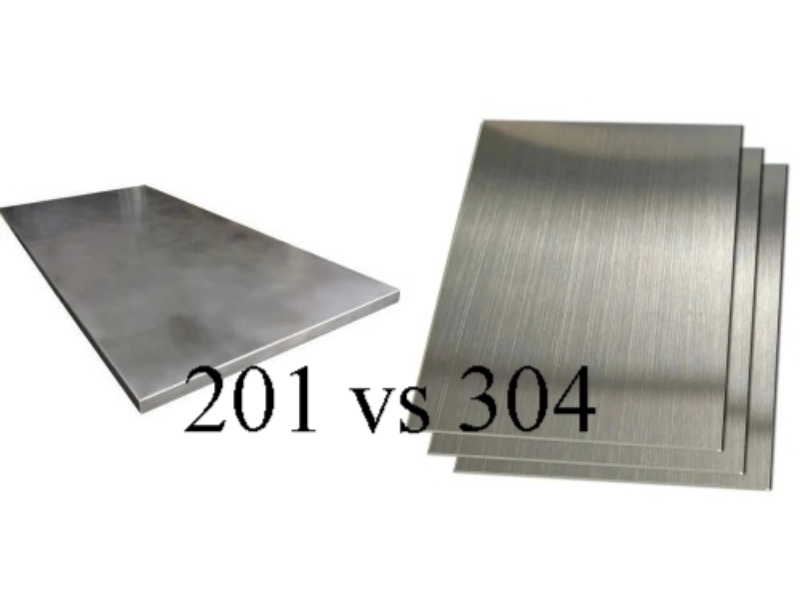
Hey there, fellow humans! Ever found yourself staring at a shiny new kitchen gadget, a sleek piece of outdoor furniture, or maybe even your car's exhaust pipe, and wondered what makes it… well, shiny and tough? More often than not, you're looking at stainless steel. And while most of us just appreciate its gleam, there's a little secret world behind those shiny surfaces: different kinds of stainless steel. Today, we're going to peek behind the curtain and have a friendly chat about two of the most common players: 201 stainless steel and 304 stainless steel. No scary chemistry lectures, I promise!
Think of it like this: you know how there are different kinds of apples? You’ve got your crisp, tart Granny Smiths that are perfect for baking, and then you’ve got your sweet, juicy Galas that are just begging to be eaten fresh. They’re both apples, sure, but they’re good at different things. Stainless steel is kind of the same way. It's an alloy, which means it's a mix of metals, mostly iron, with a healthy dose of chromium (that's the stuff that makes it stainless, preventing rust and corrosion). But the exact recipe changes, and that's where 201 and 304 come in.
So, why should you even bother caring about this? Well, it's all about getting the best bang for your buck and making sure your stuff lasts. Imagine buying a beautiful new garden table, only to have it start to look a bit sad and rusty after the first rainy season. Or perhaps your trusty old coffee mug suddenly develops an odd taste. These little annoyances can often be traced back to the type of stainless steel used. Understanding the difference can help you make smarter choices, whether you're a DIY guru or just picking out a new kettle.
Enter the Contenders: 201 and 304
Let’s meet our stars. First up, we have 201 stainless steel. This guy is often seen as the more budget-friendly option. It's still stainless steel, don't get me wrong, but its recipe is a bit different. It contains more manganese and nitrogen, and less nickel than its fancier cousin. What does this mean for you and me? Well, it generally makes 201 a bit stronger and harder than 304. Think of it like a determined, hardworking individual who might not be the most glamorous, but gets the job done reliably.
Now, 304 stainless steel is often considered the "all-American" (or perhaps "all-world") hero of the stainless steel family. It's also known as 18/8 stainless steel because it typically contains about 18% chromium and 8% nickel. This extra nickel is a real game-changer. It gives 304 its exceptional corrosion resistance, especially against acids and chlorides (think salty air or even some cleaning chemicals). It’s the smooth operator, the reliable friend, the one you can count on to look good and perform well, no matter what you throw at it.
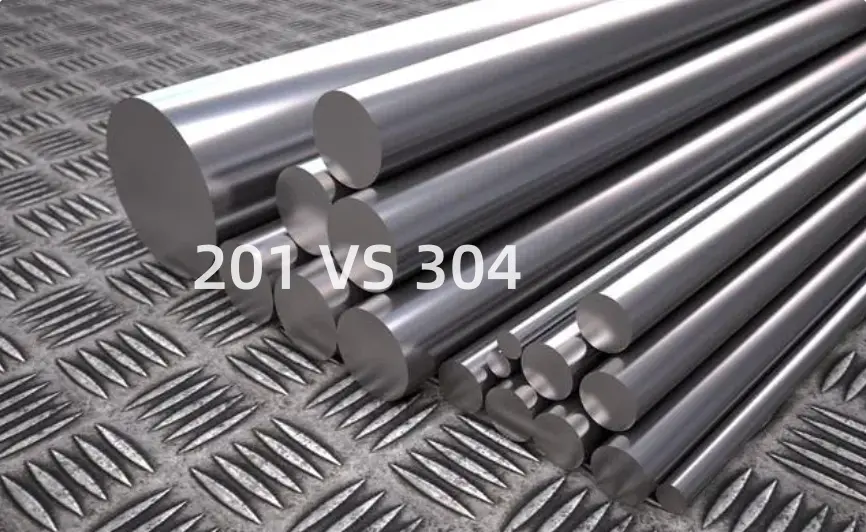
Where Do You Find Them? Everyday Examples!
Let's bring this down to earth. Where might you stumble upon these two? Think about your kitchen. That shiny colander you use to drain pasta? Very likely 304. Why? Because it comes into contact with water, food acids (like from tomatoes), and gets washed frequently. 304's superior corrosion resistance ensures it stays sparkling and doesn't leach any weird flavors into your spaghetti.
Your everyday cutlery, your mixing bowls, the inside of your dishwasher – these are prime real estate for 304. It’s the stuff that makes your kitchen feel hygienic and looks good for years. It’s like the reliable car that gets you everywhere you need to go without fuss.

On the other hand, 201 stainless steel, because it's a bit tougher and more cost-effective, often finds its way into applications where strength and cost are the primary drivers, and a slight dip in corrosion resistance is acceptable. You might see it in things like certain types of outdoor furniture frames, decorative trim on appliances, or even in some industrial settings where the environment isn't overly harsh.
Imagine a fancy, modern-looking plant pot for your patio. If it’s really sleek and relatively affordable, it might be made of 201. It’ll look great, and for a few seasons, it will likely hold up beautifully. However, if it's constantly exposed to rain and salt spray from the ocean, you might, after a while, start to see a little bit of pitting or discoloration. It's not a disaster, but it's a sign that 304 might have been the even better choice for extreme conditions.
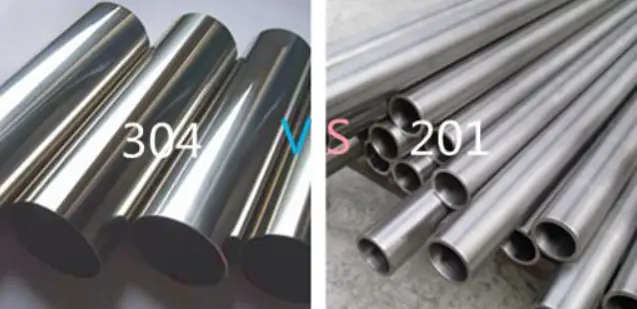
The Nickel Difference: Why It Matters
Let’s talk about that nickel for a moment. It's the unsung hero in 304. It’s like the secret ingredient in your favorite cookies that makes them extra soft and delicious. Nickel helps stabilize the structure of the stainless steel, making it more malleable and, crucially, much more resistant to corrosion. This is why 304 is the go-to for anything that will be in close contact with food or exposed to potentially corrosive environments.
If you’ve ever seen a stainless steel item that looks a bit dull, or has faint brown spots, especially near seams or edges, it could be that it wasn't the highest grade of stainless steel. While 201 is still stainless, it’s not stain-proof. In very aggressive environments, it might eventually show signs of wear and tear that 304 would shrug off with ease. Think of it as the difference between a sturdy, dependable umbrella and a slightly less robust one. Both keep you dry, but one will handle a gale a lot better.

So, Which One is for You?
The good news is, for most everyday applications, both 201 and 304 will serve you well. If you’re buying a basic kitchen utensil or a simple decorative piece for indoors, 201 is likely perfectly fine and probably a bit kinder to your wallet. You're getting a good, shiny, functional product.
However, if you're investing in something that needs to withstand the elements, be in constant contact with food and water, or is in a marine environment (hello, coastal dwellers!), then stepping up to 304 is usually the smarter, longer-term choice. It’s the one that says, "I’m here to stay, looking fabulous, and I won’t complain about the salt spray!" It's about peace of mind and knowing your purchase will endure.
Ultimately, understanding these little differences isn't about becoming a metallurgist. It's about making informed choices that lead to more joy and less frustration. It’s about appreciating the quiet brilliance of the materials that surround us and ensuring that the things we buy and use bring us lasting satisfaction. So next time you admire that gleam, remember the subtle magic of stainless steel – and maybe even give a little nod to whether it’s a reliable 201 or a top-tier 304!