
304 Stainless Steel Vs 316 Stainless Steel
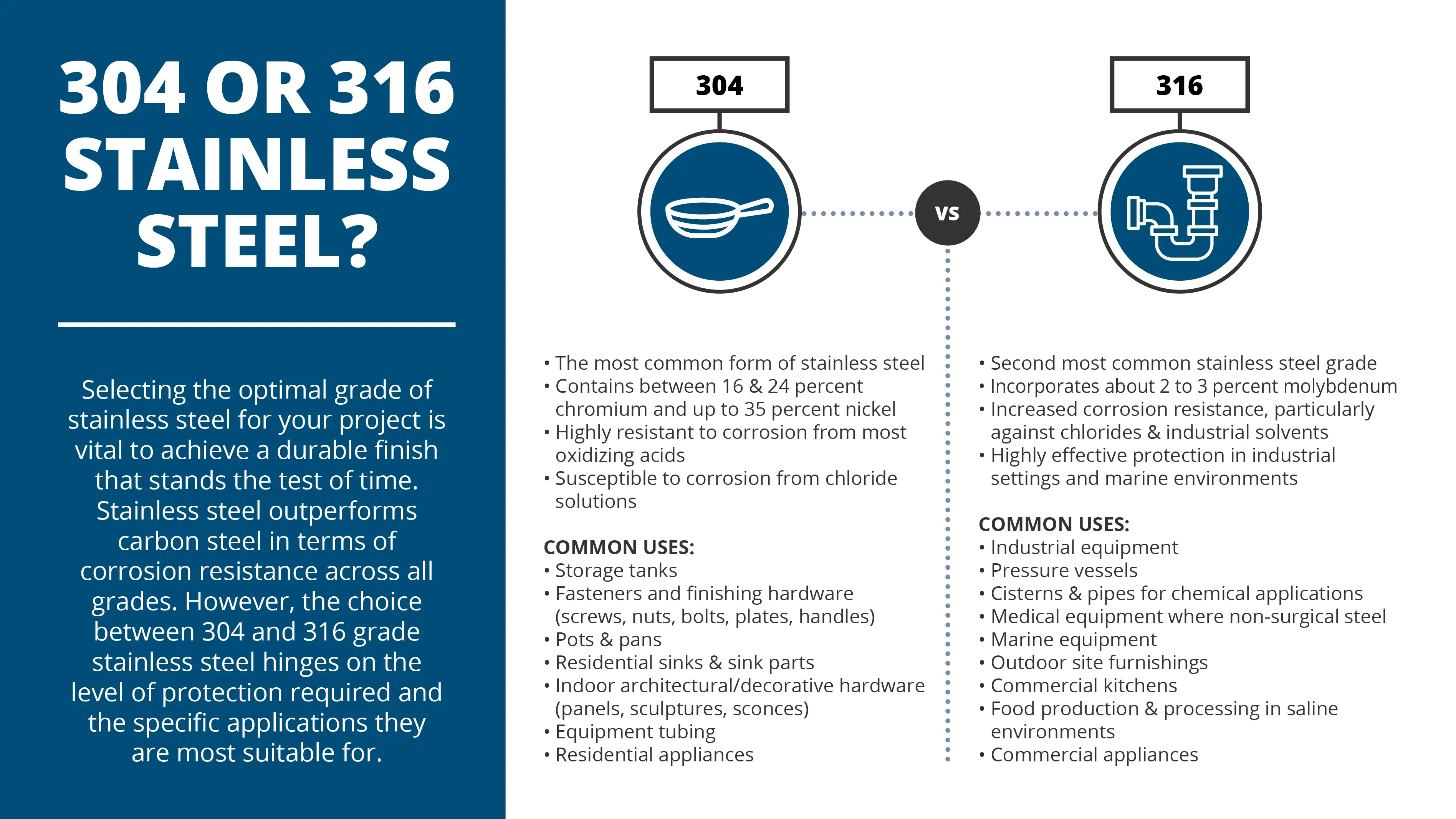
Alright, let's talk about stainless steel, shall we? Now, I know what you might be thinking: "Stainless steel? Sounds a bit... industrial." But trust me, it’s the superhero of metals, keeping our world shiny and rust-free. And within this super-team, we've got two main contenders, like friendly rivals in a superhero league: 304 stainless steel and 316 stainless steel.
Imagine you're building your dream treehouse. You want it to last forever, right? You want it to withstand the sun, the rain, maybe even a rogue squirrel invasion. Both 304 and 316 will do a fantastic job of keeping your treehouse looking spiffy. They're both incredibly tough and resist rust like it's their arch-nemesis.
Think of 304 stainless steel as the reliable, all-around good guy. He’s the classic, the workhorse. You see him everywhere, from your kitchen sink (probably!) to that snazzy cutlery set you got as a gift. He’s strong, he’s shiny, and he’s not asking for too much attention. He’s just doing his job, day in and day out, keeping things looking good.
Now, 316 stainless steel, he's like the same good guy, but with a special superpower. He’s got a little something extra that makes him even more resilient. Think of it as his utility belt filled with even more cool gadgets for tougher situations. He’s still as handsome and reliable as 304, but he’s ready for a bigger challenge.
What's this superpower, you ask? It's a secret ingredient called molybdenum. Yes, molybdenum! It sounds like a mythical creature, doesn't it? This little addition gives 316 a significant boost in its fight against corrosion. It's like giving our superhero a shield that can deflect even more nasty attacks.
So, where does this extra corrosion resistance come in handy? Well, imagine your kitchen again. If you're just boiling pasta and making a simple salad, your 304 stainless steel pots and pans are going to be absolutely perfect. They'll gleam and shine for years to come. They’re the champions of everyday culinary adventures!

But what if you're a bit more... adventurous in the kitchen? What if you love making salty marinades, or pickling things, or even using really harsh cleaning chemicals? This is where 316 stainless steel really starts to strut its stuff. That little bit of molybdenum is like a bodyguard for the steel, protecting it from those aggressive elements.
Think about coastal living. If you live near the ocean, that salty air can be a real challenge for metals. It's like a constant, gentle barrage of tiny, corrosive attackers. Your outdoor furniture, your boat fittings, even that charming little nautical decoration – these are the places where 316 stainless steel truly shines. It laughs in the face of salt spray!
Let’s talk about medical equipment, too. You know how important it is for things in hospitals to be perfectly clean and germ-free? 316 stainless steel is the go-to for many medical instruments. Its superior resistance to corrosion means it can withstand the rigorous cleaning and sterilization processes without degrading. It’s a matter of health and safety, and 316 steps up to the plate every time.
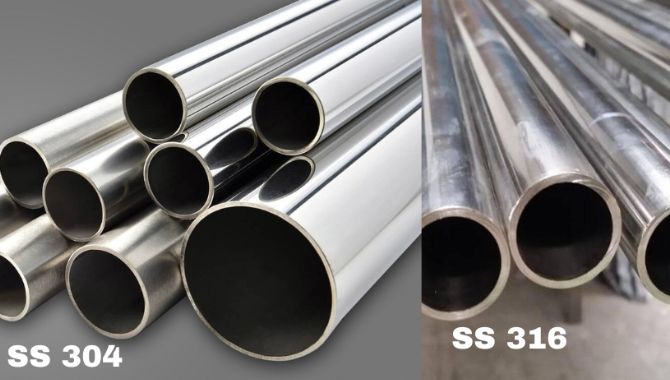
So, in a nutshell, 304 stainless steel is your fantastic, everyday hero. He's your trusty sidekick for most situations, keeping things looking great and functioning perfectly. He’s the foundation, the reliable friend you can always count on for most of your stainless steel needs. He’s the rock!
And 316 stainless steel? He’s the upgraded version, the one with the enhanced features for when the going gets tough. He’s your superhero who can handle the really challenging environments. He’s got that extra armour, that secret weapon, that makes him ideal for those more demanding, corrosive conditions. He’s the powerhouse!
But here’s the fun part: they’re both still stainless steel. They both resist rust like a pro. They both look amazing. The difference is subtle, but it’s important if you’re looking for the absolute best performance in specific, challenging scenarios. It's like choosing between a great sports car and a slightly souped-up version of that same great sports car for a race track.
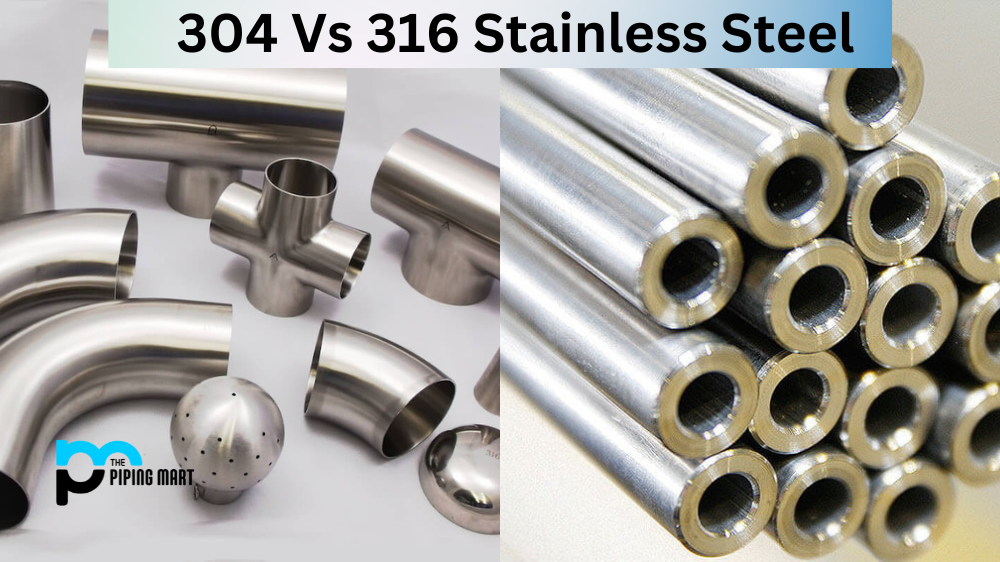
You wouldn't use a delicate teacup to hammer a nail, right? Similarly, you wouldn't necessarily need 316 stainless steel for your standard kitchen utensils when 304 does a stellar job. But if you're building a submarine out of stainless steel (now that's a project!), then 316 would be your absolute best friend. It's all about matching the metal to the mission!
Think of it this way: 304 stainless steel is the dependable friend who always shows up on time and brings the snacks. He’s always there for you, making your life easier and shinier. He’s the perfect choice for 90% of the things you’ll ever need stainless steel for. Easy, peasy, and wonderfully effective!
And then there's 316 stainless steel, the friend who not only shows up on time with snacks, but also happens to be a trained lifeguard and a master chef, just in case. He’s ready for any eventuality, any unexpected twist in the plot. He’s the one you call when you need that extra layer of security and resilience. He’s a real lifesaver!
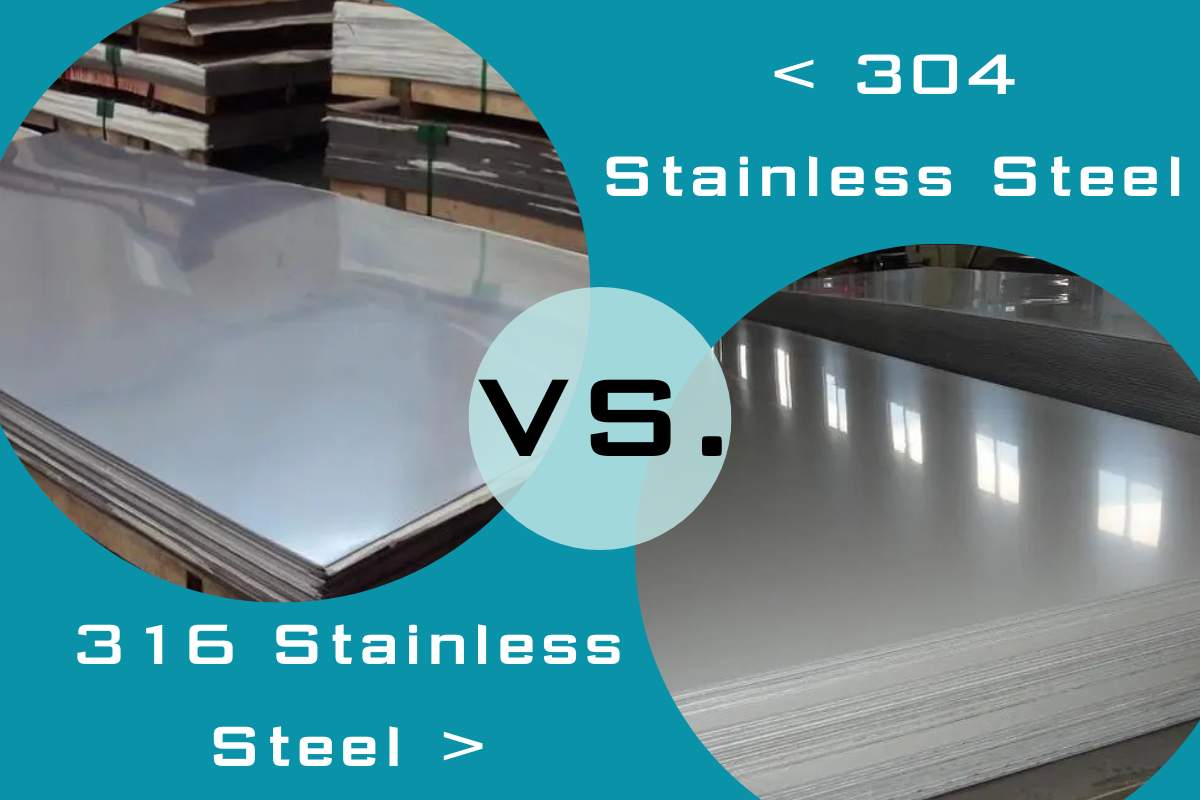
So, don't be intimidated by the numbers. They just tell a story about how these amazing metals are built. 304 is your everyday champion, and 316 is your champion for extreme conditions. Both are fantastic, both will keep things looking glorious, and both are a testament to the sheer awesomeness of stainless steel.
Ultimately, the choice between 304 and 316 stainless steel boils down to where you plan to use it and what you plan to expose it to. For most of us, our trusty 304 will be more than enough to keep our lives stainless and stress-free. But if you’re venturing into particularly salty or chemically aggressive environments, the little bit of extra magic in 316 is worth its weight in, well, stainless steel!
So go forth, be it with your kitchen pots or your boat anchors, and appreciate the silent, shiny work these incredible materials do for us every single day. They’re the unsung heroes of our modern world, keeping things rust-free and looking fantastic! Isn’t that just the coolest?