
6061 T6 Aluminum Rectangular Tubing

So, picture this: I'm knee-deep in a project – okay, maybe more like elbow-deep – trying to build this ridiculously ambitious bookshelf that's supposed to look all minimalist and floating. Think “architectural marvel meets my slightly-too-heavy collection of vintage sci-fi paperbacks.” The design called for these sleek, strong frames that wouldn't warp under the weight of, say, a small planet. I’d sketched it out, I’d agonized over the dimensions, and now it was time for the material. And that, my friends, is where 6061 T6 aluminum rectangular tubing waltzed into my life, looking all business-like and utterly indispensable.
Initially, I just thought, "metal tubes, easy peasy." But as I started researching, scrolling through endless supplier sites and trying to decipher jargon that sounded suspiciously like a secret handshake, I realized there was a whole universe of stuff I didn’t know. And honestly? It’s kinda fascinating.
The Not-So-Secret Life of a Metal Tube
Let's be honest, most of us don't spend our Friday nights pondering the metallurgical properties of aluminum. We're more likely contemplating the optimal Netflix binge-watching strategy or whether we really need that third slice of pizza. But stick with me here, because this unassuming metal tube is actually the unsung hero of a surprising number of things we encounter every day.
Think about it. That sleek frame on your new bike? Likely some kind of aluminum tubing. The robust supports on a modern awning? Probably. Even some of the lighter-duty structures in furniture or shop fittings? You guessed it. And when you need something that's strong but not ridiculously heavy, that can handle a bit of stress without buckling like a poorly made cookie, that’s where this guy, 6061 T6 aluminum rectangular tubing, really shines.
So, What's With the "6061 T6"? Is That Like a Secret Agent Code?
Kind of! But way more practical. Let's break it down, shall we? This isn't just any old aluminum; it's a specific alloy.
The "6061" part tells you it belongs to the 6000 series of aluminum alloys. These are primarily known for their excellent strength and good corrosion resistance. They’re a popular choice for a reason. Imagine you're picking a team for a build – you want folks who are reliable, can handle pressure, and generally get along with their environment. That's the 6000 series for you.
Now, the "T6" is where things get a little more interesting. This refers to the temper of the aluminum. Think of temper like how you heat-treat or age metal to make it stronger and more stable. T6 is a pretty common and desirable temper for 6061 aluminum. It means the alloy has been solution heat-treated and then artificially aged.
What does that even mean? Well, without getting too bogged down in the super-nerdy science of it all (because, let's face it, my coffee hasn't kicked in quite enough for that yet), it essentially means the metal has been put through a process that rearranges its internal structure to make it tougher and more durable. It’s like giving the metal a rigorous workout and a good rest, making it ready for whatever you throw at it. This T6 temper is what gives 6061 its impressive strength-to-weight ratio.
And why rectangular? Well, a rectangular tube has some distinct advantages over, say, a round one. For structural applications, especially where you need to connect pieces at right angles or create flat mounting surfaces, the straight edges and flat sides of a rectangular tube are a dream come true. It makes welding easier, bolting things to it simpler, and it often looks a lot cleaner and more intentional in a design. It’s the geometric equivalent of a neatly organized toolbox versus a tangled mess of wires. You know?
The "Why Should I Care?" Section
Okay, so it's strong, it's durable, and it's got flat sides. But why is this specific stuff so popular?
First off, that strength-to-weight ratio I mentioned? It's a big deal. We all want things to be sturdy, but nobody wants to build a bookshelf that requires a forklift to move. 6061 T6 aluminum gives you that impressive load-bearing capacity without adding a ton of unnecessary heft. This is crucial for anything from aerospace components (where every ounce counts!) to DIY projects that you actually want to be able to relocate without calling in reinforcements.
Then there's the corrosion resistance. Aluminum naturally forms a protective oxide layer. While it's not entirely immune to corrosion, especially in harsh environments, 6061 T6 is pretty darn good at resisting rust and degradation. This means your project is likely to look good and perform well for a long time, even if it’s exposed to the elements occasionally. No one wants their dream project to turn into a flaky, oxidized mess after a year, right?
Workability is another huge plus. While the T6 temper makes it strong, it's still relatively easy to machine, cut, bend, and weld. This is a massive win for fabricators and DIYers alike. You don't need specialized, industrial-grade equipment to work with it. Sure, you'll want the right tools and techniques, but it's not like trying to shape diamond with a toothpick. It's approachable. It's forgiving (to a degree!).
And finally, there's the sheer versatility. Because of all these properties, 6061 T6 aluminum rectangular tubing pops up in an incredible range of applications:
- Construction and Framing: Think architectural elements, light-duty structural framing, bracing, and support systems.
- Automotive and Marine: Used for custom frames, roll cages, boat superstructures, and various chassis components where weight savings are critical.
- Aerospace: While higher-grade alloys are common, 6061 T6 finds its way into less critical structural parts due to its balance of strength and formability.
- Furniture and Fixtures: From modern desks and chairs to display units and shelving systems, its clean lines and strength are ideal.
- Prototyping and DIY Projects: This is where it really shines for us hobbyists. Want to build a custom workbench? A sturdy rack for your tools? A frame for a small shed? This is your go-to.
- Signage and Displays: The flat surfaces are perfect for mounting signs, creating display stands, and visual merchandising.
A Little Word to the Wise (or, What I Learned the Hard Way)
Now, before you rush out and buy enough of this stuff to build a small fort, a few things to keep in mind.
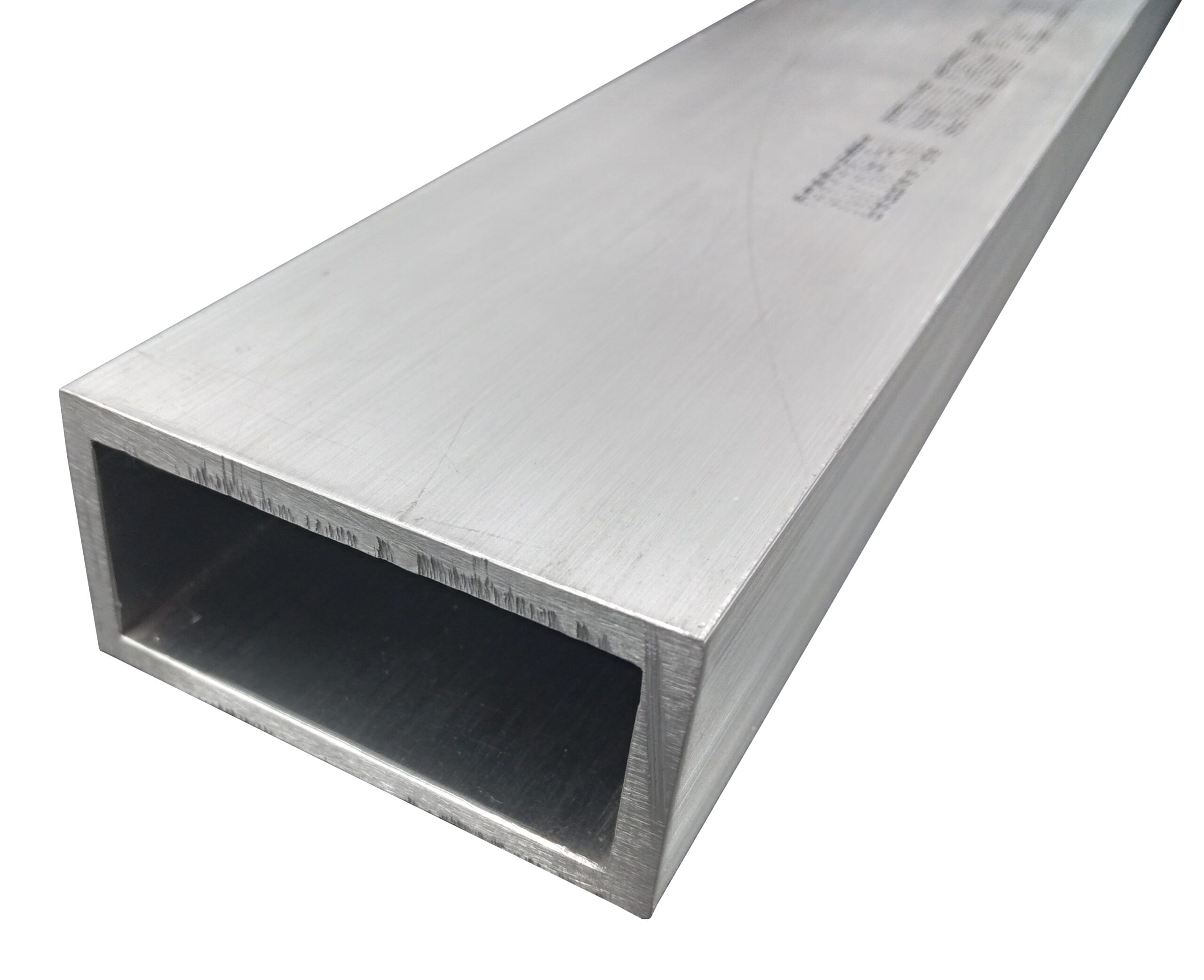
Tolerance is Key: When you're ordering, pay attention to the wall thickness and the exact outer dimensions. These aren't always perfectly precise. If your project relies on super-tight tolerances (like, say, fitting two pieces together with microscopic gaps), you might need to factor in some extra machining or preparation time. It’s like buying fabric; sometimes the stated width isn't exactly what you get when you unroll it.
Welding Nuances: While 6061 T6 is weldable, it’s not as straightforward as welding mild steel. You generally need to use TIG welding and specific filler metals (like 4043 or 5356). The heat from welding can actually weaken the area around the weld (the heat-affected zone, or HAZ). So, for critical structural welds, you might need to re-heat-treat the part afterward, or at least be aware of potential strength reductions. For most DIY projects, this isn't a deal-breaker, but it's good to know the basics.
Cutting and Finishing: Cutting aluminum can generate a lot of heat, so using the right blade and cutting fluid is important to prevent melting or gumming up your tools. When it comes to finishing, it can be painted, anodized, or left raw. Anodizing is a fantastic way to add a durable, colored, and corrosion-resistant surface finish. It really makes it look finished and professional.
Cost: While it's generally more affordable than steel or some other specialized alloys, it's not the cheapest material on the block. However, when you factor in its performance, durability, and ease of use, the cost often proves to be a good investment. You're paying for that excellent combination of properties.

My Bookshelf's Journey
Back to my bookshelf. I ended up opting for 1.5" x 0.5" rectangular tubing with a 1/16" wall thickness. It felt substantial enough to support the books, but not so bulky that it would overwhelm the minimalist aesthetic. Cutting it with my trusty metal chop saw was relatively clean, though I did have to be mindful of the heat. Welding the corners together required a bit of practice (and some helpful YouTube tutorials), but the result was surprisingly solid.
The real magic happened when I applied a matte black powder coating. It gave the tubing a sleek, modern finish that looked like it came straight out of a high-end furniture catalog. The shelves themselves were floating wood planks, attached to the aluminum frame with minimal, elegant brackets.
And you know what? It worked. The bookshelf stands tall, proud, and absolutely rock-solid. It's a testament to the fact that sometimes, the most unassuming materials are the ones that make the biggest difference. It’s not just a metal tube; it’s a building block for creativity, a reliable component for practical solutions, and a testament to smart engineering.
So, the next time you see a sleek, modern structure, or a piece of furniture that seems impossibly sturdy yet lightweight, take a moment. There’s a good chance that somewhere within it, a humble piece of 6061 T6 aluminum rectangular tubing is doing its job, quietly and efficiently. And honestly, that's pretty cool.