
A36 Steel Coefficient Of Thermal Expansion

You know, sometimes I think the universe is playing a joke on us. Especially when it comes to seemingly mundane things like steel. We build skyscrapers, bridges, even the comfy bed you might be lounging on right now, all thanks to this stuff. And its name? A36 steel. Sounds important, right? Like it’s got its own secret handshake. Well, it does. Or rather, it has a secret tendency. And this tendency, my friends, is what we lovingly (or perhaps slightly begrudgingly) call its coefficient of thermal expansion.
Now, I know what you’re thinking. "Thermal expansion? That sounds like something a mad scientist would yell before dropping a beaker." And I get it. It’s not exactly a topic that makes you want to whip out a party popper. But stick with me. Because the way A36 steel handles heat is, dare I say it, a little bit sassy.
Imagine you’ve got a nice, sturdy piece of A36 steel. Maybe it’s a support beam for your garage. It’s minding its own business, keeping your car safe from the elements. Then, summer hits. BAM! The sun beats down. It gets all warm and toasty. And what does our trusty A36 steel do? It gets a little… bigger. Yep. Just like you might feel a bit snugger in your favorite jeans after a hearty meal, steel expands when it’s heated.
And when winter rolls around, and everything gets chilly? Our A36 steel shrinks. It gets a little smaller, a bit more… compact. It’s like it’s saying, "Okay, time to conserve space, folks!" This expansion and contraction is what this fancy term, coefficient of thermal expansion, is all about. It’s basically a number that tells you how much it expands or shrinks for every degree of temperature change.
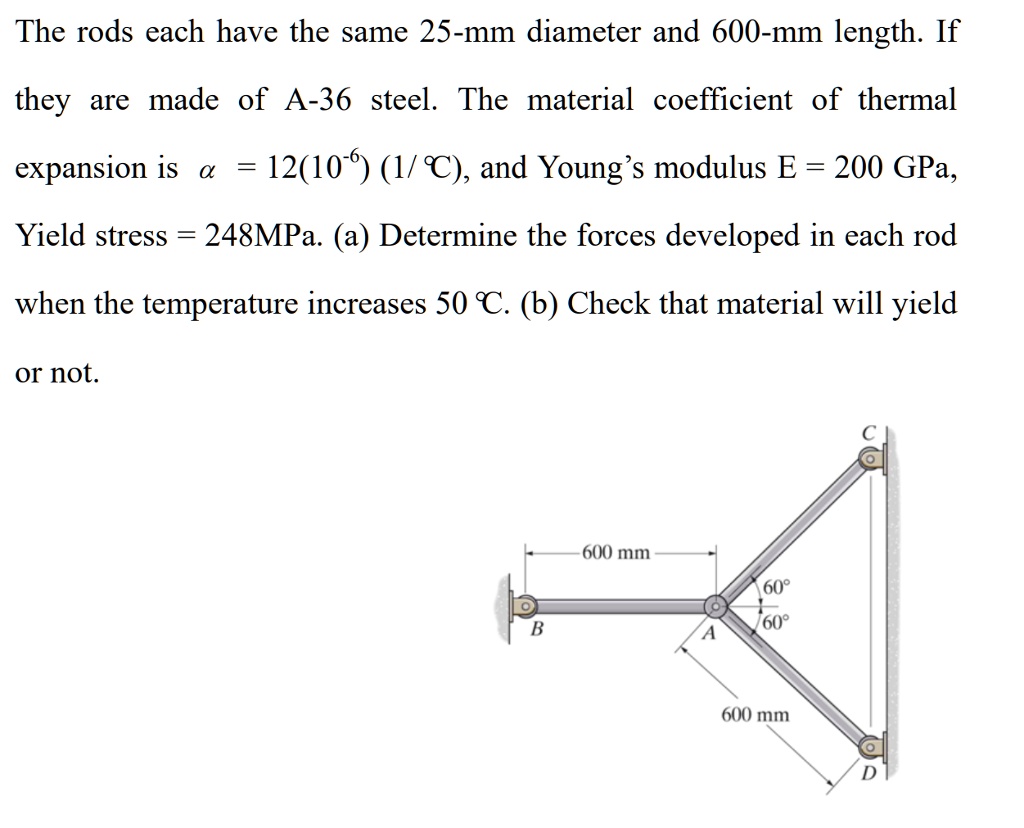
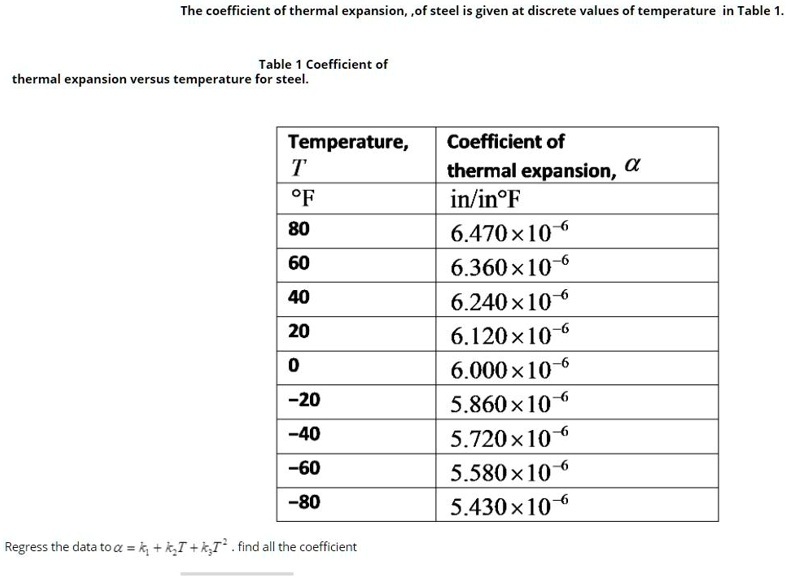
For A36 steel, this number is roughly 12 micrometers per meter per degree Celsius. Now, don’t let those tiny numbers scare you. It might sound minuscule, but over a long bridge or a tall building, that tiny bit of wiggle room adds up. It’s the difference between a perfectly functioning structure and… well, a very expensive oopsie.
Think about it. We design these massive structures, expecting them to be perfectly still and unmoving. But the world around them is constantly changing its temperature. It’s a temperature roller coaster, and our steel friends are just along for the ride. And here’s my slightly unpopular opinion: I think A36 steel secretly enjoys this little bit of drama.
Why? Because it gives it a personality! It’s not just some inert, boring metal. It’s a metal that reacts. It has a bit of give. It’s like that friend who complains about the heat but then secretly enjoys a good sweat at the gym. A36 steel is stoic, yes, but it's not emotionless. It feels the warmth, it feels the chill, and it responds. It’s a subtle, quiet rebellion against the rigid expectations placed upon it.
It's the silent whisper of expansion and contraction, a metallic sigh in the face of a changing world.
Engineers, bless their methodical hearts, account for this. They build in little gaps, flexible joints, and clever designs to let the steel do its thing without causing any structural chaos. They know about the coefficient of thermal expansion. They respect it. They probably even have little ceremonies to honor it. Okay, maybe not the ceremonies. But they definitely respect it.

But for us regular folks, the ones who just drive over bridges or walk into buildings, it’s a fun little secret. Next time you’re standing on a bridge on a hot day, or feeling the cool air on a winter evening, spare a thought for the A36 steel beneath your feet. It’s doing its subtle dance. It’s expanding, it’s contracting, all thanks to its trusty coefficient of thermal expansion. It’s a testament to the fact that even the most solid, dependable materials have a little bit of movement in them. A little bit of life. And that, in my book, is pretty darn entertaining.
So, while others might bore you with stress calculations and yield strengths, I’ll be over here, marveling at the humble A36 steel and its ability to literally change its mind (and size!) with the weather. It’s the unsung hero of expansion, the quiet king of contraction, and frankly, it deserves a round of applause. Or at least a knowing nod and a chuckle. Because in the grand scheme of things, a bit of thermal swagger is more interesting than a perfectly static metal, wouldn't you agree? It keeps things… dynamic. It keeps things interesting. It keeps our world from falling apart, one tiny, temperature-induced expansion at a time.