
Active Stars Are Primarily Made Of Plasma

Hey there, ever look up at the night sky and just… wow?
Those twinkling little dots, the ones that have inspired poets and lovers for millennia? Well, buckle up, because I've got a secret for you: those aren't just balls of fire. They're something way more exciting, way more energetic. They're basically giant, cosmic hot dogs of pure, unadulterated plasma!
Plasma? Like, the stuff in sci-fi movies?
Yup, you got it! But here's the cool part: plasma isn't just some made-up movie magic. It's actually the fourth state of matter. We all know solid, liquid, and gas, right? Think ice, water, steam. Plasma is like the super-charged, wild cousin of gas. When you pump enough energy into a gas – like, a lot of energy – its atoms get so excited they start to break apart. Electrons get ripped away from their nuclei, leaving behind a swirling, energized soup of charged particles.
And guess what? Our Sun? Totally a giant plasma ball. And every single other star you see out there, from the brightest beacon to the faintest glimmer? Yep, you guessed it. They're all just bigger, brighter, and sometimes a whole lot hotter plasma parties. Isn't that mind-blowing?
So, what does this "plasma party" mean for us?
Well, for starters, it means we're literally living under the influence of some seriously powerful plasma. The Sun's plasma is what gives us light and heat, making life on Earth possible. Without that giant, glowing plasma ball in the sky, we'd be a frozen, dark rock. So, next time you feel the warmth of the sun on your face, give a little nod to the amazing plasma at its core!

But it's not just about warmth and light. The fact that stars are made of plasma explains so much of their dazzling behavior. Think about solar flares! Those incredible bursts of energy that shoot out from the Sun's surface? That's plasma in action, being all dramatic and spectacular. It’s like the star is flexing its plasma muscles.
And those amazing auroras, the Northern and Southern Lights? They're also a result of our Sun's plasma getting tangled up with Earth's magnetic field. Charged particles from the solar wind (which is also made of plasma, by the way!) collide with gases in our atmosphere, creating those ethereal, dancing lights. It's like the universe is putting on a light show just for us!
Why is this so much more fun than "balls of fire"?
Because "balls of fire" sounds… well, a bit boring, doesn't it? A bit static. Plasma, on the other hand, is all about movement, energy, and unpredictability. It's dynamic! It's electric! It's like the universe decided to crank up the dial to eleven and just let loose.
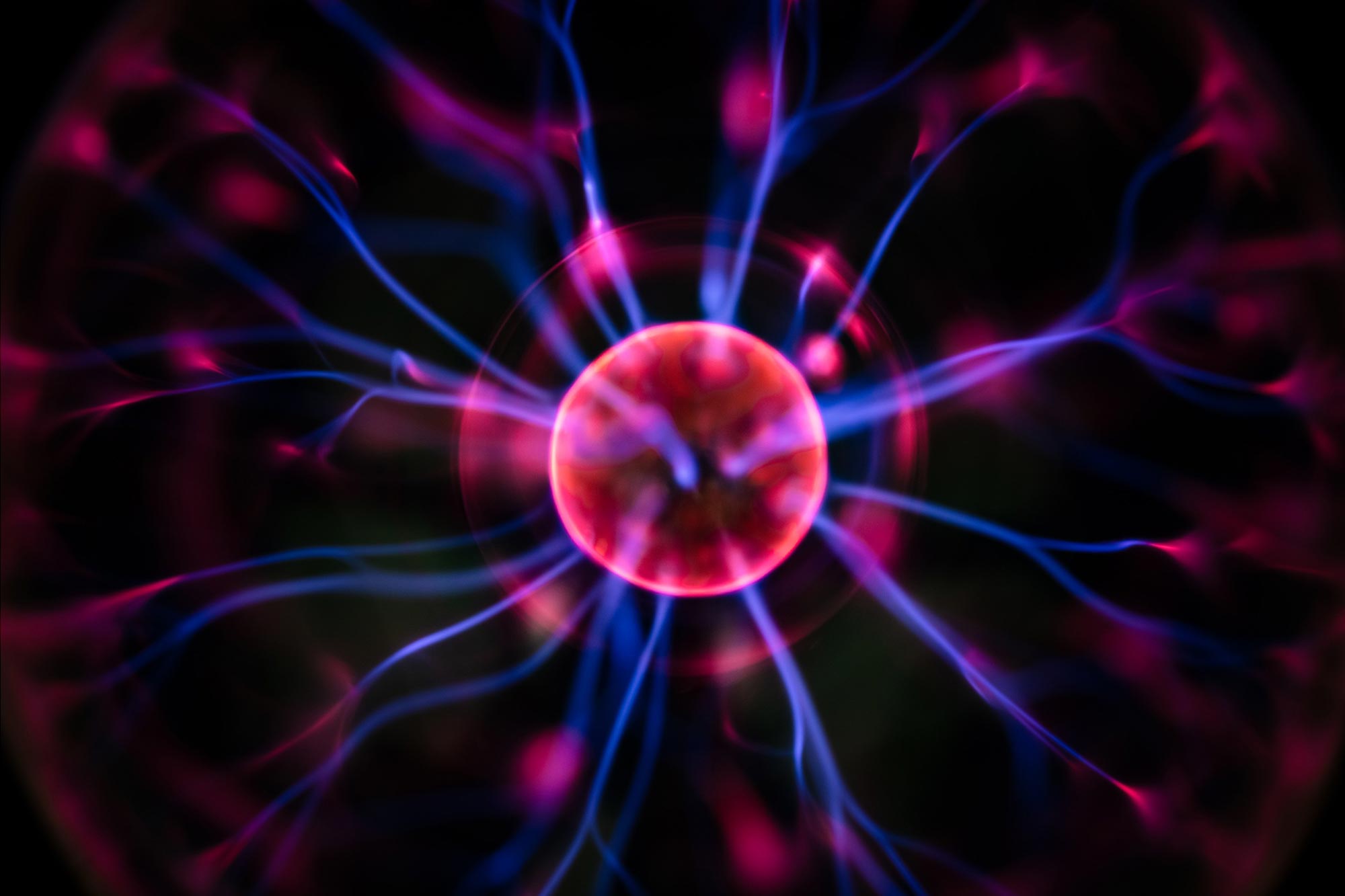
Imagine a star not as a passive object, but as a colossal, self-sustaining engine of pure energy. It's constantly churning, reacting, and emitting. It's the ultimate cosmic rave, and we get to watch the fireworks from a safe distance. Pretty neat, huh?
And thinking of stars as plasma opens up a whole universe of possibilities. Scientists study plasma to understand everything from fusion energy (which could power our future!) to the behavior of black holes. It's a fundamental building block of the universe, and understanding it is like unlocking a secret code.
So, the next time you’re stargazing…
Instead of just seeing distant points of light, try to picture those glowing orbs as magnificent cosmic cauldrons of superheated, energized plasma. Imagine the incredible forces at play within them, the constant dance of charged particles creating the light and heat that travel millions of miles to reach your eyes. It's a much more active, much more alive picture, wouldn't you agree?

It's a reminder that the universe is not just big, it's also incredibly energetic and alive. The same stuff that makes up the stars is also present in lightning, in neon signs, and even in the fluorescent lights above your head (though, thankfully, not quite as intense!).
This connection, this shared substance, can make us feel a little less alone in the vastness of space. We are, in a very real sense, made of stardust. And knowing that stardust is actually plasma? That just adds another layer of awesome to the story.
It encourages curiosity. It makes you want to ask more questions. Like, how hot does gas have to get to become plasma? What are the different kinds of plasma? How do scientists create and control plasma here on Earth?

These aren't just dry, academic questions. They're pathways to understanding the fundamental forces that shape our reality. They're the first steps in exploring the incredible wonders of the cosmos.
So go ahead, peek out your window tonight. Look up at those dazzling celestial bodies. And remember: they're not just distant fires. They're vibrant, pulsating beacons of plasma, a testament to the universe's boundless energy and its endless capacity for wonder. And that, my friends, is pretty darn inspiring.
Keep looking up, keep asking questions, and never stop marveling at the incredible, plasma-filled universe we call home!