
After Pollination Where Does A Seed Grow In A Flower
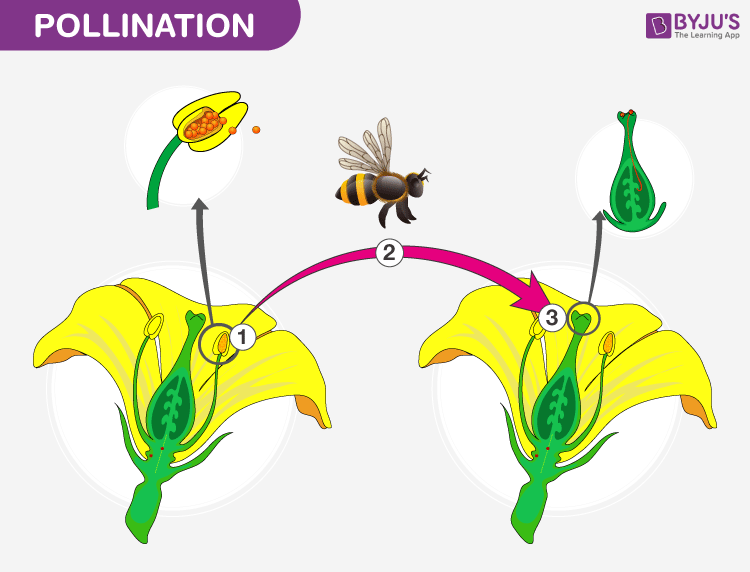
Alright, pull up a chair, grab your latte, and let’s spill the tea – or, you know, the nectar – on what happens after a flower gets a little… flirtatious. You know, when the bees have done their buzzing, the wind has done its whispering, and the pollen has found its soulmate. So, where does this whole “seed growing” shindig actually go down in a flower? It’s not like there’s a tiny little nursery tucked away in a petal, right?
Well, buckle up, buttercups, because it’s a surprisingly intimate affair. Think of the flower as a fancy restaurant with a very specific kitchen. First, you’ve got your main act, the pistil. This is the lady of the house, and it’s usually smack-dab in the middle, looking all dignified. The pistil isn’t just one thing; it’s got a whole squad:
The Pistil Posse:
- The Stigma: This is the sticky-outy bit at the very top. Think of it as the welcome mat, or maybe the bouncer at the exclusive pollen club. It’s often a bit fuzzy or waxy, designed specifically to catch those adventurous pollen grains. If it’s not sticky, how else is it supposed to grab that wandering dust bunny of reproduction?
- The Style: This is the stalk that connects the stigma to the… well, the good stuff. It’s like the hallway leading to the VIP lounge. It’s usually pretty straightforward, but some flowers have ridiculously long styles, making it a real trek for that pollen. Imagine a pollen grain having to run a marathon just to get to its destination!
- The Ovary: And here we are, folks, the grand finale! This is the big cheese, the mother lode, the real kitchen where all the magic happens. It’s usually at the base of the pistil, kind of like a swollen little balloon. And guess what’s hiding inside this ovary? Tiny little things called ovules.
Now, those ovules? They’re basically the unfertilized eggs of the plant world. And when a compatible pollen grain, after a daring journey down the style, finally lands on the stigma and makes its way to an ovule… BAM! Fertilization happens. It’s like the ultimate blind date that actually, you know, works out.
Once that little pollen grain has successfully wooed an ovule, the ovary starts to get really busy. It’s like the chef in the kitchen is suddenly churning out a gourmet meal. The ovary itself will start to grow and mature, and guess what it turns into? A fruit!
Yep, that juicy apple you’re munching on? That sweet strawberry? That weirdly spiky pineapple? All of them are just fancy, ripened ovaries that did their job beautifully. It’s kind of a wild thought, isn’t it? We’re out here enjoying a delightful snack, and it’s actually the reproductive organ of a plant showing off its success.
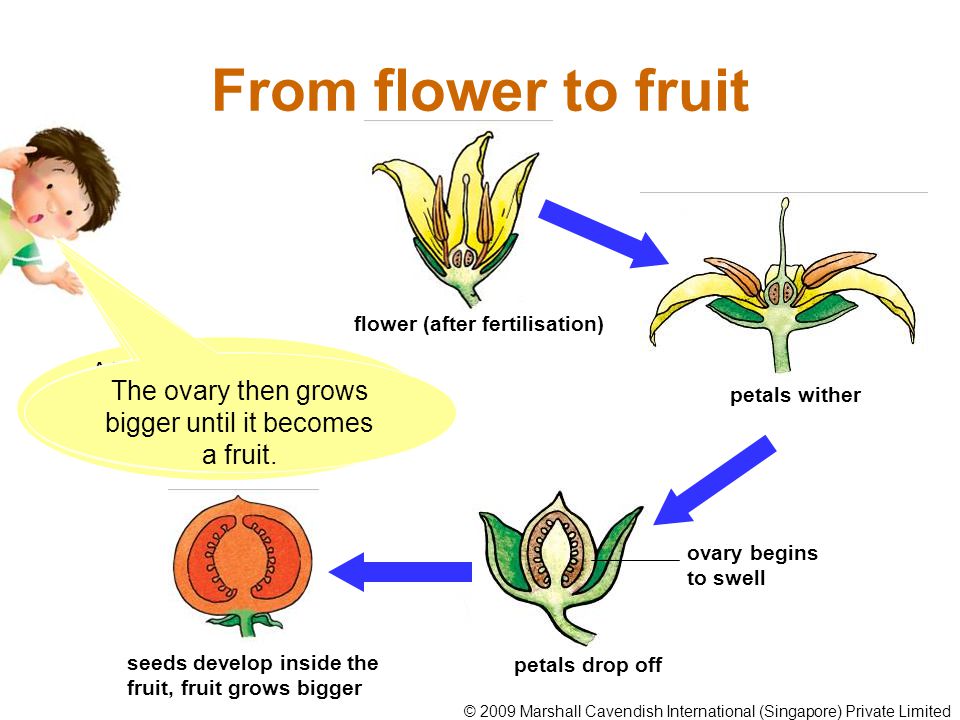
And inside that fruit, snug as a bug in a rug, are the seeds. Each seed is basically a little package deal, containing a tiny, dormant baby plant (called an embryo) and a yummy food supply to keep it alive until it’s ready to sprout. It’s like a prenatal vitamin and a tiny lunchbox all rolled into one. Talk about self-sufficiency!
So, the seed doesn’t grow in the flower in the sense that a baby grows in a womb. Rather, the flower, specifically the ovary part of the pistil, develops into the fruit that contains the seeds. The seed is the result of the flower’s efforts, not a resident living there before the party started.
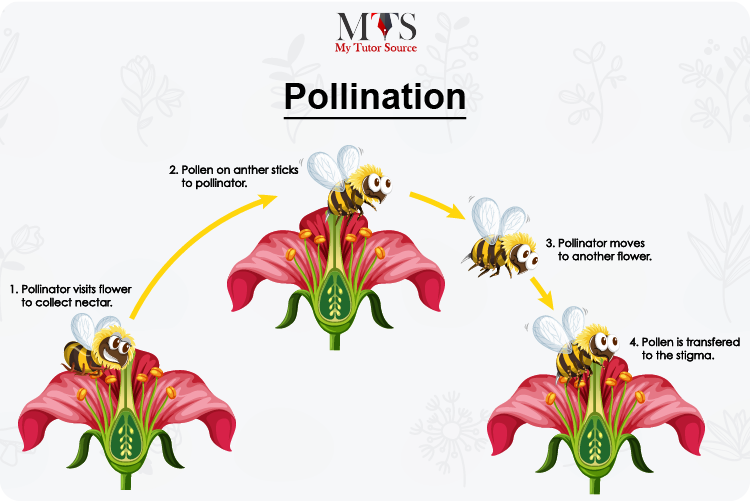
Think of it like this: the flower is the venue for the ultimate matchmaking event. The stigma is the red carpet. The style is the VIP walkway. The ovary is the banquet hall where the successful couples (pollen and ovule) get together. And the resulting fruit? That’s the party favor, filled with the next generation!
It’s a pretty brilliant system, if you ask me. The fruit often entices animals to eat it. And when those animals, after a delightful fruit-fueled feast, wander off and… well, do their business, they’re essentially planting those seeds in a new location. It’s nature’s version of a long-distance relationship with a delivery service.

And the seeds themselves? They can be absolute troopers. Some are tiny and floaty, hitching rides on the wind. Others have little hooks, ready to snag a passing furry creature. Some can even survive for ages, just waiting for the perfect conditions to say, "It's go time!" I once heard a story about seeds found in an ancient tomb that actually sprouted. Imagine your history textbook suddenly growing into a tiny, ancient oak! That’s some serious staying power.
So, next time you see a pretty flower, remember the intricate dance that’s just beginning, or has already happened. It's not just about looking pretty (though they do that exceptionally well). It’s about the serious business of making more flowers, more fruits, and more of those incredible little seed packages that keep the whole green world going. It’s a cycle of life that’s way more exciting than your average office meeting, and a lot more delicious when it involves fruit!