
Alkali Metals In The Periodic Table
Hey there, fellow explorers of the everyday! Ever feel like some things in life just… work? They’re reliable, a little bit flashy, and totally essential, even if you don’t always think about them. Well, get ready to meet a group of elements that are basically the rockstars of the periodic table, living that easy-going, yet incredibly active, lifestyle: the Alkali Metals.
You might have heard of some of these guys – maybe Lithium in your phone battery, or Sodium in your everyday table salt. But these aren't just random names in a science textbook. They're a whole family with a shared vibe, and understanding them is surprisingly… chill. Think of them as the effortlessly cool cousins of the periodic table, always ready to mingle and make things happen.
The "Always Ready to Party" Crew
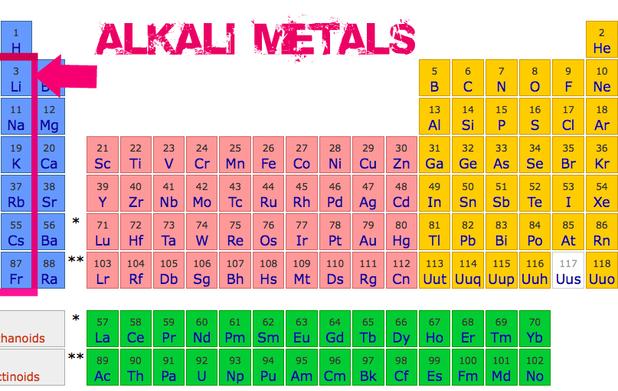
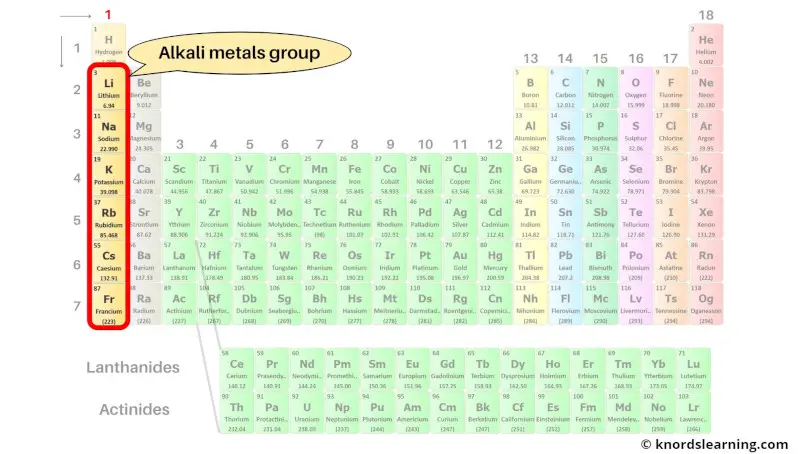
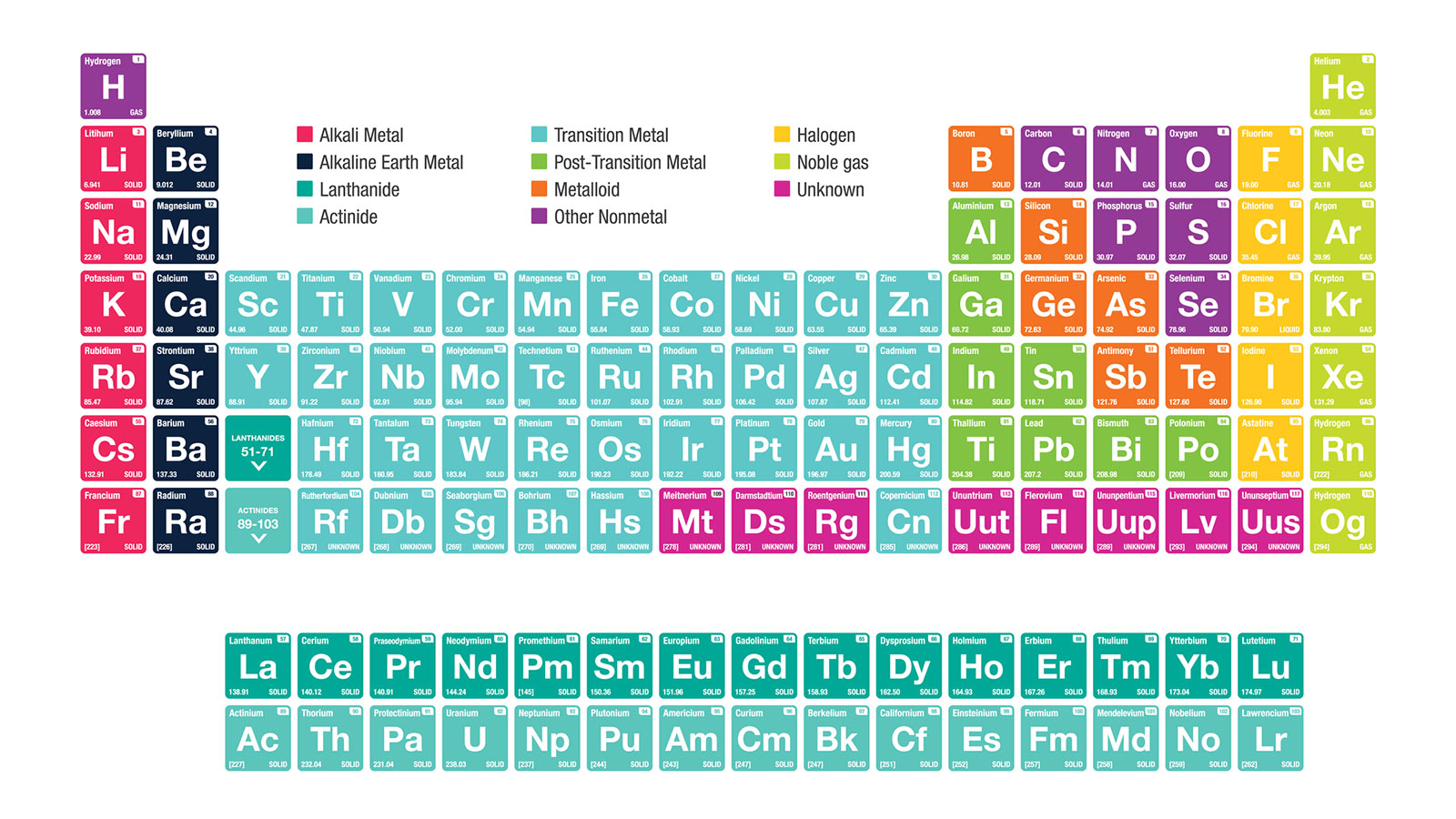
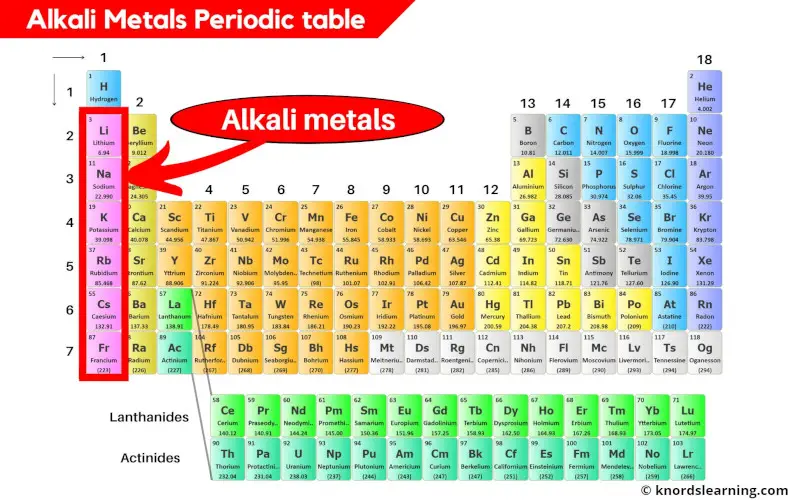
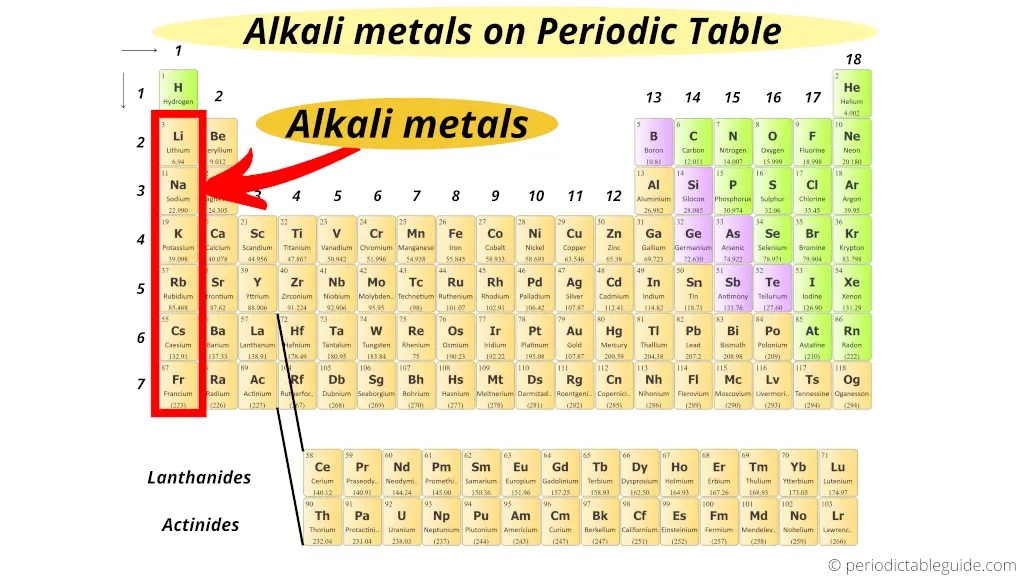
So, what makes these Alkali Metals so special? For starters, they're all in Group 1 of the periodic table, sitting pretty right at the edge. This position means they have a single, lonely electron in their outermost shell. And this little guy? It’s basically begging to be shared. They're highly reactive, meaning they don't like to be alone and are always eager to bond with other elements.
Imagine them as super-social butterflies at a party, always the first to strike up a conversation. This tendency to give away their electron is what makes them so useful in countless applications, from powering your gadgets to keeping you alive.
Lithium: The Tiny Titan
Let’s start with the smallest and arguably the trendiest of the bunch: Lithium (Li). This element is like the minimalist chic of the alkali metals. It’s lightweight, energetic, and powers our modern world.
Think about your smartphone, your laptop, your electric car. All thanks to Lithium-ion batteries. It’s the quiet powerhouse behind our digital lives. Without Lithium, your Netflix binge sessions might be a lot shorter!
Fun Fact: Lithium is so light that a block of it the size of a small suitcase could theoretically float on water, but please, don't try this at home! Its reactivity is legendary.
Practical Tip: While you can't get Lithium at your local grocery store, understanding its importance might make you appreciate your devices a little more. And hey, if you’re looking to switch to an electric vehicle, you’re directly supporting the demand for this amazing element!
Sodium: The Salt of the Earth (Literally!)
Next up, we have Sodium (Na). This is probably the alkali metal you're most familiar with. It’s the 'Na' in NaCl – that's right, table salt!
But here’s the mind-blowing part: pure Sodium metal is a silvery, soft solid that reacts violently with water, producing hydrogen gas and enough heat to ignite it. So, the same element that makes your fries taste amazing is, in its pure form, a bit of a drama queen. This is the magic of chemical bonding – elements transform when they join forces.
Cultural Reference: From ancient trade routes for salt to the saying "worth his salt," this element has been intertwined with human history and civilization for millennia. It was even once a precious commodity, more valuable than gold in some cultures!
Fun Fact: Your body actually needs Sodium to function! It’s crucial for nerve impulses, muscle contractions, and maintaining fluid balance. So, while you don't want to eat pure Sodium, a little bit of it in salt is essential for staying alive. It's all about balance, right?
Practical Tip: Be mindful of your Sodium intake. Too much can be detrimental to your health, but a little is vital. Read food labels and aim for moderation. It’s a perfect example of how even the most reactive elements can be beneficial when controlled.
Potassium: The Heartbeat Helper
Moving along, we encounter Potassium (K). This is another essential mineral for our bodies, often found in bananas (which is why they’re considered a healthy snack!).
Potassium plays a huge role in keeping your heart beating and your muscles contracting. It’s like the internal conductor of your body's orchestra, ensuring everything stays in rhythm.
Cultural Reference: Bananas have been a symbol of tropical paradise and healthy living for ages. Think of them as nature's little energy bars, packed with Potassium and good vibes.
Fun Fact: Potassium has a radioactive isotope, Potassium-40, which is naturally present in all living things. Yes, that means you are slightly radioactive, but in a completely harmless, natural way! You're basically glowing with life.
Practical Tip: If you're feeling a bit sluggish or experiencing muscle cramps, adding more Potassium-rich foods like bananas, spinach, or sweet potatoes to your diet might be helpful. It's a simple, natural way to support your body's electrical system.
The Rest of the Gang: Rubidium, Cesium, and Francium
While Lithium, Sodium, and Potassium are the most well-known, the Alkali Metal family extends further. We have Rubidium (Rb) and Cesium (Cs), which are even more reactive than their lighter cousins. These guys are less common in everyday life but have some cool applications.
Cesium, for instance, is used in atomic clocks, the most accurate timekeeping devices known. They're so precise that they'll only lose a second over millions of years! Talk about having your life together.
Fun Fact: Cesium is so reactive that it can ignite spontaneously in air and reacts explosively with water. It's often stored in oil or vacuum-sealed containers to keep it from reacting.
And then there's Francium (Fr). This element is incredibly rare and highly radioactive, with its longest-lived isotope lasting only about 22 minutes. It’s the shyest, most fleeting member of the Alkali Metal family, and scientists mainly study it in tiny amounts.
Why They're So Reactive: The Electron's Tale
Let’s revisit that single electron in their outer shell. It's like having one lonely sock that’s desperately trying to find its mate. To achieve a stable, happy state (like the noble gases, who have full outer shells), Alkali Metals are eager to lose that electron to any element willing to take it.
This "give-away" nature is what makes them such excellent reducing agents – they readily donate electrons in chemical reactions, helping other substances get reduced. It's the ultimate act of generosity in the chemical world!
Imagine a chemist as a matchmaker, bringing together Alkali Metals with elements that need electrons, like the halogens (think Chlorine, found in salt). The reaction is often vigorous and produces stable compounds.
More Than Just Chemistry Class
So, why should you, the person enjoying a perfectly brewed cup of coffee or scrolling through social media, care about Alkali Metals? Because their reactivity, their ability to bond and transform, is fundamental to so much of our modern existence.
From the vibrant colors in fireworks (some use Lithium for red or Cesium for blue!) to the production of crucial chemicals and the batteries that power our devices, Alkali Metals are the unsung heroes.
Fun Fact: Certain alkali metal salts give off distinctive colors when heated, a phenomenon used in flame tests in chemistry labs. Lithium gives a bright red, Sodium a brilliant yellow, and Potassium a lilac hue. It's like a mini fireworks display in a test tube!
A Lifestyle of Essential Interaction
The Alkali Metals live a lifestyle of constant, dynamic interaction. They’re not content to exist in isolation. Their very nature is to engage, to react, to become part of something new and often, something incredibly useful.
Think about it: we, too, thrive on connection. We form relationships, we collaborate, we build communities. Just like Lithium finding its perfect electron partner to power a device, we find strength and purpose in connecting with others.
The ease with which these elements shed their electron speaks to a kind of effortless generosity. While we might not be shedding electrons, we can certainly take inspiration from their willingness to contribute. Whether it's lending a hand, sharing an idea, or simply offering a kind word, our own "reactions" with others create the vibrant, functional tapestry of our daily lives.
So, the next time you charge your phone, sprinkle salt on your food, or even just feel your own heartbeat, spare a thought for the Alkali Metals. They’re out there, living their flashy, reactive, and utterly essential lives, making the world, well, work.