
All Areas Ruled By Charles V And The Habsburg Family

Ever heard of someone who basically ruled, like, everything? Well, buckle up, because we're about to dive into the wild, sprawling world of Charles V and his super-famous family, the Habsburgs. Imagine getting handed the keys to not just one kingdom, but a whole bunch of them, all at once. Sounds like a pretty epic video game quest, right?
So, who was this Charles V guy, anyway? Think of him as the ultimate "gamer" of his time, inheriting a massive amount of territory through a crazy mix of marriages and good old-fashioned luck (or strategic planning, depending on how you look at it). He was the Holy Roman Emperor, which was a pretty big deal back then, sort of like being the ultimate boss of a bunch of European states. But that was just the tip of the iceberg!
His empire wasn't just a little chunk of Europe. Oh no. We're talking about lands in what is now Spain, Italy (including the wealthy kingdom of Naples!), the Netherlands, parts of Austria, and a whole lot more. It was so vast, they say the sun never set on his empire. Pretty wild to think about, right? Like having a whole continent as your backyard.
And it wasn't just Europe. Through his Spanish inheritance, Charles V also got a slice of the newly discovered Americas. Yep, we're talking about vast territories in what's now Mexico and Peru. So, this guy was ruling over lands across two continents. Talk about a global superpower!
How did one family manage to snag so much? Well, the Habsburgs were masters of the marriage game. They played the long game, forming alliances and marrying into other powerful families. It was like building a massive family tree where every branch led to another crown. Seriously, their motto was something like "Bella gerant alii, tu felix Austria nube" – let others wage war, but you, happy Austria, marry!
So, let's break down some of the key areas where Charles V and the Habsburgs left their mark. It's a fascinating peek into a time when borders were a lot more fluid and a single ruler could wield immense power.
The Spanish Crown and Its Global Reach
When we talk about Charles V, it's impossible to ignore his Spanish heritage. He inherited the crowns of Castile and Aragon, which made him the King of Spain. This was a huge deal, especially with the Age of Exploration in full swing. Spain was leading the charge in discovering and colonizing new lands.
Think of all those conquistadors you've probably heard about – Cortés in Mexico, Pizarro in Peru. Their expeditions were happening under the Spanish crown, which meant Charles V was indirectly in charge of these massive new territories. The riches flowing back from the Americas, like silver and gold, helped fund his armies and his ambitious projects across Europe.
It's kind of like how today, a big corporation might have subsidiaries all over the world, generating revenue from different markets. Except this was on a grand scale, with empires and vast oceans in between. The sheer scale of it is mind-boggling.
The Holy Roman Empire: A Patchwork Quilt
This is where things get a little more complicated, but also really interesting. The Holy Roman Empire wasn't a unified country like modern Germany. It was more of a collection of hundreds of semi-independent states – duchies, principalities, bishoprics, and free imperial cities. And Charles V was elected as its Emperor.
Imagine being the principal of a huge university where each department has its own dean, its own budget, and its own traditions, but they all report (in theory) to you. That was kind of Charles's job. He had to juggle the interests of all these different rulers, from princes in the north to lords in the south.
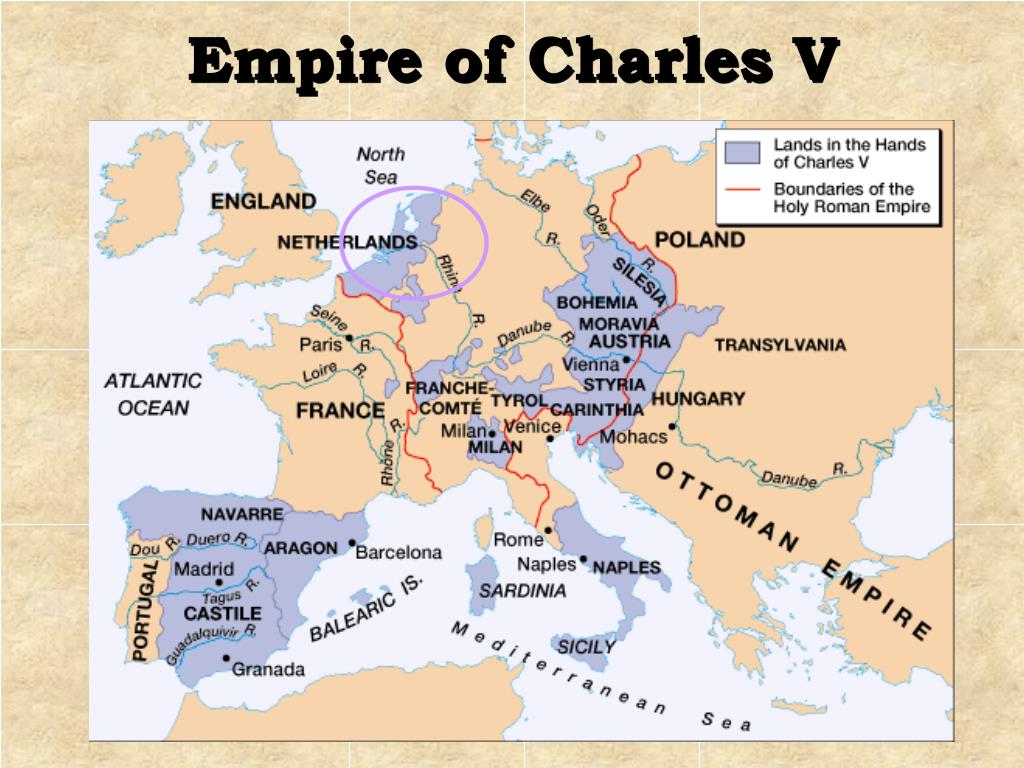
His goal was often to maintain a semblance of unity and defend Christendom from external threats, like the Ottoman Empire. But it was a constant balancing act, dealing with internal rivalries and the growing power of individual rulers.
The Italian States: A Constant Battleground
Italy, back then, wasn't one unified country either. It was a collection of independent city-states and kingdoms, each with its own rivalries and ambitions. And many of these were either directly ruled by the Habsburgs or were heavily influenced by them.
Charles V controlled the Kingdom of Naples, Sicily, and Sardinia, which were crucial territories for controlling the Mediterranean. He also had significant influence in other parts of Italy, leading to frequent conflicts with rivals like France, who also wanted a piece of the Italian pie.
So, while he might have been the "Emperor," his control over Italy was often hard-won and contested. It was a bit like a high-stakes chess game, with Italy as the central board.

The Netherlands: The Jewel in the Crown (and a Headache!)
The wealthy and prosperous Low Countries (modern-day Netherlands, Belgium, and Luxembourg) were also a significant part of Charles V's inheritance. These were vibrant centers of trade and culture, and they brought in a lot of revenue.
However, ruling over a population with a strong sense of local identity and burgeoning ideas about self-governance wasn't always easy. The Dutch would eventually go on to rebel against his son, Philip II, leading to the Eighty Years' War. So, while a part of his empire, the Netherlands also represented a growing challenge to Habsburg authority.
It's a classic example of how even the most powerful rulers can face resistance from the people they govern. Imagine owning a massive franchise of popular cafes, but each one has its own unique local flavor and a strong desire to make its own decisions.
Habsburg Inheritance: More Than Just Charles
It's important to remember that Charles V was just one, albeit a very significant, figure in the long history of the Habsburg dynasty. This family ruled for centuries, and their territories shifted and changed.

After Charles V, the vast empire was actually split between his son, Philip II, who inherited Spain and its overseas territories, and his brother, Ferdinand I, who inherited the Austrian lands and became Holy Roman Emperor. But both branches continued to wield considerable power.
The Habsburgs continued to rule Spain until the early 18th century, and the Austrian branch remained a major European power until the end of World War I. Their legacy is stamped all over European history, art, and politics.
Why is it Cool to Know About This?
Because it shows us just how interconnected the world was, even centuries ago. The decisions made by Charles V and his family had ripple effects across continents.
It’s also a fascinating look at the evolution of power and governance. From feudal loyalties to the beginnings of national identity, this period was a crucible of change.
And let's be honest, who doesn't love a story about someone who inherited so much? It's like the ultimate "rags to riches" story, except they started with riches and just kept piling them on! It’s a reminder that history is full of larger-than-life characters and empires that shaped the world we live in today. So next time you're looking at a map of Europe, or even the Americas, remember the vastness of the Habsburg reach!