
All Of The Transition Metals
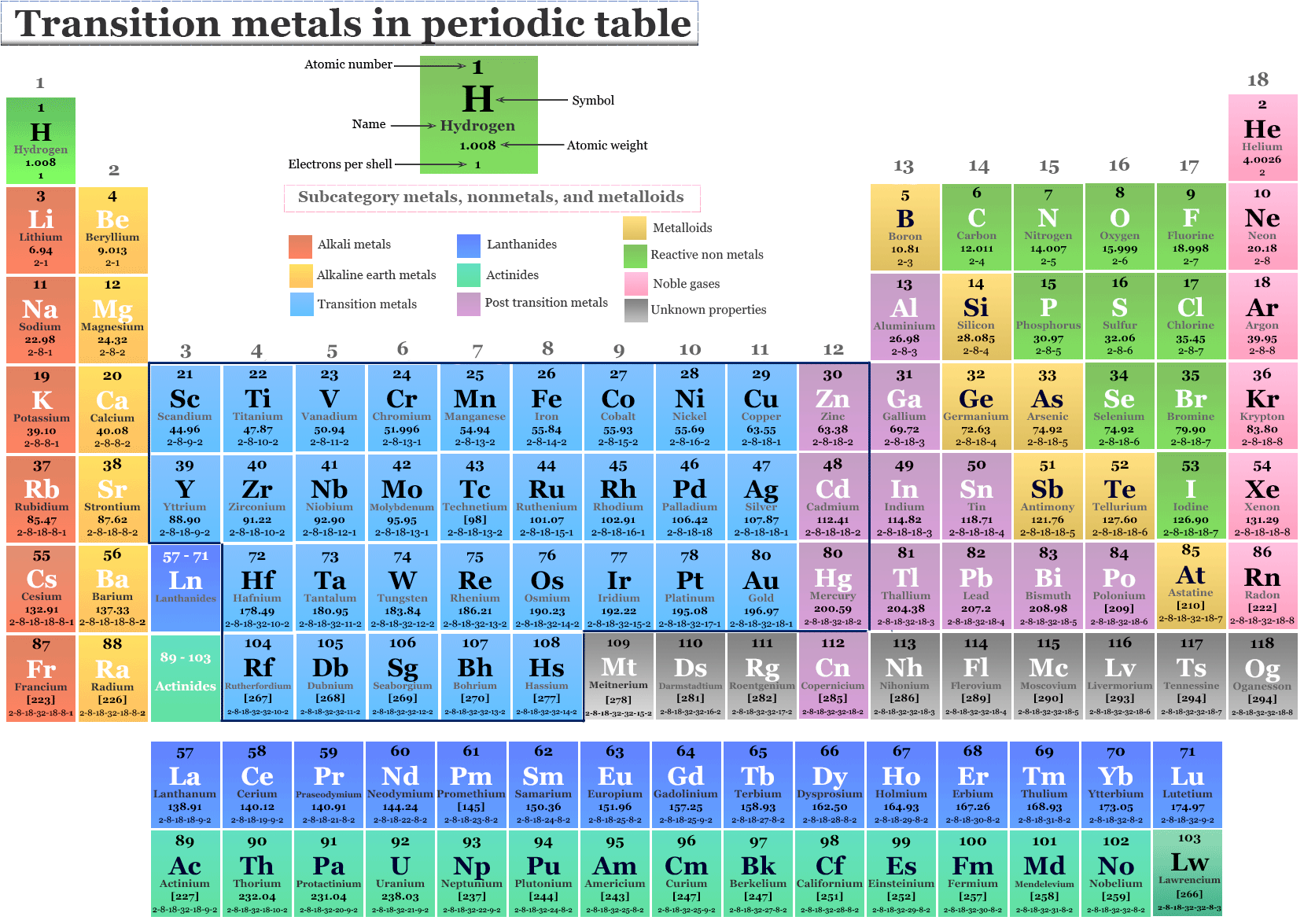
Ever find yourself staring at a shiny new smartphone or admiring a sturdy bridge, and then wondering, "What's the magic behind all this stuff?" Well, buckle up, because we're about to take a casual stroll through the fascinating world of transition metals. Don't let the fancy name scare you; these guys are the unsung heroes of our everyday lives, the ones who quietly make so much of what we take for granted possible.
Think of them as the rockstars of the periodic table. While the alkali metals are like the enthusiastic but a bit too reactive newcomers, and the noble gases are the aloof cool kids who prefer to be left alone, the transition metals are the seasoned performers. They're a big, diverse bunch, occupying that central chunk of the periodic table. And their superpower? They're incredibly versatile. They love to bond with other elements, form colorful compounds, and generally be useful in all sorts of ways.
Let's start with a familiar face: iron. Yes, the very same stuff that makes your cast-iron skillet so wonderful for searing steaks and the backbone of skyscrapers that reach for the sky. Without iron, our world would literally crumble. Imagine a world without cars, trains, or even sturdy furniture. It’s a bit bleak, right? Iron is like the dependable friend who's always there, strong and reliable, holding things together.
Then there's copper. That warm, reddish-brown gleam you see in old coins, decorative pipes, and those surprisingly flexible wires that power your home. Copper is a fantastic conductor of electricity. It’s why your lights turn on, your computer hums, and your charging cable actually works! It’s like the internet of the elemental world, allowing energy to flow freely and efficiently.
Think about your kitchen for a second. See that shiny pot or pan? Chances are, it's made of or contains some transition metals. Nickel, for instance, is often blended with iron and chromium to make stainless steel. That's why your cutlery doesn't rust and your kitchen sink stays looking spick and span. It's the quiet guardian against tarnish and corrosion, keeping our everyday items looking good and lasting longer.

And what about color? Ever wonder why some fireworks explode in dazzling blues and greens, or why certain paints are so vibrant? That’s often the work of transition metal compounds. Chromium, when it’s not making steel, can give us that brilliant emerald green. Cobalt is responsible for some of the most stunning blues you've ever seen, from ancient pottery glazes to the vibrant hues in stained glass windows. These metals aren’t just functional; they’re artists, painting our world with a kaleidoscope of colors.
Let’s move on to the tiny but mighty. Zinc. You might know it from sunscreen, protecting your skin from the sun's harsh rays. But it’s also used to galvanize steel, like coating nails and fences to prevent them from rusting. It’s like giving our everyday metal objects a little shield, a protective layer so they can face the elements without falling apart.
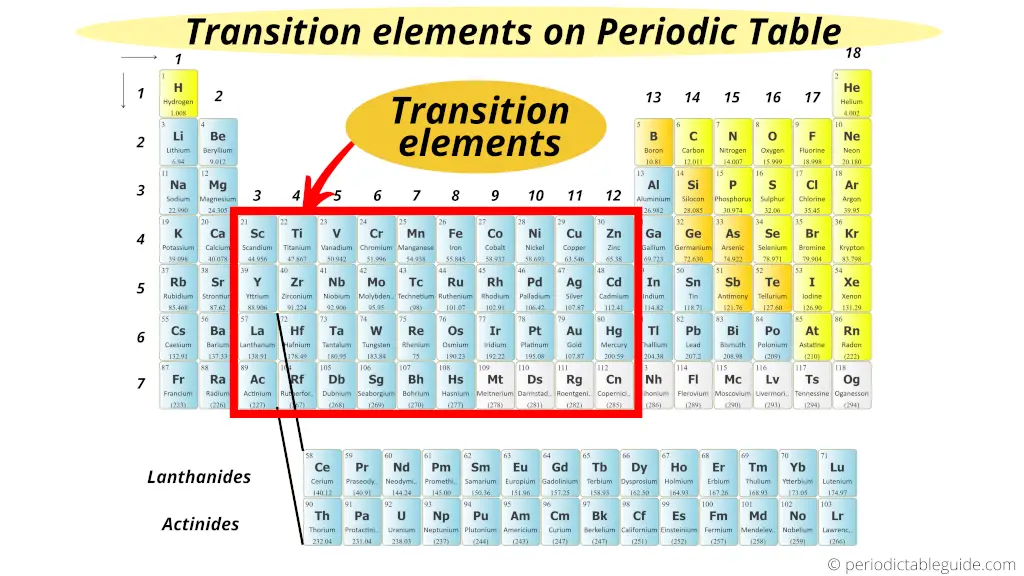
And then there’s gold and silver. Ah, the precious ones! We adorn ourselves with them, use them in jewelry, and even in some high-tech electronics because of their excellent conductivity and resistance to corrosion. They’re the showstoppers, the elements that have captivated humans for millennia, not just for their beauty but also for their unique properties. They’re like the celebrities of the transition metal world – everyone knows them and admires them!
But it's not just about the shiny stuff. Many transition metals are absolutely crucial for life itself. Take manganese, for example. It plays a vital role in various biological processes, helping enzymes do their jobs. It’s like a tiny, essential cog in the massive machinery of our bodies, working behind the scenes to keep everything running smoothly.
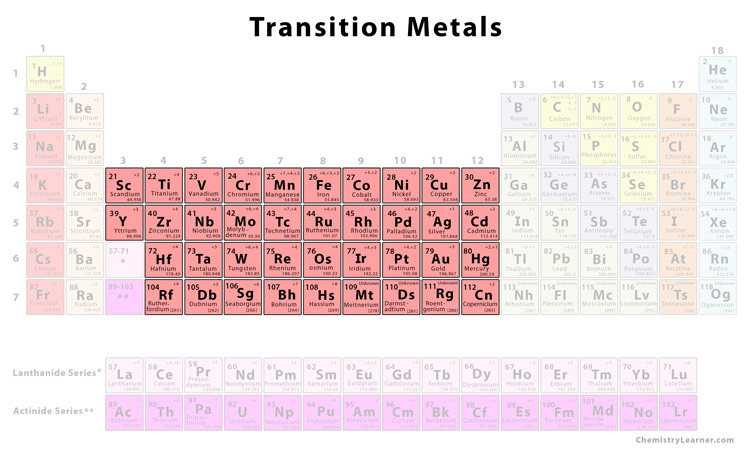
And what about those vibrant red colors in our blood? That’s thanks to iron again, specifically in hemoglobin. This amazing protein carries oxygen all around your body. So, every breath you take, every bit of energy you have, owes a huge debt to this fundamental transition metal. Iron isn't just in bridges; it's in you, keeping you alive!
Even the metals you might not immediately think of are important. Titanium, for instance, is incredibly strong and lightweight. It’s used in aircraft, medical implants (like artificial hips and knees), and even high-performance sports equipment. It’s the superhero of metals, strong enough for demanding jobs but light enough to keep things moving.

The transition metals are a bit like a talented orchestra. Each instrument has its unique sound and role, but together, they create something truly magnificent. Iron provides the steady bassline, copper the vibrant melody, and the others add the colorful harmonies and percussive beats. Without any of them, the music of our modern world would be incomplete.
So, why should you care about these elements with names like "scandium" or "vanadium" that you might not encounter every day? Because they are the invisible architects of our comfort and progress. They build our homes, power our gadgets, heal our bodies, and paint our world with beauty. They are the workhorses, the artists, and the essential building blocks of so much that we experience.
Next time you’re admiring a stainless steel appliance, using your phone, or even just enjoying the color of something, take a moment to appreciate the incredible journey of these transition metals. They’re not just dots on a chart; they are the very fabric of our modern existence, quietly making life more functional, beautiful, and full of possibilities. They truly are the champions of the everyday!