
Aluminum Boat In Salt Water

Alright, gather 'round, you landlubbers and salty dogs alike! Let's talk about something that might sound as exciting as watching paint dry, but trust me, it's got more drama than a seagull fighting over a french fry. We're diving headfirst – or maybe just dipping our toes – into the murky, bubbly world of aluminum boats and saltwater.
Now, you might be thinking, "Aluminum? Isn't that the stuff they wrap our sandwiches in?" And you'd be partly right! It's also the stuff that makes those sleek, speedy boats that zip across the ocean like metallic dolphins on a caffeine buzz. But put that shiny aluminum hull in the big, briny drink for too long, and things can get a little... complicated. Think of it as an unwelcome party guest that just won't leave, and it's bringing its sketchy friends.
The Saltwater Smackdown: Aluminum vs. The Brine
So, what's the deal? Saltwater is, shall we say, a tad bit more aggressive than your average tap water. It's got salt, obviously, and a whole bunch of other dissolved minerals that are just itching to get into a chemical relationship with pretty much anything they can find. And poor old aluminum, bless its shiny heart, is a bit of a softie when it comes to this kind of attention.
Imagine this: your aluminum boat is out there, cruising along, having a grand old time. Then, the saltwater comes knocking. It's like a tiny, invisible army of microscopic troublemakers, all geared up to cause a ruckus. They start whispering sweet nothings to the aluminum, saying things like, "Hey there, shiny pal, fancy a bit of a corrosion party?" And before you know it, things start to unravel.
Galvanic Corrosion: The Ultimate Boat Betrayal
This is where things get really interesting, and by interesting, I mean potentially disastrous if you ignore it. It's called galvanic corrosion. Sounds fancy, right? It's basically a superhero movie plot where the hero (aluminum) is being betrayed by its sidekick (another metal).
Here's the simplified version: when two different metals are in contact in an electrolyte – and guess what saltwater is? – they decide to have a little electrical argument. The more "noble" metal sits back and watches, while the less noble metal sacrifices itself, like a kamikaze pilot, to protect its buddy. In our case, the aluminum is often the sacrificial lamb. It's like your best friend suddenly deciding to eat all your pizza so you don't have to. Not ideal, is it?

Think about all the other bits and bobs attached to your boat: stainless steel screws, bronze propellers, even the engine block! If these guys are touching your aluminum hull, and you're floating in saltwater, you've just set up the ultimate metal mosh pit. The aluminum is the one usually taking the brunt of the beating, getting eaten away, bit by bit.
But Wait, There's Good News (Mostly)!
Now, before you start imagining your boat dissolving into a puddle of metallic goo, hold your horses! Modern aluminum boat builders are pretty darn clever. They don't just slap some aluminum together and say, "See ya later!" They've got a few tricks up their sleeves to keep the saltwater hooligans at bay.
First off, proper marine-grade aluminum is a must. It's not the same stuff your soda can is made of, thankfully. These alloys are designed to be a bit more resilient. They might still get annoyed, but they won't throw a full-blown tantrum at the first sign of a salt crystal.
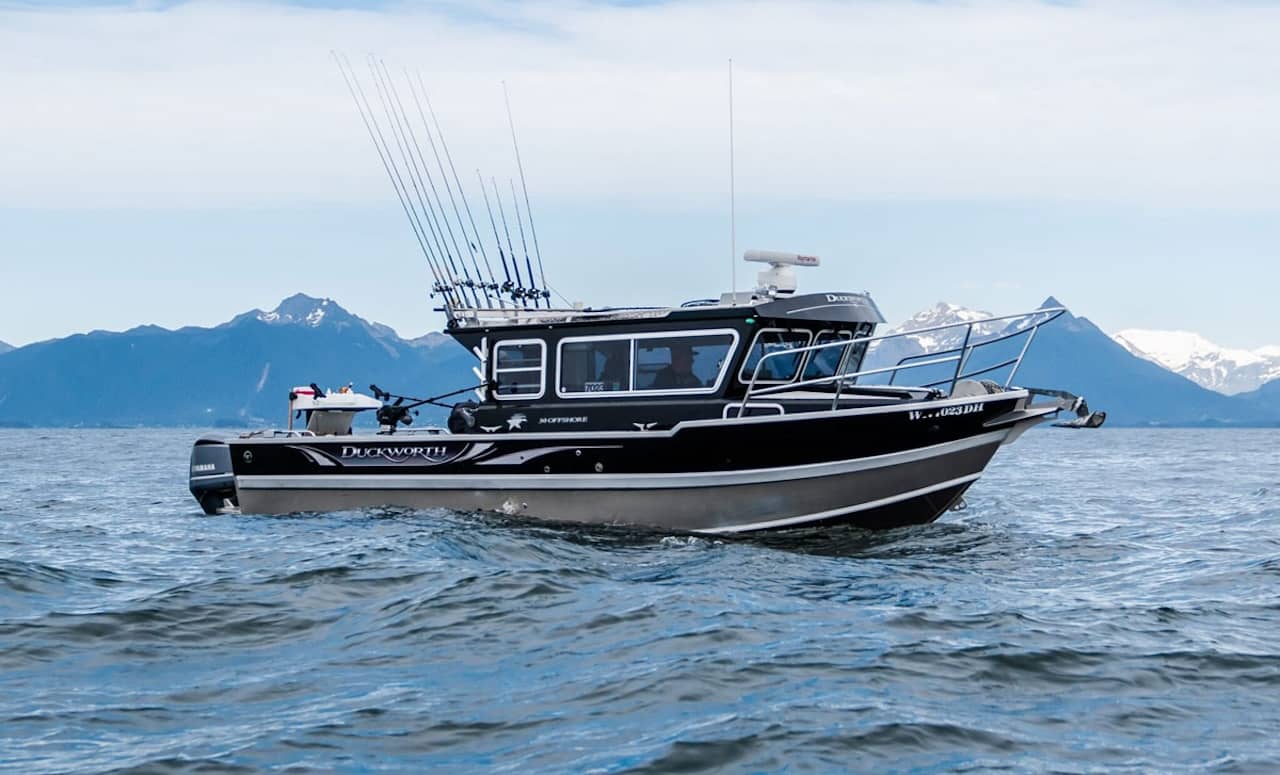
Then there's the magical world of coatings and paint. Think of it as putting a superhero costume on your boat. A good epoxy primer and a high-quality marine paint job create a barrier, a force field, if you will, between the aluminum and the corrosive sea. It’s like a tiny, invisible bodyguard for your hull. This stuff is crucial, folks. Skipping this step is like going into battle without your pants on – not recommended.
The Unsung Heroes: Anodes!
And then, we have the sacrificial anodes. These guys are the real MVPs of saltwater boating. They're usually made of zinc or aluminum (ironic, I know!) and are strategically bolted onto the hull. Their sole purpose in life is to be even more appealing to the corrosive elements than your boat's hull is. They literally sacrifice themselves. It's like a superhero who can absorb all the bad guy's punches so the city stays safe. Pretty noble, huh?
You'll see these little hockey puck-looking things on the bottom of your boat. Don't mistake them for barnacle appetizers! They're working overtime, getting eaten away so your precious aluminum hull doesn't. When they look a bit gnawed on, it's a good sign they've been doing their job. And when they're all gone, it's time to replace them, pronto!
So, Can You Take Your Aluminum Boat in Saltwater?
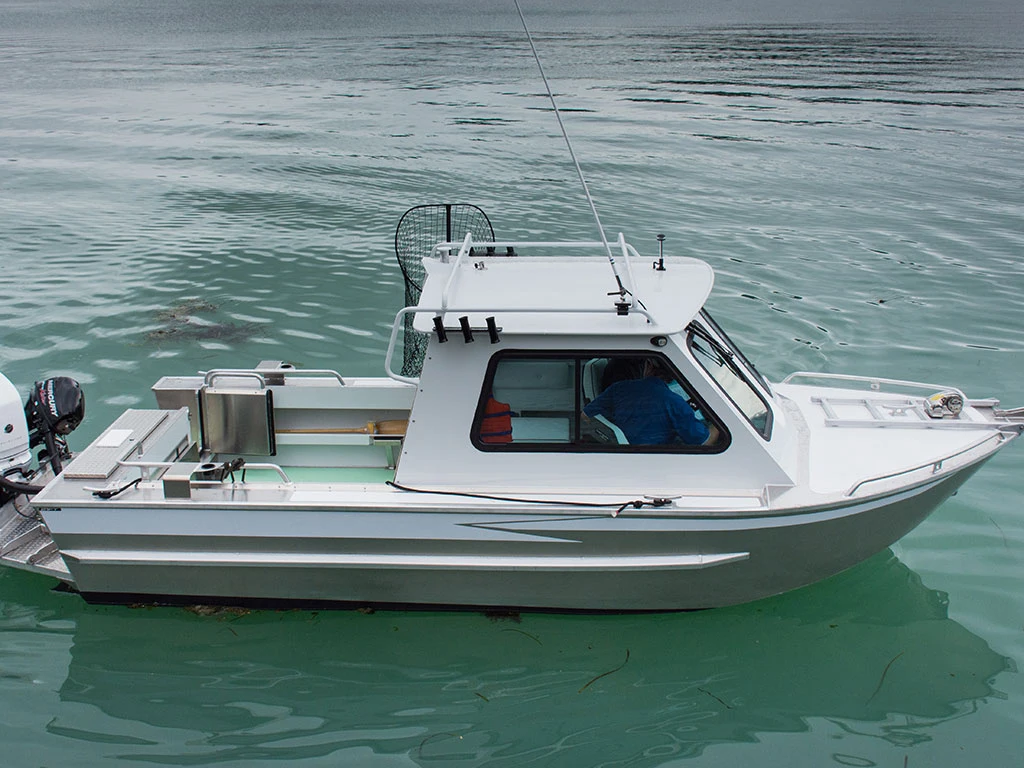
The short answer? Absolutely! Aluminum boats are fantastic for saltwater use. They're lightweight, fuel-efficient, and can be built to handle some serious chop. The key is proper maintenance and understanding. You can't just ignore it and hope for the best. That's like saying you'll never get a parking ticket because you never look at the meter. It's a recipe for disaster.
Regularly rinsing your boat with fresh water after a saltwater excursion is like giving it a refreshing spa treatment. It washes away all those sticky, salty residues that are just waiting to start their corrosive mischief. Think of it as a polite way of telling those saltwater troublemakers, "Thanks for the visit, but you're not invited to stay."
Also, keep an eye on those anodes. They're your early warning system. If they look depleted, get them replaced. It's a small investment that can save you a huge headache (and a hefty repair bill) down the line. And if you're unsure about anything, talk to your boat mechanic. They’ve seen it all, from barnacle infestations to boats that look like they’ve been gnawed on by sea monsters.
The Surprising Truth About Aluminum's Resilience
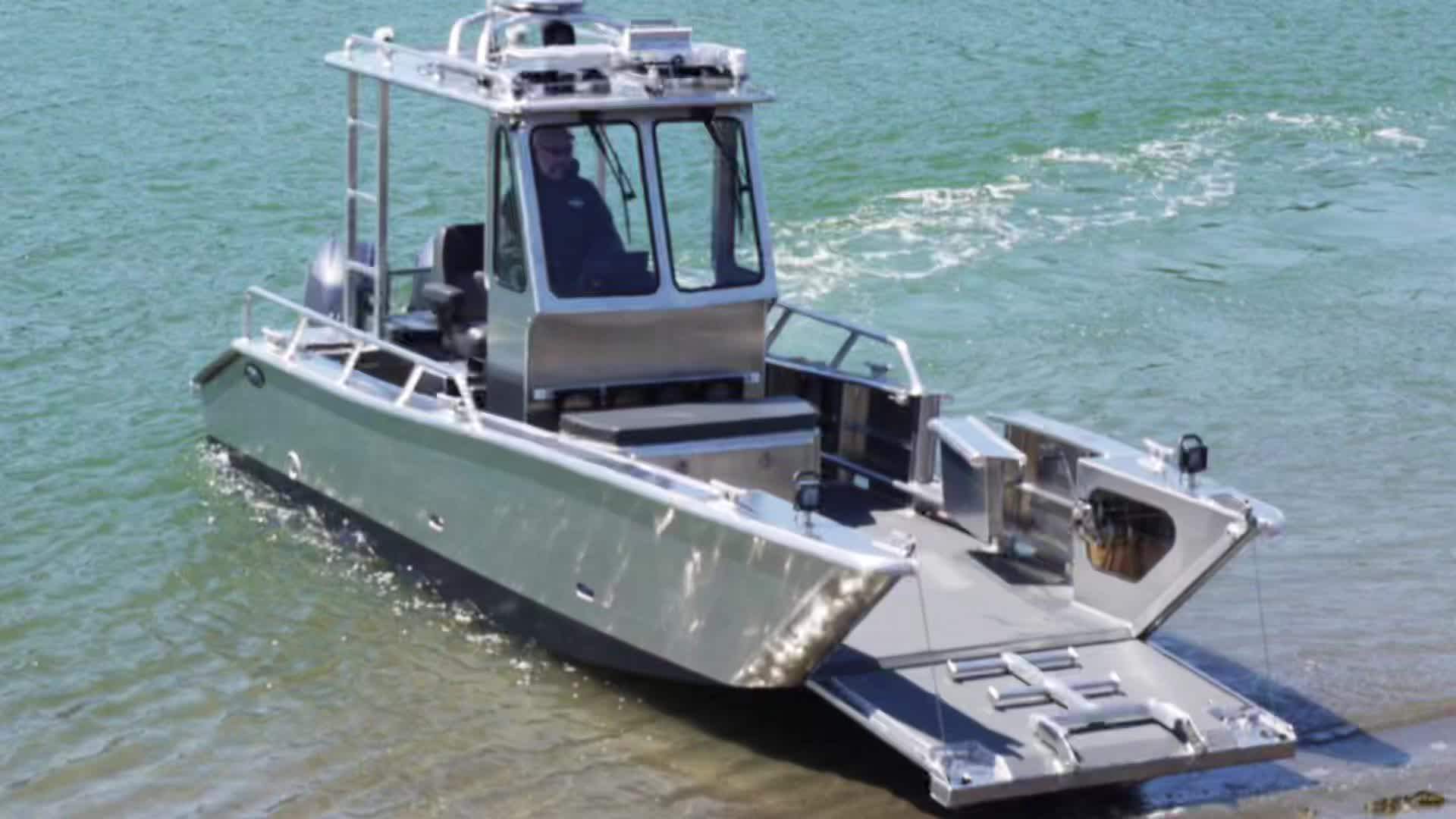
Here's a fun fact: aluminum actually forms its own protective layer when exposed to oxygen. It's called aluminum oxide. This layer is tough and acts as a barrier against further corrosion. It's like the aluminum grew a natural suit of armor! However, in saltwater, this protective layer can be compromised by the relentless assault of those salty villains. That's where the coatings and anodes come in, to reinforce that natural defense.
So, while aluminum might seem delicate, it's got some inherent toughness. It just needs a little help when it decides to hang out with the big, bad saltwater crowd. It's like a pampered poodle who needs a stylish raincoat and a protective doggy sweater before going out in a storm.
In the end, an aluminum boat in saltwater is a beautiful, functional partnership, as long as both parties understand the rules of engagement. Respect the ocean, maintain your vessel, and your shiny aluminum friend will be zipping you across the waves for years to come. Just remember to give it a good rinse, keep an eye on those anodes, and maybe pack some extra sandwich wrap for your lunch. You know, just in case.