
Aluminum Free Baking Powder Vs Baking Powder

Hey there, fellow kitchen adventurers! Today, we're diving into something that might sound a little… well, powdery. But trust me, it's way more exciting than it sounds. We're talking about baking powder! Ever caught yourself staring at the baking powder aisle, utterly confused by the options? Yeah, me too. It’s like a secret code: "Aluminum-Free" versus the good ol' classic. What's the big deal? Is one going to make your cookies sing opera while the other makes them sulk? Let's unravel this mystery, shall we?
So, let’s get down to brass tacks. Baking powder is basically your secret weapon for making things fluffy and airy. Think cakes that aren't dense bricks, muffins that have that perfect little dome, and biscuits that practically float. It's all thanks to a chemical reaction. When baking powder gets wet and then meets heat, it releases carbon dioxide gas. These little bubbles are what give your baked goods that delightful lift. Pretty neat, huh? It's like a mini science experiment happening right in your oven!
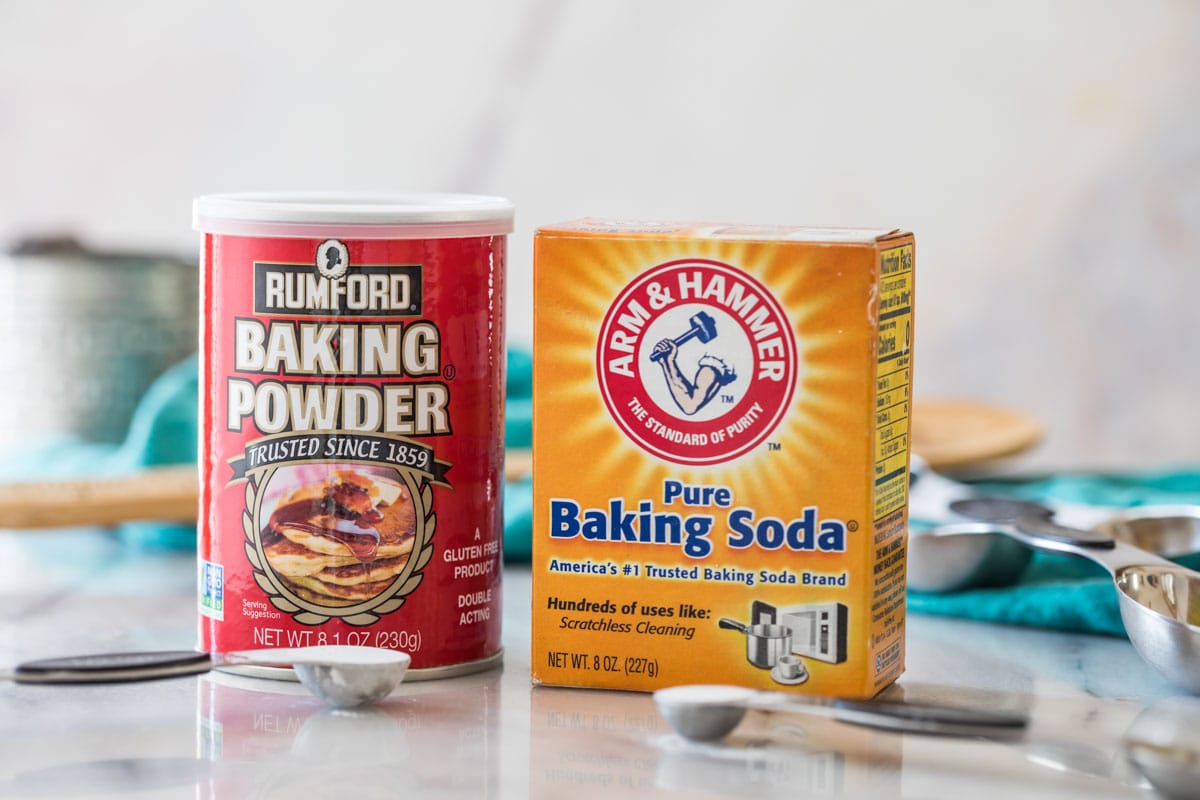
Now, the classic baking powder, the kind you've probably been using for ages, usually contains something called sodium aluminum sulfate. Sounds fancy, right? Well, it’s essentially an acid that reacts with the baking soda (another ingredient in baking powder, along with a starch to keep it from clumping). This reaction, as we mentioned, creates those glorious bubbles. The aluminum part is what makes it a bit… controversial for some folks.
Here's where the "aluminum-free" option swoops in like a superhero in a cape made of puffed pastry. As the name suggests, it doesn't contain aluminum compounds. Instead, it uses different types of acids, like cream of tartar and monocalcium phosphate, to achieve the same leavening magic. So, the science is similar, but the ingredients are a little different. It's like choosing between two equally talented chefs – they both make delicious food, but with slightly different techniques.
Why the fuss about aluminum, you ask? Well, some people believe that consuming aluminum, especially regularly, might have potential health concerns. Now, before you start panicking and tossing out all your baking powder, let's put this into perspective. The amount of aluminum in baking powder is generally considered very small and safe by most food safety authorities. Think of it this way: you’d have to eat a lot of cookies made with traditional baking powder to even get close to worrying levels. It’s not like you’re mainlining aluminum foil here, folks! Still, for those who are particularly sensitive or just prefer to err on the side of caution, the aluminum-free option is a great choice.
Think of it this way: it’s the same reason some people choose organic produce. It's a personal preference, and both options are perfectly valid and will get the job done in the kitchen. So, is there a taste difference? This is where things get interesting, and honestly, a little subjective. Some people claim they can detect a faint metallic or bitter aftertaste in baked goods made with traditional aluminum-containing baking powder. They say the aluminum-free version is cleaner, brighter, and lets the other flavors shine through.
However, and this is a big "however," most people, myself included, probably wouldn't notice the difference in a blind taste test. Our palates are amazing, but they're also quite forgiving when there's a delicious chocolate chip cookie involved. The other ingredients in your recipe – the sugar, the chocolate, the vanilla – often mask any subtle flavor nuances. So, if you're not particularly sensitive to tastes, you might be perfectly happy with your trusty old baking powder.
Let's talk about how they work. Both types are "double-acting," which is a fancy way of saying they react in two stages. The first reaction happens when the baking powder is mixed with wet ingredients (think batter hitting the bowl). This gives you some initial lift. The second reaction kicks in when the batter hits the heat of the oven. This is where you get that significant puff and rise that we all love. So, in terms of the process of leavening, they’re playing in the same sandbox.
But, and there's always a "but," sometimes the timing of the reaction can be slightly different. The acids in aluminum-free baking powders might react a little faster or a little slower than the aluminum-based ones. This is usually not a big deal for most home bakers. You're not usually whisking batter for hours on end, so the small timing differences are absorbed by the oven. However, if you're a professional baker aiming for absolute perfection and incredibly precise crumb structure, you might find a subtle difference in the texture or the rate of rise.
So, when should you reach for which? If you're just baking up a storm for your family and friends, and you don't have any particular dietary restrictions or sensitivities, your classic baking powder is probably just fine. It's been making delicious treats for generations, and it’s not going anywhere! It’s reliable, it’s effective, and it probably has a cozy spot in your pantry already.
Now, if you've heard whispers about aluminum, or if you're baking for someone who prefers to avoid it, or if you're just curious and want to experiment, then absolutely go for the aluminum-free option! It’s a fantastic alternative, and you’re not sacrificing any of the fluffy goodness. In fact, some people swear their cakes come out even lighter and more tender with the aluminum-free versions. So, it's worth a shot if you're feeling adventurous.
Think about it like this: you have your favorite pair of jeans, right? They’re comfortable, they fit perfectly, and you love them. That’s your classic baking powder. But then, you find a new brand of jeans that are just as comfortable, maybe even more comfortable in a slightly different way, and they look amazing. That’s your aluminum-free baking powder. Both are great, and you might even end up having a favorite for different occasions!
One thing to remember, no matter which type you choose, is to make sure your baking powder is fresh. Baking powder, bless its little leavening heart, doesn't last forever. It loses its oomph over time. A good test is to put a teaspoon of baking powder in a small bowl and pour about a quarter cup of hot water over it. If it fizzes vigorously, it's still good to go! If it just kind of… sighs sadly, it’s time to retire it to the dustbin of expired ingredients. We don't want sad, flat cakes, do we? No, we want celebratory, sky-high cakes!
The biggest takeaway here, my friends, is that both types of baking powder are designed to do the same thing: make your baked goods rise. The difference is really about the ingredients used to achieve that rise and the potential (though often debated and subtle) impact on taste and perception. For the vast majority of us whipping up treats in our kitchens, the choice often comes down to personal preference, availability, or a desire to experiment.
So, next time you're at the grocery store, don't feel intimidated by the baking powder options. Just remember this: classic is great, aluminum-free is also great. Neither one is going to judge your baking skills. They are both there to help you achieve fluffy, delightful results. It’s all about what makes you feel good about what you’re putting into your food and what you’re serving to your loved ones.
And you know what? The most important ingredient in any baked good isn't the baking powder, it's the love you put into it. When you bake with joy and enthusiasm, even if your cake is a little lopsided (we've all been there!), it's going to taste amazing because it's infused with your good vibes. So, grab whatever baking powder makes you happy, get in the kitchen, and create something delicious!
Whether you choose aluminum-free or stick with the classic, remember that you are a baking wizard! You have the power to transform simple ingredients into pure joy. So go forth, experiment, bake with confidence, and most importantly, enjoy every single delicious bite. Happy baking, and may your cakes always rise to the occasion!