
Aluminum Oxide Vs Silicon Carbide Sandpaper
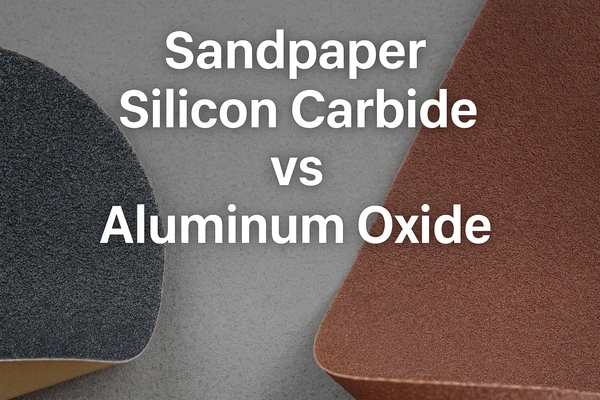
Ever found yourself staring at a dusty old piece of furniture, dreaming of making it shine? Or maybe you’re embarking on a DIY adventure, ready to transform a rough plank of wood into a smooth, inviting surface. Whatever your project, there’s one unsung hero that often gets overlooked: sandpaper. But not all sandpaper is created equal! Today, we’re diving into a friendly showdown between two of the heavy hitters in the sanding world: Aluminum Oxide and Silicon Carbide. It might sound a bit technical, but trust us, understanding these two can seriously level up your sanding game and make your projects go from "meh" to "magnificent." Think of it like choosing the right tool for the job – a hammer for nails, a screwdriver for screws, and the right sandpaper for… well, whatever you need to smooth out!
Why Should We Care About Sandpaper Grains?
It’s easy to just grab a sheet of sandpaper without a second thought. But the type of abrasive grain used makes a HUGE difference in how effectively and efficiently you’ll be able to achieve your desired finish. The right choice means less elbow grease, faster results, and a smoother, more professional-looking outcome. The wrong choice? Well, let’s just say you might end up frustrated, with a surface that’s still rough around the edges, or worse, you might even damage your material. So, understanding the strengths of Aluminum Oxide and Silicon Carbide isn't just about trivia; it’s about practical application and saving yourself time and effort. It’s the secret weapon in your DIY toolkit!
The Workhorse: Aluminum Oxide
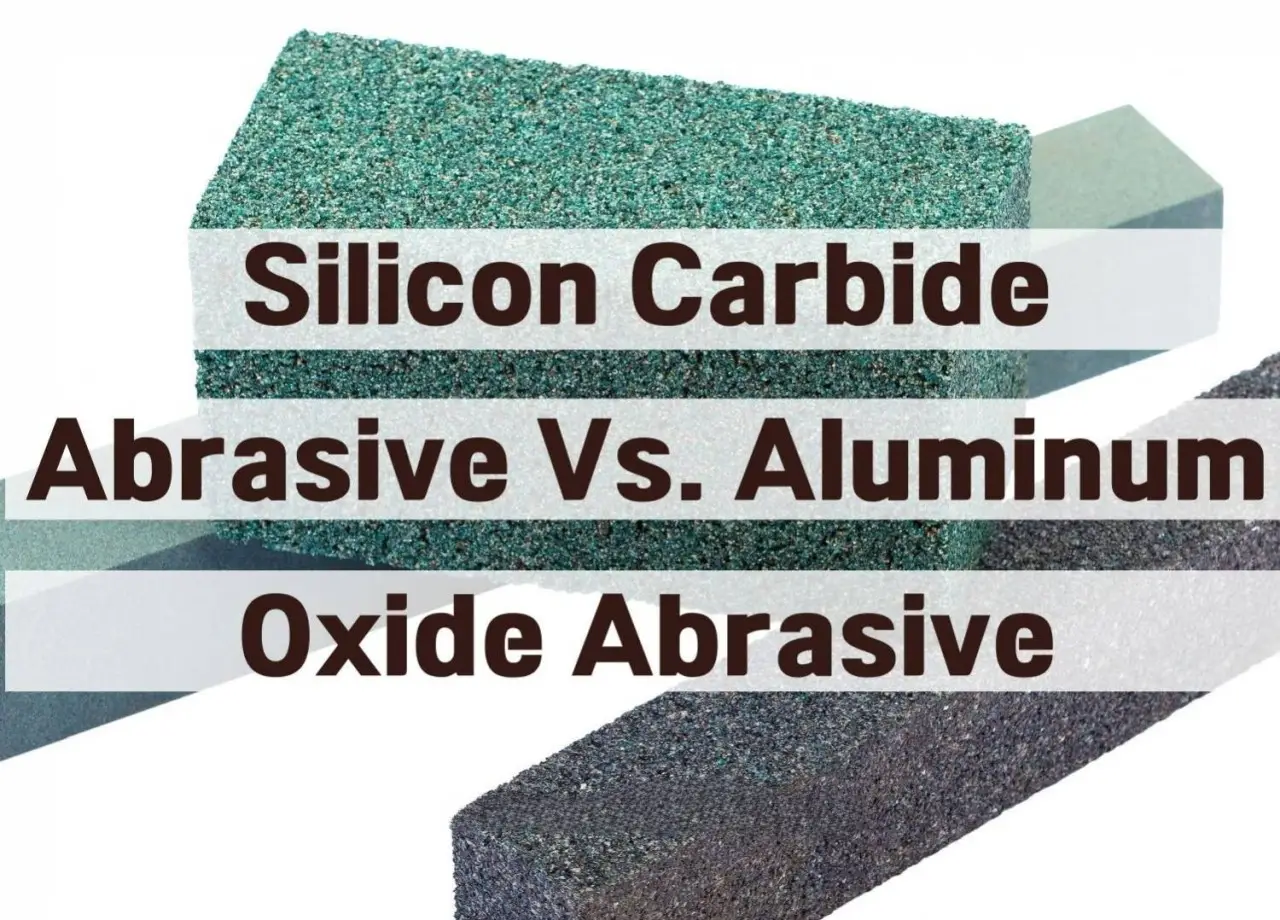
When you reach for sandpaper at the hardware store, chances are you're picking up a sheet of Aluminum Oxide. This is the undisputed champion of general-purpose sanding, and for good reason! It's the workhorse, the everyday hero that tackles a wide variety of tasks with impressive durability and consistency. Think of it as your reliable friend who can handle most situations you throw at it.
What makes Aluminum Oxide so popular? Well, it's known for its:
- Durability: These grains are tough cookies! They are designed to break down slowly and evenly, meaning a single sheet can last for a good while. This translates to fewer sheet changes and a more cost-effective sanding experience, especially for larger projects.
- Versatility: Aluminum Oxide is your go-to for just about everything. Wood, metal, painted surfaces, plastics – you name it, it can probably handle it. Whether you’re stripping old paint, shaping a piece of wood, or just smoothing out rough edges, Aluminum Oxide is up to the task.
- Consistent Performance: The way Aluminum Oxide grains fracture provides a consistent cutting action. As the grains wear down, they break into smaller, sharp particles, exposing new cutting edges. This self-sharpening characteristic ensures that the sandpaper continues to cut effectively throughout its lifespan.
Because of these fantastic qualities, Aluminum Oxide sandpaper is often recommended for:
- General woodworking: From rough shaping to fine finishing, it’s perfect for prepping wood for stains or paints.
- Metalworking: It’s excellent for removing rust, smoothing welds, or preparing metal surfaces for painting.
- Paint and varnish removal: It can effectively strip away old finishes.
- Drywall sanding: In coarser grits, it’s used for smoothing drywall joints.
It’s the sandpaper you’ll reach for most often, the reliable choice for a multitude of DIY and professional applications. It offers a great balance of grit longevity and effective material removal, making it a true all-rounder.
The Speed Demon: Silicon Carbide
Now, let’s talk about Silicon Carbide. If Aluminum Oxide is the reliable workhorse, then Silicon Carbide is the speed demon. This abrasive grain is known for its exceptional sharpness and its ability to cut through materials incredibly quickly. It’s like upgrading from a sturdy bicycle to a sleek sports car – you’re going to get there faster!
What sets Silicon Carbide apart?
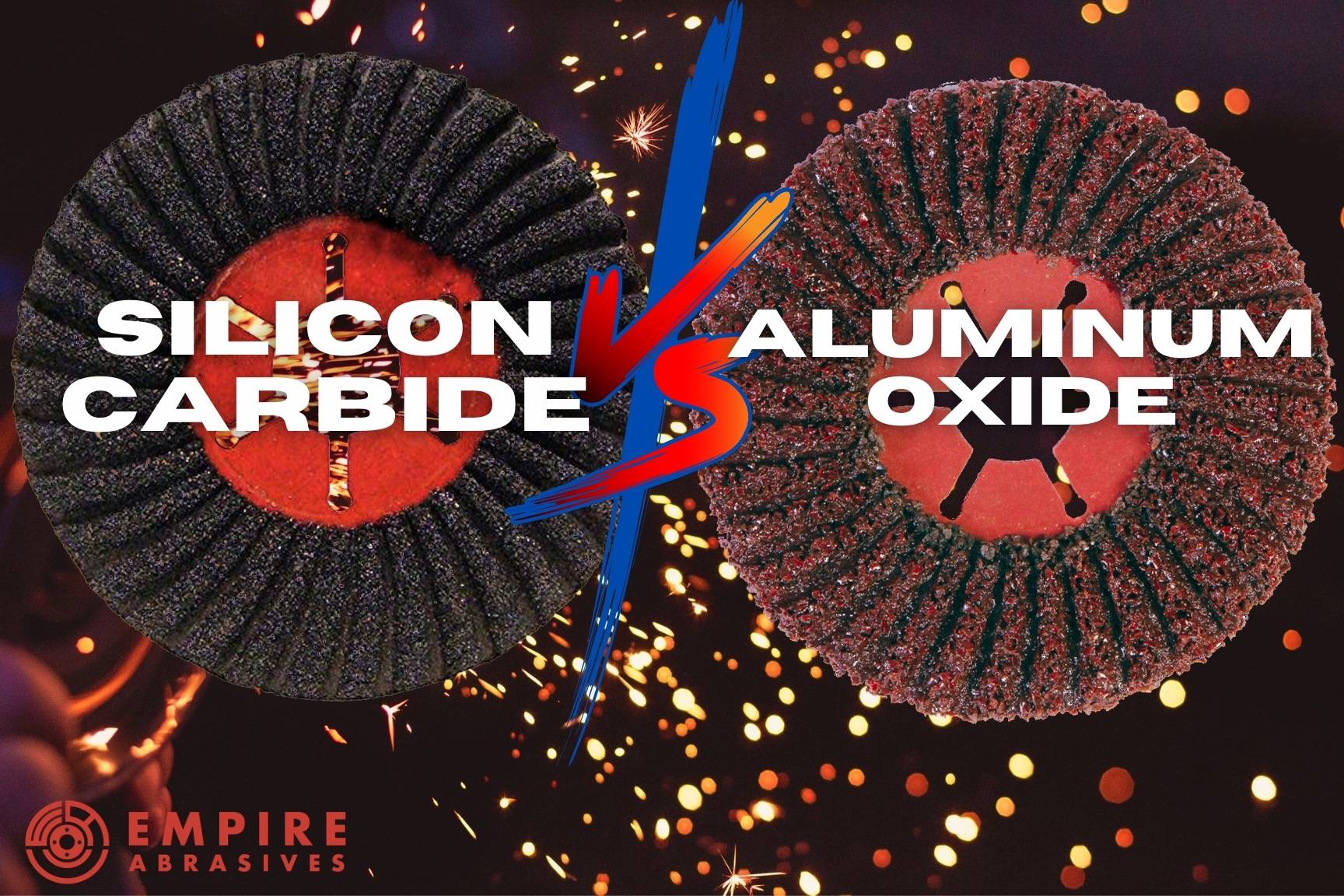
- Sharpness: Silicon Carbide grains are incredibly sharp and brittle. This means they slice through material rather than grinding it down, leading to a faster, cleaner cut. This sharpness is particularly beneficial when working with harder materials or when you need to achieve a very smooth finish quickly.
- Fast Cutting Action: Due to its superior sharpness, Silicon Carbide can remove material at a much higher rate than Aluminum Oxide. If you’re on a tight deadline or have a large surface to sand, this can be a game-changer.
- Ideal for Finishing: While it excels at fast material removal, Silicon Carbide is also fantastic for achieving a super-fine, polished finish. Its sharp edges leave fewer scratches, making it a favorite for final sanding stages, especially on delicate materials.
- Wet or Dry Use: Many Silicon Carbide papers are designed for both wet and dry sanding. Wet sanding can help to reduce dust, prevent clogging, and further enhance the smooth finish, making it a versatile option for various applications.
Silicon Carbide sandpaper truly shines in these scenarios:
- Finishing and polishing: It's the king of achieving that mirror-like shine on surfaces.
- Glass and ceramics: Its sharpness makes it suitable for working with these harder, more delicate materials.
- Metal polishing: For that extra gleam on metalwork, Silicon Carbide is your friend.
- Automotive finishes: It’s often used for wet sanding car paint to remove imperfections and achieve a smooth, glossy result.
- Resin and plastics: Its ability to cut cleanly is perfect for these materials.
While it might wear down a bit faster than Aluminum Oxide due to its brittle nature, the speed and quality of finish it provides often make up for it. It’s the choice when precision and a flawless surface are paramount.
Making the Right Choice
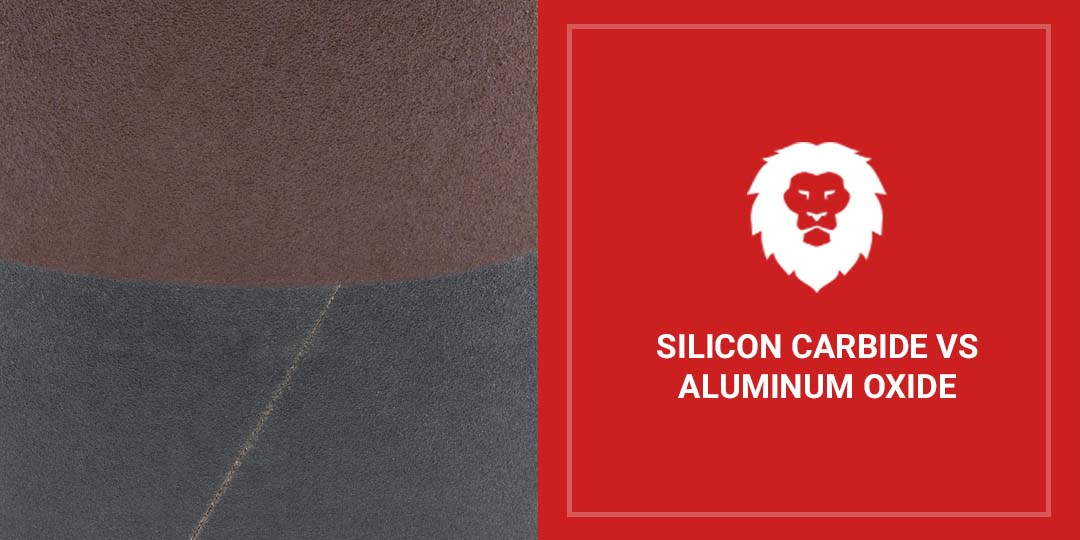
So, which one should you choose? It all boils down to your project. For most general tasks around the house, like sanding wood for a birdhouse or smoothing out a rough patch on a wall, Aluminum Oxide is your dependable, all-around champion. It’s cost-effective and will get the job done admirably.
However, if you’re aiming for that ultra-smooth, showroom finish on a car, polishing glass, or working with materials that require a delicate touch and a fast, clean cut, then Silicon Carbide is your star player. It’s the go-to for those fine-tuning stages where a perfect finish is the ultimate goal.
Don’t be afraid to have both on hand! Having a selection of grits in both Aluminum Oxide and Silicon Carbide will equip you to tackle any sanding challenge that comes your way. Happy sanding, and may your projects be ever smoother!