
Aluminum Vs Steel Strength To Weight Ratio
So, I was at this car show the other day, you know, the kind with gleaming chrome and the smell of overpriced burgers? And this guy, he’s proudly showing off his souped-up vintage pickup. Beautiful machine, truly. He starts telling me all about the custom engine, the reinforced frame, the whole nine yards. Then, he leans in conspiratorially and says, “The secret, my friend, is weight reduction. We used all sorts of trick materials.”
I nodded, impressed, picturing carbon fiber and titanium. Then he casually adds, “Yep, swapped out the original steel bed for an aluminum one. Saves a ton, you know.”
And that’s when it hit me. Aluminum. Of course! It’s everywhere these days. But I started wondering, is it really that much better than good old steel? I mean, steel has been the backbone of… well, pretty much everything for ages. Buildings, bridges, ships, those epic suits of armor (okay, maybe not that kind of steel anymore). So, why all the switch to aluminum? It’s all about that elusive strength-to-weight ratio, isn't it?
The Unsung Hero: Steel's Enduring Might
Let’s give steel its due. It’s the reliable friend. The one you can always count on. For centuries, steel has been the go-to material for anything that needs to be tough and resilient. Think about it. The Eiffel Tower? Mostly steel. The Golden Gate Bridge? You guessed it, steel.
And for good reason! Steel is incredibly strong. It can withstand immense forces, bending and stretching before it gives up the ghost. Plus, it’s relatively cheap to produce, which is always a win in my book. Who wants to pay an arm and a leg for a toaster, right?
But here’s the kicker: steel is also… well, it’s heavy. You’ve probably felt the heft of a steel toolbox or a cast-iron skillet. That density, that satisfying weight, is also its Achilles’ heel when we start talking about making things lighter, faster, or more fuel-efficient.
Imagine trying to build a modern airplane out of pure steel. It would be a flying brick! It just wouldn’t get off the ground. And that, my friends, is where our shiny, modern contender enters the arena.

Enter the Lightweight Champion: Aluminum's Allure
Aluminum. It sounds so… futuristic. And in many ways, it is. It’s lighter, it doesn’t rust (a huge plus in my book, considering how much I hate dealing with rust spots!), and it’s surprisingly strong. But how strong, exactly? And is it strong enough to replace steel in all those heavy-duty applications?
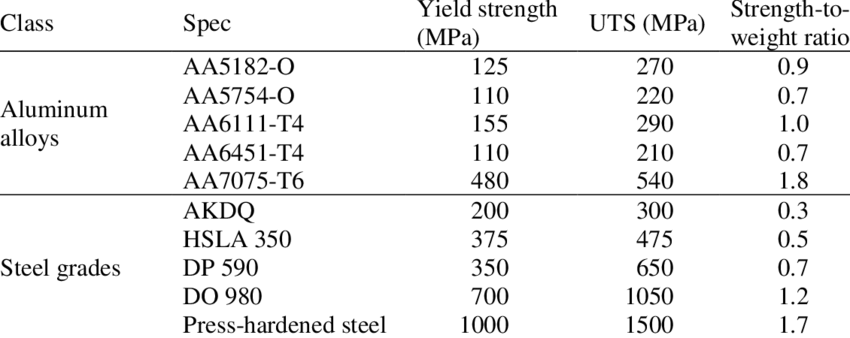
This is where the magic of the strength-to-weight ratio comes in. Think of it like this: for every pound of aluminum you use, you get a certain amount of strength. Now, for every pound of steel you use, you get a different amount of strength. The material with the higher number for “strength per pound” wins the ratio game. And usually, that’s aluminum.
It’s kind of like comparing two weightlifters. One is a massive, hulking brute who can lift an enormous amount of weight, but he’s also incredibly heavy himself. The other is leaner, lighter, but can still lift an impressive amount relative to his own body weight. That leaner guy has a better strength-to-weight ratio. Makes sense, right?
The Numbers Game: A Peek Under the Hood
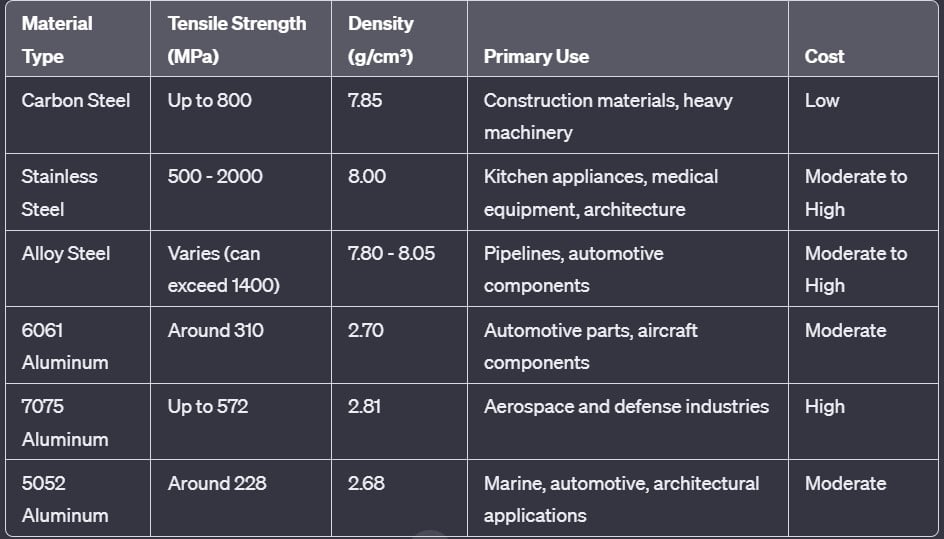
Okay, so let’s get a little nerdy for a second. We’re not talking about rocket science here, but a little bit of data helps illustrate the point. The exact numbers can vary wildly depending on the specific alloy (that’s like the recipe for the metal, with different additives for different properties), but generally speaking:
- Steel: It’s dense. Very dense. Its density is around 7.85 g/cm³. Its tensile strength can range from 400 MPa (megapascals) for mild steel to over 1000 MPa for high-strength alloys.
- Aluminum: It’s much lighter. Its density is about 2.7 g/cm³. Pure aluminum isn’t that strong, but aluminum alloys can achieve tensile strengths ranging from around 200 MPa to over 600 MPa.
Now, do the math (or just trust me on this!). When you divide the strength by the density, aluminum often comes out on top. This means you can use less aluminum to achieve the same amount of strength as steel, and the overall structure will be significantly lighter.
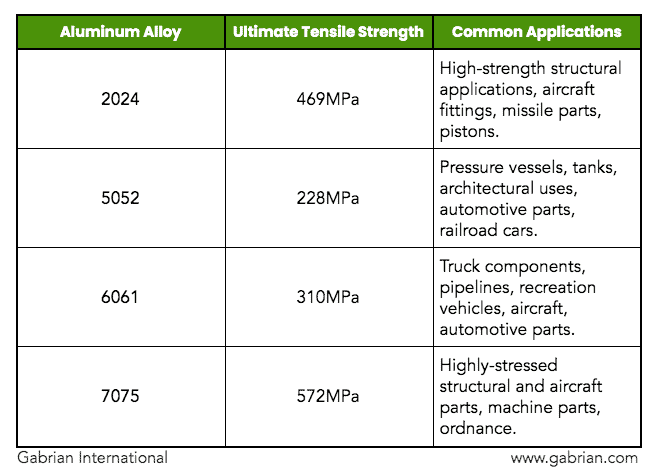
This is why you see aluminum in airplanes, bicycles, high-performance car parts, and even your smartphone casing. Every gram saved in an airplane means less fuel burned. Every gram saved on a bike means you can climb that hill a little faster (or at least feel like you can, which is half the battle!).
But Wait, There’s More! (The Not-So-Shiny Sides)
It’s not all sunshine and lightweight rainbows for aluminum, though. Steel has some serious advantages that keep it firmly in the game. And sometimes, “strong enough” isn’t quite strong enough.
Cost: The Big Kahuna
Let’s be honest, money talks. And when you’re talking about large-scale construction or mass-produced goods, steel is often the more economical choice. Aluminum production is more energy-intensive and the raw materials can be pricier. So, while that aluminum car bed might be cool, it’s probably not coming to your average work truck anytime soon unless there’s a very specific reason.
Durability and Wear Resistance
This is where steel often shines. For applications that involve a lot of abrasion, impact, or extreme wear and tear, steel usually holds up better. Think about where you’d be dragging things in and out of that truck bed. Steel can take a beating and keep on trucking (pun intended!). While aluminum alloys have improved dramatically, they can still be more susceptible to scratching, denting, and fatigue over time in harsh conditions.

Stiffness: The Unsung Property
Strength isn’t the only thing that matters. Stiffness, or rigidity, is also crucial. Steel is generally stiffer than aluminum. This means that under the same load, a steel component will deflect (bend) less than an aluminum component of the same size. For some applications, like certain structural beams or precision machinery, that minimal flex is absolutely vital.
It’s like trying to push on a noodle versus pushing on a ruler. Both might resist breaking, but the ruler is a lot less wobbly. You get it.
Repairability and Weldability
While both materials can be repaired and welded, steel is often easier to work with in these regards, especially for your average mechanic or fabricator. Welding aluminum requires more specialized equipment and expertise, and getting it right can be a bit of an art form.
Where Do They Stand Today? A Tale of Two Metals
So, is it a knockout? Is aluminum the undisputed champion? Not quite. It’s more of a specialized boxer, excelling in certain weight classes and fighting styles.
Aluminum reigns supreme when:
* Weight is a critical factor: Airplanes, high-performance vehicles, sporting equipment, portable electronics.
* Corrosion resistance is paramount: Marine applications, outdoor structures in certain environments.
* Fuel efficiency is a goal: Lighter vehicles mean less fuel consumed.
Steel, on the other hand, remains the champion when:
* Cost-effectiveness is the primary driver: Mass construction, everyday vehicles, large infrastructure projects.
* Extreme durability and wear resistance are needed: Heavy-duty equipment, tools, certain structural components.
* High stiffness is essential: Some precision machinery, certain structural frameworks.
And it’s not always an either/or situation! Many modern designs cleverly use a combination of materials. Think of a car body where the main chassis might be high-strength steel for critical crash zones, while the doors, hood, or trunk lid are made of lighter aluminum to improve handling and fuel economy. It’s like having the best of both worlds.
The Future is Light (and Strong!)
The pursuit of a better strength-to-weight ratio is relentless. Engineers and material scientists are constantly developing new alloys and composites that push the boundaries of what’s possible. We’re seeing advancements in advanced high-strength steels (AHSS) that are both lighter and stronger than traditional steels, and new aluminum alloys that are finding even more applications.
It’s a fascinating dance between these two fundamental materials. Steel, the tried and true workhorse, and aluminum, the agile and efficient newcomer. They each have their strengths (pun intended, again!), and understanding their differences is key to making smart design choices. So, next time you’re admiring a sleek sports car, a soaring skyscraper, or even just your trusty bicycle, take a moment to appreciate the silent battle of the metals behind it all. It’s a story of strength, weight, and the endless human quest to build better, lighter, and more robust things.
And hey, maybe that car show guy wasn't just bragging about his truck bed. Maybe he was offering a small glimpse into the ever-evolving world of materials science. Who knew a conversation about trucks could lead to such a weighty (or, in this case, lightweight) discussion?