
Aluminum Vs Steel Tensile Strength

Okay, confession time. When I hear "tensile strength," my brain usually conjures up images of superheroes with impossibly strong muscles. Or maybe a very determined cat trying to open a stubborn bag of treats. But today, we're talking about something a little more... metal.
Specifically, we're pitting two titans against each other: Aluminum and Steel. They’re everywhere, from the cans your fizzy drinks come in to the cars we drive. But when it comes to how much they can be stretched before they throw a fit and snap, things get interesting.
Think of it like a tug-of-war. You've got one team, all shiny and lightweight, that's Aluminum. Then you've got the other team, looking a bit more serious and heavier, that's Steel. Who do you think wins the stretching contest?
Most people, and by "most people" I mean anyone who's ever even glanced at a basic science textbook, will tell you: Steel is the undisputed champion. It’s tougher, it’s stronger, it’s the Hulk of the metal world. And yeah, for a lot of heavy-duty stuff, that's totally true.
But here’s where my "unpopular" opinion starts to whisper. Is brute strength always the best strength? Is being the heaviest automatically the winner? Sometimes, it’s about being smart, not just strong.
Imagine you’re building a kite. You want it to be light enough to catch the wind, right? You don't want to use a steel girder to hold up the kite string. That would be… well, silly.
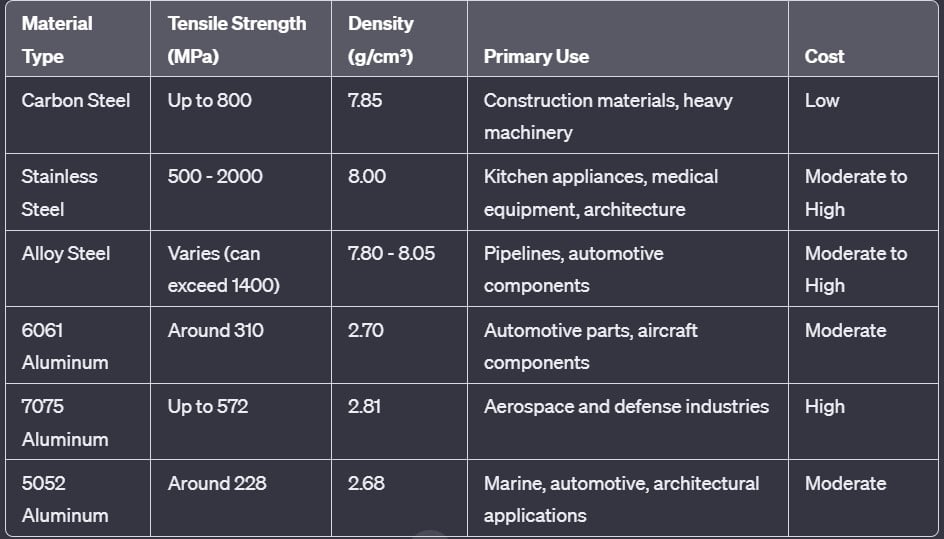
This is where our friend Aluminum starts to shine. It’s significantly lighter than Steel. Like, really significantly lighter. Think about your car. If it were made of solid steel, you'd need a rocket engine just to get it moving.
So, while Steel has a higher absolute tensile strength – meaning, a solid chunk of steel can withstand more pulling force than an equally sized chunk of aluminum – it’s not the whole story. It's like comparing a sumo wrestler to a gymnast. Both are incredibly strong in their own ways.
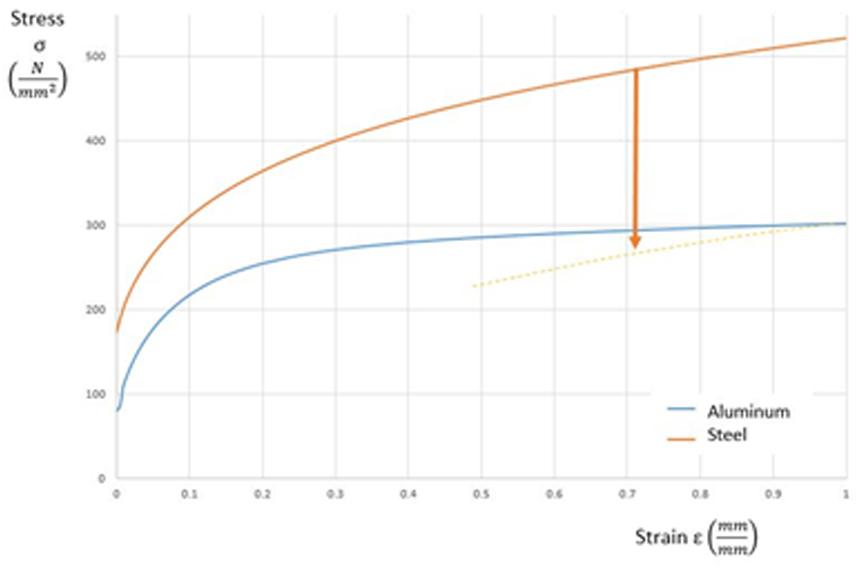
Aluminum, despite its lighter weight, can still be incredibly strong. We're talking about alloys, folks! These are like metal superheroes teaming up. When you mix Aluminum with other elements, you can make it surprisingly tough.
Think about airplanes. They’re mostly made of Aluminum alloys. These planes are zipping through the sky at hundreds of miles per hour, carrying hundreds of people. If Aluminum wasn’t strong enough, well, that would be a very short flight.
And what about those trusty beer cans? They’re made of Aluminum! They hold pressurized liquid without exploding, and they’re thin enough to be crushed and recycled. That's a pretty good job for something that's supposed to be the underdog.
Now, Steel, don't get me wrong. You are fantastic for many things. Bridges? You’re the backbone. Skyscrapers? You’re the skeleton. Construction cranes? You’re definitely the muscle.
But sometimes, being a bit less dense, a bit more nimble, is a superpower in itself. It's about efficiency. It's about using just the right amount of material to do the job without being ridiculously overkill.
It’s like packing for a trip. You can either bring your entire wardrobe, making your suitcase weigh a ton, or you can be smart and pack light, choosing versatile items. Aluminum is the smart packer. Steel is the… well, the one who brings everything.
And let's not forget about corrosion. Steel, especially plain old steel, can get a bit rusty if you leave it out in the rain. It’s like a sad, metallic tear.
Aluminum, on the other hand, forms a protective oxide layer. It's like it puts on a little shield to protect itself. It’s a bit more resilient in that regard. So, while it might be stretching a little less, it’s doing it with a smile and less rust.
So, while the textbooks might scream "Steel wins!", I’m here to offer a gentle counter-argument. It’s not always about who can take the biggest hit. Sometimes, it’s about who can do the job best with what they’ve got.
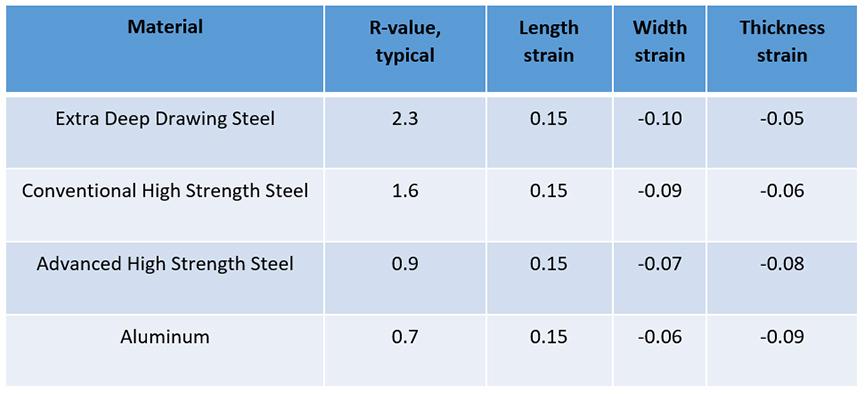
Consider the design. Engineers can use Aluminum strategically. They can create complex shapes and structures that are strong enough for the task, while being incredibly lightweight. It's like a beautifully designed origami swan versus a brick. Both have their purpose, but one is far more elegant for flying.

I’m not saying you should build a suspension bridge out of soda cans. Please, don’t do that. That would be… problematic.
But for everyday applications, for things that need to be moved easily, efficiently, and still be strong, Aluminum is often the unsung hero. It's the dependable friend who's always there, but doesn't make a fuss about it.
Think about your bike. A good chunk of it is likely Aluminum. You want that to be light so you can actually pedal it uphill, right? You don't want to be wrestling a steel behemoth just to get to the top of your street.
And the foil that keeps your leftovers fresh? That’s Aluminum too! It’s thin, it’s pliable, and it does its job perfectly. It's not trying to be a knight in shining armor; it's just trying to keep your pizza from drying out.
So, the next time you see something made of metal, take a moment. Is it a hulking, powerful structure? Probably Steel. Is it something sleek, lightweight, and doing its job with quiet efficiency? Chances are, it’s a fantastic Aluminum alloy.
My unpopular opinion? Aluminum gets a bad rap sometimes. It’s not always the weaker sibling. It’s just a different kind of strong. It’s the clever athlete, not just the brute force one.
It’s the difference between needing a forklift to move it and being able to pick it up with one hand. Both are useful, but one is definitely more convenient for packing.
So, here's to Aluminum. May your tensile strength always be just enough, and your weight always be blessedly light. You’re doing a great job, you shiny, versatile marvel. And don't let anyone tell you otherwise.
"Strength is not defined by how much you can hold, but by how much you can do with what you've got." - Probably me, just now.
It’s all about context, isn’t it? The right tool for the right job. And sometimes, the lighter, more adaptable tool wins the day, even if it’s not the one with the biggest muscles.
So, while Steel will always have its place as the mighty champion of sheer force, let's give a little nod to Aluminum. It's the quiet achiever, the elegant solution, the metal that proves you don't always need to be the heaviest to be incredibly effective.
And isn't that a lesson we can all relate to? We don't all need to be sumo wrestlers to make our mark. Sometimes, a little bit of cleverness and a lightweight approach goes a very long way.