
Anodized Vs Non Anodized Aluminum
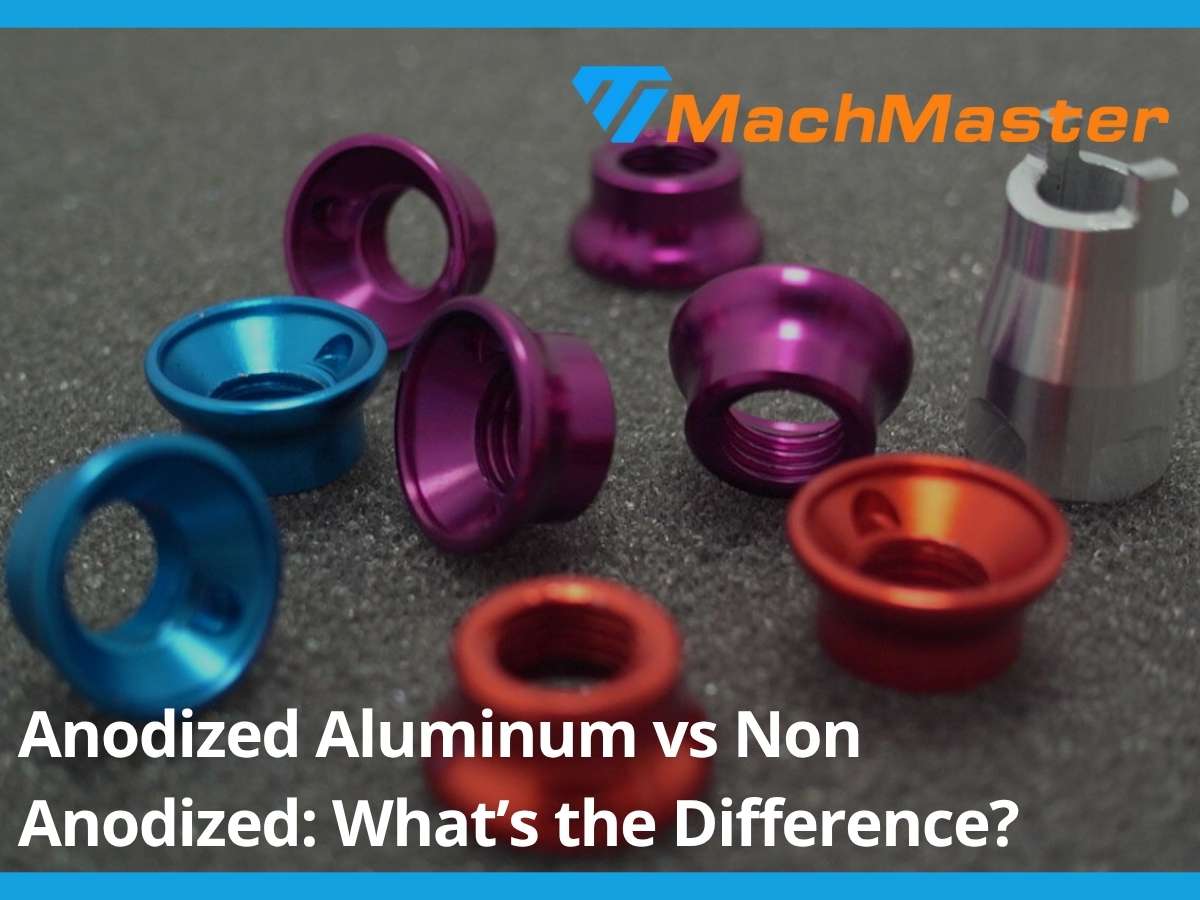
Ever found yourself staring at a shiny new gadget, maybe a sleek phone case, a cool bike frame, or even a fancy kitchen utensil, and wondered, "What's the deal with this aluminum? It looks…different." Well, chances are, you're looking at anodized aluminum. But what exactly does that mean, and why should you care? Let's dive in, shall we?
Think of aluminum as a super versatile metal. It's light, strong, and doesn't rust like iron. Pretty neat, right? But sometimes, it needs a little… upgrade. And that's where anodizing comes in. It’s like giving our everyday aluminum a superhero makeover.
So, What's the Big Idea with Anodizing?
Imagine you have a piece of regular aluminum. It's nice, but maybe it scratches a bit too easily, or perhaps the color isn't quite you. Non-anodized aluminum is essentially just the raw metal, maybe polished to a shine, but without any special treatment. It’s like a plain t-shirt – comfortable and functional, but not exactly making a fashion statement.
Anodizing, on the other hand, is a cool electrochemical process. Don't let the fancy words scare you! It's basically a way to create a protective, durable, and often colorful layer on top of the aluminum. Think of it like growing a super-tough, built-in shield for the metal. This shield isn't painted on; it's actually part of the aluminum itself. How wild is that?
How Does This Magic Happen?
Okay, science time, but the chill kind. When aluminum is put into an acid bath and electricity is passed through it, the surface of the aluminum actually oxidizes. But instead of forming a flaky, weak layer like rust on iron, this oxide layer is incredibly strong and dense. It's like the aluminum is intentionally creating its own protective armor.
This created layer is typically aluminum oxide, which is one of the hardest materials known to man. Seriously! It's harder than most metals you'll encounter. So, when you have anodized aluminum, you're not just looking at metal; you're looking at metal with an integrated, super-tough skin.
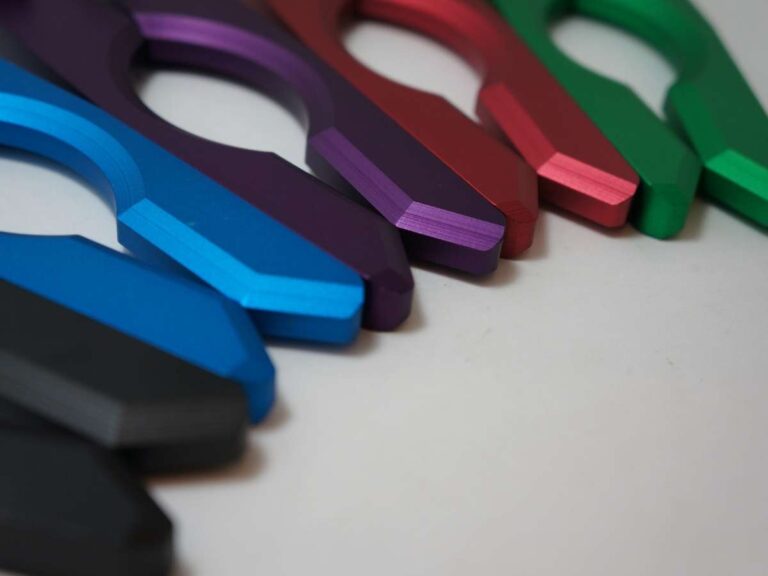
And the best part? This protective layer is porous. This is where the colors come in! Dyes can be introduced into these pores, giving the aluminum a vibrant, rich color that’s fused into the material. It’s not a surface coating that’s going to peel off. It’s like the metal has been naturally dyed from the inside out. Pretty neat, huh?
Non-Anodized Aluminum: The Classic Choice
Now, let's chat about the other guy: non-anodized aluminum. This is your more "natural" aluminum. It's what you might find in older window frames, some cookware, or perhaps a budget-friendly metal component. It’s perfectly functional, and for many applications, it’s all you need.
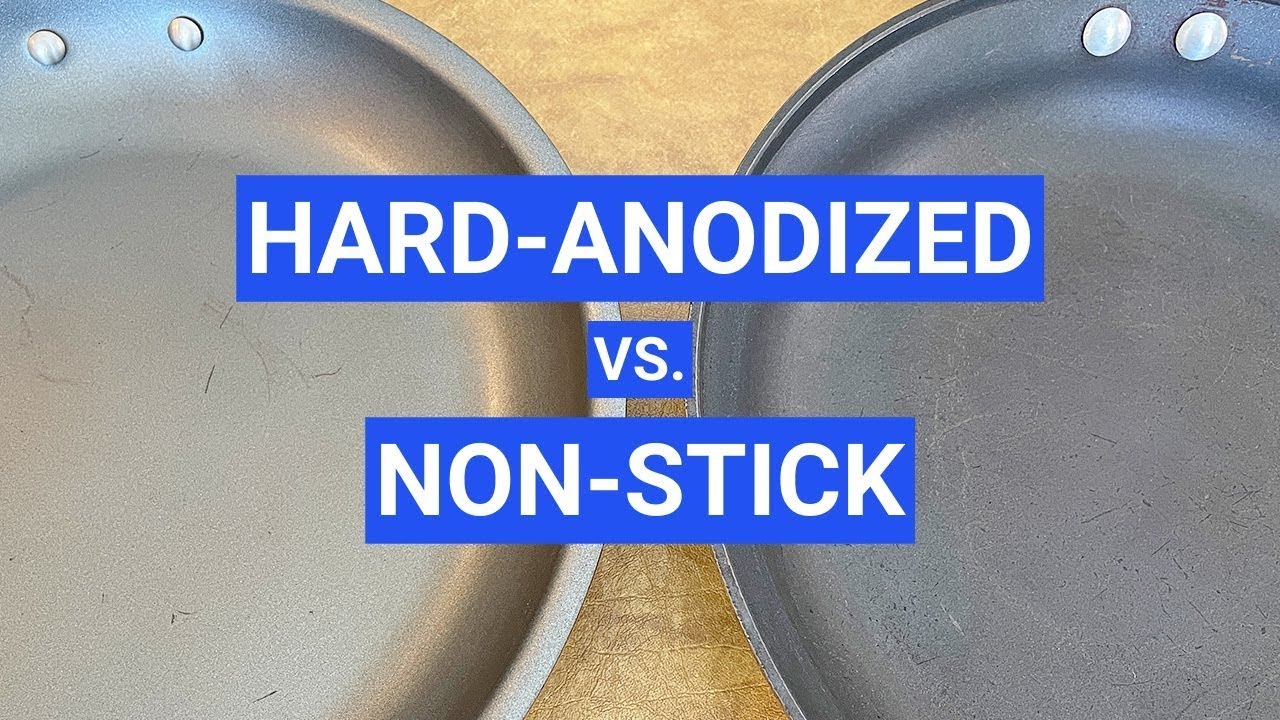
Without anodizing, the aluminum is more exposed. This means it’s more susceptible to scratches, dents, and general wear and tear. It can also oxidize a bit over time, forming a dull, gray film. It’s not necessarily a bad thing, but it doesn't have that extra layer of resilience.
Think of it like the difference between a classic, unvarnished wooden chair and a chair that's been lacquered and stained. The unvarnished chair has a natural beauty, but it can get dinged and stained more easily. The lacquered chair, while maybe less "natural," is going to stand up to spills and bumps a lot better and keep its good looks for longer.
Why Choose Non-Anodized?
Well, sometimes simplicity is key. Non-anodized aluminum is generally less expensive to produce. If you don't need extreme durability or a specific color, and cost is a major factor, it's a perfectly good option. Also, some people prefer the raw, unadulterated look of natural aluminum. It has a certain honest, industrial charm to it.
Plus, if you’re planning to paint or coat the aluminum yourself, starting with non-anodized might be easier, as the surface is generally more receptive to aftermarket finishes. It's a blank canvas, if you will.
The "Cool Factor" of Anodized Aluminum
So, why do we see so much anodized aluminum around? It's all about those benefits! That super-hard oxide layer means anodized aluminum is incredibly scratch-resistant. Imagine your phone case taking a tumble – with anodizing, it's much more likely to shrug off that mishap with minimal damage. It's like giving your phone a tiny suit of armor!
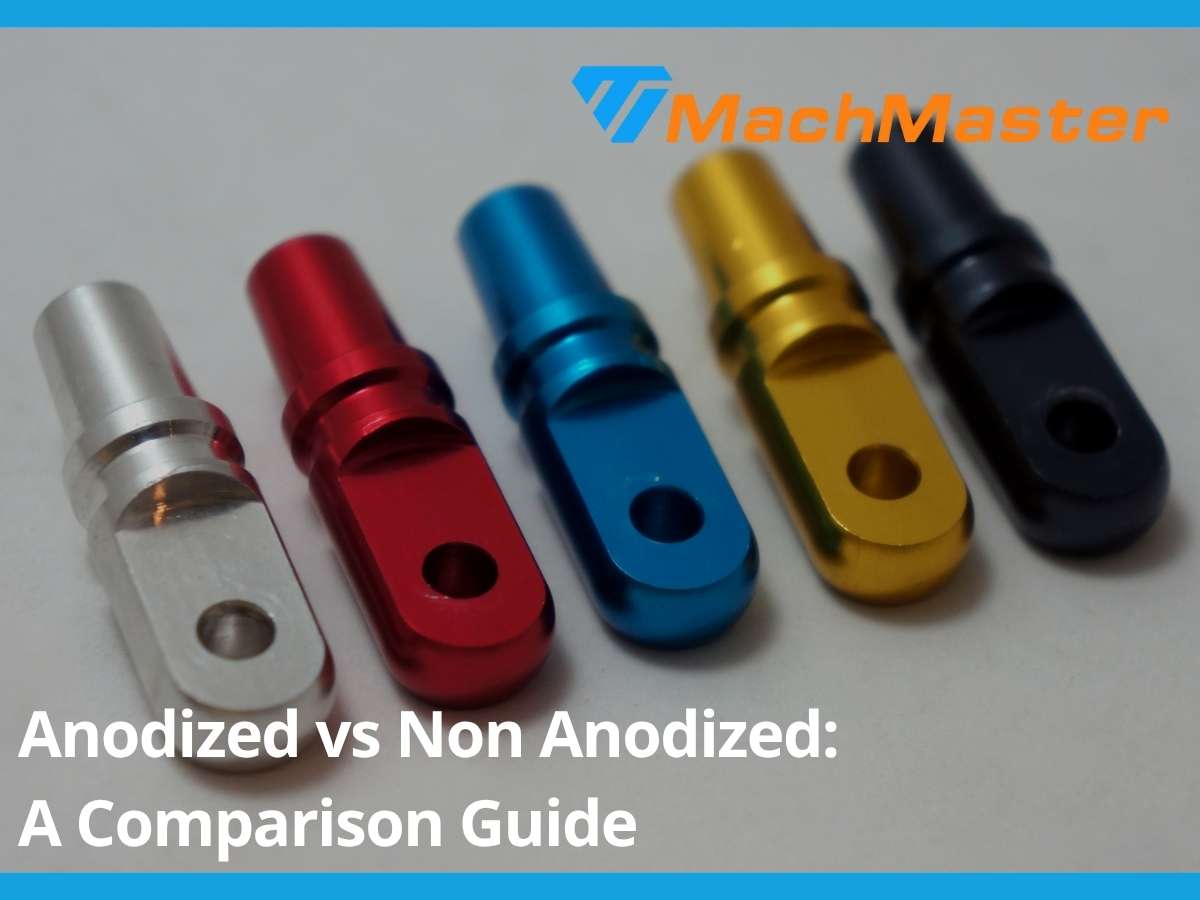
It’s also corrosion-resistant. Remember how regular aluminum can get that dull gray film? Anodizing prevents that. It’s like putting a raincoat on the metal, protecting it from the elements. This makes it ideal for outdoor applications, like building facades or even parts of aircraft.
And then there are the colors! Oh, the colors! Anodizing opens up a whole world of aesthetic possibilities. You can get anodized aluminum in almost any shade you can imagine – vibrant reds, deep blues, sleek blacks, shimmering silvers, and everything in between. This is why it’s so popular in electronics, sporting goods, and even architectural designs. It’s not just functional; it’s beautiful!
Think about your bike. A bright, anodized blue frame isn't just about looking good; it's about resisting the dings and scratches from trail riding, keeping its vibrant color even when exposed to the sun and rain. Or your Apple MacBook. That smooth, matte finish? That's often anodized aluminum, giving it that premium feel and durability.
When Does It Matter Most?
If you’re handling something frequently, or if it's going to be exposed to the elements, or if you just want it to look really good for a long time, anodizing is probably the way to go. It adds that extra touch of quality and longevity.
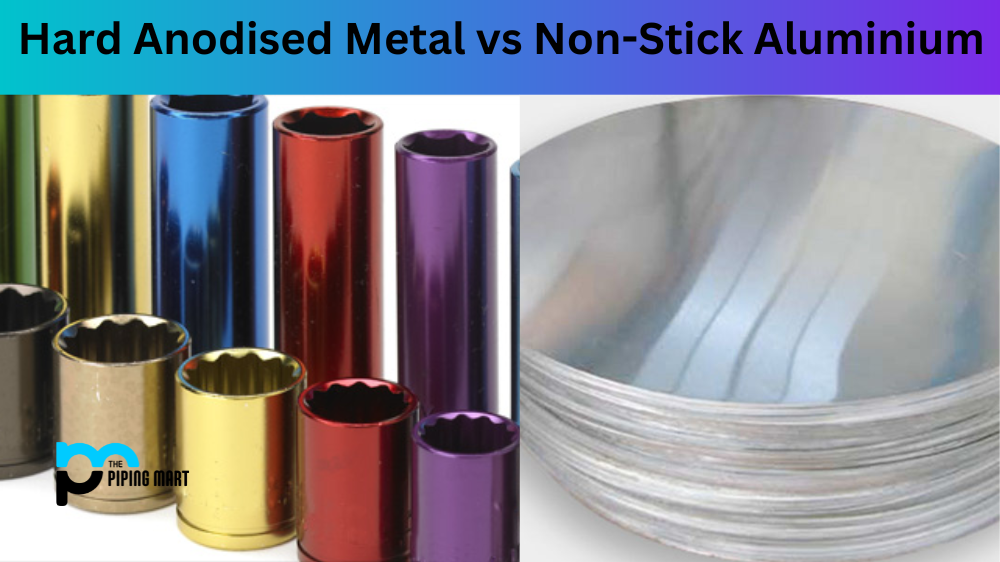
For example, consider hiking poles. They get banged around, exposed to dirt and weather. Anodized poles will hold up better and retain their aesthetic appeal much longer than plain aluminum ones. Or even those reusable water bottles you see everywhere. The colorful, smooth exterior is usually anodized aluminum.
The Takeaway: It’s All About Purpose
Ultimately, whether aluminum is anodized or not often comes down to its intended use. Non-anodized aluminum is like the reliable workhorse – perfectly capable for many tasks. Anodized aluminum is like the workhorse that’s also been to charm school and gotten a stylish makeover.
So, next time you see a piece of aluminum, take a closer look. Does it have a deep, consistent color? Does it feel incredibly smooth and perhaps a little cool to the touch? Does it look like it could survive a minor apocalypse (or at least a drop from your pocket)? If so, you're probably admiring some fancy anodized aluminum. And now you know why it’s so cool!
It’s a simple process with some pretty impressive results, making our everyday objects a little bit stronger, a little bit prettier, and a whole lot more interesting. Pretty neat, right?