
Are Steel Pennies From 1943 Worth Anything
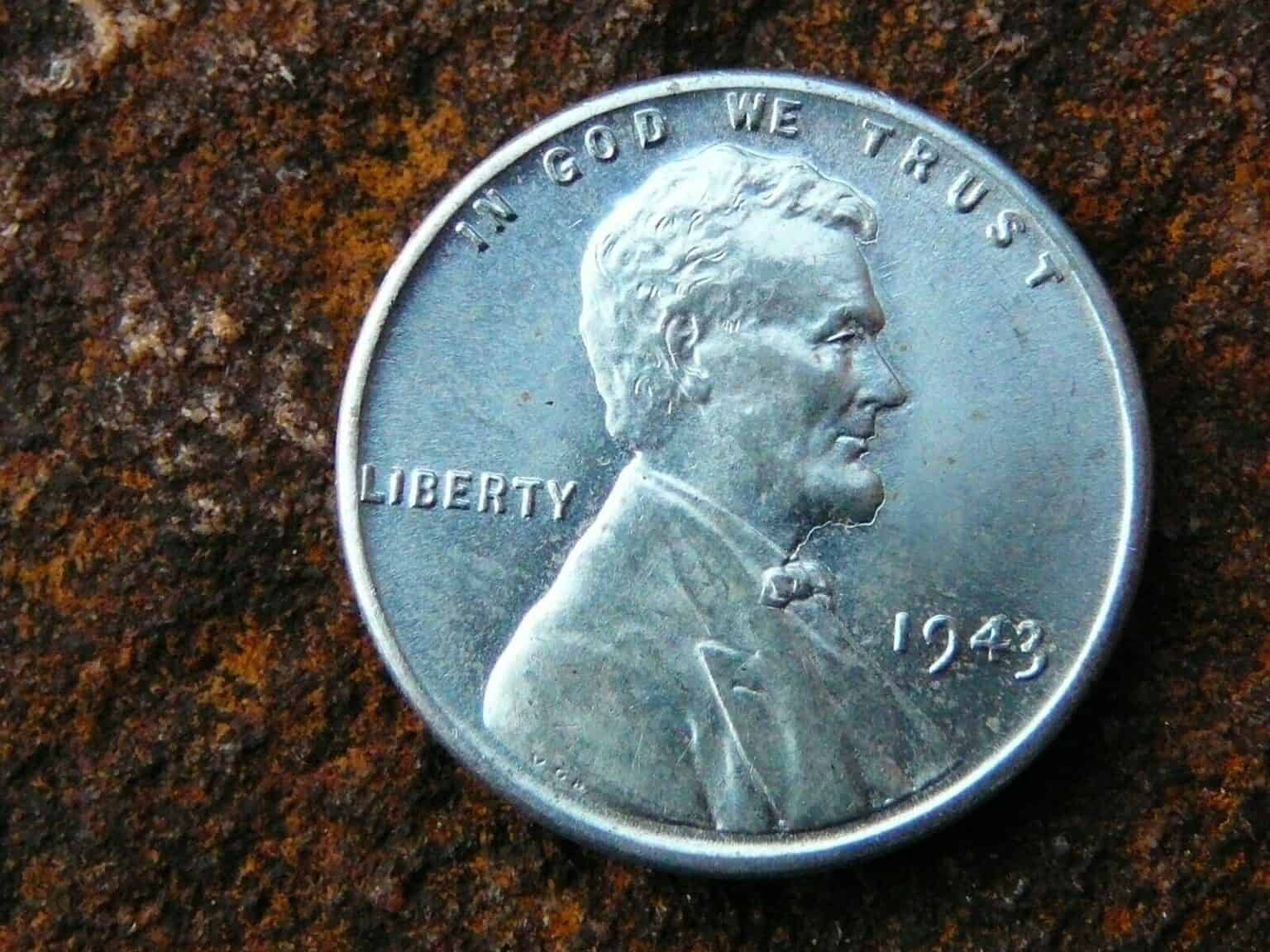
Ah, the humble penny! For many of us, it’s that little copper disc we absentmindedly toss into a jar or let slip through our fingers. But for a special kind of enthusiast, collecting these everyday coins is a gateway to history, a treasure hunt, and a surprisingly rewarding hobby. It’s a tangible connection to the past, a puzzle to be solved, and sometimes, just maybe, a path to a little bit of unexpected wealth. And when it comes to particularly interesting coins, few spark as much curiosity as the 1943 steel penny. So, let's dive in and see if these wartime wonders are worth more than just their face value.
The appeal of coin collecting, or numismatics, is multifaceted. For starters, it’s a fantastic way to learn about history. Each coin tells a story, reflecting the economic conditions, political climate, and artistic styles of its era. It’s a hands-on history lesson that fits right in your palm. Beyond education, collecting offers a sense of accomplishment. Finding a rare coin or completing a set provides a thrill of discovery and satisfaction. Plus, it’s a wonderfully accessible hobby. You don’t need a massive budget to start. Your pocket change can be your first collection!
The primary purpose of coins in everyday life is, of course, as a medium of exchange. But as collectors, we elevate them beyond mere currency. They become artifacts. Think about it: you might keep a foreign coin from a memorable trip, a lucky penny from a childhood wish, or perhaps a coin with an interesting design or error. These are the everyday applications we often overlook until we’re prompted to look a little closer. The 1943 steel penny, however, is a prime example of a coin that was a practical necessity during its time and has since become a collector's item.
During World War II, copper was a vital metal for the war effort, used in everything from bullets to wiring. To conserve this precious resource, the U.S. Mint made a drastic change: they produced pennies out of steel, coated with a thin layer of zinc for protection. These are the famous 1943 steel pennies. They look different, feel different, and even sound different when dropped – a distinct clink instead of a dull thud.
Now, the big question: Are 1943 steel pennies worth anything? The answer is generally, yes, they are worth more than a penny, but the amount can vary significantly. Most 1943 steel pennies, especially those in average circulated condition, are not incredibly rare. They were minted in huge quantities. You can often find them for anywhere from 20 cents to a dollar, depending on the condition. They’re a great addition to a starter collection because they're relatively easy to acquire.

However, there are some exceptions that can make them very valuable. The key lies in identifying errors or specific mint marks. Pennies minted in San Francisco (mint mark 'S') or Denver (mint mark 'D') are generally less common than those from Philadelphia (no mint mark). But the real treasures are the 1943 pennies that were accidentally struck on copper planchets. These are exceptionally rare, with only a handful known to exist. If you find a 1943 copper penny, do not spend it! It could be worth thousands, even hundreds of thousands of dollars. Always check the color and weight – a genuine copper penny will be reddish-brown, not the silvery-grey of steel.
To enjoy your steel penny hunting more effectively, start by checking your change. You might be surprised what turns up! If you want to explore further, visit coin shows or local coin shops. When examining a penny, look for clear mint marks (if any) and assess its condition. A penny that’s heavily worn will be worth less than one with crisp details. If you suspect you’ve found a rare copper variety, get it authenticated by a reputable coin grading service. Happy hunting!