
Best Drill Bits For Drilling Stainless Steel

Hey there, fellow DIY enthusiasts and weekend warriors! Ever stare down a gleaming sheet of stainless steel, perhaps a shiny new appliance you're about to customize or a sleek metal project you're dreaming up, and think, "This is going to be a breeze"? Then you shove a regular drill bit in and… grind, grind, smoke… suddenly your breeze turns into a full-blown, sweat-inducing hurricane of frustration. Yeah, we've all been there. Drilling stainless steel can feel like trying to sculpt granite with a butter knife if you don't have the right tools. But fear not, because we're here to break down the magic behind the best drill bits for this notoriously tough material. Think of this as your personal, no-nonsense guide to conquering stainless steel, one perfectly smooth hole at a time.
Stainless steel, with its cool, futuristic sheen, isn't just about good looks. It's a workhorse material, boasting incredible strength and corrosion resistance. That's why it's everywhere, from your kitchen sink to high-end car parts. But that very toughness, that resilience, is what makes it a formidable foe for your average drill bit. Regular bits can overheat, dull prematurely, or simply refuse to penetrate the material without a fight. It’s like trying to get a shy cat to do your bidding – you need a special kind of finesse and the right approach.
So, what’s the secret weapon in this metallic battle? It all comes down to material and design. You're not just looking for a drill bit; you're looking for a stainless steel drill bit. It sounds obvious, but the devil, as they say, is in the details. These bits are engineered specifically to handle the heat and hardness that stainless steel throws at them. We're talking about bits that are built to last, to cut cleanly, and to make your life a whole lot easier. Forget those sad, worn-out bits from your grandpa's toolbox; it's time for an upgrade.
The Material Matters: Why Certain Metals Shine
When it comes to drilling stainless steel, the material of your drill bit is king. You need something that can stand up to the intense heat generated by friction and the sheer hardness of the metal. Think of it like this: you wouldn't send a flimsy paper airplane to fight a dragon, right? You need something robust. Here are the heavyweights you'll want to keep an eye out for:
1. High-Speed Steel (HSS): The Classic Contender
Ah, HSS. This is the workhorse of the drill bit world, and for good reason. High-speed steel is a type of tool steel designed to withstand higher temperatures than conventional carbon steel drills. It’s affordable, widely available, and can get the job done for lighter-duty stainless steel drilling. It’s the reliable friend who’s always there for you, not flashy, but dependable.
However, even HSS has its sub-categories. For stainless steel, you'll want to aim for the better grades of HSS, specifically those with added cobalt. This is where things get interesting.
2. Cobalt: The Super-Powered Upgrade
Enter cobalt drill bits. These are typically HSS bits that have been infused with 5-10% cobalt. Think of cobalt as the superhero serum for your drill bits. This alloy addition significantly increases the bit's hardness and heat resistance. This is crucial for stainless steel because, as you drill, friction creates a lot of heat, and heat is the enemy of your drill bit’s sharpness.
Cobalt bits are your go-to for drilling into thicker or harder grades of stainless steel. They’ll stay sharper for longer, produce cleaner holes, and are less likely to chip or break under pressure. If you’re serious about working with stainless steel, investing in cobalt bits is a no-brainer. It's like trading in your sensible sedan for a sports car – you'll feel the difference immediately.
A fun fact: Cobalt is a rare metal, often found in meteorites! So, in a way, you're drilling with a little bit of outer space power. Talk about a conversation starter at your next barbecue.

3. Titanium Coating: The Shiny Shield
You might have seen drill bits advertised as "titanium coated." This is another popular option, and it's worth understanding what it means. A titanium coating, usually titanium nitride (TiN), is applied to the surface of an HSS or cobalt bit. This coating creates a harder, more durable outer layer that can withstand even more heat and abrasion.
Titanium coating can extend the life of your drill bit considerably and help it cut through tough materials like stainless steel more efficiently. They’re often distinguishable by their gold or brassy color, which is quite striking. While they might cost a bit more upfront, the increased lifespan and performance can make them a very economical choice in the long run. They’re the stylish cousins of the drill bit family, looking good and performing even better.
Key takeaway: For stainless steel, cobalt is generally king, often enhanced by a titanium coating. While good quality HSS can work for basic tasks, you’ll find yourself much happier and more efficient with a cobalt or titanium-coated bit.
Design Details: It's Not Just What It's Made Of
Beyond the material, the design of the drill bit plays a crucial role in its effectiveness, especially with a material as unforgiving as stainless steel. Think of it as the ergonomics of your drilling experience. A well-designed bit will feel like an extension of your hand, while a poorly designed one will fight you every step of the way.
1. The Point Angle: Getting a Grip
The point angle of a drill bit refers to the angle at the tip where the cutting edges meet. For general-purpose drilling, you often see 118-degree angles. However, for tougher materials like stainless steel, a sharper point angle, typically around 135 degrees, is often recommended.
Why? A sharper angle bites into the metal more effectively, reducing the tendency for the bit to "walk" or wander across the surface when you start drilling. This is especially helpful on smooth, slippery surfaces like stainless steel. It’s like the difference between trying to start a car on ice with bald tires versus good tread – that sharper angle gives you the traction you need.
2. The Flute Design: Clearing the Debris
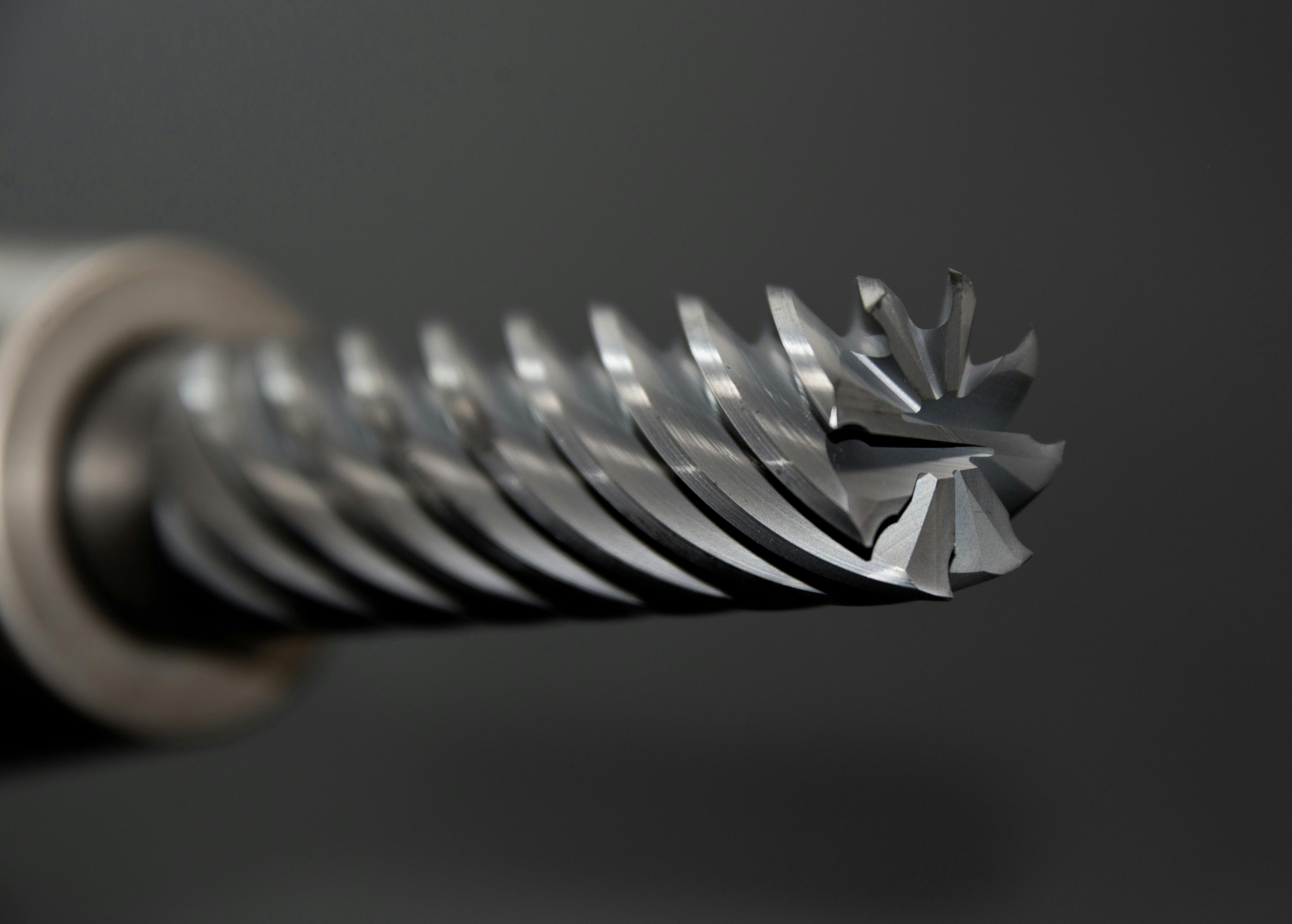
The flutes are the spiral grooves that run up the length of the drill bit. Their job is to clear away the chips and debris created by the drilling process and to help lubricate the cut. For stainless steel, you want flutes that are designed for efficient chip evacuation.
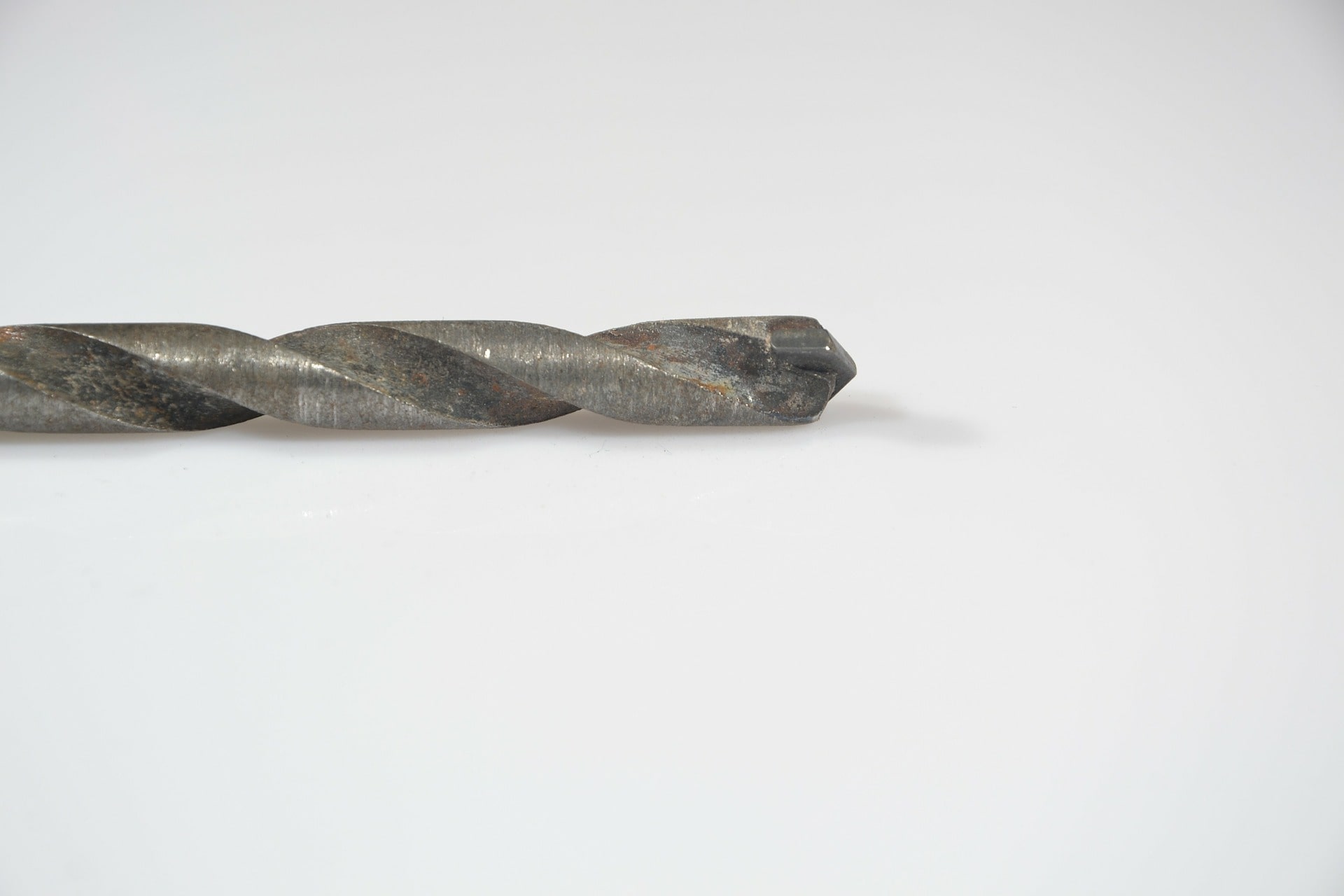
This often means deep, polished flutes. Deep flutes allow for more space for the chips to travel up and out, preventing them from packing up and causing the bit to bind or overheat. Polished flutes reduce friction, further aiding in heat dissipation. Imagine the flutes as tiny highways for your metal shavings to escape the scene. The clearer the highway, the smoother the journey.
3. Split-Point Tip: No More Wandering!
This is a game-changer, especially for stainless steel. A split-point or self-centering tip means the very tip of the drill bit has been ground with a special geometry that allows it to start drilling precisely where you want it to, without "walking" across the surface. This eliminates the need for a center punch in many cases.
It’s like a built-in GPS for your drill! You place the bit, and it stays put. This is incredibly useful when you're aiming for a precise hole location on a shiny, flat surface. No more frantic dabs with a marker or annoying dents from a center punch.
4. Straight Shank vs. Tapered Shank
Most of the drill bits you'll encounter for general DIY use will have a straight shank, meaning the part that grips in your drill chuck is cylindrical. For heavier-duty industrial applications, you might see tapered shank bits, which fit into special chucks. For most of us, straight shank bits are perfectly fine.
The key is to ensure your drill chuck can grip the shank securely. A loose grip will lead to wobbling and imprecise holes, which is the last thing you want when tackling stainless steel.
Essential Techniques: Drilling Stainless Steel Like a Pro
Even with the best drill bits, drilling stainless steel can be a challenge if you don't employ the right techniques. Think of it as knowing how to cook an exquisite meal – you need the best ingredients (your drill bits) and the right recipe (your technique).
1. Lubrication is Your Best Friend
This cannot be stressed enough: use a cutting fluid or lubricant. This is probably the single most important tip for drilling stainless steel. A good cutting fluid (or even some motor oil in a pinch) will: * Cool the bit: Significantly reducing heat buildup. * Lubricate the cut: Making it easier for the bit to penetrate. * Help clear chips: Washing them away from the cutting area. * Prevent galling: A nasty tendency for stainless steel to stick and tear.
Apply the lubricant generously to the drilling area before you start and reapply as needed. It might seem messy, but trust us, it’s far better than dealing with a burned-out drill bit and a ruined workpiece. Think of it as giving your drill a spa treatment.
2. Go Slow and Steady Wins the Race
Resist the urge to blast through the material at high speed. Stainless steel requires a slower drill speed than softer metals. Too fast, and you’ll generate excessive heat, quickly dulling your bit and potentially damaging the stainless steel itself (leading to discoloration or hardening).
Start at a moderate speed and, if you have a variable speed drill, experiment to find what works best for your specific bit and thickness of steel. It's about controlled aggression, not brute force. Like a mindful meditation session, patience is key.
3. Apply Consistent, Firm Pressure
Once you’ve found your slow speed, apply consistent, firm pressure. You want the drill bit to cut, not just rub. However, don't force it excessively. Let the sharp edge of the bit do the work. Too little pressure won’t cut, too much can lead to bit breakage or camming out of the hole.
It's a delicate balance, akin to learning to ride a bike. You need enough pressure to engage the pedals, but not so much that you tip over. Regularly lifting the drill slightly to allow lubricant to flow and chips to clear can also be beneficial.
4. Start Small and Step Up
For larger holes, it’s often best to start with a smaller pilot hole and then gradually step up to larger drill bits. For example, if you need a 1/2-inch hole, start with a 1/8-inch or 3/16-inch bit, then a 1/4-inch, and so on. This makes each subsequent drilling step much easier and less demanding on your drill bit and drill motor.
This is like building a house – you start with the foundation before you put on the roof. Each smaller hole creates a guide for the larger one, ensuring accuracy and reducing stress.

5. Keep Your Bits Sharp!
This might sound obvious, but it's worth repeating. A dull drill bit is not only inefficient but can actually cause more problems, including overheating and work hardening the stainless steel. Regularly inspect your bits and replace or sharpen them when they start to show signs of wear. A sharp bit cuts cleanly and with less effort.
Think of a dull knife in the kitchen – it crushes more than it cuts. The same principle applies to your drill bits. Invest in a good sharpening stone or a drill bit sharpener, or simply replace dull bits. It’s an investment in your sanity and your projects.
Putting It All Together: Your Stainless Steel Success Story
So there you have it – a deep dive into the world of drilling stainless steel. We've covered the essential materials like cobalt and titanium coatings, explored the importance of design elements like the point angle and split-point tip, and armed you with practical techniques like using plenty of lubricant and drilling at a slower speed.
Choosing the right drill bit might seem like a small detail, but when you’re facing a project that requires precision and durability, it can make all the difference. It’s like choosing the right paint for your masterpiece or the perfect coffee blend to kickstart your morning – the right tool elevates the experience.
When you’re armed with the knowledge of what makes a drill bit "great" for stainless steel, you can approach your projects with confidence. No more dreading that metallic glint; instead, you can anticipate a smooth, satisfying drilling experience.
A Little Reflection to Wrap Up
In a world that often moves at breakneck speed, there’s a quiet satisfaction to be found in mastering a skill, even a seemingly small one like choosing the right drill bit. It’s about paying attention to the details, understanding the materials you’re working with, and investing in the right tools to make your life easier and your projects better.
Whether you're crafting a bespoke piece of furniture, repairing an appliance, or just indulging in a weekend DIY adventure, the ability to conquer stainless steel with ease is a small victory. It reminds us that with a little knowledge and the right approach, even the toughest challenges can be met with grace and efficiency. So, the next time you face that gleaming expanse of stainless steel, remember this guide, grab your cobalt bits, and drill on with confidence. Happy making!