
Best Equalizer Settings For Metal

So, you've got a killer metal playlist ready to blast, but something's not quite… there? Maybe the guttural vocals are a bit muddy, the blistering guitar solos are getting lost in the mix, or the bass just isn't delivering that bone-shaking rumble. Fear not, fellow headbanger! Diving into equalizer (EQ) settings for metal is like discovering a secret cheat code for your audio experience. It's not just about making things louder; it's about sculpting the sound to unleash the full, ferocious power of your favorite tracks. Think of it as being the sonic blacksmith, forging the perfect soundscape for your mosh pit, your car rides, or just your intense solo listening sessions. It’s a super rewarding way to connect deeper with the music you love, making every riff, every drum hit, and every vocal growl pop with clarity and impact.
Unlocking the Metal Magic with EQ
At its heart, an equalizer is your sound's sculptor. It allows you to boost or cut specific frequencies – those invisible sonic building blocks that make up everything you hear. For metal, this is incredibly useful because the genre is often packed with a lot of sonic information across a wide range of frequencies. Without proper EQ, some elements can clash or get buried, leading to a less impactful and enjoyable listen.
The benefits are huge! A well-tuned EQ can:
- Enhance Clarity: Make those intricate guitar riffs and fast drum fills crystal clear, so you can appreciate the musicianship.
- Boost Impact: Give the low-end that satisfying punch and rumble, making the bass and kick drum feel powerful.
- Define Vocals: Ensure the aggressive vocals cut through the wall of sound without sounding harsh.
- Reduce Muddiness: Clean up any frequency build-up that makes the overall sound cluttered or indistinct.
- Personalize Your Sound: Tailor the audio to your specific headphones, speakers, or even your personal preference for different subgenres of metal.
A Friendly Guide to Metal EQ Settings
While there's no single "magic" setting that works for every song and every setup, we can talk about some general principles and common adjustments that tend to work wonders for metal. Think of these as starting points on your sonic adventure!
"The beauty of EQ is that it’s a personal journey. What sounds amazing to one person might be slightly different for another."
The Low-End Rumble: Bass & Kick Drum Power
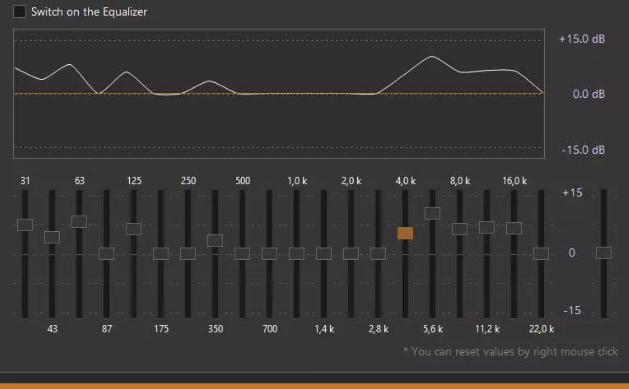
Metal often relies on a strong foundation, and that’s where the lower frequencies come in. We’re talking about that satisfying 60Hz to 150Hz range. For a solid, impactful bass and kick drum, you’ll often want to give this area a gentle boost. However, be careful not to overdo it! Too much boost here can lead to a boomy, undefined mess. If your bass starts sounding like it’s underwater, you might need to slightly cut around 200Hz to 300Hz. This area can sometimes get a bit muddy, and cleaning it up can make everything else sound tighter and more articulate.
The Mid-Range Mayhem: Guitars & Vocals Presence
The mid-range frequencies, roughly from 500Hz to 4kHz, are where a lot of the magic happens for guitars and vocals. This is the "presence" zone.
For those searing guitar solos and heavy riffs, you might find a slight boost around 1kHz to 3kHz really makes them soar. This is where the bite and aggression of distorted guitars live. However, if the guitars start sounding too harsh or "tinny," you might need to back off slightly in this range or even consider a small cut around 500Hz to 700Hz.
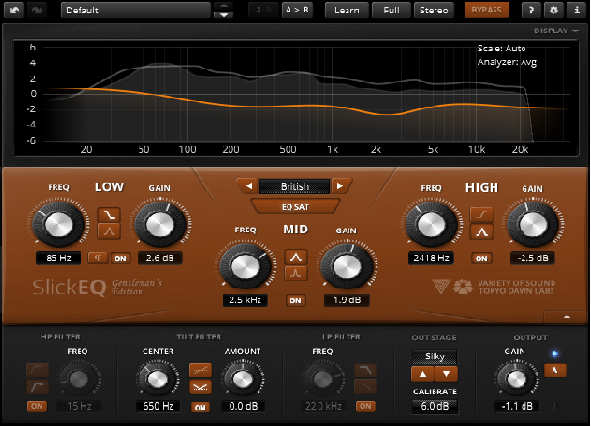
Vocals in metal can be a tricky beast. Guttural growls and screams often sit in the lower-mids, and aggressive cleans can be in the upper-mids. To help vocals cut through the mix without sounding piercing, a subtle boost around 2kHz to 4kHz can work wonders. This is the "intelligibility" range. If the vocals sound too harsh or sibilant (that “sss” sound), a small cut in the 4kHz to 6kHz range might be needed.
The High-End Sparkle: Cymbals & Clarity
The higher frequencies, from 4kHz up to 16kHz and beyond, are where you find the sparkle, air, and detail. This is where the crispness of the cymbals and the clarity of the overall mix reside. A gentle boost in the 6kHz to 10kHz range can add a nice sense of air and detail, making everything sound more open and alive. Be cautious here, though! Too much boost can lead to a harsh, fatiguing sound, especially with bright cymbals or certain vocalizations. If you're experiencing ear fatigue, this is often the first place to look.
Putting It All Together: A Starting Point
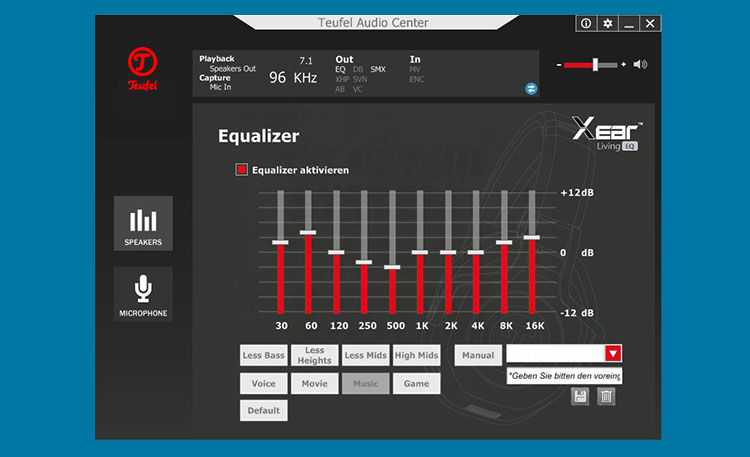
Here's a very general starting point for a typical metal EQ, which you can then tweak based on your specific gear and preferences:
- -3dB to +3dB boost in the 60Hz to 150Hz range (for punchy bass and kick).
- -3dB to +2dB boost in the 1kHz to 3kHz range (for guitar bite and vocal clarity).
- -2dB to +2dB boost in the 6kHz to 10kHz range (for cymbal crispness and air).
- Consider small cuts in the 200Hz to 300Hz range if the low-end feels muddy.
- Consider small cuts in the 4kHz to 6kHz range if vocals or guitars sound too harsh.
Remember, these are just guidelines! The best way to find your perfect metal EQ is to experiment. Play your favorite tracks, make small adjustments, and listen carefully. Does it sound more powerful? More clear? More exciting? Your ears are the ultimate judge. So, go forth, experiment, and unleash the true sonic fury of your metal collection! Happy headbanging!