
Best Glue For Metal On Metal

Ever stared at a wobbly metal leg on your favorite chair, or a beloved metal sculpture that’s seen better days? Or maybe you’re the DIY wizard who dreams of crafting something amazing from scratch, needing two pieces of gleaming metal to become one permanent unit. Well, get ready to become a metal-bonding maestro, because we’re diving into the wonderfully sticky world of the best glue for metal on metal! It might sound a bit niche, but trust us, having the right adhesive in your toolkit is like having a superpower for repairs and creations. It’s not just about sticking things together; it’s about restoring, reinventing, and bringing your metal visions to life. So, let’s ditch the frustration and embrace the satisfaction of a rock-solid bond!
Why the Fuss About Metal Glue?
Let’s be honest, metal can be a tricky material. It’s strong, durable, and often beautiful, but it doesn’t always play nice with conventional glues. Some materials are porous, giving glues something to grip onto. Metal, with its smooth, non-porous surface, often requires a bit more oomph and a specialized approach. That’s where the best glue for metal on metal comes in. These aren't your average school-project glues; they're engineered to create bonds that can withstand stress, temperature changes, and the test of time. Whether you're fixing a loose hinge, reattaching a decorative emblem, or embarking on a metal art project, the right glue means the difference between a quick fix and a permanent, reliable repair or creation.
Think about the sheer versatility! From household repairs that save you money and frustration to crafting intricate metal jewelry or even undertaking more robust projects like model building or automotive repairs, having a go-to metal adhesive opens up a world of possibilities. It's about enabling you to tackle jobs that previously might have seemed impossible or required expensive professional help. Plus, let’s not forget the satisfaction of a job well done, a piece restored to its former glory, or a new masterpiece proudly displayed.
The Heavy Hitters: Top Contenders for Metal Bonding
When it comes to gluing metal to metal, a few types of adhesives consistently rise to the top, each with its own strengths and ideal applications. Understanding these key players will help you choose the perfect match for your project.
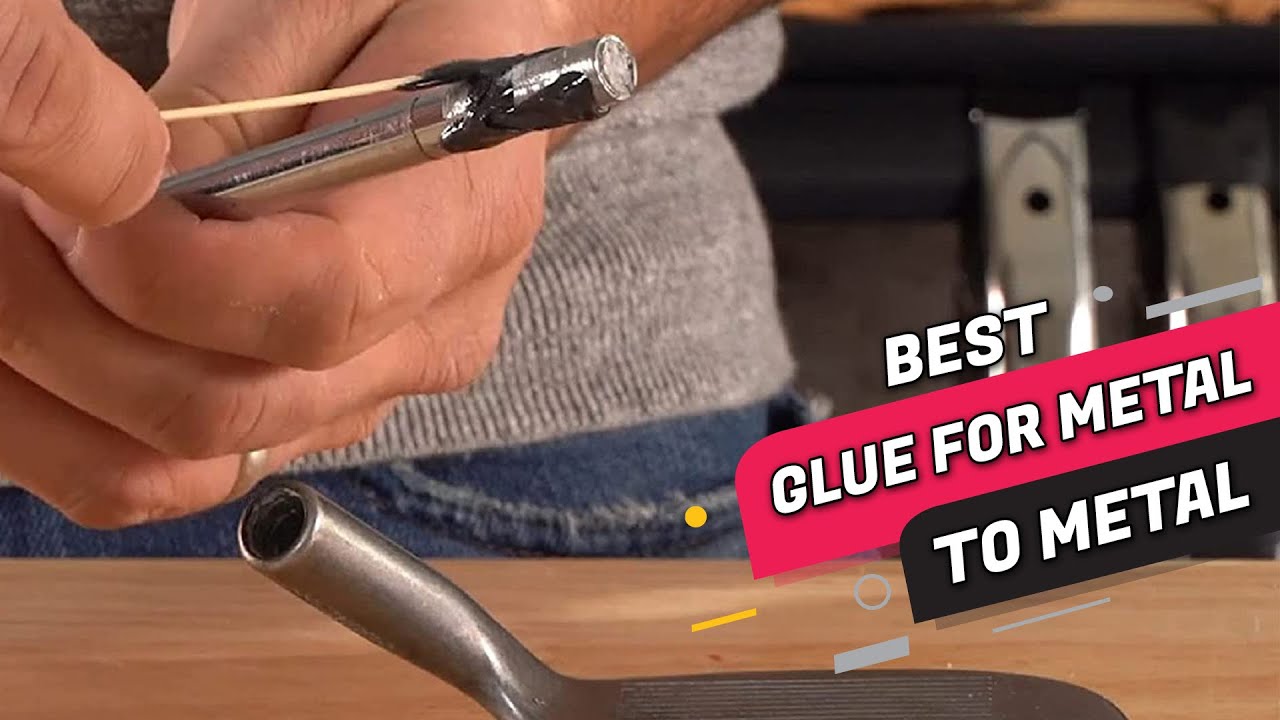
First up, we have the legendary epoxy. This two-part wonder is the heavyweight champion of metal adhesion. Typically, you mix a resin and a hardener, and the chemical reaction creates an incredibly strong, rigid, and durable bond. Epoxies are fantastic for filling gaps and can often create bonds stronger than the materials themselves. They excel when you need a bond that can handle significant stress, vibration, and even extreme temperatures. Structural epoxies are specifically formulated for heavy-duty applications, making them a top choice for anything requiring serious strength and longevity. They come in various cure times, from quick-setting to those that require overnight patience, allowing you to choose based on your urgency and project needs.
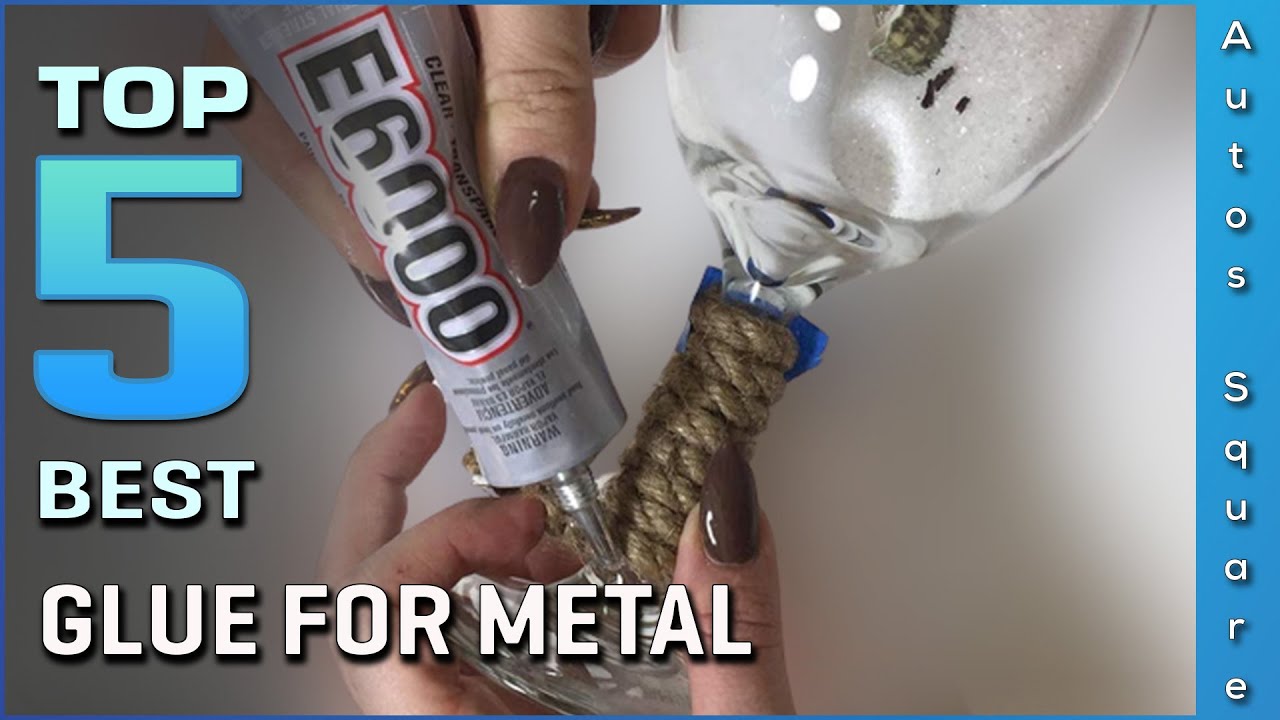
Next, let’s talk about super glues, or cyanoacrylates. These are the rapid responders of the adhesive world. While not always the strongest for extreme stress, they offer incredibly fast bonding times and are excellent for small, precise repairs where speed is key. Many super glues now have formulations specifically designed for metal, offering better flexibility and impact resistance than their older counterparts. For lighter-duty repairs or when you just need something to stick quickly, a good quality super glue for metal is a lifesaver. Just be mindful of getting it on your fingers – these things are fast!
Then there are metal adhesives, which are often formulated as one-part solutions designed for ease of use. These can include specialized acrylics or other polymer-based adhesives. They often offer a good balance of strength, flexibility, and water resistance, making them suitable for a variety of applications, from general repairs to decorative metalwork. Some even offer metal-like finishes when cured, blending seamlessly with your project. They are often more forgiving than epoxies, requiring less precise mixing and handling.
For more demanding situations, especially in automotive or industrial settings, metal bonding adhesives, often referred to as structural adhesives, are the way to go. These are typically high-performance epoxies or polyurethanes designed to replicate or even surpass the strength of welding or riveting. They are engineered to withstand heavy loads, extreme temperatures, and harsh environmental conditions. If your project involves anything that will be under significant strain or exposed to the elements, these are the adhesives you’ll want to consider.
Tips for Success: Making Your Bond Unbreakable
No matter which glue you choose, preparation is absolutely key to achieving a strong, lasting bond. Think of it like building a solid foundation for a house – the better the base, the stronger the structure.
Cleanliness is king! Metal surfaces must be thoroughly cleaned and degreased. Any oil, dirt, or old adhesive will act as a barrier, preventing the new glue from making proper contact. Use a good degreaser or rubbing alcohol for this. A light sanding of the surfaces can also help create a rougher texture for the glue to grip onto, especially for very smooth metals.
![[Top Rated] Best Glue For Metal Reviews In 2020 | Reviews Classic](https://i1.wp.com/reviewsclassic.com/wp-content/uploads/2018/10/Best-Glue-for-metal-Reviews.jpg?resize=750%2C420&ssl=1)
Read the instructions! This might sound obvious, but each adhesive has its own specific application and curing process. Follow the manufacturer’s guidelines for mixing (if applicable), application, clamping, and curing time. Rushing the process is the fastest way to a weak bond.
Apply evenly. Ensure you apply a consistent layer of adhesive to one or both surfaces, depending on the product. Don’t overdo it, as excess glue can squeeze out and create a messy finish. But don’t skimp either!
![Metal Glue: Best Metal Glue Reviews 2024 [Top Rated] - YouTube](https://i.ytimg.com/vi/ydOjzxoR_ig/maxresdefault.jpg)
Clamp it down. Many adhesives require pressure during the curing process to ensure intimate contact between the surfaces. Use clamps, tape, or weights to hold the pieces firmly in place until the glue is fully set.
Be patient. While some super glues are incredibly fast, others, especially epoxies, require significant cure time. Resist the temptation to test the bond too early. The full strength of the adhesive is often achieved after 24 hours or even longer.
So, there you have it! The world of metal-to-metal gluing isn’t so daunting after all. With the right adhesive and a little bit of care, you can tackle those repairs and bring your creative metal projects to life. Happy bonding!