
Best Metal Bands Of 2000s
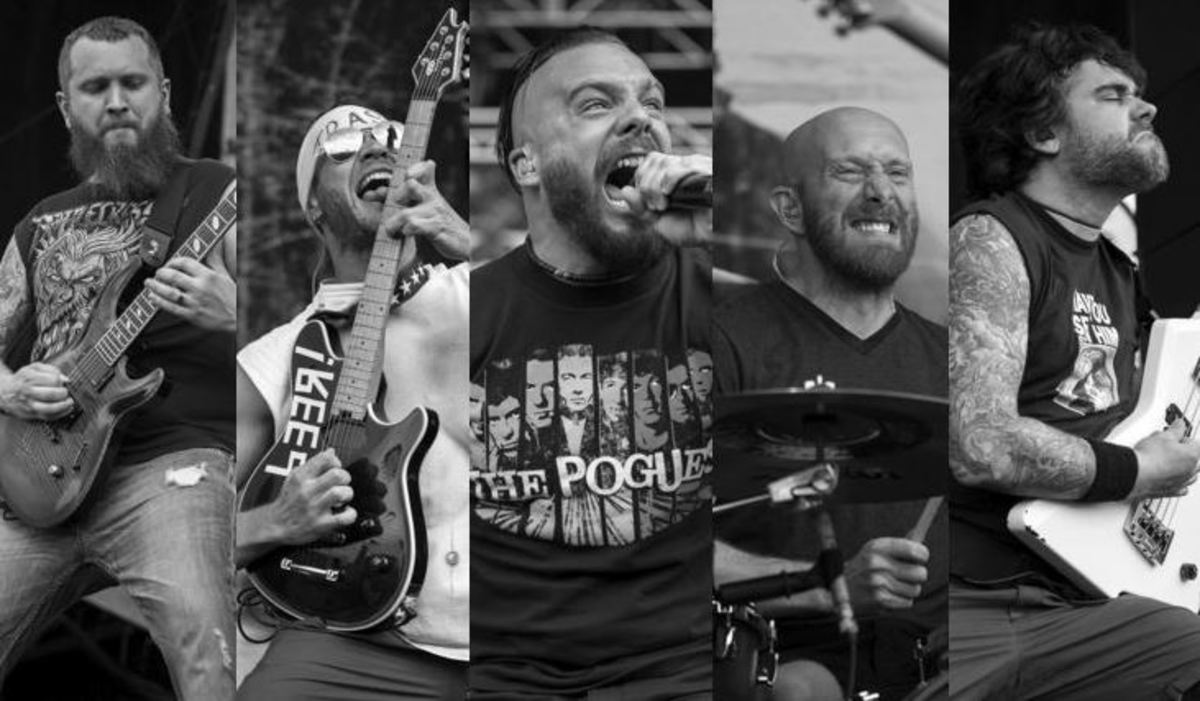
Ah, the 2000s. A decade of questionable fashion choices (we're looking at you, low-rise jeans and chunky highlights!), the rise of the iPod, and a truly wild evolution in the world of metal. If you, like me, spent those years headbanging in your bedroom, navigating the choppy waters of high school, or just generally trying to figure things out, then this is for you. We're diving headfirst into the best metal bands that defined the 2000s, a golden era that gave us everything from blistering speed to introspective introspection. Grab a lukewarm energy drink, settle in, and let's reminisce.
The turn of the millennium wasn't just about Y2K fears; it was a seismic shift in how metal was perceived and created. The rigid subgenres of the past started to blur, giving way to a fascinating hybridity. It was a time when bands weren't afraid to experiment, to blend their influences, and to reach a wider audience than ever before. Think of it as the ultimate metal mixtape, curated by some of the most talented musicians on the planet.
The New Wave of Groove and Aggression: Nu-Metal's Reign (and its Gentle Fade)
Let's be honest, you can't talk about 2000s metal without acknowledging the elephant in the room: nu-metal. It was inescapable, a cultural phenomenon that brought heavy riffs and angst-ridden lyrics to the mainstream. While some might scoff now, there's no denying the impact and the sheer energy these bands brought.
Leading the charge, of course, was Korn. They weren't strictly a 2000s band, but their influence and continued output throughout the decade solidified their legacy. Tracks like "Freak on a Leash" (released in '99, but its video dominated MTV for ages) and the darker, more experimental "Untouchables" album showed their willingness to push boundaries. Their raw emotion and distinctive sound were a breath of fresh air for many.
Then came System Of A Down. Oh, System Of A Down. Were they nu-metal? Were they something else entirely? Honestly, who cares! Their blend of frantic energy, political commentary, and utterly bizarre vocalizations was groundbreaking. Albums like "Toxicity" and "Steal This Album!" are pure sonic chaos in the best possible way. Their song structures were unconventional, their lyrics often nonsensical yet deeply meaningful, and their live shows were legendary. If you ever saw them live, you know you witnessed something truly special. Pro Tip: Trying to sing along to Serj Tankian's rapid-fire delivery is a fantastic workout for your vocal cords, and probably your sanity.
And who could forget Linkin Park? They perfected the art of the melodic metalcore-meets-rap crossover. "Hybrid Theory" and "Meteora" are absolute staples of the era. Chester Bennington's dual vocal attack – the clean, soaring melodies and the guttural screams – resonated with millions. Their songs had an anthemic quality that made them perfect for stadium singalongs, even if you only knew half the words. Their ability to craft catchy hooks within heavy arrangements was a masterclass. Fun Fact: The iconic "In the End" was originally written by Mike Shinoda as a rap song before Chester added his vocals, showcasing the band's collaborative magic.
Other heavy hitters in this realm included Slipknot, who brought pure, unadulterated aggression and a terrifying visual aesthetic. Their masked personas and relentless sonic assault were a visceral experience. And let's not overlook Limp Bizkit, who, for better or worse, injected a dose of frat-boy swagger and undeniably catchy, if sometimes simplistic, riffs into the metal scene. Their impact, while controversial, is undeniable in the broader cultural landscape of the early 2000s.

The Swedish Invasion: Melodic Death Metal Matures
While nu-metal was dominating the airwaves, another scene was quietly, or rather, loudly, evolving across the pond. Sweden continued its reign as a hotbed for melodic death metal, refining its sound and producing bands that would become titans of the genre.
In Flames were already established, but the 2000s saw them release some of their most iconic work. Albums like "Clayman" and "Reroute to Remain" showcased their signature blend of aggressive riffs, soaring guitar melodies, and Anders Fridén's distinctive vocals. They managed to retain their core sound while incorporating more accessible elements, making them a gateway band for many.
Dark Tranquillity also hit their stride. Their albums "Haven," "Damage Done," and "Fiction" were masterclasses in atmospheric, melodic death metal. Mikael Stanne's vocals, a perfect balance of harshness and clarity, coupled with the intricate guitar work, created a sound that was both brutal and beautiful. They were pioneers in pushing the genre's boundaries.
And then there was At The Gates. While their reunion in the late 2000s was a massive event, their influence from earlier work permeated the decade. Their raw, uncompromising sound was a blueprint for so many bands that followed. Their legacy was cemented in the hearts of melodeath fans worldwide.
These bands weren't just rehashing old formulas; they were evolving. They incorporated new production techniques, experimented with song structures, and brought a level of musicianship that was simply astounding. Cultural Reference: Think of it like the evolution of a classic video game. The core gameplay is still there, but the graphics are better, the mechanics are smoother, and there are new challenges to discover.
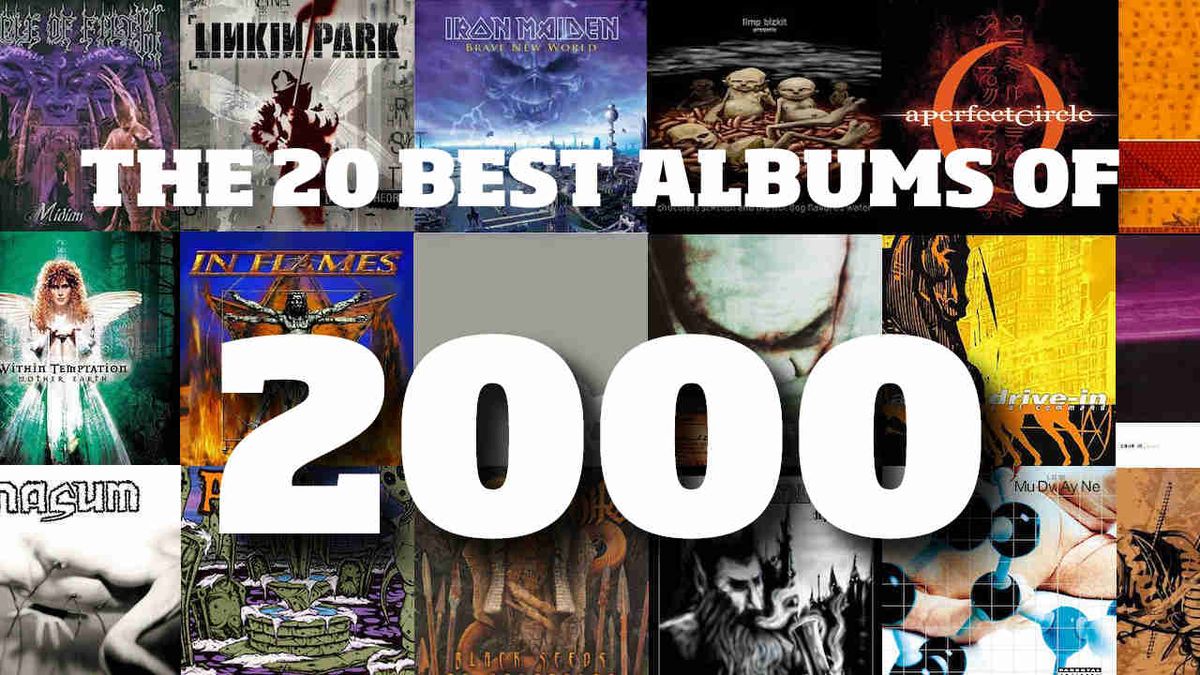
The Progressive Powerhouses: Complexity and Emotion
For those who craved something a little more intricate, a little more cerebral, the 2000s delivered in spades. Progressive metal continued to flourish, with bands pushing the limits of technicality and musical storytelling.
Dream Theater remained at the pinnacle of the genre. Albums like "Metropolis Pt. 2: Scenes from a Memory" (released in '99, but its impact carried through) and "Six Degrees of Inner Turbulence" showcased their unparalleled musicianship, complex song structures, and ambitious conceptual narratives. Their technical prowess was, and still is, mind-boggling. Practical Tip: If you're feeling overwhelmed by a complex problem in your daily life, try listening to a Dream Theater song. The sheer amount of stuff going on might just put your own issues into perspective!
Opeth, on the other hand, brought a unique darkness and atmosphere to prog. Mikael Åkerfeldt's blend of death metal growls and clean, haunting vocals, coupled with their ability to seamlessly transition from brutal passages to serene acoustic sections, was revolutionary. Albums like "Blackwater Park" and "Deliverance" are essential listening for any metal fan interested in atmosphere and dynamic range. Their ability to evoke such potent imagery through sound is truly remarkable.
Tool continued to captivate their devoted fanbase with their cerebral, often cryptic, and deeply atmospheric music. Albums like "Lateralus" explored themes of mathematics, spirituality, and human consciousness, all wrapped in complex rhythms and powerful, driving riffs. Their music demands attention and rewards repeated listens. Fun Fact: The Fibonacci sequence is prominently featured in the song "Lateralus," reflecting the band's fascination with natural patterns and mathematical concepts.
The Rise of the Metalcore and Post-Hardcore Crossover
The 2000s also saw the explosion of metalcore and post-hardcore. These genres, often characterized by breakdowns, clean and screamed vocals, and emotionally charged lyrics, found a massive following.
Killswitch Engage became a benchmark for melodic metalcore. Howard Jones' powerful vocals, combined with Adam Dutkiewicz's infectious riffs and Jesse Leach's earlier contributions, created a sound that was both aggressive and incredibly catchy. Albums like "The End of Heartache" were instrumental in defining the genre for a new generation. Their anthemic choruses were made for mosh pits and soaring crowds.
As I Lay Dying brought a more aggressive, yet still melodic, approach to metalcore. Their dual guitar attack and Tim Lambesis's ferocious vocals made them a force to be reckoned with. Albums like "Frail Words Collapse" and "Shadows Are Security" are prime examples of their impact.
On the post-hardcore side, bands like The Used and Alexisonfire offered a more raw, emotionally driven sound. Bert McCracken's anguished vocals and The Used's dynamic shifts captured the youthful angst of the era. Alexisonfire, with their dual vocalists and intense energy, became a staple of the scene. Their blend of aggression and melodic sensibilities resonated with a generation seeking an outlet for their emotions.
Beyond the Subgenres: Icons and Innovators
Of course, metal in the 2000s wasn't confined to neat little boxes. Many bands transcended these categories, either continuing their established legacies or forging entirely new paths.
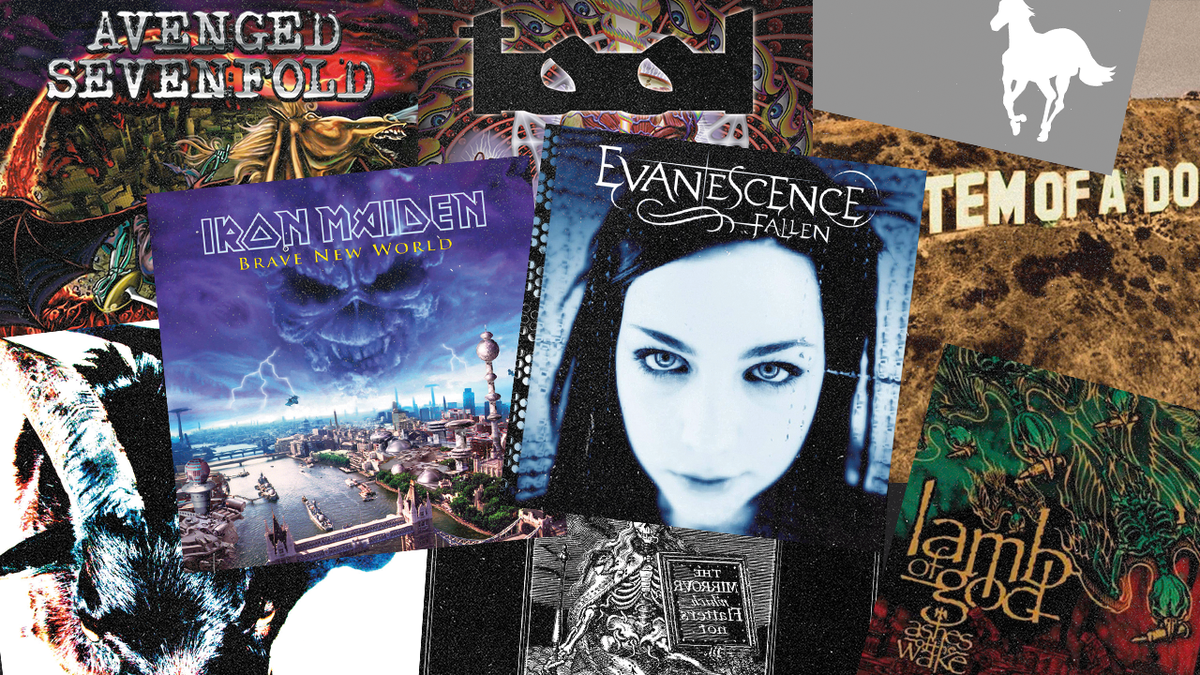
Lamb of God emerged as a powerhouse of groove metal and thrash. Randy Blythe's commanding presence and the band's relentless riffing made them a staple of modern metal. Albums like "As the Palaces Burn" and "Sacrament" cemented their status as one of the most vital metal bands of the decade. They brought a raw, undeniable energy to their live shows that left audiences breathless.
Mastodon carved out their own unique niche with their blend of sludge, progressive, and psychedelic elements. Their ambitious concept albums like "Leviathan" and "Blood Mountain" were lauded for their intricate musicianship and thematic depth. They proved that heavy music could also be intelligent and deeply artistic.
And we can't forget the enduring power of bands like Metallica, who, despite some questionable sonic detours in the late 90s, released "St. Anger" in 2003 – a raw, often divisive, but undeniably metal album that showed they weren't done yet. And while they might not have been new to the scene, their continued presence and the debates surrounding their 2000s output are a testament to their enduring influence.
A Reflection on the Riffs and the Real World
Looking back at the metal landscape of the 2000s is like flipping through a well-loved photo album. Each band, each album, evokes a specific memory, a feeling, a soundtrack to a particular chapter of our lives. Whether it was screaming along to a Linkin Park chorus on a long car ride, getting lost in the intricate guitar solos of a Dream Theater track, or feeling the catharsis of a brutal breakdown from Killswitch Engage, these bands provided an outlet, a community, and a powerful form of self-expression.
The beauty of metal, at its core, is its ability to tap into our deepest emotions, our frustrations, our joys, and our anxieties. It's a genre that doesn't shy away from the darker aspects of life but often finds a way to transform them into something powerful and, dare I say, beautiful. Just like navigating the twists and turns of life, metal often requires a willingness to embrace complexity, to find harmony in discord, and to never be afraid to be loud. So, the next time you're feeling overwhelmed or just need a good sonic escape, crank up some of these 2000s heavyweights. They might just remind you that even in the heaviest of moments, there's a rhythm, a melody, and a powerful force within you waiting to be unleashed.