
Best Metal For Belly Button Piercing

So, you're thinking about getting a belly button piercing? Awesome! It's a super fun way to add a little sparkle and sass. But before you dive headfirst into the world of dangling charms and shiny baubles, there's a super important decision to make: what metal should you choose? Don't worry, it's not as intimidating as it sounds. Think of me as your friendly, slightly-more-experienced-piercing-pal guiding you through the bling-tastic jungle.
Seriously though, this is where the magic (and maybe a little bit of potential drama) happens. Picking the right metal is like choosing the perfect outfit for a night out – it's got to look good, feel good, and not cause any unnecessary trouble. And trust me, nobody wants trouble when their belly button is the star of the show!
Let's break it down, shall we? We're going to chat about the MVP metals, the ones that'll make your piercing sing (and not scream in protest). We’ll also touch on a couple of the “maybe next time, buddy” options, just so you’re in the know. No judgment here, just pure, unadulterated piercing wisdom!
The Reigning Champions: Your Belly Button's Best Friends
Alright, let's get to the good stuff. These are the metals that are generally considered the cream of the crop, the MVPs, the absolute winners when it comes to new piercings, especially something as sensitive as your belly button. They're hypoallergenic, durable, and, let's be honest, they look fabulous.
1. Implant-Grade Titanium: The Superhero of Metals
Okay, imagine a superhero. Strong, reliable, and totally safe. That's titanium! It's the gold standard for a reason. It's incredibly lightweight, which is a bonus when you’re rocking a new piece of jewelry. But the real star of the show? It's biocompatible. That’s a fancy word for “your body loves it.” It's super unlikely to cause any allergic reactions, making it a fantastic choice for initial piercings and for anyone with sensitive skin.
Think of it like this: your body is a VIP club, and titanium has a golden ticket. It won't cause any drama, no redness, no swelling, just smooth sailing towards healing. Plus, it comes in a bunch of cool colors thanks to anodization (basically, a colorful coating that’s fused to the metal). So you can go for classic silver, a sassy rose gold hue, or even a vibrant blue. The possibilities are, dare I say, endless!
When you’re looking at jewelry, specifically for your belly button, you’ll often see terms like "ASTM F-136" or "implant-grade titanium." These are the magic words, the secret handshake that tells you you're getting the good stuff. Don't be shy to ask your piercer about it. A good piercer will always use implant-grade titanium for initial piercings. It's their duty, their honor, their… well, you get the idea!
So, why titanium? Because it’s the ultimate wingman for your healing journey. It’s strong, it’s safe, and it’s stylish. What more could you ask for? It’s like the dependable friend who’s always there for you, but also knows how to rock a fabulous accessory. You really can’t go wrong with this one.

2. Niobium: The Understated Gem
If titanium is the superhero, niobium is its cool, slightly more mysterious cousin. Niobium is another excellent choice for initial piercings because, just like titanium, it’s highly biocompatible and hypoallergenic. This means it’s another metal that your body is going to greet with open arms, not with a rash.
It's also quite durable and doesn't corrode, which is crucial for something that’s going to be hanging out in a place that gets… well, you know, a bit of moisture and friction. Niobium has a lovely natural greyish-blue hue, but it can also be anodized to achieve a range of colors, similar to titanium. So if you’re looking for something a little less common but equally safe and stylish, niobium is definitely worth considering.
It might not be as widely available as titanium in every single piercing studio, but if you find it, embrace it! It's a fantastic option that gets overlooked sometimes. Think of it as finding a hidden gem in a jewelry store – totally worth the hunt. It’s the quiet achiever of the piercing world, doing its job perfectly without needing to shout about it.
The biggest plus with niobium is its extreme inertness. It’s basically like wearing a little piece of inert rock that happens to look amazing. This makes it an absolute champion for people who have reacted to other metals in the past. It’s the ultimate “try me, I dare you to be allergic to me” metal. Spoiler alert: you probably won’t be!
3. 14k or 18k Solid Gold (Nickel-Free!): The Glamorous Classic
Ah, gold. The timeless symbol of luxury and beauty. When it comes to piercings, we're talking about solid gold, specifically 14k or 18k. Now, this is where things get a little bit nuanced, like choosing between a casual brunch outfit and a black-tie gown. You want the fancy one, but make sure it's the right kind of fancy.

Why 14k or 18k? These purities mean that the gold is alloyed with other metals to make it strong enough to be fashioned into jewelry. The catch? Some of those alloying metals, particularly nickel, can be a major irritant for many people. So, the golden rule (pun intended!) for initial piercings is to opt for nickel-free solid gold. If a piercer suggests gold that isn't explicitly labeled nickel-free, maybe give it a pass for your initial jewelry.
When it's the right kind of gold (nickel-free, of course!), it's a fantastic choice. It’s beautiful, it doesn't tarnish easily, and it’s a great option for healed piercings. Some people can even wear solid gold for their initial piercings if they have no known metal sensitivities and the jewelry is of a high quality. However, for the safest bet during the initial healing phase, titanium or niobium often take the crown.
But oh, the glamour! Yellow gold, rose gold, white gold – they all have that undeniable allure. If you're thinking long-term and your piercing is happy and healed, solid gold is a fantastic way to go. It’s like that little black dress in your closet – always chic, always appropriate, and always makes you feel amazing. Just make sure it’s the real deal and not going to cause any unexpected drama.
The key here is "solid." Avoid "gold-plated" or "gold-filled" for initial piercings. Those outer layers can wear off, exposing potentially problematic base metals underneath. We want pure, unadulterated bling, my friends!
The “Maybe Someday” Club: Proceed with Caution!
Now, let’s talk about the metals that are generally best saved for after your belly button has fully healed and is no longer a fresh, delicate flower. These can be perfectly fine for healed piercings, but for that initial, sensitive stage? It’s a bit like wearing stilettos to a marathon – probably not the best idea.
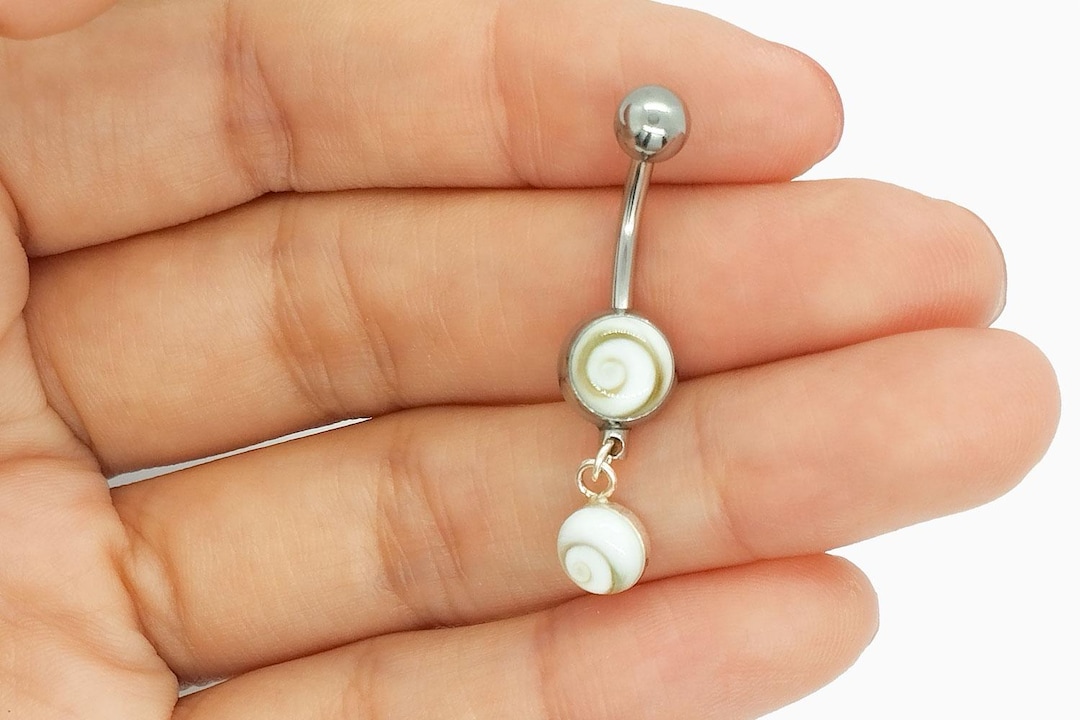
1. Surgical Stainless Steel: The Popular Kid (with a Caveat!)
Okay, surgical stainless steel is everywhere. It’s affordable, it’s shiny, and it’s used in a lot of initial piercings. However, and this is a big “however,” it often contains nickel. Even "surgical" grades can have trace amounts that are enough to cause problems for sensitive individuals. Think of it as a popular kid who might secretly be a bit of a bully to your skin.
If you have no known metal sensitivities and your piercer assures you they use a high-quality, nickel-free surgical stainless steel specifically for initial piercings, it might be okay. But honestly, why take the risk when you have the super-safe options of titanium and niobium readily available? It’s like choosing between a reliable, comfy pair of sneakers and a pair of trendy but potentially blister-inducing shoes for a long walk.
For healed piercings, good quality stainless steel is usually fine for most people. But for that crucial healing phase, it’s a bit of a gamble. Your belly button deserves the safest bet, the surefire winner. Let’s keep the stainless steel for when your piercing is a seasoned pro and can handle a little more excitement.
2. Sterling Silver: Beautiful, But Not for Beginners
Oh, sterling silver! It’s so pretty, so classic. You can find gorgeous silver jewelry everywhere. But here’s the thing: sterling silver is typically 92.5% silver and 7.5% other metals, often copper. And copper, my friends, is not always a bestie for fresh piercings. It can cause irritation, discoloration, and slow down healing.
So, while sterling silver is great for your earrings (if you don’t have issues) or necklaces, it’s generally a big no-no for initial belly button piercings. Think of it like this: your fresh piercing is like a tiny, delicate baby bird. Sterling silver is like handing it a whole bag of… well, something that isn't quite right for it. Let it grow up a bit first!

Once your belly button piercing is fully healed – and I mean completely healed, no tenderness, no redness, no crusties – then you can absolutely rock some beautiful sterling silver. But for that initial journey? Keep it in the jewelry box and opt for the superheroes of metal.
The Final Word: Your Piercing's Happy Ending
So there you have it! Choosing the right metal for your belly button piercing is all about giving your body the best chance to heal happily and healthily. Think of it as an investment in your future sparkle. You’re setting yourself up for success, for a beautiful, comfortable piercing that you’ll love for years to come.
The bottom line is this: for your initial belly button piercing, always, always, always prioritize implant-grade titanium or niobium. These metals are your safest bet, minimizing the risk of allergic reactions and ensuring a smoother healing process. Once your piercing is fully healed, you'll have a world of options open to you!
And hey, at the end of the day, your piercing is a reflection of your personal style. It’s a little piece of art you get to wear every day. So choose wisely, be patient with the healing process (I know, it’s tough when you just want to show off your new bling!), and get ready to embrace the joy of a beautiful, well-healed belly button piercing. You’re going to look absolutely amazing!
Seriously, imagine it now: that perfectly healed piercing, catching the light, maybe with a tiny, elegant charm dangling from it. It’s going to be fabulous. So go forth, be informed, and get ready to add that extra pop of fabulousness to your life. Your belly button (and your body) will thank you for it!