
Best Metal For Nipple Piercing
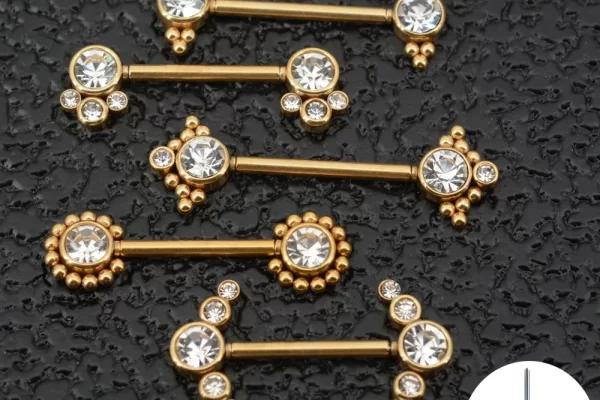
So, you’re thinking about getting your nipples pierced? That’s awesome! It's a pretty bold and beautiful choice, right? And once you've decided to take the plunge, a super important question pops up: what’s the best metal for this kind of jewelry? It might seem like a small detail, but honestly, it's a big deal for comfort, healing, and making sure your new piercing stays happy and healthy. Think of it like picking the right paint for a delicate masterpiece – you want the best to bring out its full beauty without causing any trouble.
Why is metal choice so important, you ask? Well, your body is a pretty sensitive thing, especially when it’s got a new hole in it! The metal that touches your skin directly can make a world of difference in how your piercing heals. Some metals can cause irritation, allergic reactions, or even slow down the healing process. We definitely don't want that for your shiny new adornment, do we? We want it to be a smooth, comfortable journey to a beautifully healed piercing.
Let’s dive into the world of metals, shall we? It’s not as complicated as it sounds, and once you get the hang of it, you'll be a metal-savvy piercing pro in no time. We’re talking about stuff that’s safe, durable, and looks absolutely stunning. So, grab a comfy seat, maybe a cup of your favorite beverage, and let's chat about the coolest metals for your nipples.
The MVP: Implant-Grade Titanium
If there's one metal that constantly gets a standing ovation from piercers and healed piercings alike, it's implant-grade titanium. Seriously, this stuff is like the superhero of piercing metals. Why? For starters, it's incredibly biocompatible. That’s a fancy word for saying your body just loves it and is super unlikely to react negatively. Think of it as the most polite guest at a party – it doesn't cause any drama or fuss!
Titanium is also super lightweight, which is a bonus when you're talking about jewelry in a sensitive area. It’s less likely to pull or put unnecessary stress on your new piercing. Plus, it’s incredibly strong and durable, so you don't have to worry about it bending or breaking easily. It’s like having a tiny, reliable bodyguard for your nipple.
You'll often see it described as "implant-grade," which usually refers to ASTM F-136 or ISO 5832-3 standards. This means it’s been tested and certified for use inside the human body. It’s the same kind of titanium used in medical implants, like artificial joints. Pretty reassuring, right?
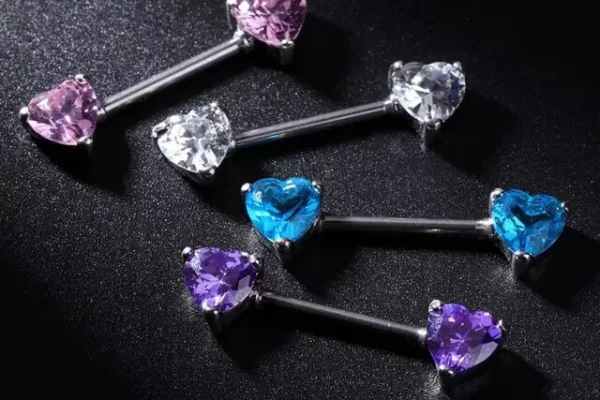
And the best part? It’s available in a bunch of beautiful finishes and colors, often through anodizing. You can get it in a classic silver, a chic black, a vibrant blue, or even a rosy pink! The color isn't a coating that will flake off; it's actually a change in the surface of the metal. So, you get awesome color and all the amazing benefits of titanium. It’s a win-win!
Why Titanium Reigns Supreme
- Hypoallergenic Champion: If you have sensitive skin or a history of metal reactions, titanium is your safest bet. It's virtually nickel-free, which is often the culprit behind those annoying rashes.
- Light and Comfy: It doesn't weigh you down, making the healing process much more comfortable.
- Durable as Heck: It’s built to last, resisting corrosion and wear.
- Color Galore: Anodizing gives you a spectrum of beautiful, long-lasting colors.
The Gold Standard: Solid Gold (14k or 18k)
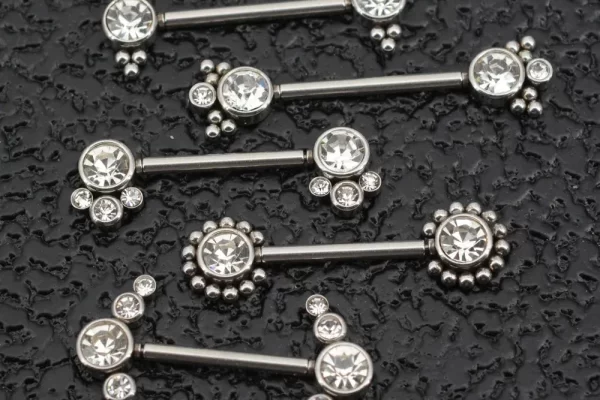
Now, let’s talk about gold. Who doesn’t love a bit of sparkle, right? When it comes to piercings, solid gold is definitely a contender, but there are a few important caveats. We’re talking about 14k or 18k solid gold here, not plated or lower karats.
Why the specific karats? Pure gold (24k) is actually too soft for jewelry. It would bend and scratch way too easily, making it a poor choice for something that needs to withstand daily life. To make it stronger and more durable, other metals (alloys) are mixed in. 14k gold is 58.3% pure gold, and 18k gold is 75% pure gold.
For piercings, 14k or 18k is preferred because it contains less of the other metals, like nickel, which can cause reactions. So, while gold itself is generally well-tolerated, the alloys mixed in are where potential issues can arise. This is why opting for higher karat gold is generally a better idea for new piercings.
Gold is also naturally beautiful and comes in classic yellow, elegant white, and romantic rose hues. It’s a timeless choice that never goes out of style. Imagine your nipple piercing sparkling with the warm glow of gold – it’s pure elegance!
Things to Consider with Gold
- Nickel Content: Ensure it’s specifically nickel-free or has a very low nickel content, especially for 14k white gold.
- Softer than Titanium: While durable enough for healed piercings, it might be slightly more prone to scratching than titanium.
- Price Point: Gold is, as you'd expect, more expensive than titanium.
The Underdog (But Still Good!): Niobium
Here’s a metal you might not hear about as often, but it’s a fantastic option: niobium. It’s a naturally occurring element that’s also very biocompatible, much like titanium. In fact, it’s often considered a great alternative if you happen to have a rare reaction to titanium (though this is very uncommon).
Niobium is a bit softer than titanium but still strong enough for body jewelry. It’s also inherently hypoallergenic and nickel-free. One of its coolest features is that, like titanium, it can be anodized to create a rainbow of stunning colors. Imagine a shimmering, iridescent nipple piercing! It's like a tiny, wearable art piece.
It’s a bit less common than titanium in some piercing studios, but if you see it, don't hesitate to consider it. It’s a solid, safe, and visually appealing choice.
Why Niobium is Worth a Look
- Excellent Biocompatibility: Very gentle on the body.
- Nickel-Free: A safe bet for sensitive individuals.
- Beautiful Anodized Colors: Offers a unique and vibrant look.
Metals to Approach with Caution (Especially for New Piercings)
Now, let's talk about the metals that are generally not recommended for initial nipple piercings. These are often the ones found in cheaper jewelry or at less reputable shops.
Surgical Stainless Steel
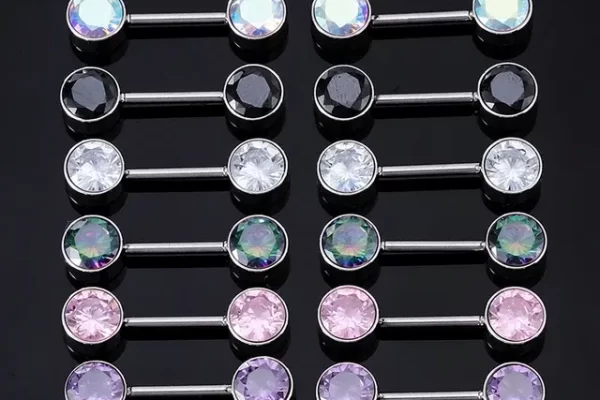
This is a tricky one. Many people have healed piercings with surgical stainless steel without issue. It's durable, affordable, and widely available. However, "surgical stainless steel" isn't a regulated term. It can contain varying amounts of nickel, and even small amounts can cause problems for many people, especially during the crucial healing phase.
For a new, sensitive piercing like a nipple, the risk of a nickel allergy or irritation is higher. If your piercer uses surgical stainless steel for your initial piercing, make sure it's a high-quality, implant-grade (like ASTM F-138) and ideally, you've had piercings done with it before without issue. But for maximum safety and comfort, implant-grade titanium is usually the preferred choice for the initial piercing.
Plated Metals (Gold-Plated, Silver-Plated, etc.)
Oh, the sparkle! While plated jewelry can look great, the plating is just a thin layer over a base metal. This plating can wear away over time, exposing the underlying metal. If that base metal is something like copper or a lower-grade alloy, it can cause reactions, irritation, and even tarnishing.
For a piercing that's meant to be worn long-term and goes through a healing process, you want solid, high-quality materials. Plated jewelry is usually best reserved for healed piercings where you’re just experimenting with style, and even then, be mindful of how it holds up.
Lower Karat Gold (e.g., 10k) or Unknown Alloys
As we mentioned with gold, the higher the karat, the more pure gold it contains, and generally, the less of other potentially irritating metals. 10k gold has less gold and more alloys than 14k or 18k. While some people might tolerate it for healed piercings, it’s not the ideal choice for a fresh, delicate piercing.
The Takeaway: Prioritize Your Comfort and Healing
So, when it comes to your nipple piercings, think of the metal as the foundation of a beautiful building. You want that foundation to be strong, stable, and made of the best materials. For initial piercings, implant-grade titanium is almost always the safest, most comfortable, and most reliable choice.
Solid 14k or 18k gold is also an excellent option, provided it's from a reputable source and you don't have a specific allergy to the alloys used. Niobium is a fantastic, often overlooked alternative.
Ultimately, listen to your body. Your piercer is your best friend in this process – they’ll have the knowledge and the high-quality jewelry options. Don't be afraid to ask questions about the metals they use. Choosing the right metal is a crucial step in ensuring your nipple piercing heals beautifully and becomes a cherished piece of adornment for years to come. Happy piercing!