
Best Method To Weld Aluminum

So, you've got a cool aluminum project brewing. Maybe it's a bike frame that’s seen better days, a quirky garden sculpture that’s gotten a bit wobbly, or even a vintage camper van that’s screaming for some TLC. Whatever it is, it’s made of that shiny, lightweight metal we all know and love: aluminum. And you’ve decided, "Hey, I can fix this! I'm gonna weld it!"
Now, if you’ve ever Googled "how to weld aluminum," you’ve probably been met with a wall of technical jargon that makes your eyes glaze over faster than a donut at a sumo wrestling tournament. But fear not, fellow tinkerers and dreamers! Welding aluminum isn't some dark art reserved for mad scientists. It’s more like learning to salsa – a little tricky at first, maybe a few awkward missteps, but once you get the rhythm, it’s surprisingly graceful and, dare I say, a whole lot of fun.
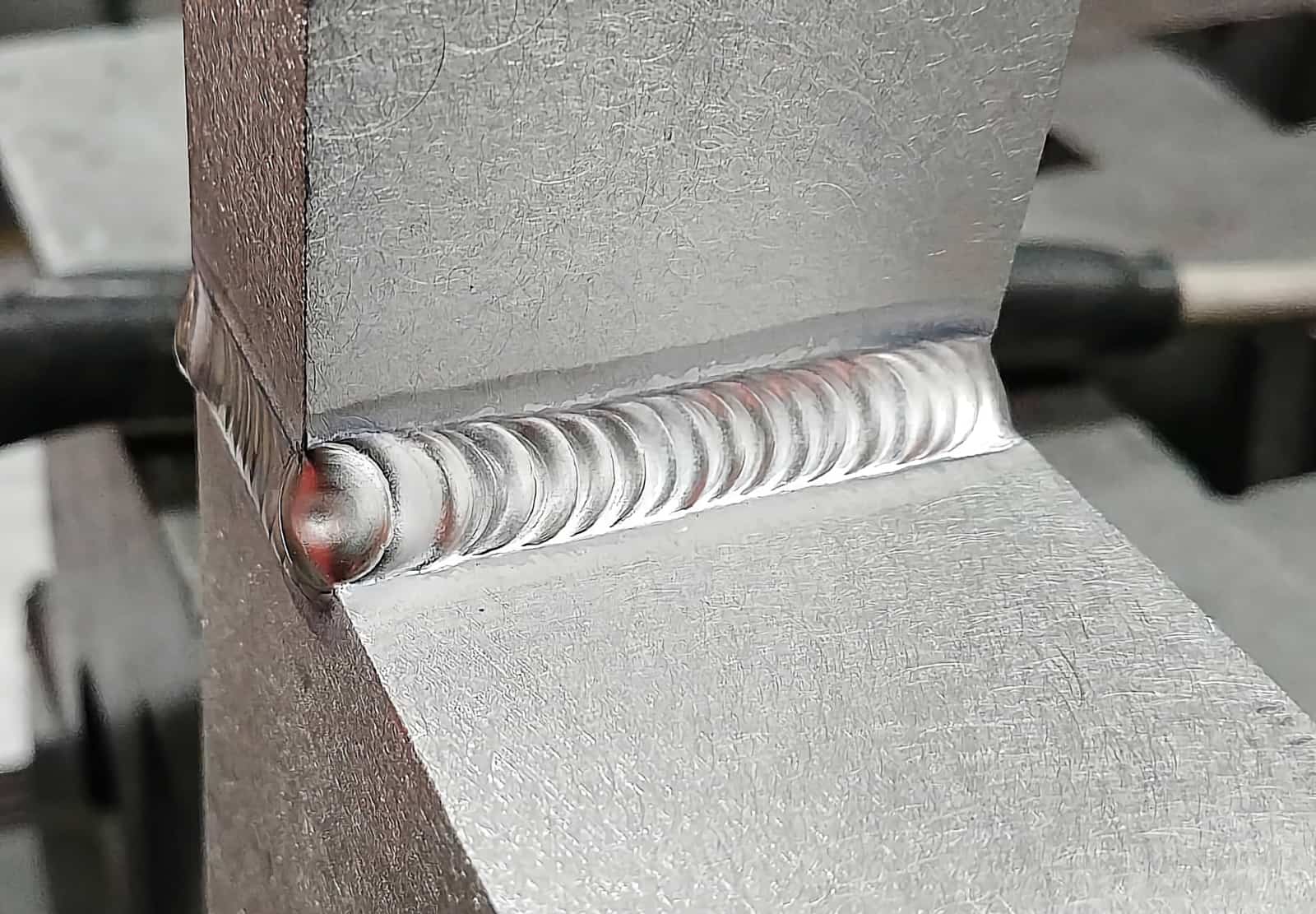
Forget all those fancy machines and complicated diagrams for a second. Let’s talk about the star of the show: TIG welding. Think of it as the elegant ballet dancer of the welding world. It’s precise, it’s clean, and it leaves you with a beautiful, shiny bead that looks almost too good to be real. While other welding methods might feel like wrestling a grumpy badger, TIG welding is more like a gentle, controlled embrace. You use a special torch that holds a non-consumable tungsten electrode, and then, with a separate hand, you feed in a filler rod. It’s a two-handed dance, and at first, it might feel like trying to pat your head and rub your stomach simultaneously. But with a bit of practice, you’ll be weaving those beautiful beads like a pro.
Why TIG? Well, aluminum is a bit of a diva. It’s got this super thin oxide layer that forms instantly when it’s exposed to air. This oxide melts at a much higher temperature than the aluminum itself. So, if you’re not careful, you can end up with a puddle of molten aluminum with a crusty, un-melted oxide layer floating on top, looking like a metallic lily pad. TIG welding, particularly with alternating current (AC), is your secret weapon here. The AC current has this magical "cleaning action" that zaps away that pesky oxide layer before your filler rod even gets a whiff of it. It's like giving your aluminum a little pre-weld spa treatment.
Now, let’s talk about the heat. Aluminum is a bit of a heat hog. It sucks up heat like a sponge at a car wash. This means your welding heat needs to be quite a bit hotter than you might use for steel. But here’s the funny part: while it needs a lot of heat to melt, it also loses that heat really, really fast. This is why you’ll hear people talk about "heat sinking." Imagine trying to warm up a cold popsicle. You need a lot of body heat, but it melts quickly. Aluminum is kind of like that. So, you need to be quick on the trigger, feeding that filler rod and keeping that puddle moving. It’s a race against time, but a friendly one. Like a short sprint, not a marathon.
The sound of TIG welding aluminum is also something special. It’s not the aggressive roar of some other welding processes. It’s more of a gentle, persistent hiss, almost like a whispered secret between you and the metal. And when you get it right, that hiss turns into a soft, satisfying sizzle as the molten aluminum flows together, forming a bond as strong as a hug from your favorite teddy bear.
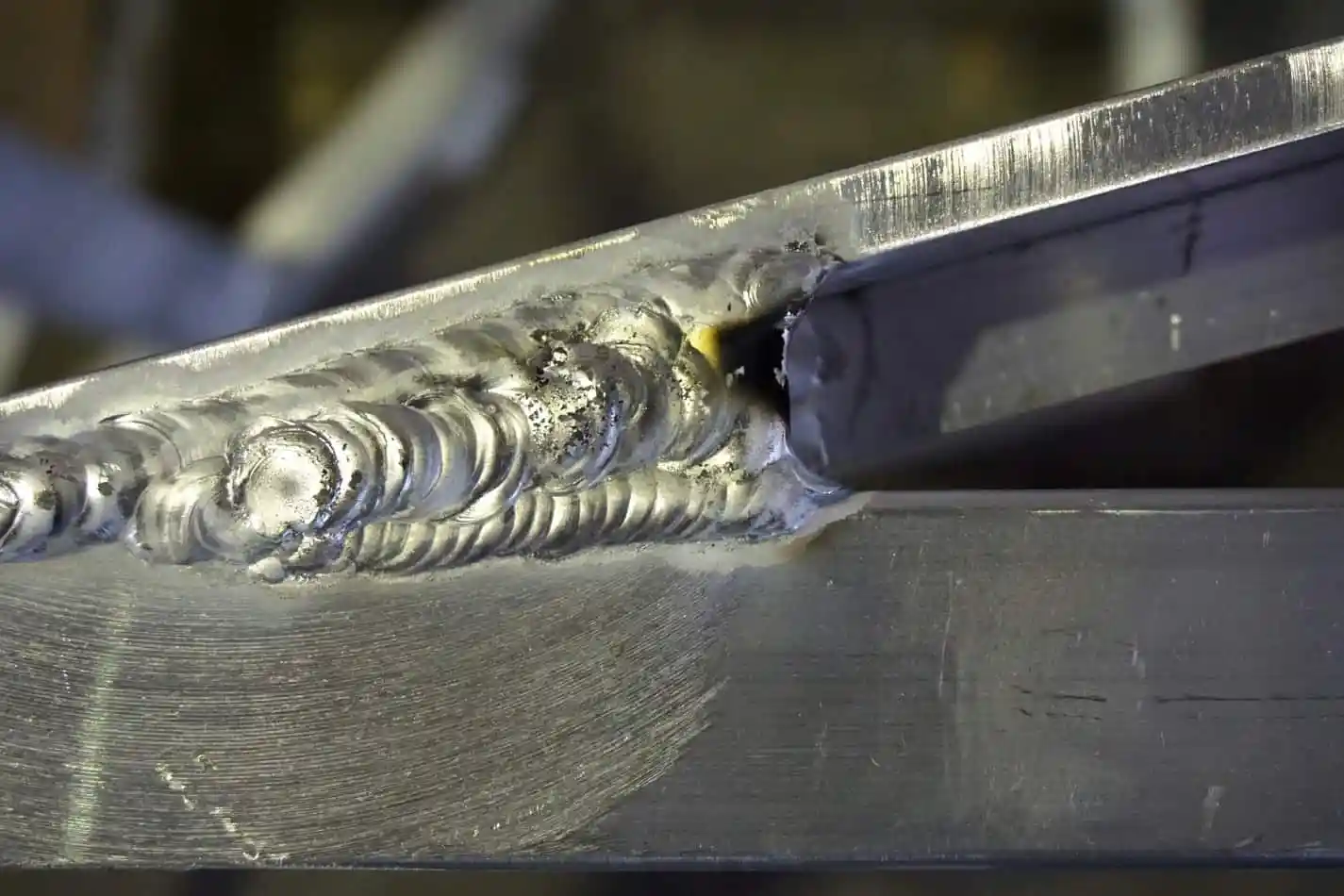
Here's a little heartwarming secret about welding aluminum: when you’re TIG welding, you’re not just joining two pieces of metal. You’re bringing something back to life. You’re mending that wobbly garden gnome so it can proudly stand guard over your petunias once more. You’re patching up that camper van so it can carry your family on new adventures, creating memories that will last a lifetime. You’re giving that old bike frame a second chance to feel the wind in its spokes. It’s a bit like being a metal doctor, and the TIG welder is your trusty stethoscope.
So, don’t be intimidated. Grab a TIG welder, put on your safety gear (especially those cool welding gloves and that mask that makes you look like a futuristic samurai), and give it a shot. You might have a few wobbly beads at first, you might even accidentally weld your glove to your project (don't worry, we've all been there!), but the feeling of satisfaction when you successfully fuse those aluminum pieces is absolutely priceless. It’s a skill that opens up a whole new world of possibilities, allowing you to mend, create, and bring your aluminum dreams to life. And trust me, there's a special kind of joy in saying, "Yep, I welded that!"