
Best Paint Remover For Metal

Ah, metal. It’s sturdy, it’s reliable, and sometimes, it’s just begging for a makeover. But oh, that old paint! It clings like a determined toddler to a cookie. You want to give your trusty metal friend a fresh coat, but first, you’ve got to deal with that stubborn, flaky facade.
The internet is a vast and wondrous place. It’s also a place filled with, shall we say, strong opinions on everything. Especially on things like the best paint remover for metal. You’ll find charts, graphs, and pronouncements that will make your head spin faster than a disco ball at a roller rink.
But let’s be honest, most of us aren't scientists in lab coats. We’re regular folks with a project and a desire to get it done without losing a weekend (or a fingernail). So, what’s the real deal when it comes to coaxing that old paint off?
The Chemical Crusaders
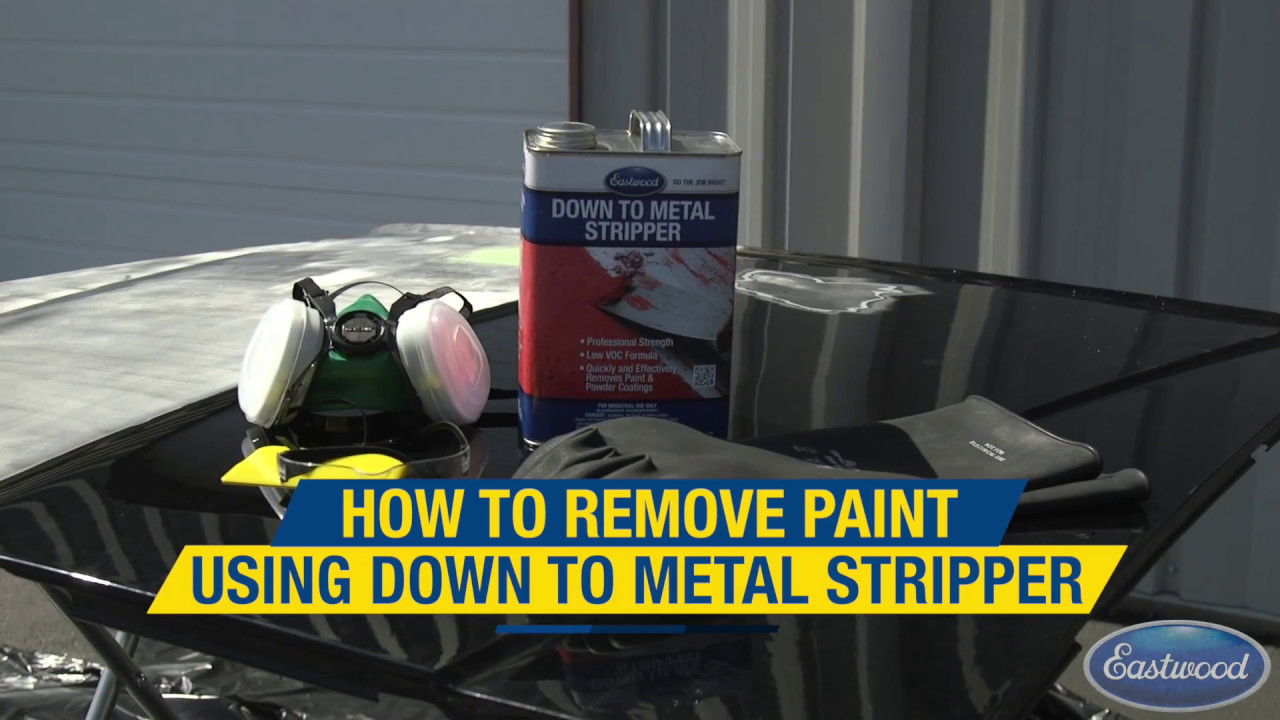
First up, we have the chemical removers. These are the heavy hitters. They’re like the superhero squad of paint removal. You’ve got your Methylene Chloride based ones. They used to be the undisputed champions.
These guys mean business. You slather them on, and they go to town, melting paint like butter on a hot pan. It’s almost magical to watch. The old layers just bubble and lift, ready to be wiped away.
But then, there was a bit of a… well, a situation. Turns out, those super-powered heroes aren’t always the kindest to, you know, us. So, regulations happened. And some of the strongest formulations became harder to find.
Now, you'll see alternatives. You might stumble upon things like N-Methyl-2-pyrrolidone (NMP). These are like the slightly less intense but still very capable cousins of Methylene Chloride. They still get the job done, but with a bit more consideration for your lungs.
Then there are the even gentler options. Think Soy-based or citrus-based removers. These are the eco-friendly, "hug a tree while you paint" types. They smell nice, which is a definite bonus over the industrial fumes of the others.
These work by, well, being nice. They soften the paint gradually. It takes longer, yes. A lot longer. You might need multiple applications. It’s like trying to convince a cat to take a bath; it requires patience and a lot of soothing words.
The "Just Scrape It" School of Thought
Now, for my unpopular opinion. Are chemical removers always necessary? I’m going to whisper this, because the internet might come after me: sometimes, no.
Hear me out. For really thick, old layers of paint, the chemical approach is often the fastest. It’s like bringing in the demolition crew for a tiny shed. But for lighter layers, or if you’re just trying to refresh something, maybe there’s another way.
Enter the humble scraper. Yes, that simple piece of metal or plastic. It’s the underdog. It’s the one you might overlook in your quest for industrial-strength solutions.
A good scraper, with a sharp edge, can work wonders. You just gotta put a little elbow grease into it. It’s a workout, really. Think of it as a pre-painting fitness routine.

And the best part? No fumes. No weird chemical reactions happening on your skin. Just you and the paint, having a little wrestling match. It’s very… primal.
Of course, a scraper isn’t always enough. If the paint is baked on like a fossil, you’ll probably need something more. But for many situations, it’s a surprisingly effective tool.
The Heat Wave
Another contender in the paint removal arena is heat. Yep, good old-fashioned heat. You’ve probably seen those heat guns on DIY shows. They look a bit like fancy hair dryers, but they pack a punch.
You point the heat gun at the paint, and it gets all soft and pliable. Then, you swoop in with your scraper, and voila! The paint lifts off in satisfying sheets.
This method is pretty satisfying. It’s like giving the paint a hot sauna and then surprising it with a chill. The rapid change makes it want to break free.
![Top 6 Best Paint Remover for Metals Reviews 2023 [RANKED] - YouTube](https://i.ytimg.com/vi/qBV3O5R-AKE/maxresdefault.jpg)
However, heat guns have their own set of quirks. You have to be careful not to overheat the metal. Too much heat can warp thin pieces. And you still need to scrape, so it’s not a completely hands-off affair.
Plus, dealing with fumes is still a consideration. Even though you’re not using chemicals directly, burning paint can release its own set of… interesting aromas. So, ventilation is still your friend.
The Sandblasting Spectacle
Now, if you really want to go all out, there's sandblasting. This is the "nuclear option." It's for when you need to strip metal down to its bare bones, pronto.
Imagine tiny grains of sand (or other abrasive media) flying at incredible speeds. They essentially blast the paint right off. It’s incredibly efficient and fast. It leaves you with a perfectly clean surface, ready for a new beginning.
But let’s be real. Most of us don’t have a sandblasting setup in our garage. It’s loud, it’s messy, and it requires specialized equipment and safety gear. It’s usually best left to the professionals or serious hobbyists.

For the average Joe or Jane looking to repaint a garden bench, sandblasting is probably overkill. It’s like using a chainsaw to cut a piece of string.
The "Unpopular Opinion" Encore
So, back to my unpopular stance. While the chemical warriors and the heat machines have their place, I’ve found that for many common metal items, a bit of targeted, patient scraping can be the best paint remover. Especially if you have some lighter, more recent coats of paint.
Why? Because it’s accessible. It’s affordable. And it’s surprisingly effective. You feel a sense of accomplishment as you chip away at the old. It’s a tangible victory.
And if you’re dealing with very old, lead-based paint? Then absolutely, go for the most effective chemical remover you can find, and do it with extreme caution and protection. Safety first, always.
But for most of the chipped garden chairs, faded mailboxes, and slightly rusty bike frames out there? Don’t underestimate the power of a good scraper and a bit of determination. You might just surprise yourself with how much paint you can conquer without a single chemical fumes warning.
Ultimately, the "best" paint remover is the one that works for your specific project, your budget, and your comfort level. But if you’re looking for an easy, entertaining, and dare I say, satisfying way to tackle those stubborn paint layers, consider giving the humble scraper a starring role. You might just find your new favorite tool.