
Best Time To Get Rid Of A Wasp Nest
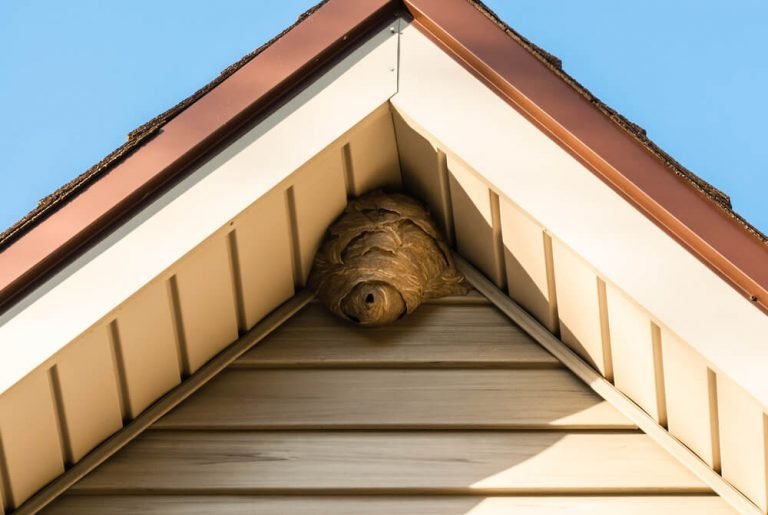
Ah, wasps. Those buzzing, stinging aerial acrobats. They’re not exactly everyone’s favorite garden guest. And when they decide to set up shop in your backyard, well, that’s when things get…interesting. Specifically, when it’s time to say “so long, and thanks for all the fear.”
Now, there’s a lot of advice out there about wasp nests. “Do it at night!” “Wear protective gear!” “Call a professional!” All valid, I’m sure. But let’s be honest, those are for the brave, the prepared, and the people who actually enjoy a good adrenaline rush. For the rest of us, the slightly more… cautious individuals, there’s another way. A simpler way. A way that involves significantly less chance of a yelp and a hasty retreat indoors.
The Unspoken Truth
My unpopular opinion? The absolute best time to get rid of a wasp nest is when it’s no longer a threat. Revolutionary, I know. Prepare to have your mind blown. Think about it. These little terrors are basically summer companions. They show up, they build their paper empires, they buzz around like tiny, angry drones. And then, like an unwelcome houseguest who finally runs out of excuses to stay, they… leave.
When do they leave? Glad you asked! It’s all about the seasons, my friends. Summer is their prime time. They’re active, they’re building, they’re… well, they’re being wasps. But as the days grow shorter, and the air starts to nip with a bit of autumn chill, their energy levels plummet faster than a dropped ice cream cone on a hot pavement.
You see, wasp colonies are typically annual. The queen starts a new nest each spring. She works her little winged socks off, laying eggs and raising the first generation of workers. These workers take over the nest-building and foraging. They get bigger and bolder throughout the summer. It's peak wasp season, and honestly, it’s their time to shine. And sting. Mostly sting.
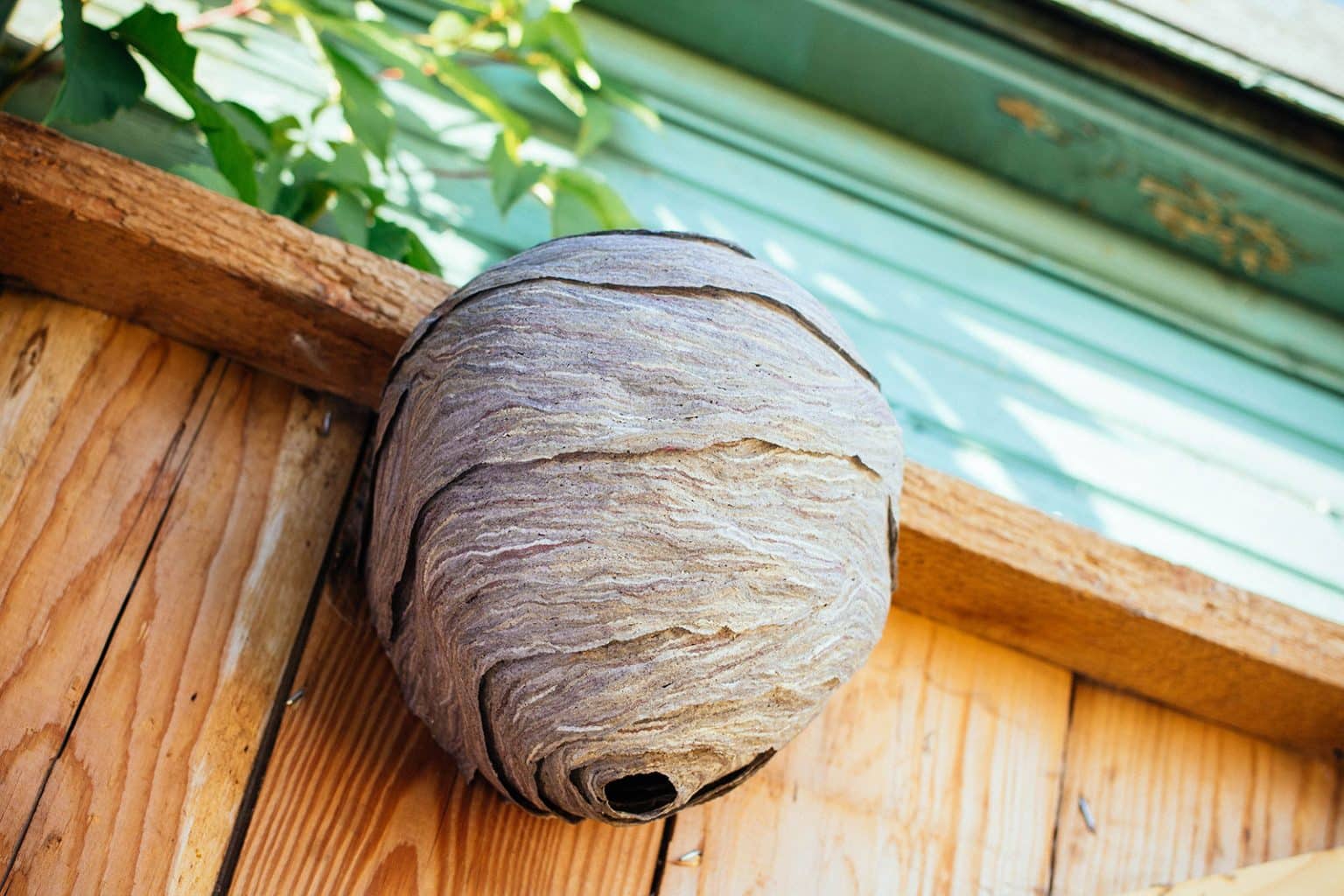
So, if you’re not a fan of summer buzzing, and you’re eyeing that nest with a healthy dose of apprehension, you might be tempted to act. But hold your horses! Or rather, hold your fly swatters.
The real magic happens when the temperature starts to dip. When you’re pulling out your cozy sweaters and contemplating pumpkin spice everything, the wasps are doing the opposite. Their colony activity winds down. The males and new queens are produced, they mate, and then… that’s pretty much it for the old nest.
The Autumn Advantage
As the temperatures drop consistently below, say, 50 degrees Fahrenheit (or about 10 degrees Celsius for our international friends), the adult wasps start to… well, they don’t exactly pack their bags and move to Florida. They just get slower. Less motivated. Some die off. The nest is pretty much abandoned. The old queen is usually done for. The new queens will find a sheltered spot to overwinter, but the busy, buzzy nest? It becomes a relic.

So, picture this: it’s late fall. The leaves are all brown and crunchy. You’re out there, maybe raking leaves or enjoying a crisp walk. You spot that old wasp nest. It’s still there, a papery testament to their summer efforts. But it’s quiet. Utterly, blissfully quiet. No angry buzzing. No darting figures. Just… a silent, empty house.
And that, my friends, is the golden ticket. That is the perfect time to get rid of it. You can simply walk up to it. No need for hazmat suits. No need for elaborate spray plans. You could probably just… knock it down with a broom. Or, if you’re feeling particularly bold, a gentle poke with a stick. It’s like cleaning out an old, empty birdhouse. The tenants have moved on. The lease is up.
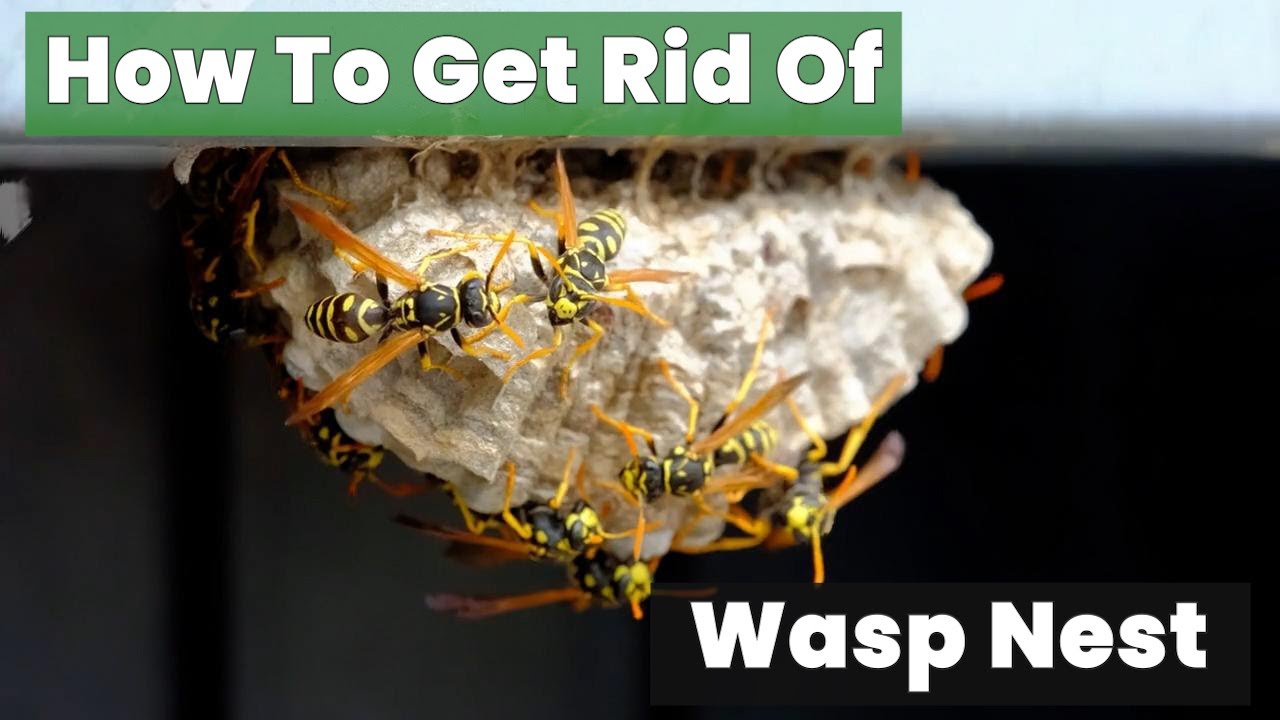
Think of it as a final act of home improvement. You’re clearing out the clutter. You’re tidying up the garden. You’re doing it when there’s zero risk of encountering an irate resident who feels you’ve overstayed your welcome. It’s the responsible, yet entirely non-confrontational, approach.
The "I Just Want It Gone" Method
Some people might say, “But what if there are stragglers?” Honestly, in the late fall, any remaining adult wasps are more likely to be found hibernating than actively guarding their old digs. They’re not interested in a turf war. They’re done. They’ve moved on to bigger and better things, like finding a nice, dark crevice to snooze in until spring.
So, while everyone else is scrambling in July, armed with nets and questionable courage, you can be smugly waiting. You can be observing the subtle signs of autumn. You can be planning your leisurely nest removal for when the only thing buzzing around is the gentle hum of satisfaction that you’ve outsmarted the wasps. You've achieved victory without a single sting. Now that’s what I call a smart move.