
Best Type Of Stainless Steel

Hey there, coffee buddy! So, we're chatting about stainless steel, huh? It’s one of those things, right? Like, you see it everywhere, your pots, pans, maybe even your car trim, but do you really know what makes it so… well, stainless? It's kinda like that one friend you have who’s always chill, never gets flustered. That’s stainless steel for you, mostly.
Now, I’m no metallurgist, let’s get that straight. My knowledge comes from a healthy dose of curiosity, a few too many kitchen disasters (don't ask about the time I tried to deep-fry a whole chicken in my non-stick pan – oops!), and a general appreciation for stuff that doesn't look like it’s giving up on life after five minutes.
So, what's the big deal with stainless steel anyway? It’s basically steel, which is iron and carbon, but with a secret ingredient. And this secret ingredient is a superhero. It’s… chromium! Yep, just a little bit of chromium, usually at least 10.5%, and BAM! Suddenly, your metal is resisting rust and corrosion like a champ. Pretty neat, right? It’s like giving your regular steel a cape and a tiny mask.
But here's the kicker. It's not just one kind of stainless steel. Oh no. That would be too easy, wouldn’t it? The universe, in its infinite wisdom (or maybe just for fun), decided to make a whole family of stainless steels. And they all have their own little quirks and personalities. It’s like a dating app for metal, each with a different profile and different promises.
We're talking about different grades, you see. Think of it like different flavors of ice cream. You've got your vanilla, your chocolate, your mint chip, and then some wild, experimental flavor that might be amazing or a complete train wreck. Stainless steels are kinda like that, but instead of sugar, it’s more about nickel, molybdenum, and other fancy-sounding elements.
So, the question on everyone’s lips (or at least, on yours right now, since you’re here with me) is: what’s the best type of stainless steel? Well, my friend, that’s like asking what’s the best flavor of ice cream. It depends! It totally depends on what you’re trying to do with it. Are you building a spaceship? Cooking a five-star meal? Or just trying to keep your car from looking like it’s been attacked by a flock of angry seagulls?
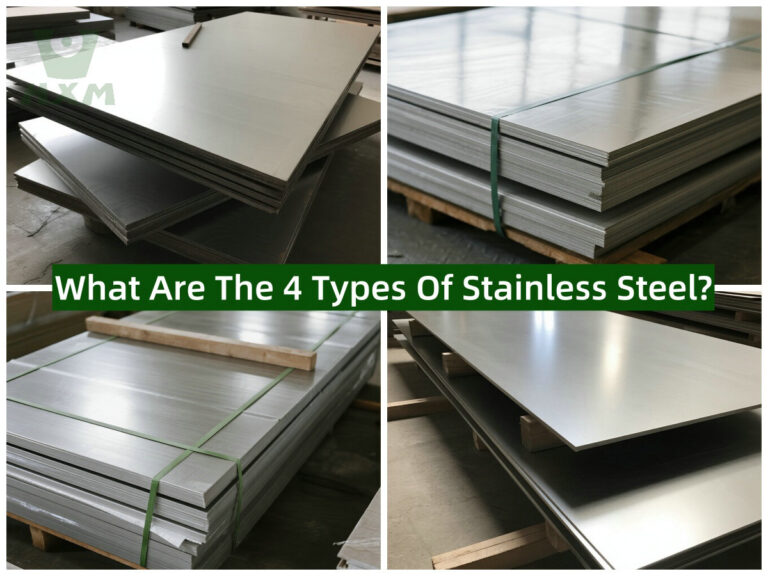
Let’s dive into the main players, shall we? The ones you're most likely to bump into in your everyday life. We've got the austenitic, ferritic, martensitic, and duplex families. Sounds a bit like a sci-fi movie title, doesn’t it? The Attack of the Austenitics.
The Workhorses: Austenitic Stainless Steels
When most people say "stainless steel," they're probably thinking of the austenitic kind. These guys are the rock stars, the crowd-pleasers. They’re the most common, and for good reason. Why? Because they’re amazing at resisting corrosion, and they’re super easy to work with. You can bend them, shape them, weld them – they’re like the incredibly talented and obliging intern of the metal world.
The most famous of the bunch? Drumroll please… 304 stainless steel! Yep, you've probably got a ton of 304 in your kitchen right now. Your pots, your pans, your sink, that fancy water bottle you probably keep forgetting to fill. It’s the everyday hero.
What makes 304 so special? It's got that perfect balance of chromium (around 18%) and nickel (around 8%). This magical combo gives it its excellent corrosion resistance, especially against acids and general household gunk. It’s not going to get all rusty if you spill some ketchup on it, thank goodness. Imagine the drama!
And it’s non-magnetic. That’s a cool little party trick! Try sticking a magnet to your regular steel pot – it'll stick like glue. Try it on your 304 stainless steel pot? Nope. Nada. Zilch. It’s like it’s saying, "Magnets? Pfft. I’m too cool for that.”
Then there's its slightly more robust cousin, 316 stainless steel. This one is like 304's older, wiser sibling. It’s got a little extra secret weapon: molybdenum. What does molybdenum do? It’s like giving 304 a suit of armor against even more aggressive corrosion, especially from chlorides. You know, like salt water. So, if you’re living by the beach and your kitchen appliances are getting a rough time, or if you’re using your cookware in really salty environments (hello, seaside chef!), 316 might be your best friend.
Think boat parts, medical implants (fancy!), and outdoor architectural details. It’s a bit more expensive than 304, but sometimes, you’re paying for that extra peace of mind, right? Like buying a slightly pricier umbrella on a day that looks very suspicious.
So, for most of us, for our kitchens, our everyday gadgets, 304 is your go-to. It’s the reliable, hardworking, never-complaining friend. If you need a bit more oomph against the elements, especially salt, 316 is the upgrade. Easy peasy.

The Tough Guys: Martensitic Stainless Steels
Alright, moving on from our friendly austenitics, let’s talk about the ones who mean business. The martensitic stainless steels. These guys are different. They’re the ones you can harden. Like, really harden. Think super sharp knives. Yep, the really good ones that slice through tomatoes like butter? They’re often made from martensitic stainless steel.
The most common one here is 440C. This is the stuff of legends for knife makers. It’s tough, it holds an edge like a tenacious toddler holding onto a cookie, and it can get super hard. The catch? It’s not as corrosion-resistant as 304 or 316. It’s a trade-off, you see. You get the hardness, but you sacrifice a little bit of that gleamy, rust-proof magic. So, you gotta take care of your super sharp knife, maybe wipe it dry after washing, unlike your indestructible 304 saucepan.
These guys are also magnetic, unlike the austenitics. So, if you're using them for something where magnetism matters, keep that in mind. But for pure, unadulterated sharpness and durability, especially in applications where strength is key, martensitic steels are the champions.
The Budget-Friendly Option: Ferritic Stainless Steels
Now, let’s talk about the more… shall we say, economical choice. The ferritic stainless steels. These are often called the "non-hardenable" stainless steels, and they're usually a bit cheaper. Think of them as the budget airlines of the stainless steel world. They get you where you need to go, but maybe not with all the bells and whistles.
The most well-known is probably 430 stainless steel. You'll find this in things like dishwasher fronts, car trim, and some cookware. It’s got decent corrosion resistance, better than plain carbon steel, but it’s not in the same league as 304 or 316. It’s good for general purposes, where you don’t need extreme corrosion resistance or super hardness.
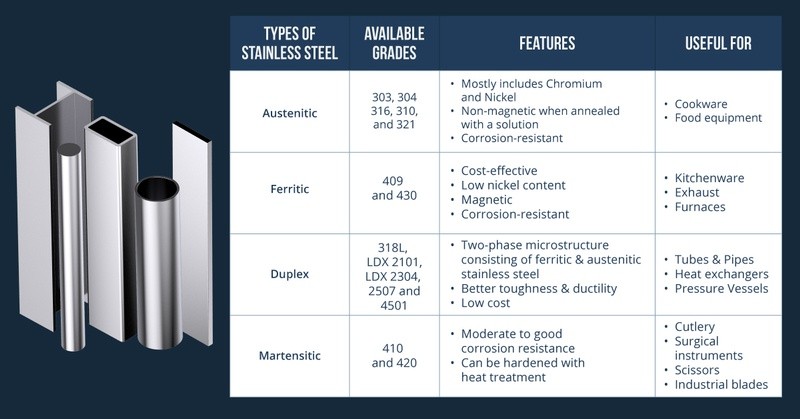
They’re magnetic too, just like the martensitic ones. And they’re not as formable as the austenitics. So, if you need to do some fancy metal bending, these might not be your first choice. But for everyday applications where cost is a factor and you just need something that won’t rust immediately? 430 is a solid contender.
Think of it this way: 304 is the reliable sedan, 430 is the fuel-efficient compact car. Both get you there, but one’s a bit more comfortable and fancy.
The High-Performance Duo: Duplex Stainless Steels
Finally, let’s talk about the cool kids on the block, the ones who have it all. The duplex stainless steels. These guys are like the superheroes with multiple superpowers. They're a bit of a hybrid, a blend of austenitic and ferritic structures. And because of this cool mix, they’ve got some seriously impressive properties.
They’re strong. Like, really strong. Way stronger than the regular austenitics. And they’ve got excellent corrosion resistance, often matching or even beating the 316 grade. So, you get the best of both worlds: strength and corrosion resistance. It’s like getting a perfectly ripe avocado and a free upgrade on your flight.
They’re also pretty good at resisting stress corrosion cracking, which is a fancy way of saying they don’t crack easily when they’re under tension and exposed to corrosive environments. This makes them ideal for harsh conditions, like in offshore oil and gas pipelines, chemical processing plants, and bridges.
The most common duplex grade is 2205. It's the workhorse of the duplex family. You'll see it in some pretty demanding applications where other steels just wouldn't cut it. The downside? They’re generally more expensive than the austenitic or ferritic grades. You're paying for that top-tier performance, obviously. It’s the premium latte of stainless steels, but man, is it worth it sometimes.

So, What’s the Verdict? The “Best” Stainless Steel
Okay, deep breaths. We’ve covered a lot of ground. The world of stainless steel is vast and, dare I say, a little bit overwhelming. But if you’re asking for the “best” type of stainless steel, the one you should probably be reaching for most of the time, especially around the house?
It’s almost always going to be 304 stainless steel. Why? Because it’s the perfect all-rounder. It’s got fantastic corrosion resistance for everyday use, it’s relatively affordable, it’s easy to work with, and it looks pretty darn good too. It’s the reliable friend you can always count on. It’s the comfy pair of jeans in your wardrobe. You just can’t go wrong.
If your needs are a bit more specific, then you can look at the others:
- For superior corrosion resistance, especially against salt and harsh chemicals: 316 stainless steel. Think seaside living or industrial kitchens.
- For ultra-sharp knives and extreme hardness: Martensitic steels like 440C.
- For cost-effectiveness in less demanding applications: Ferritic steels like 430.
- For ultimate strength and corrosion resistance in the toughest environments: Duplex steels like 2205.
But honestly, for your average cooking pot, your cutlery, your sink, your garden tools? 304 is your champion. It’s the quiet achiever. It does its job without a fuss, looking good while it’s at it. It’s the unsung hero of your kitchen, and frankly, of a lot of our modern world.
So, next time you’re admiring that shiny new toaster or wrestling with a stubborn jar lid, give a little nod to the stainless steel. It’s more than just shiny metal; it’s a testament to clever engineering and the magic of a little bit of chromium. And that, my friend, is pretty cool.
Now, who wants another coffee? We’ve earned it. Discussing metal can be exhausting!