
Best Way To Clean Stainless Steel Cookware
There’s something undeniably satisfying about a kitchen filled with gleaming stainless steel cookware. It’s the kind of look that whispers, “I mean business, but I also appreciate a good aesthetic.” From searing a perfect steak to simmering a rich bolognese, your trusty stainless steel pots and pans are the unsung heroes of your culinary adventures. But let’s be honest, keeping that sparkle can sometimes feel like a battle against stubborn grease and those dreaded water spots. Fear not, fellow home chefs! We're about to dive into the delightfully simple and surprisingly effective ways to keep your stainless steel cookware looking as fabulous as the day you bought it.
Think of your stainless steel as a well-loved friend. It’s seen you through countless meals, celebrated triumphs, and maybe even survived a few kitchen disasters. A little bit of care and attention goes a long way, and the best part? You likely already have everything you need in your pantry to make it shine. Forget those harsh chemical cleaners that smell like a science experiment gone wrong. We’re going for the gentle, effective, and dare we say, satisfying approach.
The Daily Dance: Keeping it Clean, Effortlessly
The absolute best way to clean stainless steel cookware? Prevention is key! It sounds cliché, but it’s true. The moment you finish cooking, while the pan is still warm (but not screaming hot!), give it a good scrub. This is the golden hour for tackling food residue. The heat helps loosen things up, making your job infinitely easier.
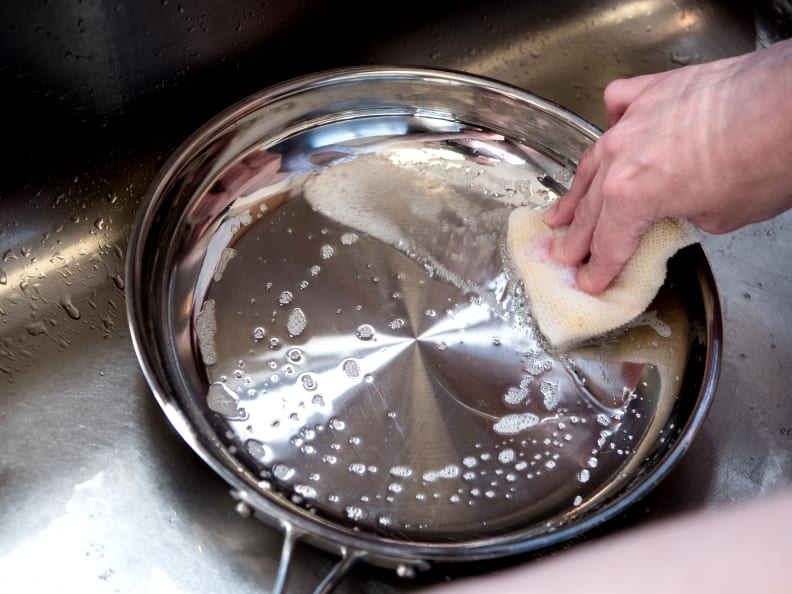
For everyday messes, a bit of warm water, a drop of mild dish soap, and a soft sponge or a non-abrasive cloth are your best friends. We're talking about those everyday spatters and light grease. Think of it as a gentle pampering session for your cookware. Avoid steel wool or overly abrasive scrubbers at this stage, as they can scratch the surface and dull that beautiful sheen.
Here’s a pro tip: if you’re dealing with something a little stickier, like caramelized onions or a stubborn sauce, let the pan soak for a few minutes in warm, soapy water. This breaks down the residue without any elbow grease required. It’s like letting your dishes take a mini spa break!
When Things Get a Little Tougher: Tackling Stubborn Stains
Ah, the dreaded burnt-on bits. We’ve all been there. That moment you look at your pan and think, “How did I even manage to do that?” Don’t panic! Stainless steel is remarkably resilient, and there are several tried-and-true methods to rescue your cookware.
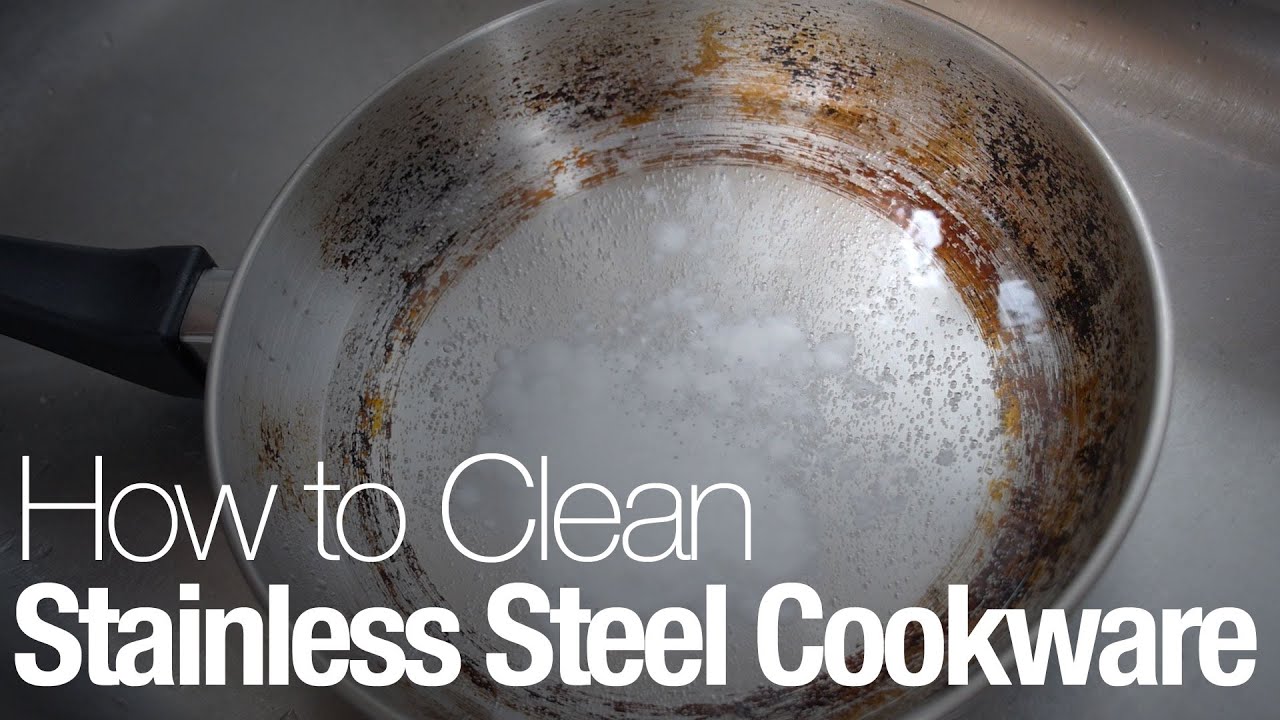
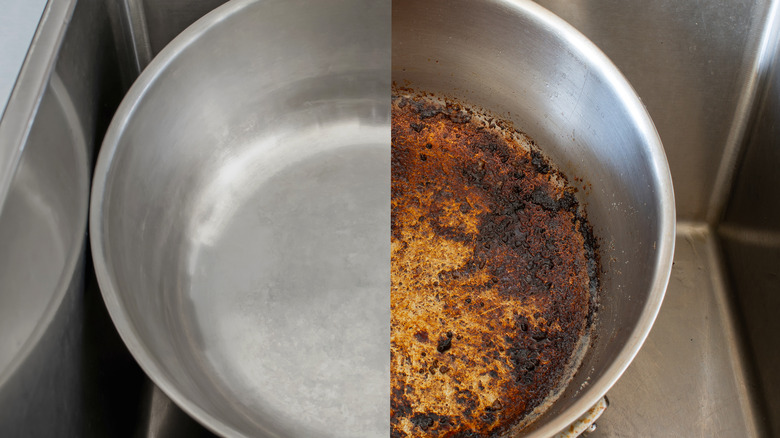
Baking soda to the rescue! This humble pantry staple is a superstar when it comes to cleaning stainless steel. Make a paste by mixing baking soda with a little water. Apply this paste to the stained areas and let it sit for a few minutes. Then, using a soft cloth or sponge, gently scrub in a circular motion. The mild abrasiveness of the baking soda will lift the burnt-on food without scratching the pan. It’s almost magical how it works!

For those really stubborn, caked-on messes, you can elevate the baking soda treatment. Pour a generous amount of baking soda into the pan, add just enough water to create a thick paste, and then place the pan on low heat for about 10-15 minutes. The gentle heat helps to further loosen the stuck-on food. Let it cool down completely before scrubbing. This method is particularly effective for burnt sugar or anything that’s really fused itself to the pan.
Another fantastic natural cleaner is vinegar. White vinegar is a degreaser and a natural disinfectant, making it perfect for tackling those greasy residues that tend to build up over time. For general cleaning, you can add a splash of vinegar to your soapy water. For more serious grime, pour a layer of white vinegar into the bottom of the pan and let it soak for 30 minutes to an hour. You can also gently heat the vinegar (don't boil it vigorously) for a few minutes to help lift tougher stains.
The Bar Keepers Friend dilemma. You might have heard about Bar Keepers Friend. It's a popular choice for stainless steel, and it does work wonders. However, it contains oxalic acid, which is a mild acid that helps to remove rust and tarnish. While effective, it's a bit more potent than baking soda or vinegar, so I always recommend using it sparingly and as a last resort for those truly stubborn issues. Always follow the instructions on the packaging and ensure you rinse thoroughly afterwards. Think of it as the heavy artillery for your cleaning arsenal.
Conquering Discoloration: Rainbows and Water Spots, Begone!
Ah, the dreaded rainbow effect. This iridescent discoloration often appears on stainless steel after heating, especially when cooking acidic foods like tomatoes or wine. It’s caused by a thin layer of chromium oxide forming on the surface. Don’t worry, it’s not damage, and it’s perfectly safe. It just doesn’t look as chic as a pristine finish.
The solution? You guessed it: vinegar! The acid in vinegar is brilliant at dissolving this oxide layer. Simply pour a little white vinegar into the pan and swirl it around, or use a cloth dipped in vinegar to wipe the discolored areas. Let it sit for a few minutes, then rinse thoroughly. You should see the rainbow effect disappear like magic!
And then there are those pesky water spots. These are usually caused by mineral deposits left behind when water evaporates. The easiest way to combat them is to dry your cookware immediately after washing. Use a clean, soft towel – microfiber is excellent for this – to give your pans a quick buff. It’s a small step that makes a huge difference in maintaining that mirror-like shine.
If you already have water spots, a good wipe-down with a cloth slightly dampened with vinegar will usually do the trick. For persistent spots, you can use the baking soda paste method, as its mild abrasiveness can help lift the mineral deposits.
The Art of the Polish: Bringing Back the Shine
So, your pans are clean, the stains are gone, but do they have that extra oomph? That irresistible, kitchen-magazine-worthy gleam? It’s time for the polish!
:max_bytes(150000):strip_icc()/JF_HowtoCleanStainless-SteelPans-Primary-2333-a48111a5f66743258d00fd8172b32cac.jpg)
While a thorough drying and buffing can achieve a lot, sometimes a dedicated polish can elevate your cookware. A tiny bit of stainless steel polish (available at most home goods stores) can work wonders. Apply a small amount to a soft cloth and buff the cookware in the direction of the grain. Be sure to use a polish specifically designed for cookware, and always rinse very, very well afterwards to remove any residue.
Alternatively, you can achieve a lovely shine with just a touch of olive oil. After cleaning and drying your pan, put a tiny amount of olive oil on a soft cloth and buff the surface. It’s a more natural approach and gives a subtle, warm sheen. You’re essentially creating a microscopic protective layer that reflects light beautifully. This also helps to repel water and prevent future spots.
A fun little fact: many professional chefs swear by using a dedicated polishing cloth, often made of a special microfiber blend, to achieve that restaurant-quality shine. It’s the same principle as buffing a car – the right tool and technique make all the difference!
A Little Bit of Culture and Fun Facts
Did you know that stainless steel cookware actually became popular after World War II? Before that, cast iron and copper were the stars of the kitchen. Stainless steel offered a more durable, lighter, and easier-to-maintain alternative. It’s a true testament to post-war innovation finding its way into our everyday lives!
The term "stainless steel" itself is a bit of a misnomer. It doesn't never stain; it’s just highly resistant to staining and rust compared to other steels. This resistance comes from the chromium content in the alloy, which forms a passive layer of chromium oxide on the surface. It’s nature’s protective shield, and we get to benefit from it in our kitchens!
When you see those high-end cookware sets with beautiful copper or aluminum bases clad in stainless steel, you’re looking at a brilliant combination of materials. The copper or aluminum provides excellent heat conductivity, spreading heat evenly across the pan (no more hot spots!), while the stainless steel provides a durable, non-reactive cooking surface. It’s a symphony of culinary engineering!
And here’s a thought to ponder: the art of cooking is as old as humanity. From ancient hearths to modern induction stovetops, our relationship with food and how we prepare it has always been central to our lives. Your stainless steel cookware is a part of this ongoing culinary narrative, a modern tool for an ancient art.
A Final Thought for Your Kitchen Journey
Cleaning your stainless steel cookware isn’t just a chore; it’s a small act of appreciation for the tools that help you nourish yourself and the people you love. It’s a moment to connect with your kitchen, to be mindful of the process, and to enjoy the satisfaction of a job well done. Think of it as a mini-meditation, a chance to reset and prepare for your next culinary masterpiece.
So, the next time you’re faced with a greasy pan or a stubborn water spot, remember these simple, effective methods. Embrace the power of baking soda and vinegar, the gentle art of buffing, and the sheer satisfaction of a sparkling clean pan. Because a well-cared-for kitchen isn’t just about functionality; it’s about creating a space that inspires joy, creativity, and delicious meals. Happy cooking, and happy cleaning!