
Bits For Drilling Stainless Steel
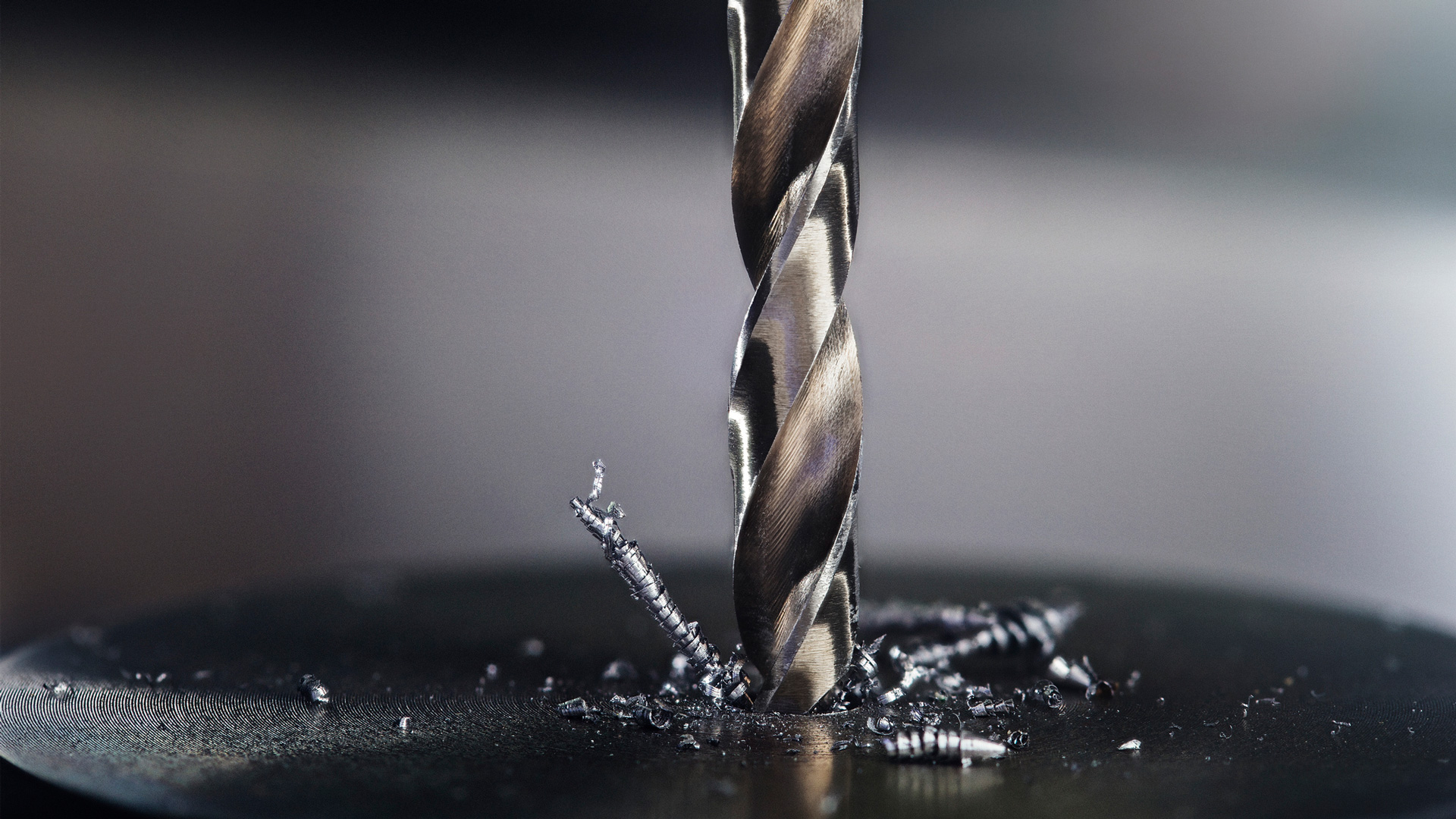
Ever stared at a shiny, tough piece of stainless steel and wondered, "How on earth do you even make a hole in that?" It’s like trying to poke a hole in a knight’s armor with a toothpick, right? Well, the secret sauce isn't magic, it’s all about the right kind of drilling bits. Yep, those little metal tools have to be super special to tackle something as stubborn as stainless steel.
Think about it. Stainless steel is everywhere! From your kitchen sink and fancy pots and pans to car parts, airplanes, and even medical equipment. It's loved for being strong, rust-resistant, and looking pretty darn good. But all those awesome qualities make it a bit of a diva when it comes to drilling. It doesn't just let you make a hole; you have to convince it.
The Not-So-Ordinary Challenge
So, what makes stainless steel so tricky to drill? It’s kind of like a really well-trained, but slightly stiff, ballet dancer. It’s got a lot of integrity! When you try to drill into it with a regular drill bit, a few things happen that aren't ideal.
First off, stainless steel is a bit of a heat sponge. As the drill bit spins and grinds away, it creates a ton of friction. And where there's friction, there's heat. Loads of it. This heat can actually make the stainless steel even harder right around the hole you're trying to make. It's like it's saying, "Oh, you think you can break me? Watch this!" This is called work hardening, and it’s the bane of many a DIYer and even some pros.
Secondly, it's not exactly a smooth operator. Instead of chipping away nicely like wood or softer metals, stainless steel tends to kind of gum up the drill bit. The metal shavings, or swarf, can stick and clog the flutes (those spiral grooves on the bit), reducing its ability to cut and making the whole process even harder and hotter. It’s like trying to scrape mud with a butter knife – not very effective!
And then there's the sheer toughness. It's just a dense, resilient material. Regular drill bits, often made from High-Speed Steel (HSS), can get dull pretty quickly, overheat, and even snap under the pressure. It’s a recipe for frustration, isn’t it?

Enter the Hero: The Stainless Steel Drill Bit
This is where the specialized drill bits come to the rescue! They’re not just your average metal spears. These bits are engineered with specific materials, geometries, and coatings to overcome the challenges of stainless steel. Think of them as tiny, precision-engineered warriors.
What Makes Them Special?
It’s all in the details. Let’s break down some of the cool features:
Material Matters: Forget basic HSS for most tougher stainless jobs. You’ll often see bits made from Cobalt Steel. Cobalt is an alloy that's added to HSS, and it’s like giving your drill bit a superpower. It significantly increases the bit's hardness and its ability to withstand the high temperatures generated during drilling. Cobalt bits can stay sharp and effective at much higher temperatures than regular HSS, which is crucial for preventing that nasty work hardening in the stainless steel.

Another advanced material you might encounter is Carbide. Carbide bits are even harder and more heat-resistant than cobalt. They're often used for more industrial applications and extremely tough steels. Imagine trying to cut diamond with a butter knife versus a laser – that’s the kind of difference carbide can make!
Geometry is Key: It's not just about what the bit is made of, but also its shape.
- Point Angle: Regular drill bits often have a 118-degree point angle. For stainless steel, you’ll usually want a sharper point, like 135 degrees. This sharper angle helps the bit penetrate the metal more easily and reduces the tendency for the bit to "walk" or wander when you start drilling. It’s like a sharp knife cutting through tough bread versus a dull one – the sharp one goes in cleaner and easier.
- Web Thinning: The "web" is the central part of the bit that connects the cutting edges. Specialized bits often have a thinned web. This reduces the amount of material the bit has to push aside, requiring less force and further reducing heat buildup. It makes the bit more efficient.
- Flute Design: The flutes aren't just for show. Their design is optimized to clear chips away effectively. Some bits have wider flutes or special polishing to prevent those sticky swarf from building up and clogging the bit. Good chip evacuation is like having a tiny snowplow clearing the path ahead of your drill.
Coatings for Extra Oomph: Many high-performance bits come with special coatings. These aren't just for looks!

- Titanium Nitride (TiN): This is a classic. It’s gold-colored and adds a layer of hardness and lubricity (makes things slippery). This reduces friction and heat, and helps the bit resist wear.
- Black Oxide: This is a more common, less expensive coating. It provides some corrosion resistance and helps with chip removal, but it’s not as robust as TiN or other advanced coatings for really tough stainless.
- Advanced Coatings: There are even more sophisticated coatings like Titanium Aluminum Nitride (TiAlN) or Diamond-Like Carbon (DLC) that offer incredible hardness, heat resistance, and longevity, especially for high-volume production. These are the superheroes of the coating world!
Why Should You Care? It’s All About the Success!
Okay, so why is this nerdy stuff about drill bits important for you? Because using the right bit means the difference between a clean, successful project and a frustrating mess.
Imagine you’re building a cool metal sculpture, fixing that squeaky hinge on your stainless steel gate, or even just trying to hang a shelf in your kitchen made with those sleek stainless steel cabinets. If you grab the wrong bit:
- You’ll likely break bits.
- You’ll generate way too much heat, potentially damaging the stainless steel.
- You’ll end up with a messy hole that’s not clean or precise.
- You’ll waste time and money on broken bits and botched jobs.
But with the right bit, it’s a different story! You get:

- Cleaner Holes: The stainless steel is cut precisely, leaving a smooth edge.
- Less Heat: The bit does its job efficiently, minimizing work hardening and protecting your material.
- Longer Bit Life: These specialized bits are built to last.
- Less Frustration: Your project moves forward smoothly.
A Little Drill Bit Wisdom
So, next time you're faced with drilling stainless steel, remember these trusty bits. They’re not just pieces of metal; they’re finely tuned instruments designed to conquer a particularly challenging material.
A good rule of thumb is to look for bits specifically labeled for stainless steel. They’ll often be cobalt or have features like those mentioned above. And don't forget the importance of lubrication! Using a cutting fluid designed for metal drilling is like giving your drill bit a cool drink and a smooth ride. It drastically reduces friction and helps those shavings clear out.
It’s pretty amazing how something so small can be so critical to tackling something so tough, isn't it? The world of tools is full of these hidden marvels, and the humble drill bit for stainless steel is definitely one of them. Happy drilling!