
Black Oxide Coating Stainless Steel

You know, I was staring at my kitchen faucet the other day – yeah, I get excited about weird stuff. It’s one of those sleek, brushed stainless steel numbers, all shiny and modern. But then, my eyes drifted to the little dial for the hot and cold water. It’s this tiny, almost insignificant piece, but it’s not the same brushed finish. It’s… different. It’s this deep, matte, almost velvety black. And it got me thinking, why? Why go to the trouble of making one little part black when the rest is silver? It seemed like a random design choice, at first. But then I remembered seeing similar black accents on other stainless steel things – on fancy camera lenses, on high-end cookware handles, even on some industrial-looking furniture. There had to be more to it than just looking “cool,” right?
And that, my friends, is how my latest rabbit hole adventure began: diving headfirst into the world of black oxide coating on stainless steel. It sounds technical, I know. And some of it is pretty technical. But stick with me, because it turns out this isn’t just some superficial paint job. It’s a fascinating process with some pretty sweet benefits that explain why you’re seeing it popping up all over the place.
So, What Exactly Is Black Oxide Coating?
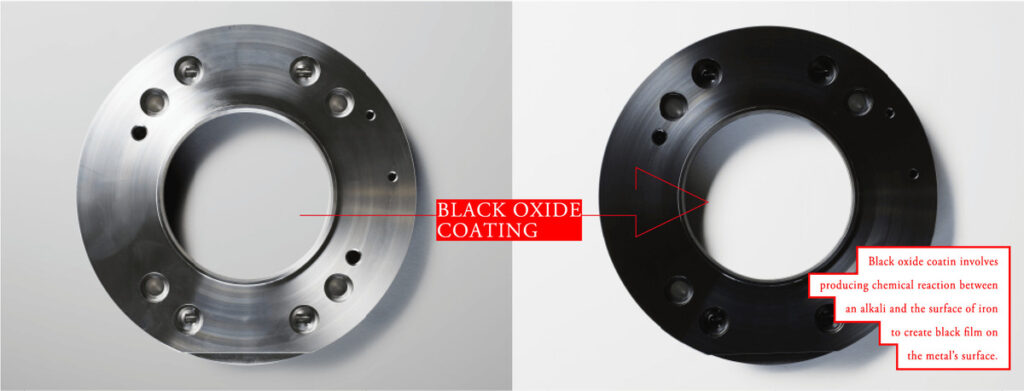
Alright, let’s break it down. When we talk about black oxide, especially on stainless steel, we’re usually referring to a conversion coating. Think of it like this: instead of just adding a layer on top of the metal, the black oxide process actually chemically alters the surface of the stainless steel itself. It creates a thin, integrated layer of iron oxides, which, surprise surprise, gives it that distinctive black color. Pretty neat, huh? It's like the metal is transforming itself into something new, rather than just wearing a disguise.
The most common method for achieving this on stainless steel is often called a hot black oxide process. It involves immersing the stainless steel parts in a hot alkaline solution (around 290-310°F, so definitely not something to DIY in your bathtub!). This high-temperature bath encourages the chemical reaction that forms the iron oxide layer. It’s a bit of a dance between the metal and the chemicals, resulting in that nice, consistent black finish.
You might also hear about cold black oxide, but that’s a different beast altogether. It typically uses selenium compounds and doesn’t reach those scorching temperatures. While it can produce a black finish, it's generally less durable and less corrosion-resistant than the hot process. So, when you’re looking at those really robust, long-lasting black oxide finishes, it’s usually the hot process at play. Keep that in mind the next time you’re admiring a particularly sharp-looking black part!
Is It Really Black? Or Just Really Dark Grey?
This is where things get interesting, and maybe a little bit ironic. The “black” in black oxide isn’t always the deep, inky black you might be picturing. Depending on the specific alloy of stainless steel and the exact process used, the resulting color can range from a deep, matte black to a very dark, almost charcoal grey. Some people even describe it as a smoky black. It’s rarely a super high-gloss finish unless it’s combined with other polishing steps.
And that’s actually part of its charm for many applications! That matte, slightly subdued look can be incredibly sophisticated. It’s not trying to scream for attention; it’s just quietly confident. It adds a touch of understated elegance that polished stainless steel sometimes can’t quite achieve on its own. Plus, because it’s a conversion coating, it’s not going to chip or flake off like a painted surface would. It’s part of the metal, so it’s in it for the long haul.

Why Bother with Black Oxide on Stainless Steel?
Okay, so we know how it’s done and what color it is. But why do manufacturers choose this route? What’s the big advantage? Turns out, there are several, and they’re pretty compelling, especially when you consider the inherent properties of stainless steel.
Corrosion Resistance: The Unsung Hero
This is probably the biggest reason. Stainless steel is, well, stainless… mostly. It’s great at resisting rust and corrosion thanks to its chromium content. However, it’s not entirely invincible. Certain environments, especially those with high salt content or aggressive chemicals, can still cause it to degrade over time. Black oxide coating acts as a secondary barrier against corrosion. By creating that dense layer of iron oxides on the surface, it further protects the underlying stainless steel from attack.
Think of it like giving your already tough stainless steel a superhero cape. The cape doesn't make the stainless steel less stainless; it just adds an extra layer of protection against its arch-nemeses: rust and environmental nasties. It’s especially beneficial in applications where the stainless steel might be exposed to moisture or corrosive agents regularly. So, that little faucet dial? It’s probably getting splashed more than the main faucet body, so that extra protection makes a lot of sense!
Lubricity: Making Things Move Smoothly
This is a less obvious, but equally important, benefit. The black oxide layer is inherently more lubricious than bare stainless steel. What does that mean in plain English? It means it’s smoother and offers less friction. This is a huge deal in applications involving moving parts, like gears, fasteners, or even intricate mechanisms in cameras or firearms.
Imagine trying to screw in a bolt made of bare stainless steel. It can be a bit sticky, right? Now, imagine that same bolt with a black oxide coating. It’ll glide in much more easily, requiring less torque. This reduced friction also helps to prevent galling, which is when two metal surfaces rub together and start to deform and seize up. Galling is a real pain in the backside, and black oxide helps to keep it at bay. So, those smooth-operating camera dials or the reliable engagement of a high-end firearm component? Black oxide is often the secret sauce.
Aesthetic Appeal: It Just Looks Good
Let’s not discount the visual aspect, because frankly, it’s a big part of why we notice it. Black oxide offers a distinctive, sophisticated look. It’s a departure from the typical shiny or brushed silver of stainless steel, and it can add a touch of premium quality to a product. It’s often chosen for its ability to complement other materials or finishes, creating a more complex and appealing design.
Think about luxury watches. Many feature black stainless steel components, and that deep, matte finish is part of their high-end appeal. Or consider tactical gear – that matte black look is both functional and stylish. It’s a finish that can convey ruggedness, precision, and a certain understated power. It’s not flashy, but it’s definitely noticeable.
Reduced Glare: Easier on the Eyes
Another practical benefit, especially in optical or precision environments, is the reduction of light reflection. Bare, polished stainless steel can be quite reflective, which can be distracting or even problematic in certain situations. Think about the viewfinder of a camera or the sights on a rifle – too much glare and you’ll miss your target. Black oxide, with its matte finish, absorbs light rather than reflecting it, making it much easier on the eyes and improving functionality in bright conditions.

This is why you’ll see black oxide frequently used on optical equipment and firearms. It’s not just about looking good; it’s about making the product perform better by minimizing visual interference. It’s a smart design choice that prioritizes function as much as form.
Dimensional Stability: It Won’t Mess with Your Fit
This is a critical point for precision engineering. The black oxide process is a conversion coating, meaning it forms a layer that is integrated with the base metal. Unlike plating, which adds a distinct layer on top, black oxide minimally increases the dimensions of the part. This is crucial for parts that need to fit together with very tight tolerances. If a coating were too thick, it could throw off the precise fit of screws, bearings, or other mating components.
So, that little faucet dial isn’t going to suddenly be too big to turn because of its black oxide coating. It maintains the original dimensions of the stainless steel part, ensuring that everything still functions as intended. It's like the metal is just blushing black, rather than putting on a bulky coat.
Where Do You Find This Black Magic?
Honestly, once you start looking, you’ll see it everywhere! Beyond the kitchen faucet and camera lenses, here are some common places where black oxide on stainless steel shines:
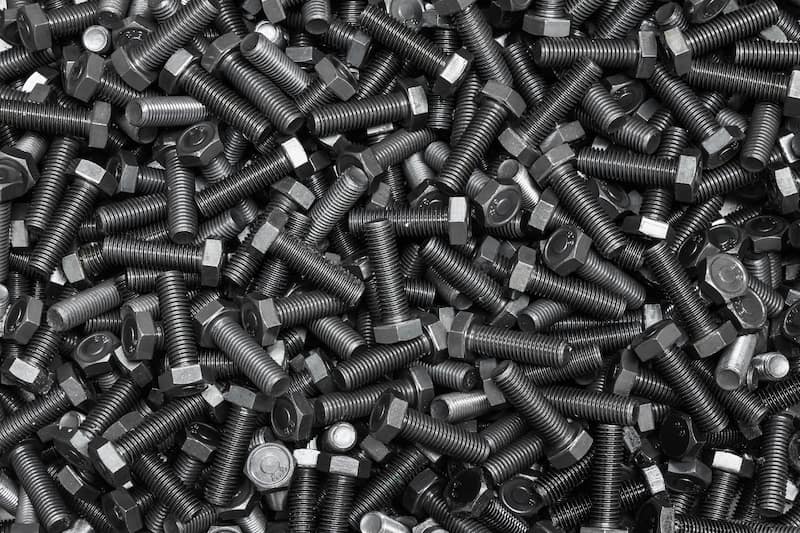
- Fasteners: Screws, nuts, bolts, washers. They get that extra corrosion protection and look sharp, especially in visible applications.
- Tools: Wrenches, screwdrivers, precision tools. The reduced glare and improved grip are big pluses.
- Firearms Components: Barrels, slides, sights, triggers. Durability, reduced glare, and a classic tactical look.
- Medical Devices: Surgical instruments, implants. The biocompatibility of stainless steel combined with the corrosion resistance and sterile appearance of black oxide is a winning combo.
- Automotive Parts: Trim pieces, exhaust tips, certain engine components. Adds a touch of class and protection against the elements.
- Industrial Equipment: Machinery parts, sensors, housings. Where durability and function are paramount.
- Consumer Electronics: High-end audio equipment, some laptop casings, and accessories. It adds a premium feel.
It’s a versatile finish, and its popularity continues to grow as people recognize its combination of aesthetics and performance. It’s not just a trend; it’s a smart choice for a wide range of applications.
A Quick Note on Maintenance
While black oxide is tough, it’s not completely maintenance-free, especially in harsh environments. Like any metal finish, it can benefit from occasional cleaning and lubrication. For stainless steel with black oxide, it's generally recommended to use mild soaps and water, and to avoid abrasive cleaners that could potentially damage the oxide layer over time. A light application of oil can also help maintain its appearance and further enhance its corrosion resistance. Think of it as a little pampering to keep your black oxide looking its best.
The Bottom Line
So, the next time you notice a sleek black accent on a piece of stainless steel – whether it’s a fancy toaster oven, a pair of binoculars, or even, yes, your kitchen faucet dial – you’ll know it’s not just for show. That black oxide coating is a functional marvel, offering enhanced corrosion resistance, improved lubricity, a sophisticated aesthetic, and reduced glare, all while maintaining the dimensional integrity of the stainless steel. It's a subtle yet powerful enhancement that truly makes stainless steel even more impressive.
It’s a reminder that sometimes, the most interesting features are the ones that are working quietly behind the scenes, making things work better and look just that little bit more polished… or, in this case, beautifully matte. Pretty cool, right? I’m off to go inspect my toaster now. You never know what hidden technological wonders might be lurking!