
Bonding Stainless Steel To Stainless Steel
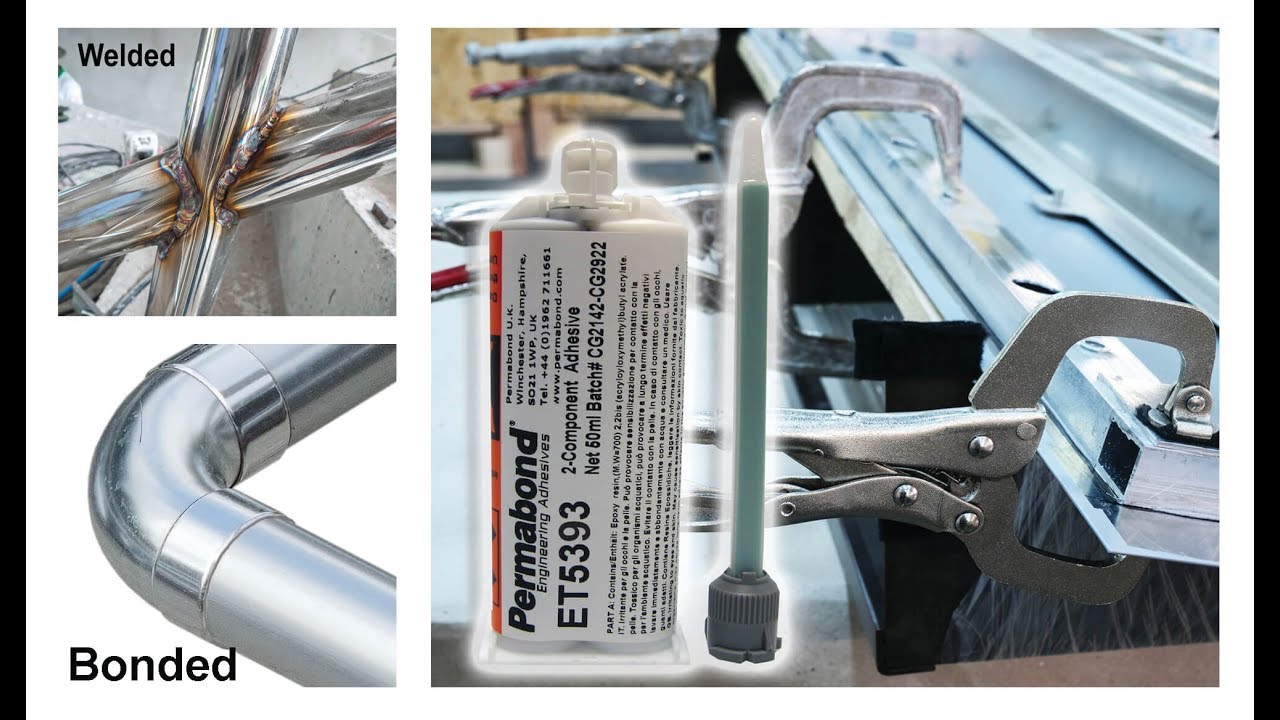
Stainless steel. It’s the superhero of materials, gleaming in our kitchens, gracing our gardens, and even holding its own in the wild. But have you ever considered what happens when these magnificent metallic marvels get together? Bonding stainless steel to stainless steel isn't just a technical process; it's a gateway to a world of creative possibilities that’s surprisingly accessible, even for the hobbyist.
Imagine transforming discarded cutlery into a whimsical garden sculpture, or crafting intricate, modern jewelry from gleaming stainless steel components. The allure of this material lies in its inherent strength, its resistance to corrosion (no rust spots on your masterpiece!), and its enduring, sophisticated aesthetic. For artists and hobbyists alike, this means projects that are not only beautiful but also built to last. Casual learners will find the process rewarding as they discover the satisfaction of working with a durable and versatile medium, bringing their unique visions to life with a material that feels both substantial and elegant.
The applications are as varied as your imagination. Think of sleek, minimalist abstract sculptures that capture the play of light, or kinetic garden art that dances in the breeze. You might see it in the detailed work of jewelry makers, creating delicate chainmail or bold, geometric earrings. Even home decor enthusiasts can join in, perhaps by creating custom shelving units, decorative wall panels, or even functional, yet artistic, kitchen accessories. The beauty of bonding stainless steel is its ability to adapt to countless styles, from the industrial chic to the playfully organic.
Ready to give it a whirl? The good news is, you don't need a professional workshop to start. For many smaller projects, epoxy adhesives designed for metal are your best friend. Look for a high-strength, two-part epoxy that specifically mentions its suitability for stainless steel. Surface preparation is key! Make sure both surfaces you’re bonding are thoroughly cleaned and degreased. A light sanding with fine-grit sandpaper can also help create a better surface for the adhesive to grip. Always follow the manufacturer’s instructions carefully regarding mixing ratios and curing times. For more permanent or structural bonds, especially with thicker pieces, welding is the ultimate solution, but this does require specialized equipment and training. However, for many creative endeavors, a strong epoxy will do the trick beautifully.
What makes bonding stainless steel so enjoyable is the tangible result of your efforts. You're taking two pieces of this resilient, shining metal and, through your own skill and ingenuity, merging them into something entirely new and uniquely yours. There’s a profound satisfaction in seeing your idea materialize, knowing that the bond you’ve created is as strong and enduring as the material itself. It's a journey of transformation, where your creativity shines as brightly as the steel itself.