
Bottom Paint For Aluminum Boats In Saltwater
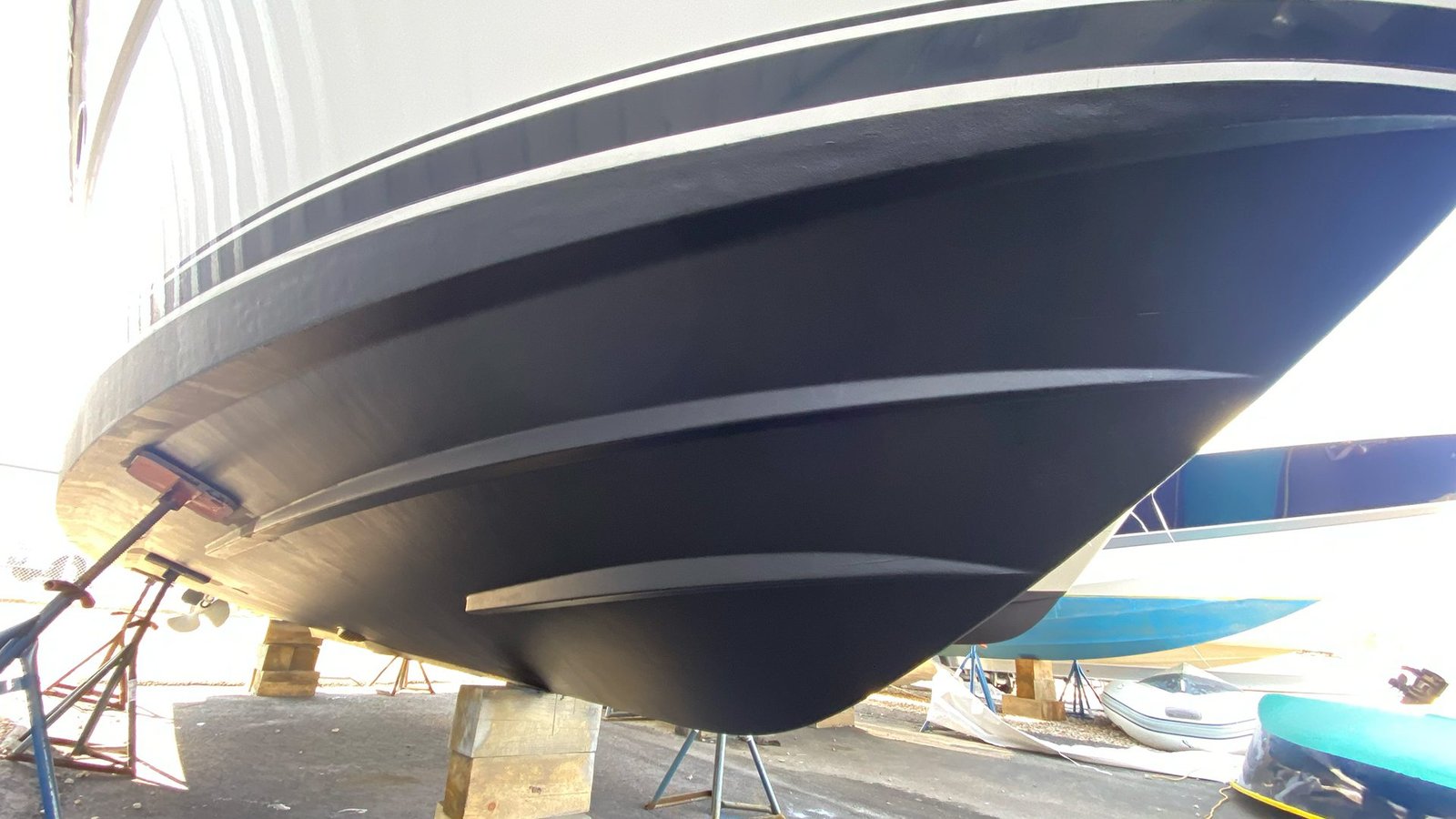
So, there I was, elbow-deep in a bucket of something that smelled suspiciously like fish and regret, contemplating the iridescent shimmer on the hull of my trusty aluminum boat. It was a hot day, the kind where even the seagulls looked like they were sweating. My buddy Dave, who’s practically a marine mechanic in his spare time (or maybe just someone who likes to tinker, who knows?), strolled over, a mischievous grin plastered on his face. “Thinking about that bottom paint again, eh?” he drawled, taking a long swig from his water bottle. I just grunted, squinting at the tiny barnacles that seemed to be having a party on my hull. “Just trying to keep this old girl happy, Dave. Don't want her turning into a coral reef by accident.” He chuckled. “Well, for an aluminum boat in saltwater, ‘happy’ and ‘bottom paint’ can be a bit of a… complicated relationship.” And that, my friends, is how I found myself down the rabbit hole of aluminum boat bottom paint in saltwater. It turns out, it’s not as straightforward as just slapping on any old anti-fouling goo.
You see, aluminum and saltwater, when they get cozy with certain chemicals, can have… reactions. And not the good, “let’s-fall-in-love” kind. More like the “let’s-create-a-battery-and-corrode-each-other-into-oblivion” kind. We’re talking about something called galvanic corrosion. Ever seen those two different metals touching in a salty environment and wondered why one seems to be dissolving faster than the other? Yep, that's your galvanic corrosion playing a starring role. Aluminum, being a bit of a reactive metal, is particularly susceptible to this. It's like the salt water acts as an electrolyte, and your aluminum hull becomes one of the electrodes in a tiny, destructive battery. Yikes!
Now, the good news is, there are ways to manage this. And it all comes down to choosing the right bottom paint. It’s not just about stopping barnacles from setting up shop; it's about protecting the very integrity of your boat’s hull. Think of it as a superhero cape for your aluminum, but one that’s designed to repel both sea critters and corrosive elements. Pretty neat, right?
The Aluminum vs. The World (of Bottom Paint) Dilemma
Let's get down to brass tacks, or rather, aluminum tacks. When you’re looking for bottom paint for your aluminum boat, especially in saltwater, you're essentially looking for a paint that's either copper-free or uses a type of biocide that won't aggressively attack the aluminum. This is the golden rule, folks. Seriously, tattoo this on your forehead if you have to.
Why copper-free? Well, traditional anti-fouling paints often rely on copper compounds to deter marine growth. Copper is great at killing barnacles and algae, but it’s also a cathodic metal compared to aluminum. When you introduce copper and aluminum to saltwater, you’re setting up that dreaded galvanic cell. The aluminum will essentially sacrifice itself to protect the copper, leading to accelerated corrosion. It’s like your boat’s hull is slowly eating itself. Not ideal.
So, what are the alternatives? We're talking about paints that use different active ingredients. Things like zinc pyrithione or copper thiocyanate (yes, still copper, but a different formulation that can be more compatible in some cases, though often best avoided for pure aluminum hulls) are out there. But the most common and safest bet for aluminum is usually a paint that uses biocides that don't rely on heavy metals, or a carefully formulated ablative paint that wears away slowly, releasing its deterrents without creating a significant galvanic reaction.
The "Ablative" Advantage (and Disadvantage)
Ablative paints, sometimes called self-polishing paints, are a popular choice for many boaters, including those with aluminum hulls. The idea here is that as your boat moves through the water, the paint surface erodes or “ablates,” revealing fresh biocide and continuously preventing marine growth. It’s kind of like having a built-in scrubber, but a very gentle one.

The benefit for aluminum is that these paints tend to have a lower potential for galvanic corrosion because they don't rely on a dense, continuous layer of a more noble metal. As the paint wears away, it doesn’t leave behind a starkly different metal surface that can easily create that electrochemical cell with your aluminum. Plus, you don't have to scrape off layers of old, dried-out paint every time you re-coat. You just clean the hull, maybe scuff it up a bit, and slap on a new coat. Easy peasy, right?
However, there's a slight caveat. Ablative paints can be more expensive upfront than traditional hard paints. And, depending on your boating habits (how often you're in the water, how fast you typically travel), they might wear away faster. If you have a boat that sits idle for long periods in warm, nutrient-rich waters, you might find you need to reapply more often. It's a bit of a trade-off between convenience, cost, and effectiveness.
The "Hard" Paint Hurdle
Then you have your hard paints, sometimes called contact-leaching paints. These paints have a harder, more durable finish. The biocide is bound within the paint matrix, and as the paint erodes very slowly, it releases the biocide. These are generally less prone to wear and tear from abrasion, making them a good choice for boats that might get a bit of accidental contact in shallow areas or have a higher speed profile.
The challenge with hard paints on aluminum is finding one that's truly compatible. Many hard paints still rely on copper, and as we’ve discussed, that's a big no-no for aluminum. If you do go with a hard paint, you must ensure it’s specifically formulated for aluminum boats and is either copper-free or uses a very specific, less reactive biocide. Even then, some manufacturers recommend applying an insulating barrier coat between the aluminum hull and the hard paint. This barrier coat acts as a physical separation, preventing direct contact between the metals and the aggressive chemicals in the paint. It's like putting on a protective suit before you go into a potentially hazardous situation. Smart, right?
These barrier coats can add complexity and cost to the application process, but they can be a lifesaver for your hull. It's an extra step, sure, but imagine the cost of repairing significant corrosion damage down the line. Suddenly, that extra labor and material cost looks like a bargain.
When "Copper-Free" Isn't Enough: The Zinc Oxide Factor
Now, even if you find a "copper-free" paint, it’s still wise to be a little cautious. Some paints might use zinc oxide as a filler or as part of their biocide system. While zinc is generally less reactive than copper, it can still contribute to galvanic corrosion when paired with aluminum. It's not as severe as copper, but it's something to be aware of. The key is to look for paints that are specifically marketed as safe for aluminum hulls.
This usually means the manufacturer has done their homework and formulated the paint with compatibility in mind. They might use less reactive fillers or employ a biocide that doesn't create a strong electrochemical potential difference with aluminum. Always, always check the manufacturer’s recommendations and specifications. They usually have a specific section for aluminum boat compatibility. If in doubt, give them a call. Better to ask a silly question than to deal with a corroded hull, right?
Sometimes, you’ll see paints that claim to be “universal.” While that might be true for fiberglass or wood, for aluminum, you need to be more discerning. It’s like saying a single key opens all locks. Doesn’t usually work out so well, does it?
The Importance of Proper Preparation
Okay, so you’ve chosen your magical, aluminum-safe bottom paint. Victory! Not so fast, my friend. The application process is just as crucial as the paint itself. If you mess up the prep, even the best paint in the world won't save you from trouble.

First things first: the hull needs to be spotlessly clean. I mean, really, really clean. Any grease, oil, dirt, or old flaking paint is going to compromise the adhesion of your new bottom paint. For aluminum, this usually means washing it thoroughly with a de-greaser and then rinsing it extremely well. Think of it as giving your hull a spa treatment before its big makeover.
Next, you need to abrade the surface. This creates a slight “tooth” for the paint to grip onto. For aluminum, you don't want to go too aggressive. A light sanding with medium-grit sandpaper (say, 80-120 grit) is usually sufficient. You’re not trying to remove metal; you’re just trying to create a surface that the paint can adhere to. After sanding, you’ll need to clean off all the dust. Again, a thorough rinse is in order.
If you’re using a barrier coat (and for some hard paints, I’d strongly recommend it), you'll follow the manufacturer's instructions for its application. This usually involves multiple thin coats, allowing for proper drying time between each. Skipping this step or rushing it is like building a house on a shaky foundation. It’s a recipe for disaster.
Once your barrier coat (if used) is dry, you can start applying your bottom paint. Again, follow the manufacturer's instructions for the number of coats, drying times, and recoating windows. Never paint over wet paint unless specifically instructed to do so. And resist the urge to rush the drying process. Patience is a virtue, especially when it comes to protecting your boat’s hull.
The Sacrificial Anodes: Your Unsung Heroes
Now, even with the best paint, it’s a good idea to have sacrificial anodes, also known as zincs, on your aluminum boat. These are typically made of zinc, aluminum, or magnesium and are designed to corrode instead of your boat’s aluminum hull. They are strategically placed on the hull, rudders, and propellers.
When you have dissimilar metals in a saltwater environment, the anodes act as the “weakest link,” sacrificing themselves to protect the more noble metals (like your aluminum hull). As they corrode away, they are gradually consumed, preventing the hull from doing the same. You’ll need to inspect these anodes regularly and replace them when they are significantly depleted. They’re like little guardians, silently taking the hit for your boat. Don’t underestimate their importance!
The placement and type of anodes can be a bit of a science in itself, and it’s worth consulting with your boatyard or a knowledgeable marine supplier to ensure you have the correct setup for your boat and your cruising grounds. A little upfront effort here can save you a world of pain later.
Common Mistakes to Avoid (Like the Plague)
Let’s recap the big no-nos. These are the things that’ll have you staring at a corroded hull and wishing you’d paid more attention:
- Using copper-based bottom paint on an aluminum hull without specific compatibility assurances. This is the cardinal sin. Seriously, avoid it like a tax audit.
- Not properly preparing the hull surface. A dirty or un-sanded hull means poor paint adhesion, which leads to peeling and, you guessed it, potential corrosion issues.
- Skipping the barrier coat when recommended. If the paint manufacturer or a reputable professional advises a barrier coat for your aluminum hull, listen to them.
- Not inspecting or replacing sacrificial anodes. These are your first line of defense against galvanic corrosion. Neglect them at your peril.
- Assuming all "bottom paints" are created equal. They are not. Aluminum is a special case, and you need special treatment.
It can seem like a lot of information, I know. It’s enough to make your head spin faster than a propeller in a storm. But honestly, once you understand the fundamental principles – keeping copper away and protecting the aluminum’s integrity – it becomes much clearer. Think of it as learning a new dance; once you get the rhythm, it’s not so awkward.
So, the next time you’re staring at that hull, bucket in hand, remember the delicate dance between aluminum, saltwater, and bottom paint. It’s a relationship that requires careful consideration, the right product, and a whole lot of good preparation. But with a little knowledge and the right approach, you can keep your aluminum beauty sailing smoothly and corrosion-free for years to come. Happy painting!