
Butcher Paper Vs Aluminum Foil
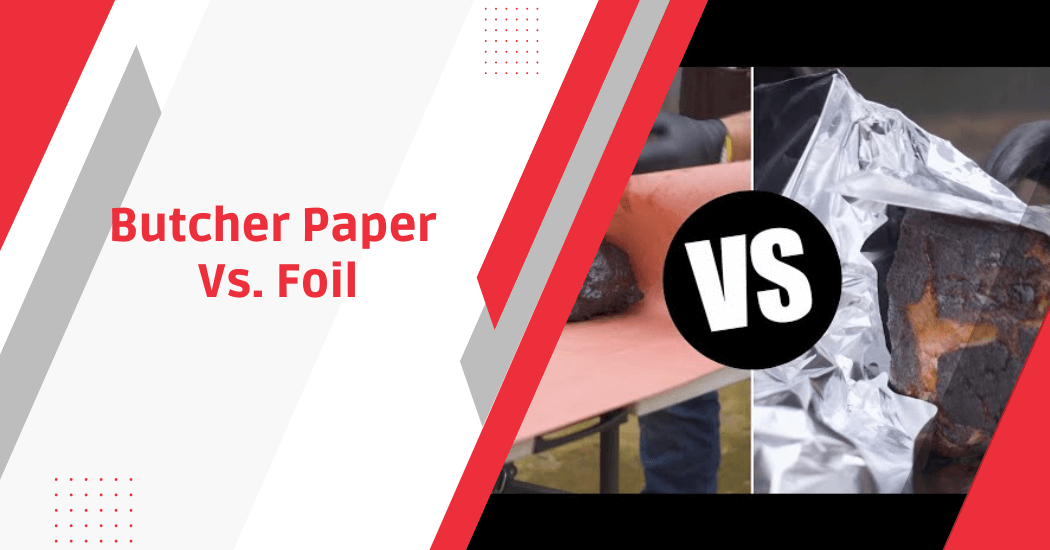
Picture this: it’s a Saturday afternoon, the grill is smokin’ (in the good way, not the fire-alarm-going-off way), and you’re deep in the throes of smoking some ribs. You’ve done all the prep, the rub is perfected, and the wood chips are just starting to do their smoky magic. Now comes the moment of truth: wrapping those beauties to tenderize them further. Do you reach for the trusty roll of shiny aluminum foil, or the more rustic, brown paper roll that’s been lurking in the back of your pantry?
Yeah, I’ve been there. For years, it was foil, no question. It’s like the default setting for anything that needs to be wrapped and cooked. But lately, I’ve been hearing whispers… like hushed, barbecue-confidential whispers… about something called butcher paper. And it’s made me a little curious. Like, really curious. Is it just a fancy fad, or is there some actual science (or maybe just really good taste) behind it?
So, I decided to dive in. We’re going to have a little chat, just you and me, about these two kitchen titans. We’re going to break down what makes them tick, what they’re good for, and when you might want to ditch one for the other. Think of this as your unofficial, slightly caffeinated guide to Butcher Paper vs. Aluminum Foil.
The Shiny, Silvery Contender: Aluminum Foil
Ah, aluminum foil. It’s been a staple in kitchens for generations, right? My grandma used it, my mom used it, and chances are, your grandma and mom used it too. It’s got that unmistakable crinkly sound when you unroll it, that sleek, reflective surface… it’s practically an icon.
So, what’s its deal? Basically, aluminum foil is made from… you guessed it… aluminum. It’s incredibly thin, which is why it’s so flexible and easy to mold. And that shininess? It’s not just for looks. It actually reflects heat, which can be a good thing in certain situations.
One of the biggest draws of foil is its impermeability. It creates a pretty tight seal. This means it’s fantastic at holding in moisture. If you’re cooking something that you want to keep super juicy, like a pot roast or some chicken breasts that tend to dry out easily, foil is your friend. It traps all those delicious juices and steam inside, essentially steaming your food in its own flavor. And let’s be honest, nobody likes dry chicken, am I right?

Another big win for foil is its versatility. You can wrap food in it, use it to cover baking dishes, even make little makeshift foil packets for grilling. It’s also great for leftovers. Just slap a piece over the bowl, and voila! Instant food preservation. It’s the Swiss Army knife of kitchen wraps, in a way.
But here’s where things get a little… interesting. Because foil creates such a tight seal, it essentially steams the food. This is great for moisture, but it can sometimes interfere with the cooking process, especially when you’re aiming for that coveted crispy, smoky exterior on things like barbecue. Think about it: if you’re trying to get a nice bark on your brisket, and you’re wrapping it tightly in foil, you’re basically creating a steamy environment that can soften that bark right up. It’s like a humidity chamber for your meat. Not ideal if you’re after that crunch.
There’s also the whole metal touching food thing. While generally considered safe, some people worry about aluminum leaching into food, especially acidic foods or when cooked at high temperatures for extended periods. It’s not usually a huge concern for most folks, but it’s something to be aware of. And, you know, the environmental impact of producing and discarding aluminum… it’s not exactly the greenest option out there.
The Earthy, Natural Alternative: Butcher Paper
Now, let’s talk about butcher paper. This is the stuff you see butchers using to wrap up your steaks and roasts. It’s usually a natural brown color, a little rougher in texture, and it feels… well, more substantial, somehow. It feels like it means business.
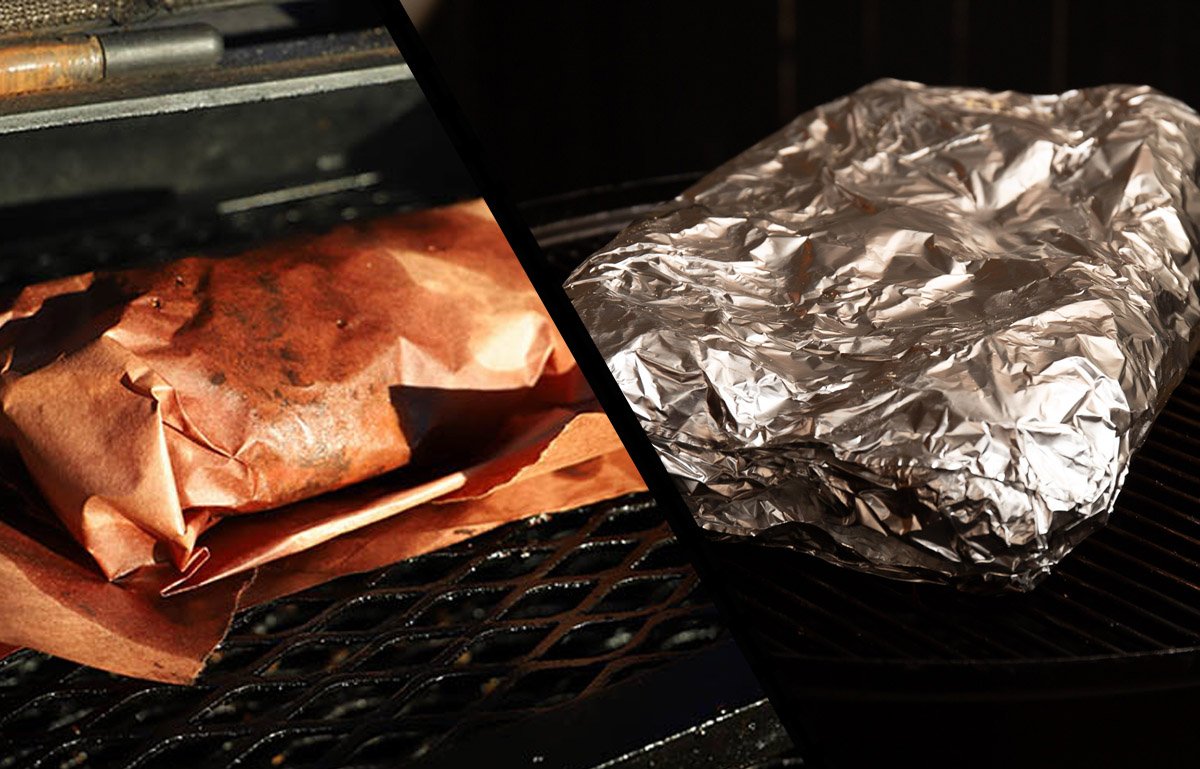
Butcher paper is typically made from paper pulp, and importantly, it’s often unwaxed and uncoated. This is a key difference from some other types of paper products you might find in the kitchen. The “uncoated” part is crucial here. It means it’s not going to create that totally impermeable barrier like foil.
So, what’s the big deal with butcher paper? Its magic lies in its breathability. It allows for a certain amount of airflow and steam to escape. This is a game-changer for smoking and grilling. When you wrap your ribs or brisket in butcher paper, it still helps to retain some moisture and heat, but it also allows that steam to escape. This means your beautifully crafted bark has a fighting chance to stay crispy and delicious.
Think of it this way: foil is like a personal sauna for your food. Butcher paper is more like a cozy, protective blanket that still lets your food breathe a little. It helps to even out the cooking process, preventing the outside from burning too quickly while the inside is still cooking. It’s that “Texas Crutch” technique you might have heard about – wrapping meat in its final stages of a long cook to push through the stall and tenderize it, but doing it in a way that preserves that crust.
And let’s talk about that beautiful, rustic look. When you unwrap something cooked in butcher paper, it often has a lovely, slightly stained, and wonderfully rendered appearance. It just looks… authentic. It’s part of the whole barbecue experience, right?

However, butcher paper isn’t perfect for everything. Because it’s not impermeable, it’s not going to be as effective at keeping foods intensely moist as foil. If you’re dealing with something very lean that’s prone to drying out, or you want to ensure every single drop of liquid stays trapped, foil might still be your go-to. Also, it can sometimes be a little trickier to get a super-tight seal with butcher paper, especially if you’re not used to working with it.
The Showdown: When to Choose Which
Alright, so we’ve met our contenders. Now, let’s get down to brass tacks. When should you reach for the shiny stuff, and when should you embrace the brown?
The Case for Aluminum Foil:
- Maximum Moisture Retention: If your primary goal is to keep food incredibly moist and prevent it from drying out, foil is your champion. Think of chicken breasts, delicate fish, or anything you’re worried about overcooking and drying.
- Quick & Easy Sealing: Foil is a breeze to mold and seal, making it perfect for those times when you’re in a hurry or just want a foolproof wrap.
- Baking & Casseroles: Covering baking dishes to prevent the top from burning or to steam ingredients within a casserole? Foil is your best friend.
- Leftovers: For quick covering of bowls and plates, foil is still a top choice.
- Direct Grilling (with caution): While not ideal for creating a bark, you can use foil packets for cooking vegetables or fish on the grill, as it protects them from direct heat and steams them.
The Case for Butcher Paper:
- Barbecue Perfection (The Bark Master!): This is where butcher paper truly shines. If you’re smoking ribs, brisket, pork shoulder, or anything where you want to develop and preserve a beautiful, crispy, flavorful bark, butcher paper is the way to go.
- Even Cooking & Moisture Management: It allows steam to escape, preventing soggy exteriors while still retaining enough moisture to keep the meat tender. It helps push through the cooking stall without sacrificing your hard-earned bark.
- Rustic Presentation: If you appreciate that authentic, old-school barbecue look, butcher paper delivers.
- Wrapping during long cooks: The “Texas Crutch” is a prime example of its effectiveness in the final stages of a long, slow cook.
- A More Natural Option: For those concerned about potential aluminum leaching or looking for a more environmentally friendly option (though disposal is still a consideration), butcher paper is a good alternative.
A Little Bit of Irony and a Whole Lot of Deliciousness
It’s kind of funny, isn’t it? We’ve got these two simple materials, and they’re both so effective in their own ways, yet so different. It’s like the quiet, unassuming friend who’s brilliant at listening (butcher paper), and the flashy, energetic friend who’s always up for an adventure (aluminum foil). Both have their place in the grand scheme of things.
I remember one time, I was trying to smoke some pulled pork, and I’d heard all this buzz about butcher paper. So, I bravely ventured into a specialty cooking store (yes, I admit, I’m one of those people) and bought a roll. I felt like I was embarking on a culinary quest. I wrapped my pork shoulder, and when I finally unwrapped it, I swear, the bark was just… chef’s kiss. It was still moist, it was tender, and that crispy, smoky crust? Perfection. It was a revelation.

But then, the next day, I needed to reheat some leftovers in a hurry, and what did I grab? Foil. Because sometimes, you just need the reliable, no-fuss option, right? And there’s absolutely nothing wrong with that.
The truth is, there’s no single “winner” here. It’s all about understanding the strengths of each material and using them for what they do best. Think of it as building your culinary toolkit. The more tools you have, the better equipped you are to tackle any cooking challenge that comes your way.
So, next time you’re standing in front of your pantry, contemplating your wrapping strategy, take a moment. What are you cooking? What’s your desired outcome? If you’re going for that epic, smoky bark, give butcher paper a whirl. You might be surprised at the difference. If you’re more concerned with pure moisture or a quick bake, your trusty foil is still a solid choice.
Ultimately, both butcher paper and aluminum foil are fantastic tools that can elevate your cooking. Experiment, play around, and most importantly, enjoy the delicious results. Because at the end of the day, isn’t that what it’s all about? Happy cooking (and wrapping)!