
Can A Laser Cutter Cut Metal

So, you're staring at that shiny, futuristic-looking laser cutter, maybe it’s in a maker space, or a friend’s super cool workshop, and a question pops into your head. A big, bold question: Can a laser cutter actually, you know, cut metal? It sounds kind of sci-fi, right? Like something out of a movie. But is it real life? Let’s spill the beans, shall we?
The short answer? Yep, totally! But, and this is a pretty important "but," it’s not quite as simple as pointing a laser pointer at a piece of tin foil. Think of it more like advanced surgery with a very, very hot scalpel. It’s precise, it’s powerful, and it definitely gets the job done.
Now, when I say "metal," what are we really talking about? We’re not just talking about that flimsy aluminum can you crushed last night. We’re talking about things like steel, stainless steel, brass, copper, even some pretty thick stuff. Laser cutters are surprisingly versatile, you know? They can handle a surprising range of materials. It's not just paper and wood anymore, my friends!
How does this magic happen, you ask? Well, it’s all about concentrated energy. Imagine taking all the sunlight you can get on a really sunny day and focusing it down to the tiniest possible point. That’s kind of what a laser cutter does, but with a whole lot more oomph. The laser beam is so intense, so focused, that when it hits the metal, it basically melts it. Zap! Gone.
But it doesn’t just melt and drip everywhere like a sad, forgotten candle. Oh no. There’s usually an assist gas involved. Think of it as a high-pressure blow dryer. This gas, often oxygen or nitrogen depending on the metal, blows away the molten metal. It’s like a tiny, super-fast clean-up crew. This helps create a really clean cut. No messy blobs, just a pristine edge. Pretty neat, huh?
Now, here’s where things get a little more nuanced. Not all laser cutters are created equal, obviously. You can’t just grab any old hobbyist laser that you might use for cutting plywood and expect it to slice through a quarter-inch of steel. Dream on, friend!

To cut metal, you generally need a much more powerful laser. We’re talking about fiber lasers, for instance. They are the superheroes of the laser world when it comes to metal. They can deliver the kind of power needed to make those metal atoms sweat. Other types of lasers, like CO2 lasers, can cut thin metals, but they’re not typically the go-to for thicker stuff. It’s all about the wavelength and the power output, you see. It's like choosing the right tool for the job, except the tools are made of light and pure energy.
So, what kind of thickness are we talking about? It really varies. A decent fiber laser can often cut through several millimeters of steel with ease. We’re talking about stuff you could build a car out of, metaphorically speaking! But for really thick plates, you might need an even beefier machine. It's a bit of a spectrum, really. From paper-thin to plate steel, the laser cutter can tackle a surprising amount. It’s like having a super-powered metal shredder, but way more controlled.
What about different metals? Does it handle them all the same? Not quite. Different metals have different properties, right? Like how aluminum is lighter than steel. This means they absorb laser energy differently. So, the settings you’d use for cutting aluminum would be different from the settings for stainless steel. The laser technician (or you, if you’re brave enough to learn!) needs to dial in the right power, speed, and gas pressure for each specific metal. It’s a bit of an art and a science. Like a chef adjusting spices, but with lasers.
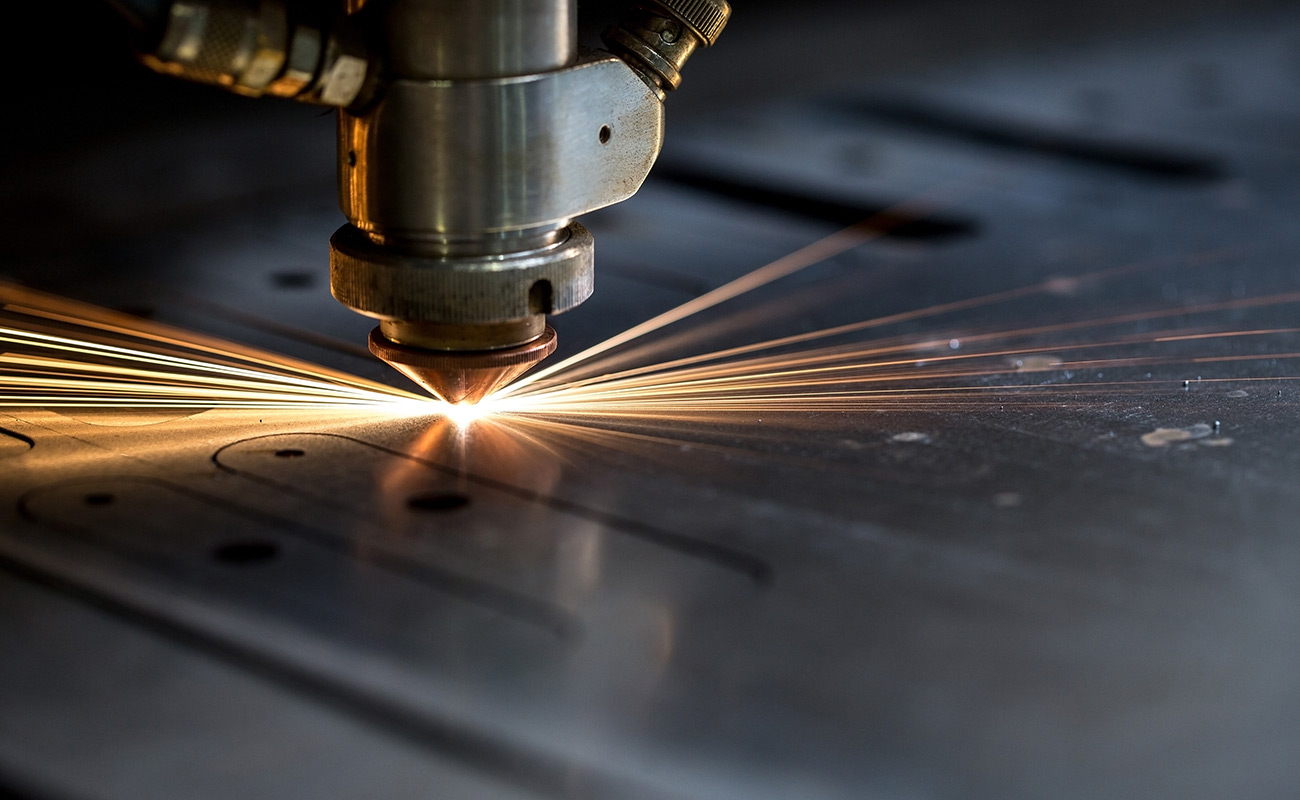
Think about it this way: a laser cutter is like a very precise, very hot knife. But some knives are designed for butter, and others are designed for steak. A laser for paper is a butter knife. A laser for steel? That’s a steak knife. A very sharp, very hot steak knife.
And the speed! Oh, the speed! When a laser cutter is ripping through metal, it’s not exactly dawdling. It can be incredibly fast. This is a huge advantage if you’re doing production work. Imagine needing to cut a thousand identical metal brackets. A laser cutter can do that in a fraction of the time it would take with traditional methods. That's where the real magic happens for businesses, for serious makers. Efficiency, baby!
But let's be real, these machines aren't exactly sitting in your garage next to the lawnmower. They are often industrial-grade pieces of equipment. They can be quite large, they require a good power supply, and they come with a hefty price tag. So, while can a laser cutter cut metal? Absolutely. Will your little desktop diode laser engraver do it? Probably not. We’re talking about serious hardware here.
However, the accessibility is growing. More and more maker spaces and fabrication labs are getting these metal-cutting lasers. So, if you have a project in mind that involves metal, and you don't want to invest in your own giant, humming machine, check out your local resources. It’s a great way to get your hands on some amazing technology without breaking the bank. Plus, you get to hang out with other cool people who are into making stuff. Win-win!

What kind of things can you make with a laser-cut metal? The possibilities are pretty darn endless, really. We're talking about intricate artwork, custom signage that’s way cooler than anything you’d buy at the store, custom car parts, parts for robots (for all you aspiring engineers out there!), decorative screens for your garden, even jewelry if you’re feeling fancy. The precision allows for really delicate and complex designs that would be super hard to achieve otherwise. It's like having the power to sculpt metal with light. Seriously cool.
One of the biggest advantages of laser cutting metal is the lack of physical contact. Traditional methods often involve blades or bits that are actually touching the material. This can cause wear and tear on the tools, and it can also introduce stress to the metal. But a laser? It just floats above, zapping away. This means less tool wear, and a cleaner, less stressed cut. It’s a bit like magic, but with very well-understood physics.
And the kerf! That's the width of the cut itself. Laser cutters have a really small kerf. This means you can cut very intricate shapes and get parts very close together. You're not wasting material, and you're not limited by the width of a saw blade. It's all about that tiny, super-hot beam. Precision, precision, precision.
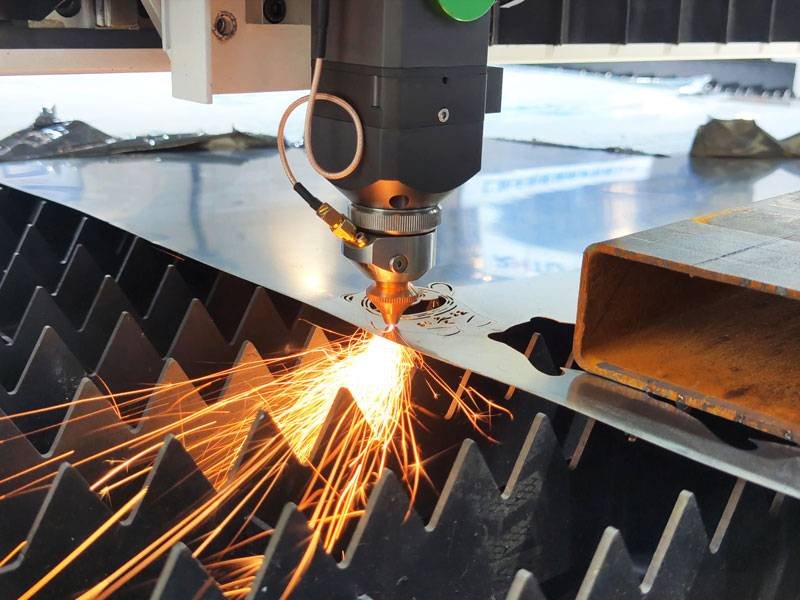
So, to recap, can a laser cutter cut metal? A resounding yes! But remember, it requires the right kind of laser cutter (usually a high-powered one like a fiber laser), the right settings for the specific metal, and often an assist gas to get a clean finish. It's not a casual DIY project with your average desktop machine, unless you're talking about really, really thin foil. But the technology is definitely out there, making some seriously awesome things possible.
It’s a testament to human ingenuity, isn’t it? Taking light and turning it into a tool so powerful it can shape one of the strongest materials known to humankind. Pretty mind-blowing when you stop and think about it. So next time you see a laser cutter, especially one that looks like it means business, remember that it’s not just for paper. It’s a metal-munching marvel. Who knew light could be so… industrious?
It’s always good to be curious, right? And asking questions like "Can a laser cutter cut metal?" is a fantastic starting point. It opens up a whole world of possibilities. So, go forth, explore, and maybe, just maybe, you'll be the one designing the next amazing metal masterpiece with the help of a laser. Wouldn't that be something?
The world of making is constantly evolving, and laser cutting metal is a prime example of that. It’s pushing boundaries, enabling new designs, and making complex fabrication more accessible. So, while it might seem a bit futuristic, it’s very much a reality today. Just be sure to wear your safety glasses, even when you're just thinking about lasers. Safety first, always!