
Can Aluminum Be Stick Welded

Hey there, fellow metalheads and DIY enthusiasts! Ever been staring at a piece of shiny aluminum, maybe a busted bike frame or a cool decorative bit, and wondered, "Can I actually stick weld this bad boy?" It's a question that pops up in the workshop, usually after a particularly frustrating attempt at something else. And let me tell you, it’s a question that has a slightly complicated answer. Think of it like trying to give a cat a bath – possible, but you gotta know what you're doing and be prepared for a few… hiccups.
So, let's dive right in and spill the beans. Can you stick weld aluminum? The short, somewhat sassy answer is: technically, yes. But now comes the part where we add a giant asterisk, a blinking neon sign, and maybe a small parade. It’s not exactly your go-to for everyday aluminum projects, and it’s definitely not as straightforward as welding steel. If you’re picturing zapping a soda can back together with your trusty old stick welder, well, you might be in for a bit of a surprise.
Let’s chat about why aluminum is such a diva when it comes to welding, especially with the stick method. First off, aluminum has this annoying habit of forming an oxide layer. It’s like its own personal force field, and this layer has a significantly higher melting point than the aluminum itself. So, while you're trying to melt the base metal, you're also battling this stubborn oxide skin. It’s enough to make you want to go back to knitting, right?
Now, with TIG (Tungsten Inert Gas) or MIG (Metal Inert Gas) welding, we have ways to deal with this. TIG uses a wire brush and specific techniques to break through that oxide, and MIG uses a different type of shielding gas. But with stick welding, also known as Shielded Metal Arc Welding (SMAW), things get a little… less graceful.
The electrodes we use for stick welding are typically designed for steel. They have a flux coating that creates shielding gas and slag to protect the molten puddle. When you try to use these on aluminum, it’s like trying to use a butter knife to perform surgery. It's just not the right tool for the job. The flux is designed to handle iron oxides, not aluminum oxides.
So, what happens? Well, if you manage to get it to spark and melt, you'll likely end up with a mess. Think porosity (tiny holes everywhere!), lack of fusion (the pieces just kinda stick together, loosely), and a weld that looks like it was made by a caffeinated squirrel. It’s not pretty, and it's certainly not strong. You might even get a nasty reaction between the electrode coating and the aluminum, creating some… interesting fumes. Not exactly the kind of fume you want filling your garage, trust me.

The Mythical Aluminum Stick Welding Electrode
Okay, so the standard steel stick electrodes are out. But what about special electrodes for aluminum? Ah, now we’re getting somewhere! There are indeed stick electrodes specifically designed for welding aluminum. They exist! They are a real thing! They’re not just a figment of a desperate welder’s imagination.
These special electrodes usually have a different type of flux coating and are often made with an aluminum alloy core. The flux is formulated to help break down that pesky oxide layer and provide adequate shielding. Sounds promising, right? It’s like the cavalry arriving, but a very specific, niche cavalry.
However, even with these specialized electrodes, aluminum stick welding is still considered… shall we say… an advanced maneuver. It’s not your entry-level welding technique. You’re going to need some serious practice, a lot of patience, and probably a few sacrificial pieces of aluminum to experiment on. Think of it as learning to juggle chainsaws – doable, but perhaps not the best place to start your juggling career.
What to Expect (and Not Expect)
If you do decide to venture into the world of aluminum stick welding, here’s what you might encounter:
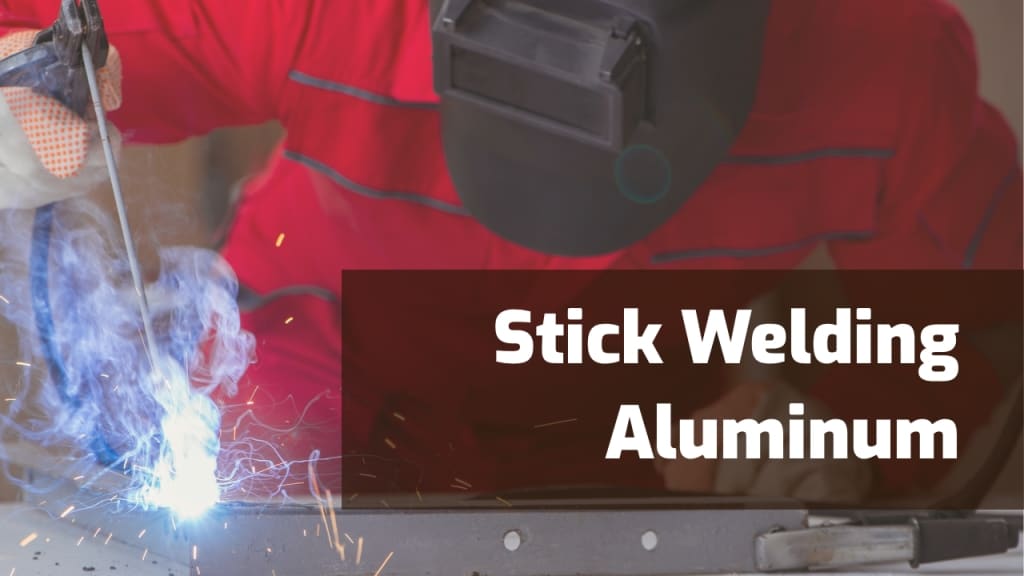
Difficulty Controlling the Arc: Aluminum melts faster and is more fluid than steel. This means your molten puddle can quickly turn into a runaway river of hot metal. Controlling that with a stick electrode can be a real challenge. It's like trying to steer a greased piglet down a waterslide.
Sputtering and Spatter: Even with the right electrodes, you can expect a fair amount of spatter. This is when molten metal jumps out of the puddle. It’s a sign that things aren't as smooth as they could be. You’ll be cleaning up more than usual, that’s for sure.
Weld Appearance: Don’t expect those beautiful, clean welds you see from TIG or MIG. Aluminum stick welds often look a bit rougher, with a more textured surface. It’s more about function than pure aesthetic beauty, though a skilled welder can certainly make them look decent.

Specific Aluminum Alloys: Not all aluminum is created equal. Different aluminum alloys have different welding characteristics. Some are more forgiving than others. You’ll want to know what alloy you’re working with if you’re aiming for success. It’s like dating – some people are just easier to get along with.
Cleanliness is KEY: Seriously, I can’t stress this enough. Before you even think about striking an arc, your aluminum needs to be immaculately clean. Any grease, oil, dirt, or even fingerprints can cause major problems. A stainless steel brush specifically for aluminum (don’t use one that’s touched steel!) is your best friend here. You want it to sparkle like a disco ball.
So, Should You Even Bother?
This is the million-dollar question, isn't it? If you’re a hobbyist looking for the easiest and most effective way to weld aluminum, stick welding is probably not your first choice. TIG and MIG are generally considered the superior methods for aluminum for good reason. They offer better control, cleaner welds, and are more forgiving for beginners.
However, if you already have a stick welder and you’re curious, or if you find yourself in a situation where it’s your only option, and you can get your hands on the correct aluminum stick electrodes, then go for it! It’s a great way to learn more about your welding equipment and to push your boundaries. Think of it as an adventure! A slightly smoky, potentially frustrating, but ultimately rewarding adventure.

You might find that with a lot of practice and the right technique, you can achieve some decent results. It might not be for building show-car chassis, but for some repair work or fabricating less critical parts, it could be a viable option. It’s about understanding the limitations and working with them, rather than against them.
The key takeaway here is that while the idea of stick welding aluminum might sound a bit like trying to teach a fish to ride a bicycle, it’s not entirely impossible. It requires the right tools (specialized electrodes!), a heap of patience, and a willingness to get your hands dirty (and maybe a little singed). It’s a challenge, for sure, but isn't that part of the fun of being a maker?
Ultimately, if you're looking to weld aluminum, your best bet is to explore TIG or MIG welding. They are the reigning champions for a reason. But if you’re feeling brave, or you’re just plain curious, and you’ve got those special aluminum stick electrodes and a sense of humor, give it a whirl! You might surprise yourself.
And hey, even if your first attempts look like a platypus went to town with a welding torch, you’ll have learned something new. Every weld, good or… character-building, teaches you a little more about the magic of metal. So, embrace the challenge, keep practicing, and remember: the world of welding is vast and wonderful, and there’s always a way to bring your ideas to life. Happy welding, and may your sparks fly true (and mostly where you want them to)!