
Can I Put My Stainless Steel Pan In The Oven
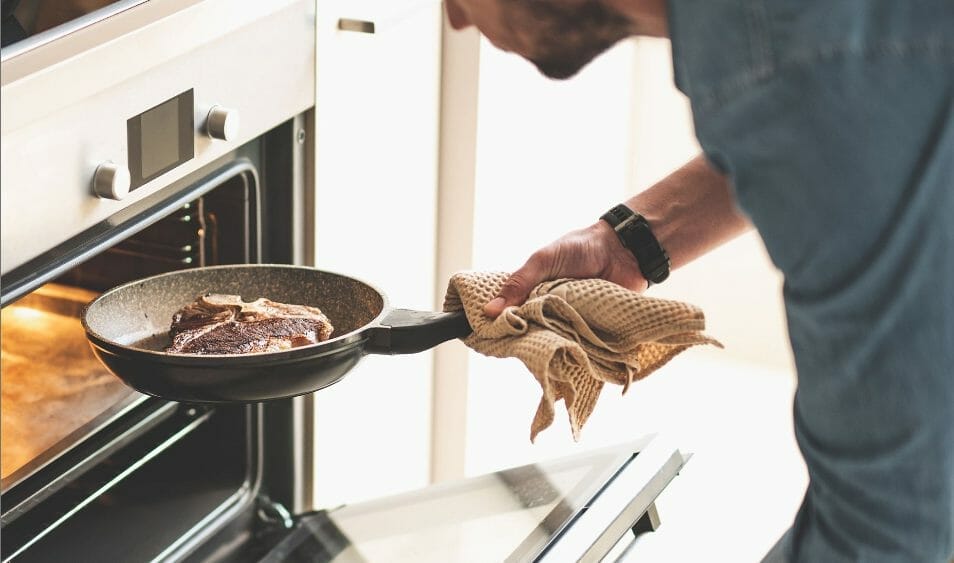
Ah, the trusty stainless steel pan. It's the workhorse of the kitchen, the silent hero of countless weeknight dinners and weekend brunches. We sear, we sauté, we simmer, and sometimes, if we’re feeling particularly ambitious (or just lazy), we wonder… can this culinary companion venture beyond the stovetop?
The question on everyone's lips, or at least the one that pops into our heads when a recipe calls for a finishing touch in the oven: "Can I put my stainless steel pan in the oven?" The short answer, and I'm here to make this as breezy as a perfectly seared scallop, is a resounding YES. But, like most things in life, there are a few little details that make all the difference between a culinary triumph and a minor kitchen mishap.
The Oven-Friendly Verdict: A High-Five for Your Pan
Let’s break it down. Most high-quality stainless steel pans, especially those with a solid construction and no plastic or wooden handles, are designed to be oven-safe. Think of it as a natural extension of their stovetop superpowers. That beautiful, even heating you love on the burner? It translates beautifully to the consistent, gentle heat of an oven.
This versatility is a huge part of what makes stainless steel so darn popular. It’s not just about good looks (though, let's be honest, a gleaming stainless steel pan does make a kitchen feel a little more cheffy). It's about functionality. Being able to sear a steak on the stovetop and then slide the whole pan into a hot oven to finish cooking to a perfect medium-rare? That’s kitchen magic, my friends. It means fewer dishes to wash, a more streamlined cooking process, and frankly, a more impressive presentation.
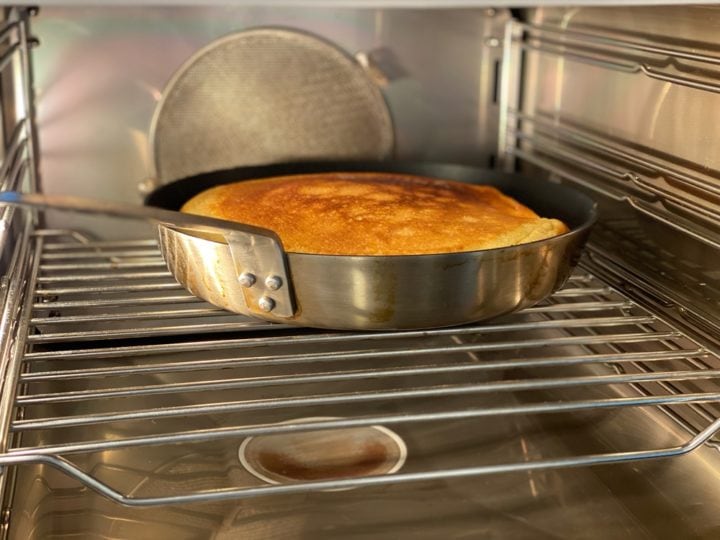
Imagine this: you’ve just mastered a gorgeous frittata. You’ve sautéed your veggies to perfection, poured in that eggy, cheesy goodness, and the stovetop is doing its thing. But the top isn’t quite as golden and set as you’d like. Instead of trying to awkwardly flip it or transferring it to a separate baking dish (and risking a delicious eggy landslide), you simply pop the entire pan into a preheated oven. Voilà! A beautifully cooked, perfectly browned frittata, all in one go.
Handle With Care: The Crucial Handle Check
Now, here’s where we get a little granular, and this is the most important part to remember. While the stainless steel body of your pan is generally oven-safe, the handles are the potential weak link. If your pan has handles made of bakelite, silicone, or wood, you'll need to be cautious. These materials typically have lower heat tolerances than metal and can melt, warp, or even catch fire if exposed to the high temperatures of an oven for extended periods.
So, before you go embarking on an oven adventure with your trusty pan, give those handles a good once-over. Are they solid metal, usually riveted on? If so, you’re likely good to go. Does the manufacturer’s care guide mention oven safety? Even better! Many brands will explicitly state the maximum oven-safe temperature for their cookware. It’s always best to check, just like you'd check the weather before planning a picnic.
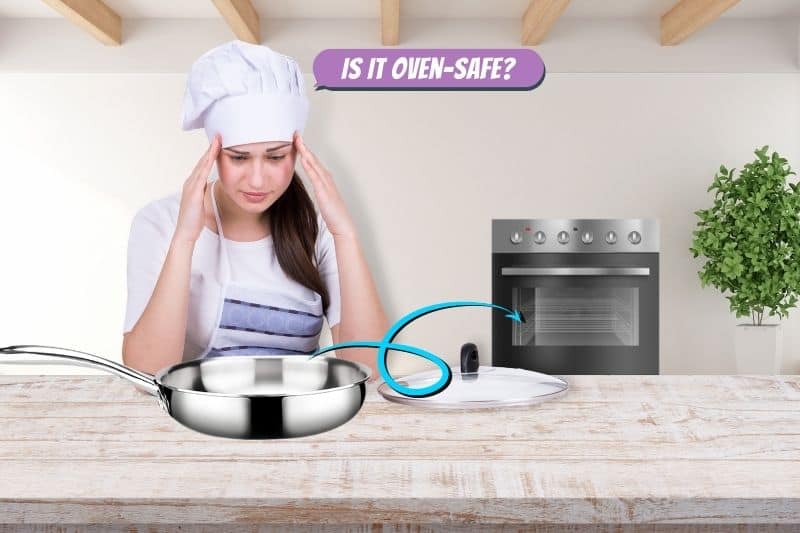
Think of it this way: your pan is like a superhero with a Kryptonite weakness. The stainless steel is its invincibility, but those non-metal handles? They can be its undoing. Respect the materials, and your pan will continue to serve you faithfully.
Temperature Limits: Playing It Safe and Savory
So, what are we talking about in terms of temperature? Generally, most stainless steel pans without any non-metal components are safe to go into ovens heated up to around 400-500°F (200-260°C). Some heavy-duty, all-metal pans can even handle higher temperatures, sometimes up to 600°F (315°C).
This range covers a vast majority of cooking and baking needs. Think roasting vegetables, finishing off a delicate fish, baking a gratin, or even making a quick skillet cookie. These are all well within the capabilities of your oven-ready stainless steel pan. Recipes that require extreme temperatures, like pizza baked at 700°F, might push the limits of even some oven-safe cookware, but for everyday cooking, you're usually in the clear.
A little tip: if you’re ever unsure, it’s always safer to err on the side of caution. If a recipe calls for a scorching 550°F, and your pan's manual only lists up to 450°F, consider using a different baking dish or a specialized oven-safe skillet that you know can handle the heat.
What About Lids? The Opaque Question
Ah, the lid. The often-overlooked accessory to our beloved pans. If your stainless steel pan came with a stainless steel lid, and that lid has no plastic or silicone components, then yes, the lid can generally go in the oven too. This is fantastic for braising, for keeping moisture in while baking, or for ensuring even cooking on thicker dishes.
However, if your lid has a glass knob or a silicone grip, you’ll need to remove it before placing the pan in the oven. Just like the pan handles, these parts are susceptible to heat damage. Many glass lids are also designed for stovetop use and may not withstand the intense, dry heat of an oven without a risk of cracking. So, always check the lid’s material as well.
Think of it like packing for a trip. You wouldn’t just shove everything in; you’d consider what needs special handling. Your lid is no different. Remove the delicate bits, and the sturdy parts can join the oven party.
A Cultural Nod: From French Escoffier to Everyday Eats
The practice of searing on the stovetop and finishing in the oven isn't new; it's a culinary technique that has been around for ages. Think of classic French cooking. Auguste Escoffier, the legendary chef who essentially codified much of modern haute cuisine, would have absolutely appreciated the efficiency and elegance of this method. He understood the power of controlled heat and the beauty of a pan that could move seamlessly between different cooking environments.
In many cultures, cooking in a single vessel is deeply ingrained. From the Spanish paella cooked in a wide, shallow pan that goes from burner to oven, to the Italian casseroles baked to bubbly perfection, the concept of an oven-safe pan is a culinary cornerstone. It speaks to a desire for delicious food made with a touch of ingenuity and minimal fuss. Your stainless steel pan, in its oven-going glory, is part of this rich culinary tapestry.
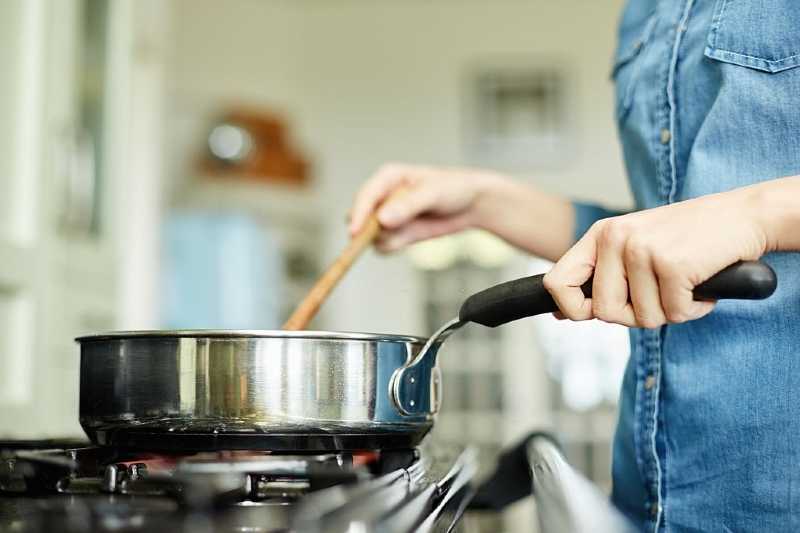
Fun Fact: The Birth of Stainless Steel
Did you know that stainless steel itself is a relatively modern invention? It wasn't discovered by accident like penicillin. British metallurgist Harry Brearley was actually trying to create a more corrosion-resistant gun barrel in 1913 when he stumbled upon an alloy that wouldn't rust or tarnish. He found that adding chromium to iron made it incredibly durable and resistant to corrosion. And thus, our beloved stainless steel was born, ready to conquer kitchens (and guns) worldwide!
This durability is exactly why it’s so great for both stovetop and oven use. It can withstand the high heat and acidic environments of cooking without degrading or leaching unwanted chemicals into your food. It’s a testament to human ingenuity, providing us with cookware that is both practical and aesthetically pleasing.
Practical Tips for Oven-Bound Pans
Here are a few handy tips to keep in mind:
- Always check manufacturer guidelines: When in doubt, read the manual. It's the ultimate cheat sheet for your cookware.
- Remove any non-metal parts: This is crucial! Take off silicone grips, plastic handles, or wooden elements before the oven.
- Consider oven mitts: Stainless steel handles get hot! Always use sturdy oven mitts or pot holders when handling a hot pan.
- Don't overheat: While stainless steel is robust, extreme, prolonged heat can still stress even the best materials. Stick to recommended temperatures.
- Preheat accordingly: If your recipe calls for a hot oven, make sure the oven is fully preheated before you put your pan in.
- Grease if necessary: For sticky foods like eggs or delicate fish, a light greasing of the pan before it goes into the oven can prevent sticking.
These simple practices ensure that your pan has a long, happy, and productive life, helping you create delicious meals for years to come.

When to Think Twice: Not All Pans Are Created Equal
While we've sung the praises of stainless steel, it's worth mentioning that not every pan is suitable for oven use. If you have a very old, thin, or cheaply made stainless steel pan, it might not have the structural integrity to withstand oven temperatures. Also, pans with non-stick coatings might have temperature limitations, so always check the coating’s specifications.
And of course, if your pan is anything other than stainless steel – say, cast iron with a seasoned finish, aluminum, or copper (unless specifically designed for oven use) – you’ll need to verify its oven-safe status. Cast iron is fantastic in the oven, but aluminum can warp, and some copper pans have solder points that can melt. Always be sure!
The Joy of One-Pan Wonders
Ultimately, the ability to take your stainless steel pan from stovetop to oven is a small but significant freedom in the kitchen. It simplifies cooking, reduces cleanup, and allows for some truly delightful culinary outcomes. That perfectly roasted chicken breast with a beautiful sear and even cooking? The caramelized onions that reach their peak sweetness? The rustic galette with a crisp, golden crust? These are the joys of the one-pan wonder, and your stainless steel pan is the MVP.
It’s about making your cooking experience as smooth and enjoyable as possible. Because at the end of the day, we’re not just cooking food; we’re creating moments, sharing meals, and finding a little bit of joy in the process. And if your trusty stainless steel pan can help make that process easier and more delicious, then it's earned its spot as a true kitchen hero.
A Final Thought: Life, Like Cooking, is About Adaptability
Thinking about our stainless steel pans and their ability to transition between heat sources, it’s a nice little metaphor for life, isn't it? We navigate different environments, adapt to changing circumstances, and hopefully, emerge a little more seasoned and a lot more resilient. Just like our pans can handle the intense blast of the stovetop and the steady warmth of the oven, we too can manage the various temperatures and pressures life throws our way. So, next time you’re about to slide that pan into the oven, give it a little nod of appreciation. It’s more than just cookware; it’s a testament to versatility, durability, and the simple pleasure of a well-executed meal.