
Can I Use Glass Cleaner On Stainless Steel

Oh, the dreaded kitchen counter. You’ve just finished making a culinary masterpiece (or at least a decent grilled cheese), and now there’s a smudge. A fingerprint. Maybe even a tiny speck of dried sauce that’s clinging on for dear life. Your instinct? Grab the nearest spray bottle. Chances are, it’s your trusty glass cleaner, right? We’ve all been there. You want that streak-free shine, and that blue liquid promises just that. But a little voice in the back of your head might whisper, “Is this actually good for my fancy stainless steel appliances?”
Let’s dive into this age-old kitchen dilemma: can you, in fact, use glass cleaner on stainless steel? And more importantly, should you?
The Shiny Allure of Glass Cleaner
We love glass cleaner for its magical ability to make windows and mirrors disappear, leaving behind nothing but sparkling clarity. Think of it like your favorite superhero’s cape – it swoops in, battles the grime, and leaves everything looking amazing. It’s designed to tackle fingerprints, water spots, and that mysterious film that seems to accumulate on glass surfaces like static on a balloon.
And let’s be honest, our stainless steel appliances often get hit with the same kinds of offenders. The fridge door, constantly adorned with your kids’ latest artwork (or maybe just their sticky handprints). The dishwasher front, a magnet for drips and smudges. The toaster, forever shedding crumbs and fingerprints. It’s tempting, so very tempting, to just give them a quick spritz and a wipe.
So, What’s the Scoop?
Here’s the thing: glass cleaner is formulated with ammonia or other strong chemicals. These are fantastic for glass because glass is a pretty tough customer. It’s not porous and can handle a bit of a chemical onslaught without flinching. Stainless steel, on the other hand, is a bit more… sensitive. While it’s tough in its own right, it’s also got a protective outer layer, like a microscopic shield, that can be damaged by certain harsh chemicals.
Think of it like this: imagine you’re wearing a really nice, lightweight rain jacket. A gentle shower is no problem, it’ll bead right off. But if you were to dunk it in a vat of industrial-strength degreaser, that jacket would probably lose its waterproofing and its nice finish. Stainless steel is kind of like that jacket. It’s built to last, but not meant for chemical hazing.
The Potential Pitfalls
When you use glass cleaner on stainless steel, especially regularly, you run the risk of:
- Dulling the Finish: That beautiful, reflective sheen? Ammonia can slowly strip away the protective layer, making it look more matte and less… well, steel-y. It’s like going from a polished apple to a slightly bruised one.
- Causing Discoloration: In some cases, especially with prolonged contact or in very concentrated forms, the chemicals can actually cause faint yellowing or brown spots. Nobody wants their sleek stainless steel fridge to look like it’s been sunbathing without sunscreen.
- Creating Scratches (Indirectly): While the glass cleaner itself might not scratch, the way it interacts with the surface could make it more prone to micro-scratches from your cleaning cloth later on.
- Leaving Streaks (Yes, Really!): Ironically, the very thing you’re trying to achieve – streak-free shine – can sometimes be harder to get with glass cleaner on stainless steel. The residue can be tricky to wipe away completely, leaving behind faint lines.
What’s the Better Alternative?
Don’t despair! Your stainless steel appliances don’t need to live in a perpetual state of mild grubbiness. The good news is, the best cleaning solutions are often the simplest ones, and they’re probably already in your pantry or under your sink.

The Power of Simple Soap and Water
Seriously, this is your first and best line of defense. A little bit of mild dish soap (the kind you use to wash your everyday dishes) mixed with warm water is your stainless steel’s best friend. It’s gentle, effective, and won’t damage that precious finish. Grab a soft microfiber cloth, dip it in the soapy water, wring it out really well (you don’t want it dripping!), and wipe down your appliance. It’s like giving your fridge a nice, refreshing bath.
Why microfiber? These cloths are super soft and designed to trap dirt and grime without scratching. Think of them as tiny, fluffy cleaning ninjas. Paper towels can be a bit too abrasive and can leave lint behind. And never use abrasive sponges or steel wool – that’s a fast track to disaster!

The Shine Factor: Beyond the Suds
Once you’ve washed and rinsed (yes, a damp cloth to wipe off the soap is a good idea!), it’s time for the shine. For an extra sparkle, you have a few excellent options:
- A Dry Microfiber Cloth: Often, a good buff with a clean, dry microfiber cloth is all you need to bring back that beautiful gleam. This is your go-to for daily touch-ups.
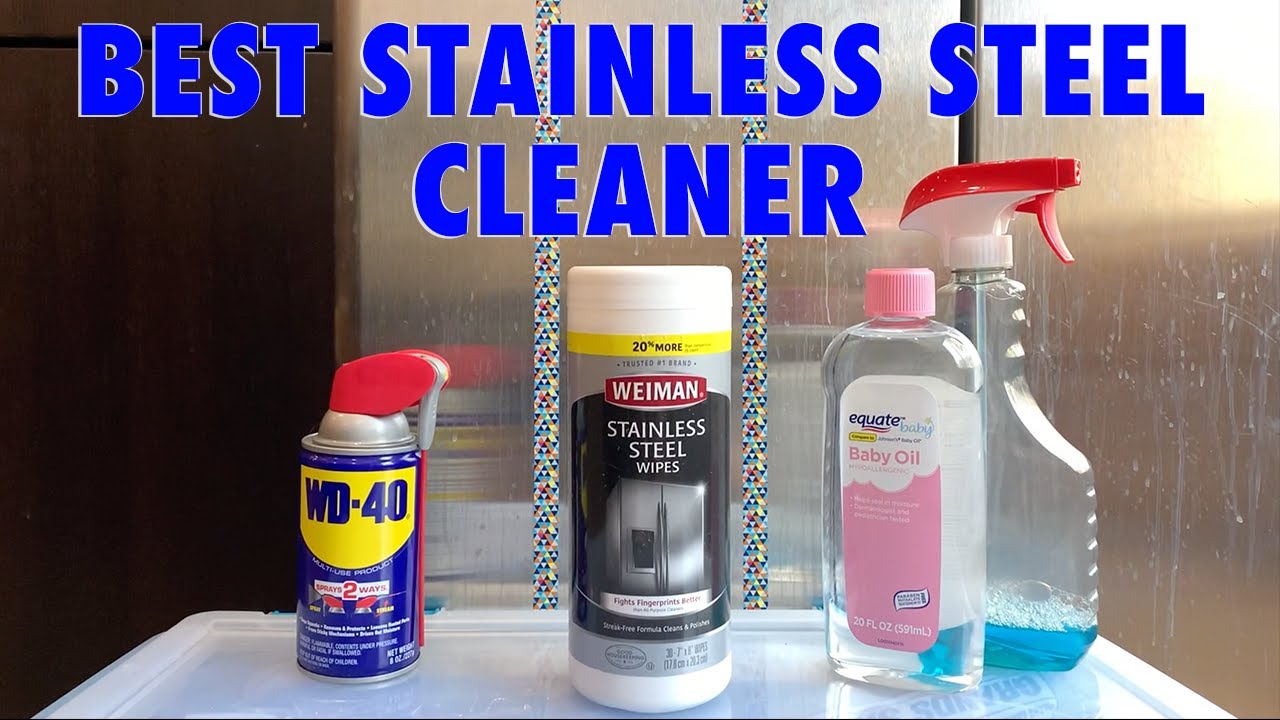
- A Stainless Steel Cleaner/Polish: There are specific cleaners designed just for stainless steel. They work wonders, leaving a protective layer that resists fingerprints and smudges for a while. They’re like a bodyguard for your appliances!
- A Tiny Bit of Olive Oil or Mineral Oil: This is a bit of a trick, but it works! After cleaning and drying, put a tiny drop of olive oil or mineral oil on a clean cloth. Buff it into the stainless steel in the direction of the grain. It’ll leave a beautiful, streak-free shine and help repel future smudges. It’s like giving your appliances a spa treatment. Just be sure to use a minuscule amount – you don’t want your fridge to feel greasy!
When in Doubt, Check the Manual!
Most appliance manufacturers are pretty upfront about what you should and shouldn’t use to clean their products. If you’re unsure, dig out that manual that came with your fridge, oven, or dishwasher. It’s usually tucked away somewhere with all the other important-but-rarely-read papers. You might be surprised at the handy tips they provide.
The Bottom Line
While that bottle of glass cleaner might be calling your name with its promise of instant sparkle, it’s best to resist the urge when it comes to your stainless steel appliances. Stick to mild soap and water, and for that extra oomph, a dedicated stainless steel cleaner or a touch of oil. Your appliances will thank you with years of gleaming, smudge-free service. And you’ll have the peace of mind knowing you’re giving them the love and care they deserve, keeping them looking their best for all your future culinary adventures. Happy cleaning!