
Can Stainless Steel Be Welded To Mild Steel

Hey there, fellow makers and curious minds! Ever been working on a project, maybe a cool DIY metal sculpture or even a trusty garden gate, and found yourself staring at two different kinds of steel? You’ve got that shiny, rust-resistant stainless steel looking all sleek and sophisticated, and then there’s your good old, reliable mild steel, the workhorse of the metal world. And then the question pops into your head, like a little metal spark: Can you actually weld these two buddies together?
It’s a fair question, right? They’re both steel, but they’re definitely not the same. Think of it like trying to mix two very different, but equally awesome, ingredients in a recipe. Can you put chocolate chips in a savory stew? Probably not the best idea! But can you whip up some amazing cookies with both dark and milk chocolate? Absolutely! So, where do stainless and mild steel fall on this culinary (or rather, metallurgical) spectrum?
Well, the short and sweet answer is: Yes, you can weld stainless steel to mild steel! But, and there’s always a “but,” it’s not quite as simple as just slapping them together and hitting them with a welding torch. It’s more like learning a new dance step or mastering a slightly trickier recipe. You gotta know a few things to make sure your weld is strong, stable, and doesn't end up looking like a sad, lumpy mess.
So, What's the Big Deal?
Before we dive into the "how," let's get a little curious about the "why." Why are these steels different in the first place? It all comes down to what makes them them. Mild steel, also known as carbon steel, is your everyday hero. It’s tough, it’s affordable, and it’s super easy to work with. Its main ingredient is iron, with a little bit of carbon sprinkled in.
Stainless steel, on the other hand, is like the fancy cousin. It’s got that amazing ability to resist rust and corrosion, making it perfect for kitchens, outdoor furniture, and anything that needs to look good and stay that way for ages. What’s its secret sauce? Chromium! Stainless steel has at least 10.5% chromium, which forms a protective, invisible layer on the surface, like a superhero’s invisible shield against rust. It often has other goodies in there too, like nickel, to make it even more awesome.
Because of these different compositions, they have different properties. They melt at slightly different temperatures, they react differently to heat, and they have different levels of strength and ductility. It’s these differences that make welding them together a bit of a puzzle to solve.
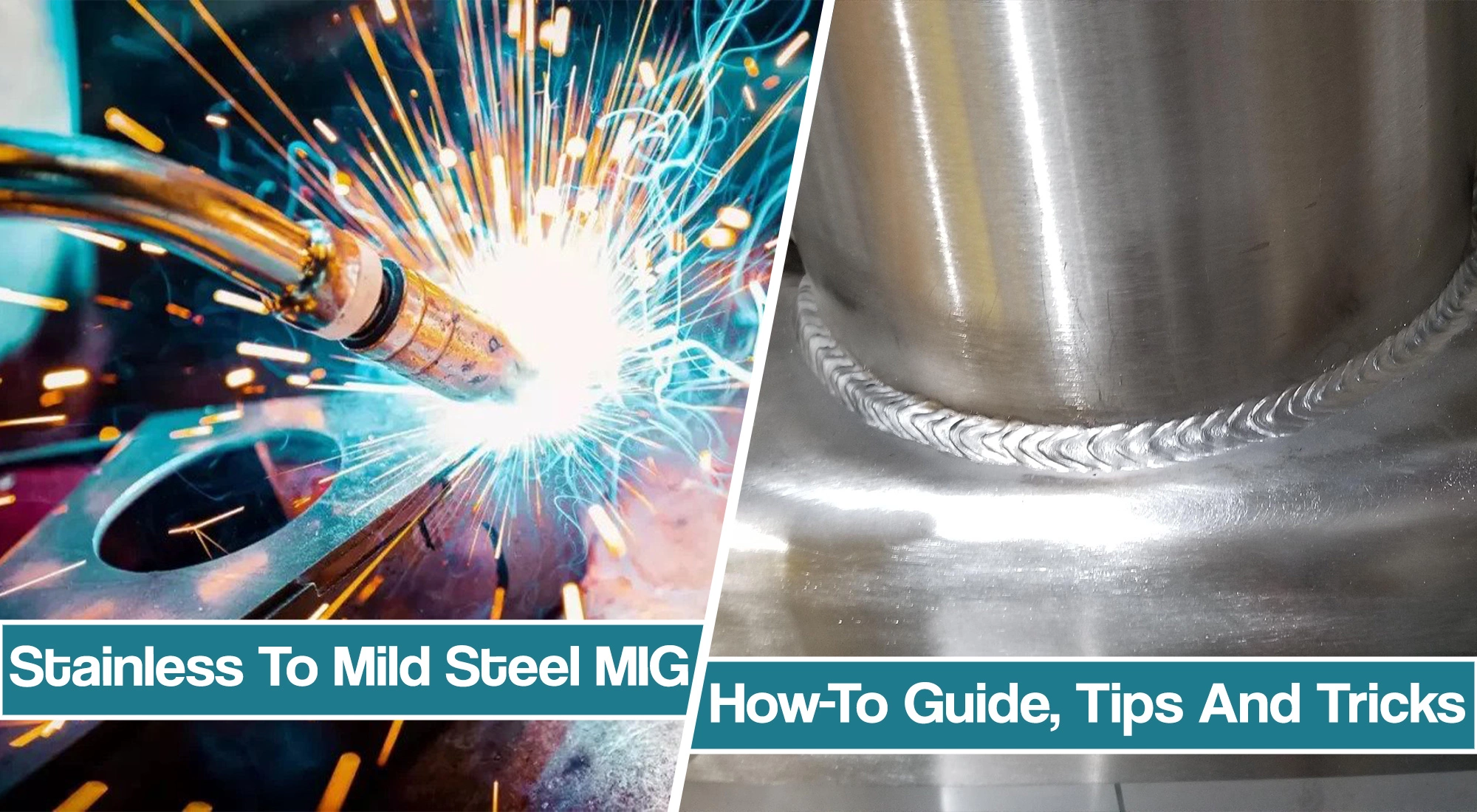
The Welding Jigsaw Puzzle
When you weld, you're essentially melting the edges of your metals and then letting them cool and solidify together, forming a strong bond. With two pieces of the same type of steel, it's like two puzzle pieces from the same box – they’re designed to fit perfectly. But when you're joining stainless to mild steel, it's more like trying to connect a piece from a jigsaw puzzle to a piece from a completely different one. You can make it work, but you need to be a bit more strategic.
The Filler Metal: Your New Best Friend
This is where the magic (and the science) really happens. You can't just use a welding rod designed for mild steel when you're welding to stainless, or vice-versa. You need a special kind of "filler metal" – think of it as the super-glue that bridges the gap between the two different steels. This filler metal is usually a type of stainless steel welding electrode or wire.
Why stainless steel filler? Well, the goal is to create a weld that has the best properties of both. By using a stainless steel filler, you're adding that corrosion resistance to the weld zone. It’s like giving the junction a little bit of that stainless steel superpowers, so it doesn't become the weak link, especially if your mild steel part is exposed to the elements.
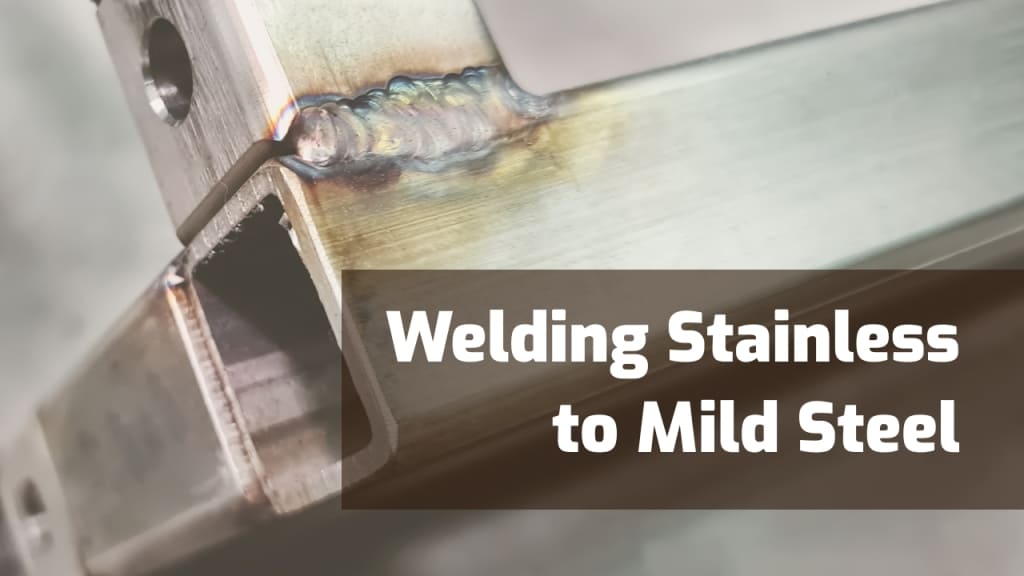
One common and very effective filler material for this job is an ER309 or E309 welding consumable. These are specifically designed to be used when welding dissimilar metals, including joining stainless steel to mild steel. They offer a good balance of strength and corrosion resistance for the weld itself.
Heat Management: Don't Let Them Get Too Toasty!
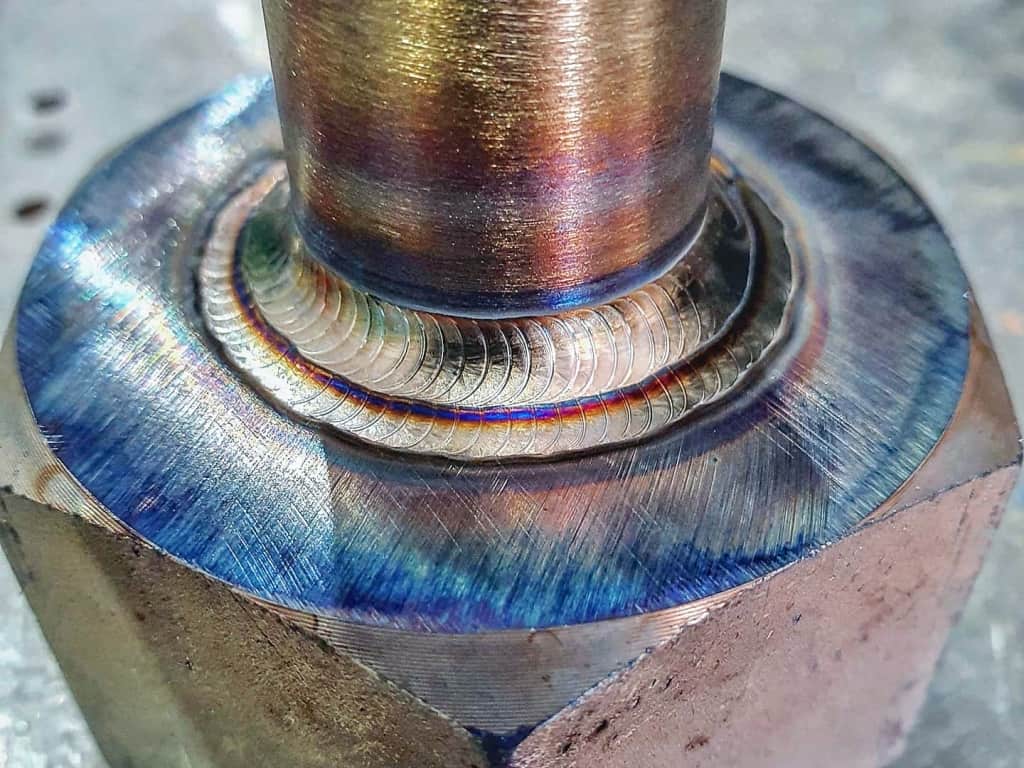
This is a big one. Stainless steel and mild steel behave differently under heat. Mild steel can handle a lot of heat, but if you get stainless steel too hot, or heat it unevenly, you can mess with its protective chromium layer. This can lead to something called sensitization, which basically means it becomes more susceptible to corrosion. Not ideal, right?
So, when you're welding them, you need to be mindful of the heat input. You don't want to blast them with a ton of heat for too long. Often, welders will use techniques to keep the temperature down, like making shorter passes or even using a technique called "stringer beads" instead of wide, wavy ones. It's like gently coaxing them to join, rather than forcing them with a fiery embrace.
![How To TIG Weld Stainless Steel To Mild Steel [2025]](https://weldingpros.net/wp-content/uploads/2023/02/how-to-tig-weld-stainless-steel-to-mild-steel-1024x563.webp)
Preheating and Post-Weld Heat Treatment
Sometimes, depending on the thickness of the materials and the specific types of stainless and mild steel, a little preheating of the mild steel might be necessary. This helps to prevent cracking by reducing the temperature difference between the hot weld puddle and the cooler base metal. And after you're done welding, a post-weld heat treatment might be considered to relieve any stresses that have built up during the cooling process, further ensuring the integrity of the weld.
It's all about making sure the transition from one metal to the other is as smooth as possible, both metallurgically and structurally. Imagine a skilled diplomat smoothly negotiating between two different cultures – that’s what a good weld needs!
Common Scenarios Where You Might See This
So, why would anyone want to weld these two together in the first place? Well, it’s often about using the best material for the job and keeping costs in check.
- Structural Components: You might have a main frame made of strong, affordable mild steel, but you want the parts that are exposed to the elements or might come into contact with food or water to be stainless steel. Think of a stainless steel workbench frame attached to a mild steel supporting structure.
- Aesthetic Touches: Perhaps you want the durable, easy-to-clean surface of stainless steel for a countertop or a decorative panel, but the underlying support structure can be made from more economical mild steel.
- Repair Work: Sometimes, you might be repairing a larger mild steel structure and need to attach a smaller, corrosion-resistant stainless steel component.
It’s a really practical approach. You get the benefits of stainless steel where you need it most, without having to pay for it everywhere. It's like putting a really nice, durable finish on only the high-traffic areas of your house – smart and efficient!
The Takeaway: It’s Achievable and Cool!
So, there you have it! Welding stainless steel to mild steel isn't some mythical feat only achievable by master blacksmiths. It's a perfectly achievable process, but it requires a bit more knowledge and the right techniques. By using the correct filler material, like an ER309, and being mindful of heat management, you can create strong, reliable, and even aesthetically pleasing welds between these two very different, but very useful, types of steel.
It’s a testament to the ingenuity of metalworking, isn’t it? That we can take materials with different personalities and, with a bit of know-how and the right tools, make them work together harmoniously. So, the next time you’re faced with this welding challenge, don't shy away. Embrace the curiosity, do your homework, and get ready to create something awesome!