
Can Steel Cut Oats Go Bad
:max_bytes(150000):strip_icc()/steel-cut-vs-rolled-oats-caf404dcf6714351986d13de9565272e.jpg)
Ah, steel-cut oats. Those little champions of the breakfast bowl, promising a satisfying chew and a slow-burn energy release that’ll see you through your morning emails and maybe even that awkward encounter with Brenda from accounting. But let's be real, life gets busy. You buy that big bag, brimming with the promise of wholesome breakfasts, and then… it sits. Tucked away in the pantry, behind the quinoa and the questionable artisanal crackers you bought on a whim. So, the big question looms, the one whispered in the hushed aisles of the organic market: Can steel-cut oats go bad?
The short answer? Yes, they can. But before you panic and envision a pantry full of fuzzy, forgotten grains, let’s settle in with a warm mug of… well, whatever you prefer. Coffee, tea, maybe even a cheeky little shot of espresso. Because the good news is, steel-cut oats are surprisingly resilient little fellows. Think of them like your favorite pair of well-worn jeans – they might get a bit faded, but they’re still good for a long, long time.
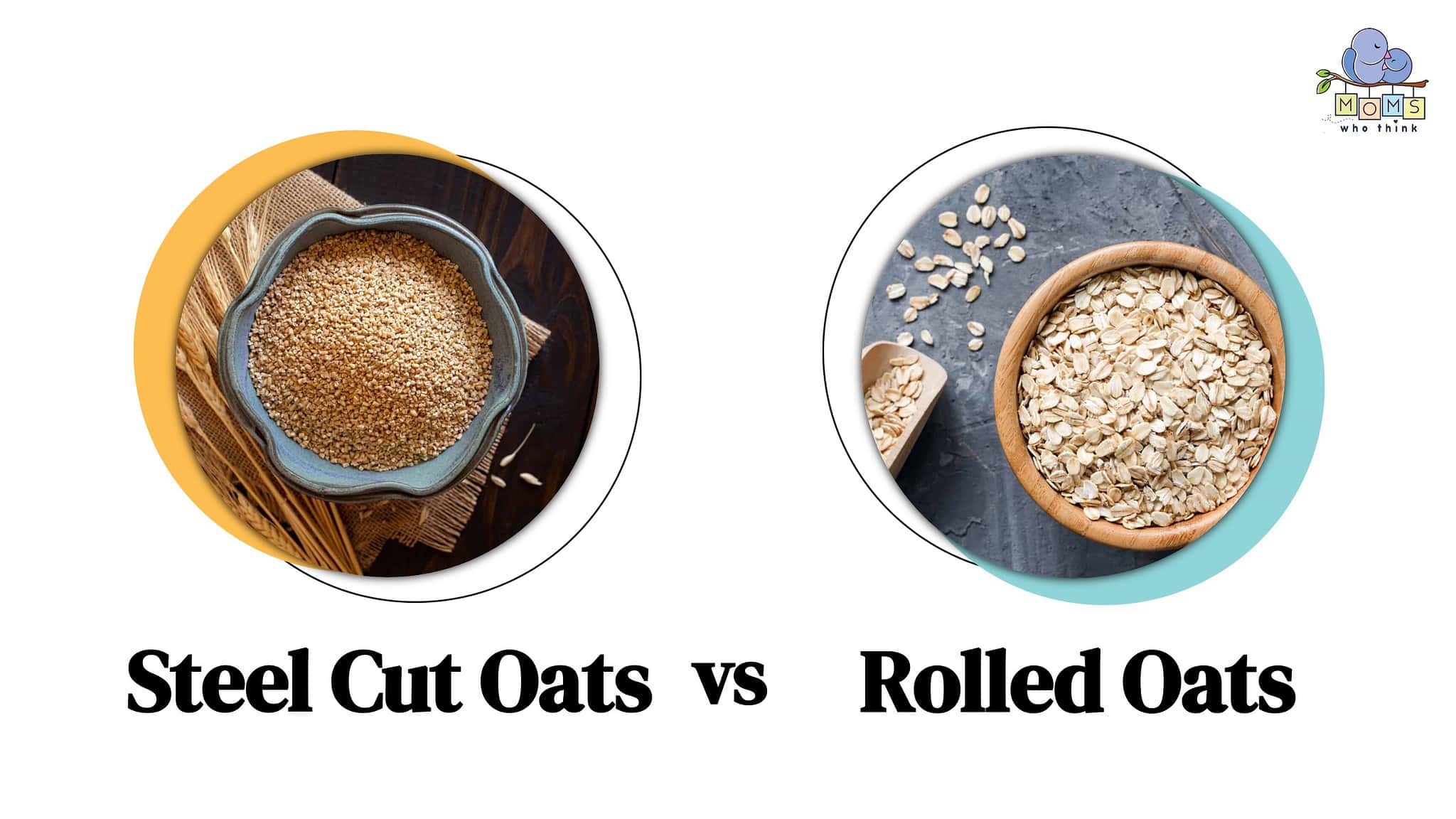
To really dive into this, we need to understand what we’re dealing with. Steel-cut oats, also known as Irish oats or pinhead oats, are essentially whole oat groats that have been chopped into tiny pieces by steel blades. Unlike rolled oats (which are steamed and flattened) or instant oats (which are pre-cooked and dried), steel-cut oats retain most of their natural structure. This is key to their longevity, and also to that delightfully chewy texture we all adore. It’s like the difference between a perfectly aged cheese and, say, a processed cheese slice. One’s got character, the other… well, it melts.
The Lowdown on Shelf Life
So, how long can these little powerhouses hang out in your pantry before they start staging a rebellion? Generally speaking, unopened packages of steel-cut oats can last for a good 1-2 years, sometimes even longer, if stored properly. Opened packages? You’re looking at a more immediate, but still generous, window of around 6-12 months. This is significantly longer than, say, a carton of milk or that leftover takeout you’ve been meaning to finish. They’re not exactly perishable in the same way a fresh berry is.
What dictates this shelf life? It’s all about the fat content. Oats, like nuts, contain natural oils. Over time, these oils can oxidize, leading to a rancid taste and smell. Think of that stale chip smell you sometimes get from a bag that’s been open too long. Same principle, but with oats. Heat, light, and moisture are the enemies here, hastening the oxidation process.
Signs of the Times (and When Oats Go South)
How do you know if your steel-cut oats have seen better days? It’s not exactly a dramatic transformation. You won’t find them sprouting tiny oat arms and legs and attempting to escape. Instead, it’s a more subtle, sensory experience.

The Smell Test: Your First Line of Defense
This is arguably the most important step. Open that bag or container. Take a good sniff. If they smell pleasantly nutty and earthy, like a cozy autumn day, you’re probably in the clear. If, however, you detect a musty, stale, or even slightly “off” odor, it’s time to be cautious. That’s your cue that those fats are starting to turn.
The Visual Inspection: A Peek Under the Hood
While they might not look dramatically different, take a quick peek. Are there any signs of moisture? Any discoloration? You might see some clumping, especially if humidity has been an issue, but this isn’t always a death knell. However, if you spot any mould – and let’s hope you don’t – then it’s a definite no-go. Mould can produce toxins, and that’s a gamble no breakfast is worth taking.
The Taste Test: Proceed with Caution
If the smell and visual checks pass muster, you can do a tiny taste test. Just a pinch of raw oats. If they taste bland or even a little bitter, it’s a sign they’re past their prime. They should have a subtle, pleasant, oat-y flavor. If it’s anything less than that, err on the side of caution and toss them. Remember, “a little bit off” in raw oats can translate to a decidedly unpleasant breakfast experience.
The Art of Pantry Perfection: Keeping Oats Fresher for Longer
Now, the good news! You can significantly extend the life of your steel-cut oats with a few simple strategies. It’s not rocket science, but rather good old-fashioned pantry wisdom. Think of it as giving your oats the five-star hotel treatment, minus the tiny soaps.
Airtight is Right
Once you’ve opened that bag, don’t just fold over the top and hope for the best. Invest in some good quality airtight containers. Glass jars with rubber seals, sturdy plastic containers with locking lids – anything that creates a barrier against air and moisture. This is especially crucial if you buy your oats in bulk. Transferring them to an airtight container is like giving them their own personal, climate-controlled apartment.
Cool, Dark, and Dry: The Oatmeal Oasis
Your pantry should be a sanctuary for your grains. Find a spot that’s cool, dark, and dry. Avoid storing them near the stove or oven, where temperature fluctuations are common. Also, steer clear of windows that get direct sunlight. A cool, dark cupboard is the ultimate happy place for steel-cut oats. Think of it as their serene meditation retreat.
Consider the Freezer: The Ultimate Preservation Powerhouse
If you’re a serious oat enthusiast or tend to buy in massive quantities, the freezer is your secret weapon. Steel-cut oats freeze exceptionally well. Once opened, transfer them to an airtight container or a freezer-safe bag, press out as much air as possible, and pop them in. They can last for up to 2 years in the freezer without any significant loss of quality. Thawing is easy – just bring them to room temperature before cooking. It’s like putting them in a cryogenic slumber, ready to be revived for breakfast whenever you please.
Beyond the Expiration Date: A Note on Quality vs. Safety
It’s important to distinguish between oats that have gone bad and oats that are simply past their peak quality. If your oats smell a little stale but don’t have any off-putting odors or signs of mould, they might still be safe to eat, but the flavor might be a bit dull. You could try cooking them with a pinch of salt or adding a generous splash of milk or cream to mask any subtle staleness. However, if in doubt, it's always best to err on the side of caution. Your taste buds will thank you.
A Touch of Culture: Oats Through the Ages
Did you know oats have a long and storied history? They were first cultivated thousands of years ago in the Fertile Crescent. While wheat and barley were often the stars of the grain world, oats held their own, especially in the cooler, wetter climates of Northern Europe. The Scots, in particular, have a deep and abiding love for oats, and the traditional Scottish breakfast often features porridge made from steel-cut oats, sometimes with a dram of whisky thrown in for good measure. (Though maybe save the whisky for after the cooking is done!) It’s a testament to their enduring appeal and nutritional power.
:max_bytes(150000):strip_icc()/haha21-602ee0cb95dd4fcda0ae3e9ca0800058.jpg)
In modern times, steel-cut oats have experienced a bit of a renaissance. They’ve gone from being a humble, everyday staple to a bit of a wellness icon. You’ll find them on menus at trendy cafes, celebrated for their complex carbohydrate profile and ability to keep you feeling full and satisfied. They’re the quiet achiever of the breakfast world, the unassuming hero that gets the job done.
When in Doubt, Let Them Go
Look, we’ve all been there. That moment of pantry archaeology, where you unearth a forgotten bag of something and wonder, “Is this still okay?” It’s a familiar quandary. And with steel-cut oats, the stakes are relatively low compared to, say, a forgotten tub of sour cream. But still, wasting food isn’t ideal for your wallet or the planet.
Ultimately, the decision rests with your senses. If your oats have crossed the line from slightly past their prime to genuinely questionable, it’s okay to say goodbye. Think of it as making space for new, fresh, delicious possibilities. Perhaps a new flavor of jam to go with your next perfectly cooked bowl, or a vibrant assortment of berries to brighten things up.
A Daily Reflection
This whole oat discussion, in a way, mirrors our own lives. We, too, have a shelf life. We evolve, we change, and sometimes, we might feel a little… stale. But like those resilient steel-cut oats, we also have an incredible capacity for longevity and transformation. Proper storage – good sleep, healthy food, a supportive community – keeps us fresh. And even when we feel like we’ve been sitting on the shelf a little too long, a little bit of attention, a fresh perspective, or even a good old freezer-style reset (a vacation, anyone?) can bring us back to our best selves. So next time you’re eyeing that bag of steel-cut oats, remember their journey, their resilience, and the simple wisdom they hold: with a little care, even the humblest of ingredients can bring sustained nourishment and satisfaction.