
Can You Clean Stainless Steel With Alcohol
Hey there, fellow kitchen conquerors and home heroes! Ever find yourself staring at your beloved stainless steel appliances, wondering how to banish those pesky fingerprints and smudges that seem to appear like magic? You know, the kind that mock you the moment you’ve just wiped them down? Yeah, I get it. It’s like a never-ending game of smudge-tag in your own home!
Today, we’re diving into a question that might be lurking in the back of your mind, or maybe you’ve even Googled it at 10 PM while resisting the urge to go on a midnight cleaning spree: Can you clean stainless steel with alcohol?
Let’s have a little heart-to-heart about our shiny friends. Stainless steel. It’s the backbone of so many kitchens, isn't it? From that gleaming refrigerator that holds all your delicious secrets to the trusty stovetop that’s seen its fair share of culinary adventures. It looks so sleek, so modern, so… fingerprint-prone. It’s like a magnet for oily little marks. You’re trying to make a gourmet meal, and your oven door is sporting more smudges than a kindergarten art class’s masterpiece.
So, when you’re in a pinch, maybe you’ve got a bottle of rubbing alcohol sitting there from that time you bandaged a scraped knee or tackled some stubborn sticker residue. You might be thinking, "Could this be the magical elixir my stainless steel has been waiting for?" It’s a fair question! After all, alcohol is a pretty good disinfectant, right? It zaps germs. So, it’s gotta be good for a shiny surface too, yes?
Let’s break it down. The short, sweet, and most reassuring answer is: Yes, you absolutely can clean stainless steel with alcohol! In fact, it can be a surprisingly effective and, dare I say, easy way to get that mirror-like shine back.
Why Alcohol is Your New Best Friend (Sometimes)
Think of alcohol, specifically rubbing alcohol (isopropanol), as a bit of a… quick-drying superstar. When you use it on stainless steel, it evaporates almost instantly. This is a huge win! Why? Because it means you’re less likely to leave behind water spots or streaks. We’ve all battled those stubborn water marks that seem to reappear no matter how hard we try, right? It’s like they’re laughing at our efforts. Alcohol skips that whole drama.
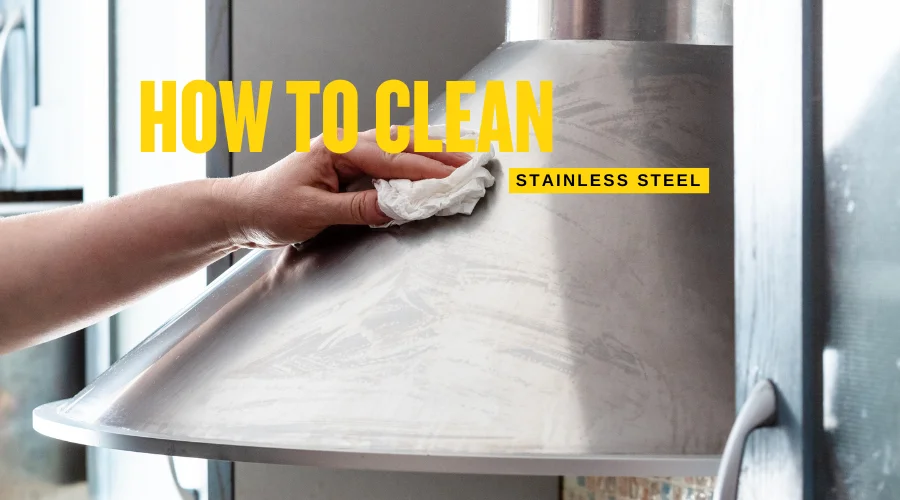
Plus, and this is a biggie for many of us, alcohol is a fantastic degreaser. Those greasy fingerprints we talked about? Alcohol cuts through them like a hot knife through butter. Imagine you’ve just finished making some crispy fried chicken, and your fridge door has a nice, shiny coating of… well, chicken grease. A quick swipe with alcohol-based cleaner and poof – gone! Your fridge looks as good as new, ready to impress anyone who dares open it.
It’s also pretty handy for sanitizing. While we’re not typically worried about a plague erupting from our toaster, it’s nice to know that a quick wipe-down with alcohol can help eliminate some of those everyday germs that our kitchen surfaces inevitably collect. Especially these days, a little extra peace of mind goes a long way, doesn't it?
How to Wield the Power of Alcohol (Without Causing Chaos)
Now, before you go dousing your entire kitchen in high-proof spirits, let’s talk about how to do it right. We don’t want any unintended consequences, like turning your gleaming appliances into something that looks like it lost a fight with a brillo pad. So, a little moderation and a touch of technique are key.
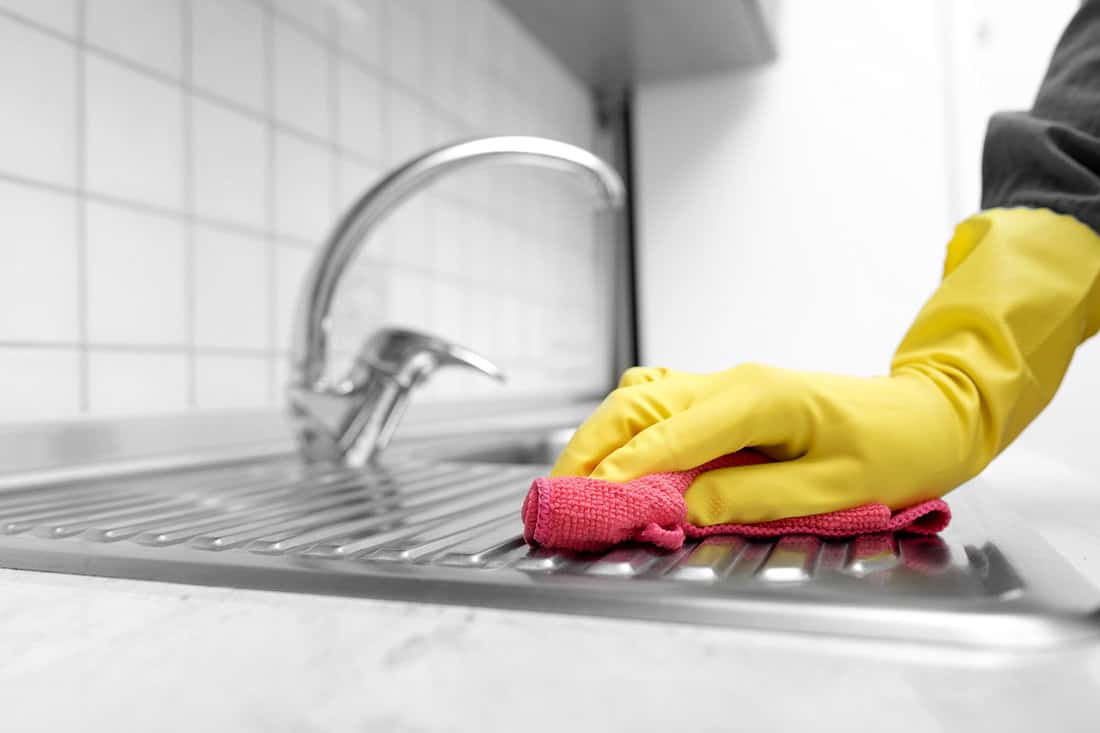
First things first, grab yourself some rubbing alcohol. The standard 70% or 91% isopropyl alcohol you find at the pharmacy is perfect. You don’t need anything fancy or industrial strength. Think of it as your trusty sidekick, not a superhero that needs to be handled with extreme caution.
Next, you’ll need a soft cloth. Microfiber cloths are your absolute best friend here. They’re gentle, they don’t leave lint behind (which is a major win for stainless steel!), and they’re great for buffing. Avoid paper towels if you can; they can sometimes leave little fibers that are more annoying than useful.
Now, the magic trick: Dampen, don’t soak! You don’t need to go crazy. Lightly dampen your microfiber cloth with the rubbing alcohol. Think of it as a light mist, not a full-on shower. Too much liquid can sometimes cause issues, even with alcohol.
And here’s a super important tip: Wipe with the grain. Stainless steel has a subtle grain, like wood. If you look closely, you’ll see tiny lines running in one direction. Wiping in that direction will give you the best, streak-free results. It’s like petting a cat; you want to go with the fur, not against it! Wiping against the grain can sometimes make smudges look worse or even leave tiny scratches over time.
After you’ve wiped down the area, grab a dry part of your microfiber cloth (or a second dry cloth) and give it a quick buff. This helps to polish it up and ensure there are absolutely no streaks left behind. You’ll be amazed at how quickly your appliance will start to sparkle.
A Little Story to Brighten Your Day (and Your Fridge)
I remember one time, I was hosting a last-minute get-together. The doorbell was about to ring, and I noticed my refrigerator door looked like a crime scene of toddler fingerprints and stray sauce splatters. Panic set in! I grabbed the usual cleaner, but it just seemed to push the smudges around, leaving a hazy mess. In a moment of desperation, I remembered seeing a tip about using alcohol. I grabbed the rubbing alcohol, a microfiber cloth, and with a few quick wipes with the grain, my fridge was gleaming again! The guests arrived, nobody noticed my prior panic, and my fridge looked like it had just been installed. Score!

When to Be a Little More Cautious
While alcohol is generally safe and effective, it’s always good to be a tiny bit mindful. What’s the advice for that slightly older, more delicate piece of stainless steel in your life? It’s a good idea to do a small patch test in an inconspicuous area first. Just a little dab on the bottom corner or the side, and see how it reacts. Most of the time, it's totally fine, but it’s a good habit to get into, especially if you’re unsure.
Also, avoid using alcohol on surfaces that have a special coating or finish. Some stainless steel items might have a fingerprint-resistant coating or a painted finish, and strong alcohol could potentially damage that. So, if you’re dealing with something that isn’t plain, brushed stainless steel, a gentle touch is always best.
And while alcohol evaporates quickly, it’s still a good idea to ensure good ventilation. Open a window, turn on the kitchen fan. It's just common sense, like not leaving your phone in the sun for too long. We want your kitchen to smell fresh, not like a science lab!
The Takeaway: Shine On, You Crazy Diamond!
So, there you have it! Cleaning stainless steel with alcohol is not just an option; it’s often a fantastic, quick, and effective solution for those everyday messes. It’s a simple trick that can make a big difference in how your kitchen looks and feels. No more stressing about every little smudge! With a little bit of alcohol and a soft cloth, you can restore that beautiful shine and feel a sense of accomplishment. Go forth and conquer those fingerprints, my friends! Your stainless steel appliances will thank you for it, and you’ll have a sparkling kitchen to enjoy.