
Can You Flux Weld Aluminum
So, you’re looking at that shiny piece of aluminum, maybe it’s a busted beer cooler lid, a gnarly bicycle frame, or even just a particularly stubborn pop can you’re trying to jazz up. And you’re thinking, “Can I just flux weld this thing?” It’s a question that pops into a lot of DIYer’s heads, right? We’ve all seen those dramatic sparks flying from a MIG or TIG welder, looking like a tiny fireworks display. And then there's the trusty old stick welder, humming away like a happy bumblebee. But aluminum? That tricky, beautiful metal. It’s got its own set of quirks, like a diva at a rock concert. So, let's dive in and see if our trusty flux cored friend can handle the delicate (and sometimes not-so-delicate) art of welding aluminum.
First off, let’s define what we’re even talking about when we say “flux weld.” Typically, when people think of flux welding, they’re picturing flux cored arc welding (FCAW). This is where you’ve got a wire electrode that’s hollow, and inside that hollow is – you guessed it – flux. This flux has a couple of super important jobs. It helps to clean the surface of the metal, and it creates a shielding gas when it burns up. This gas is like a bodyguard for your weld puddle, protecting it from all the nasty stuff in the air, like oxygen and nitrogen, which can make your weld all weak and crumbly. Think of it as giving your weld a little bubble bath of protection.
Now, aluminum. Ah, aluminum. It’s a bit of a charmer, isn’t it? It’s light, it’s strong (when it wants to be), and it doesn’t rust like steel. But it also has a very low melting point. Like, really low compared to steel. It’s also got this pesky oxide layer that forms on its surface almost instantly. This oxide layer has a melting point much higher than the aluminum itself. Imagine trying to melt chocolate, but the wrapper melts first and then you have to deal with that… not ideal, right?
So, can you flux weld aluminum? The short answer is… it’s complicated, and generally, it’s not the best way to go about it.
Let’s break down why. When you use a standard flux cored wire designed for steel, and try to zap some aluminum with it, a few things can go wrong, and they usually do. That flux that’s so great for steel? It can be a bit of a bully when it comes to aluminum. It can leave behind residue, and not the good kind. We're talking about things that can weaken your weld and make it look… well, let's just say less than pretty. It can also lead to porosity, which are tiny little holes in your weld. Nobody wants holes in their welds, unless they're building a sieve for really tiny pasta.
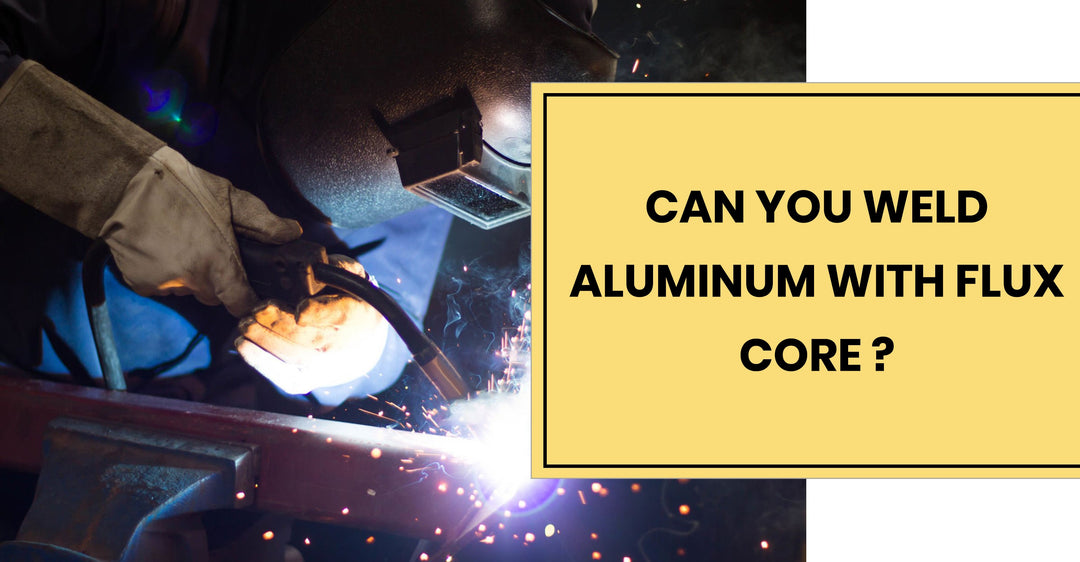
Also, remember that high-melting-point oxide layer on aluminum? Standard flux isn't always equipped to deal with it effectively. It might not get rid of it cleanly enough, leading to inclusions and a weak bond. It’s like trying to scrub off old grout with a feather duster – you’re not really getting the job done.
Now, before you toss your flux cored welder out the window in a fit of aluminum-induced frustration, hold your horses! There are some specialized flux cored wires out there that are designed for aluminum. These wires have different flux compositions specifically formulated to tackle aluminum’s unique challenges. They aim to break down that stubborn oxide layer and provide the right kind of shielding. However, and this is a big however, even with these specialized wires, it’s still a bit of a niche application.
Why is it niche, you ask? Well, even the best aluminum flux cored wire is often outperformed by other welding methods when it comes to aluminum. It can be harder to control the weld puddle, the heat input can be tricky, and achieving that super clean, strong, and aesthetically pleasing weld can be a real uphill battle. It’s not impossible, mind you, but it’s definitely not as straightforward as welding steel with a flux cored wire.

So, what are the preferred methods for welding aluminum? If you’ve got the gear, TIG welding (Gas Tungsten Arc Welding) is often considered the king of aluminum welding. Why? Because you have incredible control over the heat input, you can easily clean the surface with a wire brush (specifically for aluminum, of course!), and you use a shielding gas (usually Argon) that’s perfect for aluminum. This combination allows for beautiful, strong, and clean welds. It’s like conducting an orchestra – precise and beautiful when done right.
Then there's MIG welding (Gas Metal Arc Welding). This is another very popular method for aluminum. Again, you use a shielding gas (Argon) and a special aluminum MIG wire. The key here is using the right equipment. You’ll typically need a spool gun or a push-pull gun because aluminum wire is soft and can get easily kinked in a standard MIG setup. Imagine trying to feed spaghetti through a bendy straw – not fun. A spool gun or push-pull setup helps keep that wire feeding smoothly. MIG welding aluminum is generally faster than TIG, making it great for larger projects.
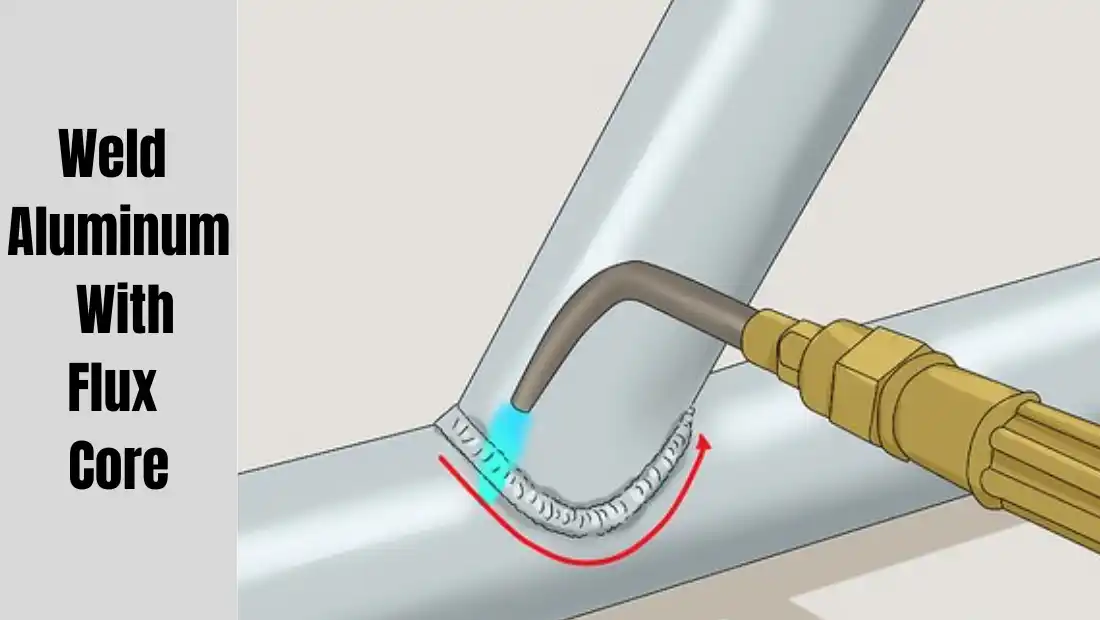
What about that old faithful, the stick welder? Can you stick weld aluminum? Technically, yes, there are special aluminum electrodes for stick welding. However, these are also quite challenging to use. They tend to be very difficult to control, produce a lot of spatter, and the welds can be quite rough. It’s usually reserved for situations where you absolutely can’t use anything else, and you’re not aiming for a show-quality finish. Think of it as a last resort, like wearing socks with sandals – sometimes it’s necessary, but you wouldn’t brag about it.
Let’s circle back to flux cored for aluminum. If you really want to try it, what should you keep in mind?
Things to Consider If You're Feeling Adventurous (with Flux Cored Aluminum):
- Get the Right Wire: Seriously, do NOT try this with regular steel flux core. You must find a flux cored wire specifically designed for welding aluminum. Do your research!
- Cleanliness is King (and Queen, and the whole royal court): Aluminum demands to be clean. Before you even think about welding, scrub that aluminum with a stainless steel wire brush dedicated only to aluminum. Then, use a good degreaser. Get rid of all dirt, grease, oil, and especially that oxide layer.
- Heat Control is Your Best Friend: Aluminum melts easily. You'll need to be very mindful of your heat settings. Too much and you’ll burn through faster than you can say “oopsie.” Too little and you won’t get a good fusion. This is where the finesse comes in.
- Post-Weld Cleaning is Crucial: Even with specialized flux, you’ll likely have some residue. You’ll need to clean it up afterwards. Brushing and sometimes even a light grinding might be necessary to get a good finish.
- Manage Expectations: As we mentioned, it's not the easiest route. Your welds might not be as pretty or as strong as what you’d get with TIG or MIG. Be prepared for a learning curve, and don’t get discouraged if your first few attempts look like a melted mess.
Think of it this way: TIG and MIG welding aluminum are like using a perfectly sharpened chef’s knife to carve a roast. They give you precision, control, and beautiful results. Flux cored welding aluminum, even with the right tools, is more like trying to chop that roast with a butter knife. It might get the job done eventually, but it’s going to be a lot more effort, a lot messier, and the end result might not be what you envisioned.

So, to directly answer the question: Can you flux weld aluminum? Yes, with specialized wire and a whole lot of patience and effort, it is possible. However, is it the recommended or easiest way? Generally, no. For most home hobbyists and even many professionals, TIG and MIG welding are the go-to methods for a reason. They offer better control, cleaner results, and stronger welds with less frustration.
But hey, if you’ve got that flux cored welder and a hankering to experiment with aluminum, go for it! Learning what works and what doesn’t is part of the fun of metalworking. You might discover a technique that surprises you. And even if it’s a struggle, every attempt is a learning experience. You’re gaining knowledge, you’re honing your skills, and you’re figuring things out. That’s what being a maker is all about!
So, don’t let the complexities of aluminum discourage you. Whether you end up mastering specialized flux cored, or you pivot to TIG or MIG, the journey of transforming metal is incredibly rewarding. Keep tinkering, keep learning, and keep making cool stuff. The world is full of projects waiting for your skilled hands, and who knows? Maybe one day you'll be the one showing everyone how to flux weld aluminum like a pro. Keep that spark alive! Happy welding!