
Can You Microwave With Aluminum Foil
Ah, the microwave! It's the modern culinary wizard that zaps leftovers back to life, defrosts frozen meals in a flash, and has saved many a hungry soul from a midnight snack crisis. And in our quest for faster, easier cooking and reheating, we often find ourselves reaching for that shiny, crinkly hero: aluminum foil. It seems like such a natural pairing, doesn't it? That little bit of metallic armor to protect our precious food from a rogue splatter or to help it crisp up just right. But can these two kitchen titans truly coexist?
Let's dive into the world of microwaving and aluminum foil, and uncover the secrets to using them effectively (and safely!). The main appeal of aluminum foil in our kitchens is its versatility. It’s a fantastic tool for keeping food moist, preventing overcooking in certain areas, and even adding a touch of crispiness to baked potatoes or the edges of a pie. Think about it: when you’re reheating a lasagna, a piece of foil draped loosely over the top can prevent the cheese from burning before the pasta is warm. Or for those times you want a perfectly baked potato, wrapping it snugly in foil before popping it in the oven (or, dare we say, the microwave?) is a classic move.
However, when we bring the microwave into the equation, things get a little more ... sparky. The general rule of thumb, and the one your microwave manual will scream at you, is that metal and microwaves don't mix. This is because microwaves work by bouncing radio waves around inside the appliance. Metal, being a conductor, reflects these waves. This reflection can cause arcing – those little blue flashes of electricity you might have seen if you’ve accidentally put a fork in the microwave. Arcing isn't just pretty; it can damage your microwave and is a potential fire hazard. So, a whole sheet of foil? Probably not a good idea.
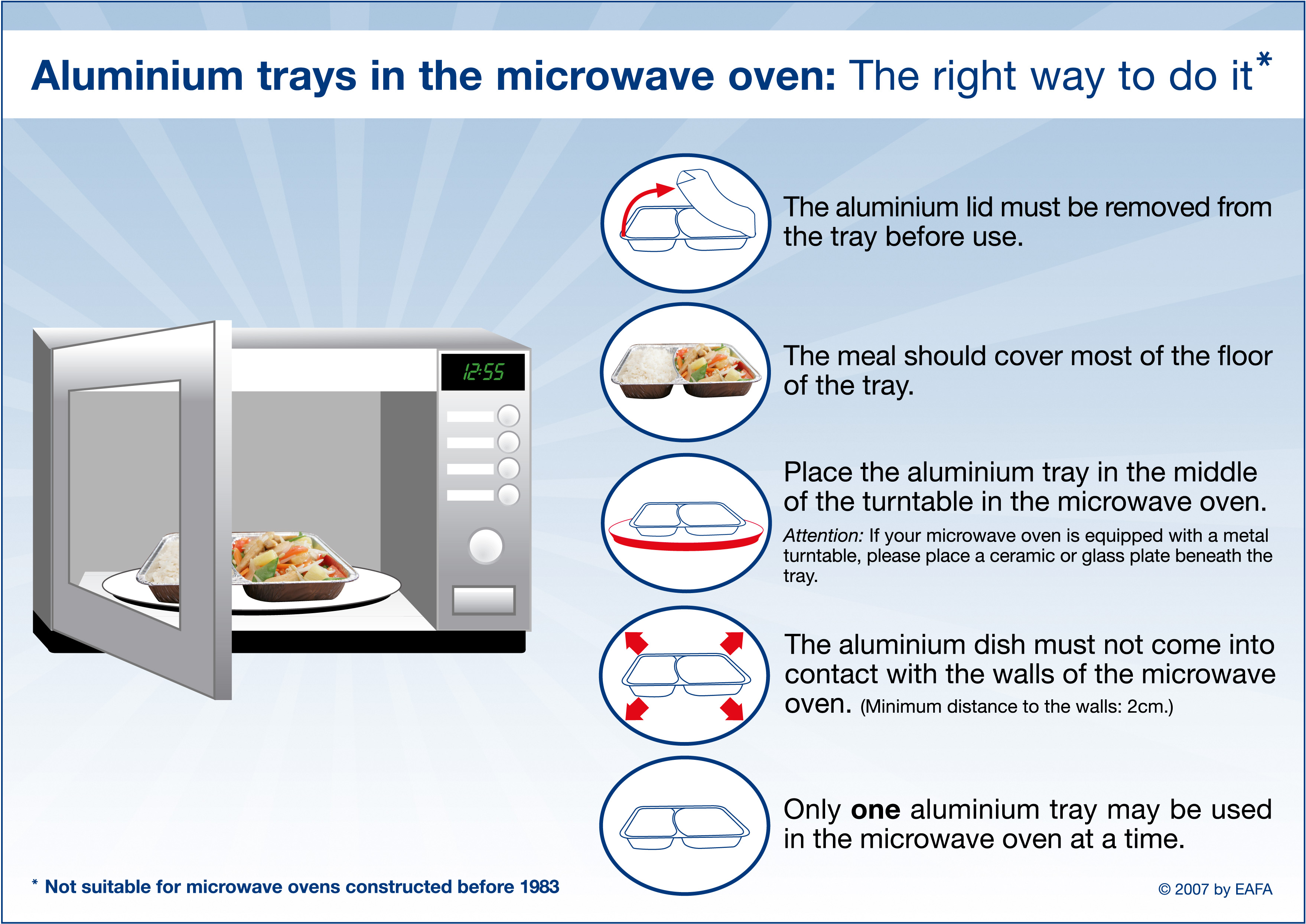
But wait! Before you banish your foil forever, there’s a nuance to this metallic mystery. Small, smooth, and tightly wrapped pieces of foil are sometimes deemed acceptable by microwave manufacturers, but with strict caveats. The purpose here is usually to shield specific parts of the food, like the tips of chicken wings or the edges of a pie crust, from overcooking while the rest of the food heats. The key is that the foil must be smooth and not have any sharp edges or crinkles that could concentrate the electrical charge. Think of it as a tiny, strategically placed shield, not a full-body armor.
So, how can you enjoy the benefits of foil without inviting a kitchen inferno? Here are some practical tips: Always check your microwave's manual. This is the absolute golden rule. Some microwaves are designed with specific shielding in mind and might have guidelines for foil use. If it’s not explicitly mentioned, err on the side of caution. If you must use foil for shielding, ensure it's a small piece, completely smooth, and not touching the sides of the microwave. Avoid any crinkled edges or pieces that extend too far. For most reheating situations, it’s far safer and just as effective to use microwave-safe covers, paper towels, or simply leave the food uncovered. The convenience of a microwave is fantastic, and for truly safe and effective heating, sometimes embracing simpler materials is the wisest choice.