
Can You Silver Solder Aluminum
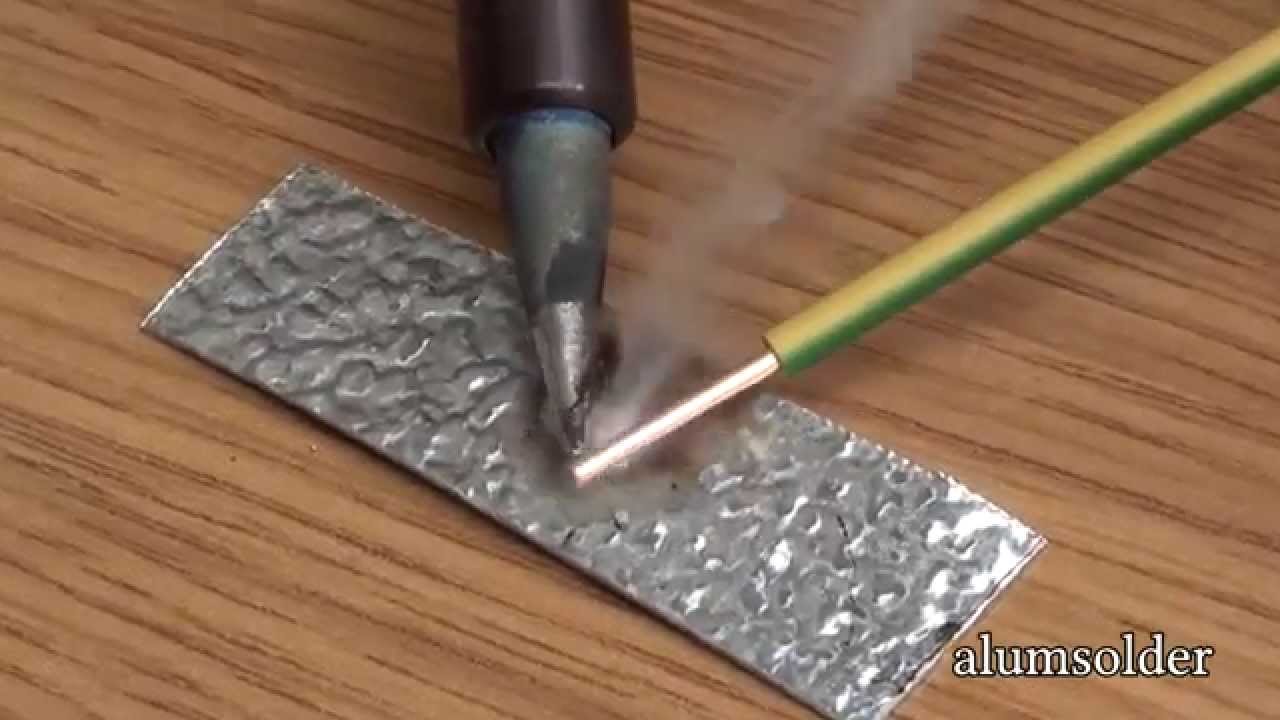
Hey there, fellow tinkerers and DIY enthusiasts! So, you’ve been staring at a cool aluminum project, maybe a vintage bike frame that needs some TLC, or perhaps a crafty bit of aluminum art, and you’re thinking, “Can I just silver solder this bad boy?” It’s a question that pops into many of our heads when we’re faced with a material that seems a bit… finicky. We all know that aluminum can be a bit of a diva when it comes to welding and brazing, so naturally, soldering comes to mind as a gentler, more approachable option. But is it really that simple?
Let’s dive in, shall we? Grab a cuppa, settle back, and let’s have a friendly chat about the nitty-gritty of silver soldering aluminum. Because, believe it or not, the answer isn’t a straightforward “yes” or “no.” It’s more of a… “well, it’s complicated, but definitely possible with the right know-how!”
The Aluminum Enigma: Why It's Tricky
First off, why is aluminum such a pain in the posterior for some of our usual metal joining techniques? Well, it’s all about that pesky oxide layer. See, aluminum is super reactive, and the moment it meets oxygen in the air, it instantly forms a tough, stubborn oxide coating. This layer has a much higher melting point than the aluminum itself. Think of it like a little invisible shield that’s constantly regenerating.
When you’re trying to solder or braze, you need your filler metal to flow smoothly and bond with the base metal. That oxide layer? It’s the ultimate party pooper. It prevents the molten solder or braze alloy from wetting the aluminum surface and creating that strong, reliable joint we’re all after. So, unless you get rid of that oxide, your solder is going to be doing a little jig on the surface, refusing to stick.
And it’s not just the oxide. Aluminum also has a very low melting point compared to many other metals. This means you can easily overheat it, warp it, or even melt it into a puddle of regret if you’re not careful. It’s like trying to dress a supermodel – you need to be delicate and precise!
So, Silver Solder Aluminum? The Verdict is In... Kinda!
Okay, now for the big reveal! Can you silver solder aluminum? The short answer is: yes, but with special techniques and specific consumables. It’s not your everyday “grab a plumbing torch and some 50/50 solder” kind of deal, sadly. You can’t just use the same silver soldering rods and fluxes you’d use for copper pipes or brass fittings. That would be like trying to win the Kentucky Derby on a tricycle – not gonna happen!
The key here is using the right tools for the job. Think of it as a specialized mission. You need specialized equipment. For aluminum, this means using dedicated aluminum soldering alloys and fluxes. These aren't your standard silver solders. They're formulated to handle that stubborn oxide and bond effectively with aluminum.
The Magic Ingredients: Special Alloys and Fluxes
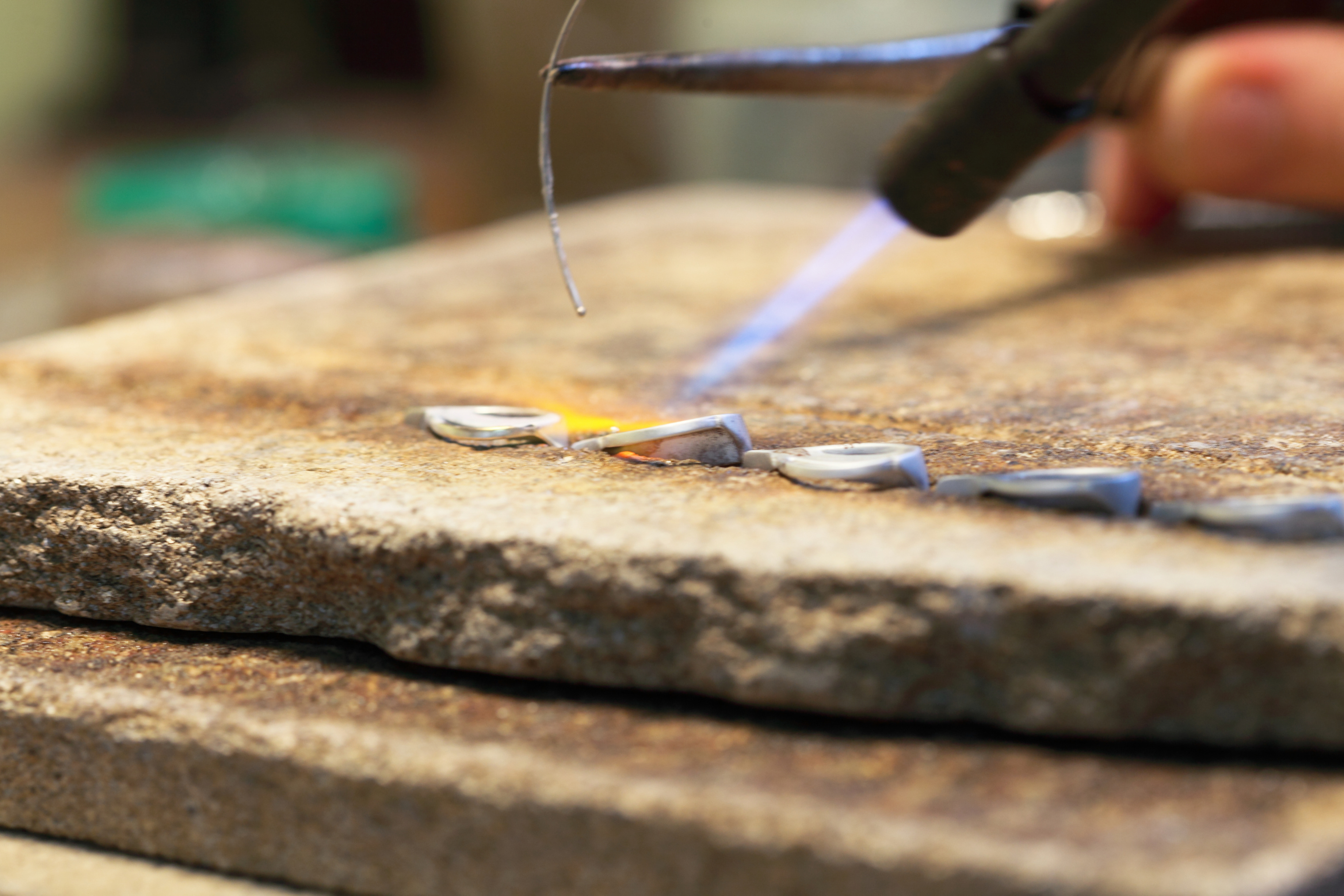
Let’s talk about these special alloys. These aren't your dad's silver solders. They're often tin-zinc or tin-aluminum based, sometimes with other elements thrown in to improve their properties. They’re designed to melt at temperatures that are still manageable for aluminum, but hot enough to do their job. And importantly, they’re formulated to cut through or at least disrupt that pesky oxide layer.
Then there’s the flux. Oh, the flux! This is where the real magic happens (or doesn’t, if you use the wrong one!). Aluminum flux is aggressive. It’s like a tiny metal degreaser and oxide remover all rolled into one. It’s designed to break down the oxide layer at soldering temperatures, allowing the molten alloy to flow and create a bond. These fluxes are often highly corrosive and can leave residues that need careful cleaning afterwards. So, think of it less as a gentle cleaner and more as a tiny, chemical demolition crew!
You'll often find that aluminum soldering fluxes are in paste or powder form, and they need to be mixed with water or a specific carrier to create a workable paste. And let me tell you, some of these fluxes have a bit of a reputation. They can be a bit… pungent. So, good ventilation is your best friend here. You don’t want to accidentally fumigate your entire workshop!
The Process: A Little More Involved Than Your Average Solder Job
So, how do you actually do it? It’s not rocket science, but it does require a bit more attention to detail than, say, soldering a piece of jewelry. Here’s the general game plan:
1. Preparation is Paramount! This is absolutely crucial. You need to get those aluminum surfaces absolutely spotless. Think surgical-grade clean. Use a stainless steel wire brush dedicated only to aluminum. Any contamination from other metals will just mess things up. Give it a good scrub, then maybe another scrub. You can also use chemical cleaners, but make sure they’re suitable for aluminum and that you rinse thoroughly.
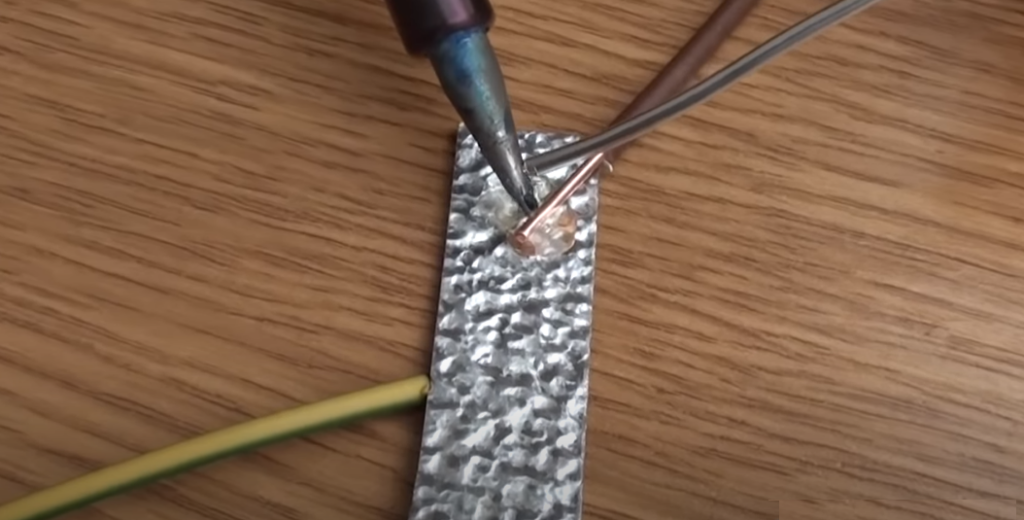
2. Apply That Special Flux. Once your aluminum is sparkling clean, it’s time to slather on that specialized flux. Apply it generously to both surfaces you want to join. This is the frontline defense against the oxide layer.
3. Heat It Up, Gently! Now, here’s where you need to be careful. You’ll need a heat source that can get hot enough to melt your specialized aluminum solder alloy, but you don’t want to torch the aluminum itself. Propane or MAPP gas torches are often used, but you might need to be quick and precise. The goal is to heat the aluminum pieces themselves, not just the solder. The heat from the aluminum will melt the solder. It's a bit like coaxing it into cooperation, rather than forcing it.
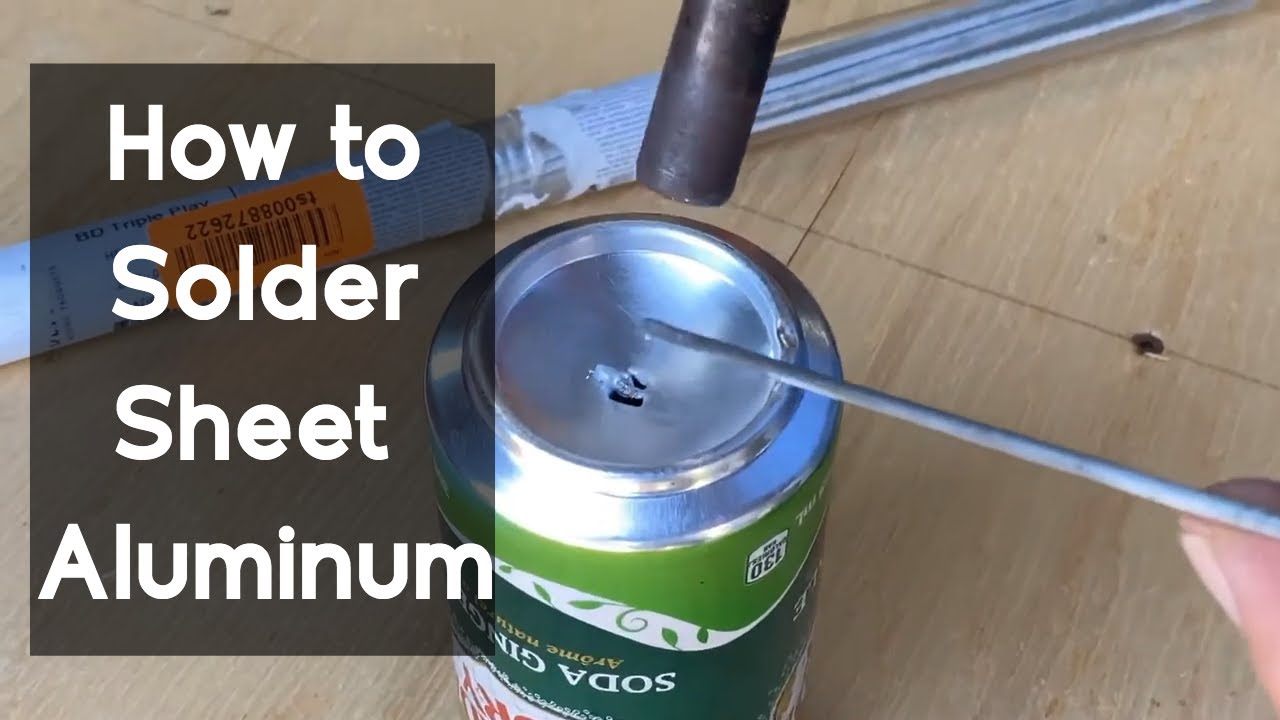
4. Let the Solder Flow. Once your flux is bubbling and the aluminum is hot enough, introduce your aluminum solder rod. It should melt on contact and flow into the joint by capillary action, just like regular solder. If it balls up and refuses to spread, your aluminum isn't hot enough, or that oxide layer is still putting up a fight. You might need to gently brush the molten solder with your flux-covered rod to help it wet the surface. This is where that aggressive flux really earns its keep.
5. Clean, Clean, and Clean Again! This is another step you absolutely cannot skip. The residues left by aluminum fluxes are often corrosive. Once your joint has cooled, you need to thoroughly clean off all traces of flux. Hot water and a stiff brush are usually recommended. Rinse, rinse, and then rinse some more. You want to be absolutely sure there’s nothing left behind that can cause corrosion later on.
What Kind of Projects Are We Talking About?
So, if it’s so involved, what kind of jobs are we looking at when we talk about silver soldering aluminum? It’s generally best for applications where you need a decent bond but aren’t expecting it to hold up to extreme structural stress. Think:
- Repairing cracked aluminum castings (like engine parts or brackets) where the cracks aren't under immense load.
- Joining thin aluminum sheets for decorative purposes or lightweight enclosures.
- Fixing or modifying aluminum bike frames where the structural integrity is already well-established.
- Creating custom aluminum components for hobbies or models.
- Sealing aluminum tanks or containers.
It’s usually not the go-to for critical structural welds where strength is paramount, like in aircraft or heavy machinery. For those jobs, you’re generally looking at TIG welding, which is a whole other kettle of fish (and usually requires a lot more skill and specialized equipment!).
When NOT to Bother with Silver Solder
Now, let’s be real. There are times when trying to silver solder aluminum is just going to be more trouble than it's worth, or frankly, not the right solution.
If you’re dealing with thick sections of aluminum, you’re going to struggle to get enough heat evenly into the joint to make the solder flow properly. It’s like trying to melt a glacier with a hairdryer – just not powerful enough.

If the part is going to be under significant vibration or dynamic load, you might want to reconsider. While a well-done aluminum solder joint can be strong, it’s generally not as robust as a properly executed weld.
And, as mentioned, if you don’t have access to the correct specialized aluminum solders and fluxes, please, for the love of all that is holy, don’t try to improvise! You’ll likely end up with a messy, weak joint that will only cause you frustration.
The Takeaway: It’s a Skill Worth Learning!
So, to wrap it all up with a nice little bow, can you silver solder aluminum? Yes, you absolutely can! It’s not as straightforward as soldering copper, and it requires specific materials and a bit more patience, but it is a perfectly viable method for joining aluminum in many situations.
Think of it as unlocking a new superpower in your metalworking arsenal. With the right gear, a little practice, and a healthy dose of respect for the material, you can tackle those aluminum projects that might have seemed impossible before. It’s a testament to ingenuity and the fact that with the right approach, even the trickiest materials can be tamed.
So, go forth, gather your specialized supplies, embrace the challenge, and start creating! The world of aluminum is waiting for your skilled hands to bring it to life. And who knows, you might just find yourself with a new favorite way to join those shiny, silvery pieces together. Happy soldering!