
Can You Weld Aluminum To Aluminum
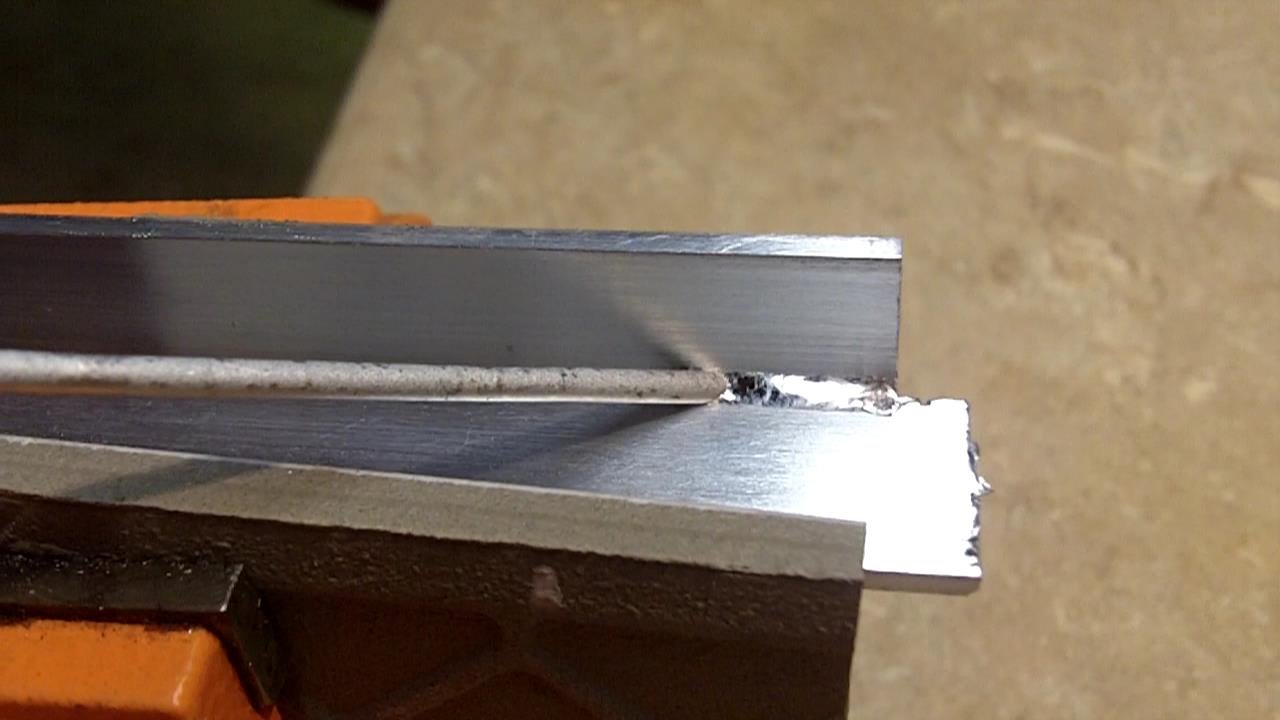
Hey there, fellow tinkerers and DIY enthusiasts! Ever found yourself staring at two shiny pieces of aluminum, a welding machine humming nearby, and wondering, "Can I actually weld this stuff together?" Well, buckle up, buttercup, because we're about to dive into the wonderfully wavy world of welding aluminum to aluminum. It’s not quite as straightforward as slapping two pieces of steel together, but trust me, it’s totally doable and can lead to some seriously cool projects!
So, the short answer to our burning question is a resounding YES, you absolutely can weld aluminum to aluminum. But, like that one friend who needs a little extra explaining, aluminum has its quirks. It's not as simple as just pointing your MIG gun and zapping away. There are a few things you need to know to avoid turning your shiny aluminum into a sad, burnt mess. Think of it like learning to dance with a partner – you gotta know their moves and a few of their tells!
First off, let's talk about why aluminum is a bit of a diva. Unlike steel, which has a pretty high melting point, aluminum has a much lower one. This means it heats up super fast and melts even faster. Ever tried to melt chocolate in a hot car? Yeah, it’s kinda like that, but with metal. This is why you can't just use a standard steel welding process and expect magic to happen. You need to be precise, and you need to know your equipment.
The biggest culprit in the aluminum welding world is oxidation. Aluminum, bless its heart, is constantly forming a layer of aluminum oxide on its surface. Now, this oxide layer is actually pretty tough stuff, and it has a melting point that's way higher than the aluminum itself. If you try to weld without getting rid of this oxide layer, you'll end up with a messy, porous weld. It's like trying to build a house on a foundation of loose sand – not going to end well.
So, how do we tackle this oxide beast? Well, that’s where our welding process comes into play. For welding aluminum, you're generally going to want to use either TIG (Tungsten Inert Gas) welding or MIG (Metal Inert Gas) welding. These are your go-to guys for aluminum, and each has its own fan club. Think of them as two different flavors of ice cream – both delicious, but with their own unique textures and experiences.
TIG Welding Aluminum: The Artful Dodger
Let’s start with TIG. If you're aiming for precision, beauty, and a weld that looks like it came straight out of a high-end workshop, TIG is your friend. It's like using a fine paintbrush to create a masterpiece. You've got a lot of control with TIG, which is a huge advantage when dealing with something as finicky as aluminum.
With TIG, you'll be using a non-consumable tungsten electrode to create the arc, and a separate filler rod to add material. And here’s a kicker for aluminum: you need to use AC (Alternating Current). Why AC, you ask? Well, AC current has a unique property called "cleaning action." As the current alternates, it helps to break up and blast away that stubborn aluminum oxide layer. It’s like having a tiny, high-tech power washer built right into your welding arc! This cleaning action is absolutely critical for a good aluminum weld.
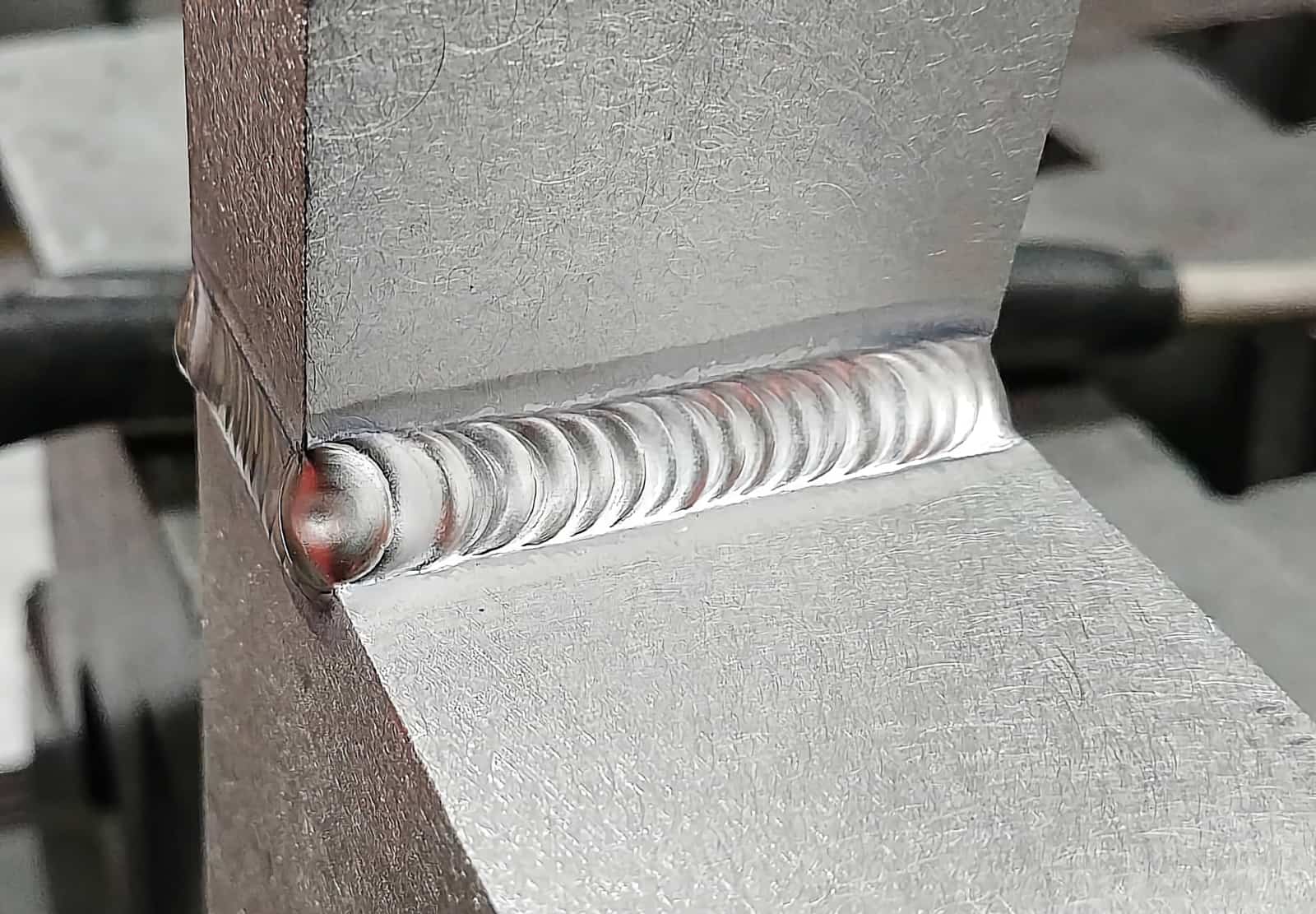
You’ll also need a shielding gas, usually 100% Argon. This gas creates a protective bubble around your weld puddle, preventing atmospheric contaminants from messing things up. It’s like giving your molten metal a cozy, safe little spa day.
One of the biggest benefits of TIG welding aluminum is the precision. You can control the heat input really well with your foot pedal (if you have one) or amperage control, which is essential for preventing burn-through on thinner aluminum pieces. Plus, the welds are generally cleaner and more aesthetically pleasing. If you’re making something where looks matter – like custom bike frames or intricate artistic pieces – TIG is often the way to go.
Now, the downside? TIG can have a bit of a learning curve. It requires more coordination and practice to get really good at it. You're simultaneously managing the torch, the filler rod, and the amperage. It's like patting your head and rubbing your stomach while juggling. But, once you get the hang of it, it’s incredibly rewarding!
What You'll Need for TIG Welding Aluminum:
- AC-capable TIG Welder: This is non-negotiable for aluminum.
- Argon Shielding Gas: 100% Argon is the standard.
- Aluminum Filler Rod: Make sure it's the right alloy for your base metal!
- Cleanliness is King: More on this later, but seriously, clean everything.
- Practice, Practice, Practice!
MIG Welding Aluminum: The Speedy Gonzales
On the other hand, we have MIG welding. If you’re looking for speed and efficiency, especially on larger projects, MIG is your champion. It's like using a powerful, efficient spray gun to cover a large area quickly.
MIG welding aluminum involves using a spool gun or a specific aluminum-ready MIG gun. Why a spool gun? Because aluminum wire is soft and tends to kink easily. A spool gun feeds the wire directly from a small spool mounted on the gun, reducing the distance the wire has to travel and minimizing the chance of tangles. It’s like having a tiny, dedicated feeder system just for that fussy wire.
For MIG, you'll also be using 100% Argon for shielding gas, just like TIG. The process is generally faster than TIG because the wire is fed automatically, and you’re not constantly adding filler material by hand. This makes MIG great for production work or when you have long seams to weld.
However, controlling heat can be a bit trickier with MIG on aluminum. Because the wire is fed automatically, it’s easier to get too much heat into the workpiece, leading to burn-through, especially on thinner materials. You also don’t get the same level of "cleaning action" from the arc as you do with AC TIG welding. This means that meticulous cleaning is even more crucial when MIG welding aluminum.
Another thing to consider is the wire feed. Aluminum wire can be a bit of a diva to feed. You’ll want to make sure your rollers are the correct type for aluminum (usually U-groove) and that your tension is set just right. Too tight, and you’ll crush the wire; too loose, and it’ll bird’s nest. It’s a delicate balance!
What You'll Need for MIG Welding Aluminum:
- MIG Welder with Spool Gun or Aluminum Gun: Essential for feeding soft aluminum wire.
- Argon Shielding Gas: Again, 100% Argon.
- Aluminum MIG Wire: Available in different alloys.
- Proper Rollers: U-groove rollers are a must.
- Cleanliness is STILL King: Seriously, don't skip this.
- Patience with the Wire Feed: It can be a bit temperamental!
The Most Important Step: Cleanliness!
Okay, let's circle back to the undisputed MVP of welding aluminum: CLEANLINESS. I cannot stress this enough. If you try to weld aluminum without cleaning it properly, you might as well be trying to paint a masterpiece with muddy brushes. You’re setting yourself up for failure.
Remember that aluminum oxide layer we talked about? It’s sneaky and it reforms fast. So, the moment you’ve cleaned your aluminum, that oxide layer starts creeping back. This means you need to clean it right before you weld, and I mean right before.
How do we get things squeaky clean? For starters, NEVER use the same wire brush on aluminum that you’ve used on steel. Steel particles embedded in your aluminum can cause contamination and lead to weak welds. Get yourself a dedicated stainless steel wire brush specifically for aluminum.
A good process is to first clean the area with a stainless steel wire brush to remove the bulk of the oxide. Then, follow up with a degreaser like acetone or a specialized aluminum cleaner to get rid of any oils, grease, or dirt. Wipe it down with a clean, lint-free cloth. The goal is to have a surface that is shiny and free of any visible contaminants.
Some people even go the extra mile and use a chemical etching process, but for most DIY applications, a good scrub with a dedicated brush and a degreaser will get you most of the way there. Just remember: clean, clean, and then clean some more. It’s the secret handshake of successful aluminum welding.
Choosing the Right Aluminum Alloy
Another little wrinkle in the aluminum world is that there are different alloys of aluminum. They're like different breeds of dogs – they look similar but have different temperaments and properties. Welding them together requires using the correct filler material.
The most common aluminum alloys you'll encounter for welding are the 1xxx, 3xxx, 5xxx, and 6xxx series. For example, if you’re welding 6061 aluminum (a very common choice for frames, brackets, and general fabrication), you'll typically use a filler rod or wire like ER4043. If you’re welding something a bit softer, like 5052, you might opt for ER5356. Your local welding supply store can be a treasure trove of knowledge here, so don’t hesitate to ask for advice on the correct filler material for your specific project.
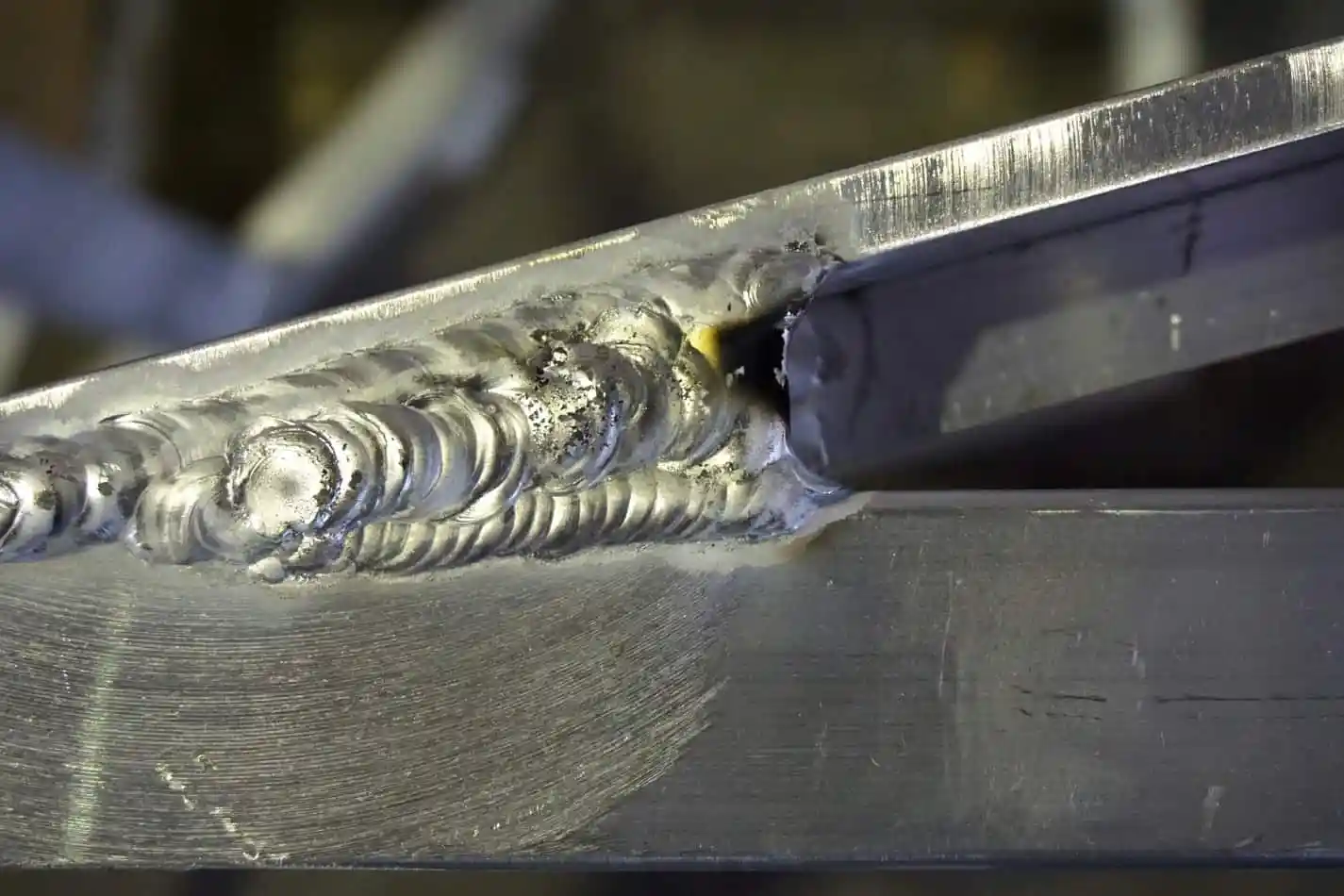
It's also worth noting that some aluminum alloys are harder to weld than others. The 6xxx series, for instance, can be prone to cracking if not welded correctly, which is where good heat control and the right filler material really shine. Always try to identify the alloy you’re working with if possible!
Safety First, Always!
Now, before you go out there and start zapping away, a quick word on safety. Welding, in general, requires proper safety gear. Aluminum welding is no different. Make sure you’re wearing your welding helmet with the correct shade lens, flame-resistant clothing, gloves, and sturdy footwear. Work in a well-ventilated area because welding fumes can be harmful.
Aluminum welding can produce a lot of sparks and splatter, so wearing a welding jacket and leathers is a really good idea to protect yourself from those molten metal projectiles. Think of it as giving yourself a full metal suit of armor!
So, Can You Weld Aluminum To Aluminum?
Absolutely! And the satisfaction of creating something strong and beautiful from two separate pieces of this amazing metal is truly unparalleled. It’s a journey of learning, a dance of precision, and a testament to your growing skills as a fabricator.
Don't be discouraged if your first few attempts aren't magazine-cover perfect. Every weld is a lesson learned, every spark a step forward. Embrace the challenge, celebrate your successes, and enjoy the process of transforming raw materials into something truly special. The world of welding aluminum is open to you, and the projects you can create are limited only by your imagination. So go forth, get welding, and build something awesome!