
Can You Weld Galvanized Steel To Mild Steel

Hey there, fellow DIY enthusiasts and aspiring welders! So, you’ve got a project brewing, and you’re staring at two different kinds of metal: some shiny, galvanized steel and its trusty, unadorned mild steel cousin. Naturally, the question pops into your head: "Can I just slap these two together with my trusty welder?" Well, settle in with your favorite beverage, because we're about to dive into the wonderfully complex (but not too complex, promise!) world of welding galvanized steel to mild steel. Think of this as a friendly chat over a workbench, not a dusty textbook.
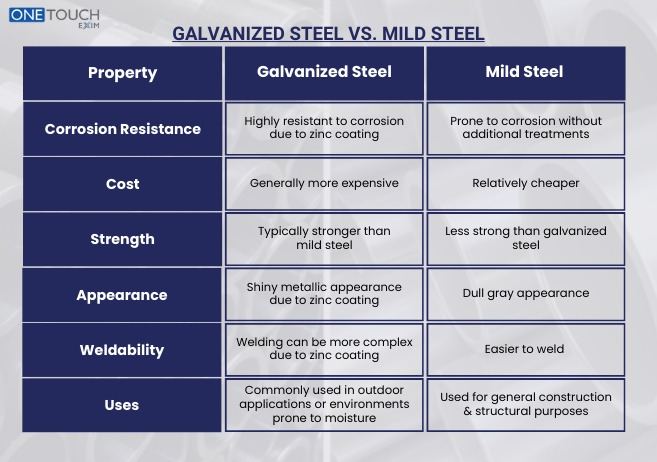
Let's get one thing straight right off the bat: yes, you absolutely can weld galvanized steel to mild steel. Phew! That’s the big question answered. But, and there's always a "but" in the world of metal, it's not quite as simple as just flicking the switch and letting the sparks fly. It's more like trying to cook a gourmet meal when you’ve only ever microwaved frozen dinners. You can do it, but a little knowledge goes a long, long way.
What's the Big Deal with Galvanized Steel Anyway?
Before we go all "weld-a-thon," let's quickly get acquainted with our galvanized friend. You know that silvery, sometimes slightly bumpy coating on things like fence posts, guardrails, or even some outdoor furniture? That's zinc. It’s applied to steel to protect it from rust. Think of it as a sacrifice; the zinc corrodes instead of the steel. It’s a brilliant idea, really! Like having a tiny bodyguard for your metal.
This zinc coating, while super useful for preventing rust, is also the main culprit behind the little "gotchas" when you try to weld it. It's like trying to join two pieces of wood that are covered in a slippery coating – it just doesn't want to bond as easily.
The Zinc Factor: Your Welding Frenemy
So, when you start heating up that galvanized steel, what happens to the zinc? Well, it starts to melt. And when zinc melts, it becomes a liquid. Now, this liquid zinc is a bit of a drama queen. It tends to rise to the surface of your weld pool. This can cause all sorts of exciting (read: frustrating) problems, like porosity (tiny little holes in your weld) and weak joints. Nobody wants a weld that looks like a piece of Swiss cheese, right?
Imagine trying to paint a perfectly smooth wall, but every time you put the brush down, a little bit of glitter falls onto the wet paint. It’s similar, but with molten metal. Not quite as festive, more likely to cause structural integrity issues. Womp womp.
The Fumes! Oh, The Fumes!
This is probably the most important part, and where a lot of people skip steps, which is a big no-no. When you heat up that zinc, it releases fumes. And I’m not talking about the kind of pleasant, smoky aroma you get from a barbecue. These fumes are toxic. Seriously. They can cause what's commonly known as "metal fume fever," which feels remarkably like a nasty flu. You’ll get chills, aches, nausea – all the fun stuff you definitely don't want to experience after a good welding session. So, please, please, please prioritize your health!
Think of it like this: you're having a great time building something awesome, and then BAM! You're down for the count with flu-like symptoms for a day or two. Not the best souvenir from your DIY adventure. So, ventilation is your best friend. Open those garage doors, use a fan, wear a respirator – whatever you need to do to keep those fumes away from your lungs. Your lungs will thank you. Your future self will thank you. Even your cat will thank you for not making the house smell like a bad science experiment.
Ventilation is Non-Negotiable!
I cannot stress this enough. Adequate ventilation is paramount. If you're welding indoors, open up every window, door, and vent you can find. Seriously, make it feel like a wind tunnel. If that’s not enough, invest in a fume extractor or a good quality respirator. It might seem like an extra expense, but your health is priceless. Don't be a hero; be a smart welder.

So, How Do We Conquer This Zinc Beast?
Alright, now that we’ve established that it's possible but requires some finesse, let's talk about the "how." There are a few main strategies to tackle the zinc issue:
1. Grind It Off, Baby!
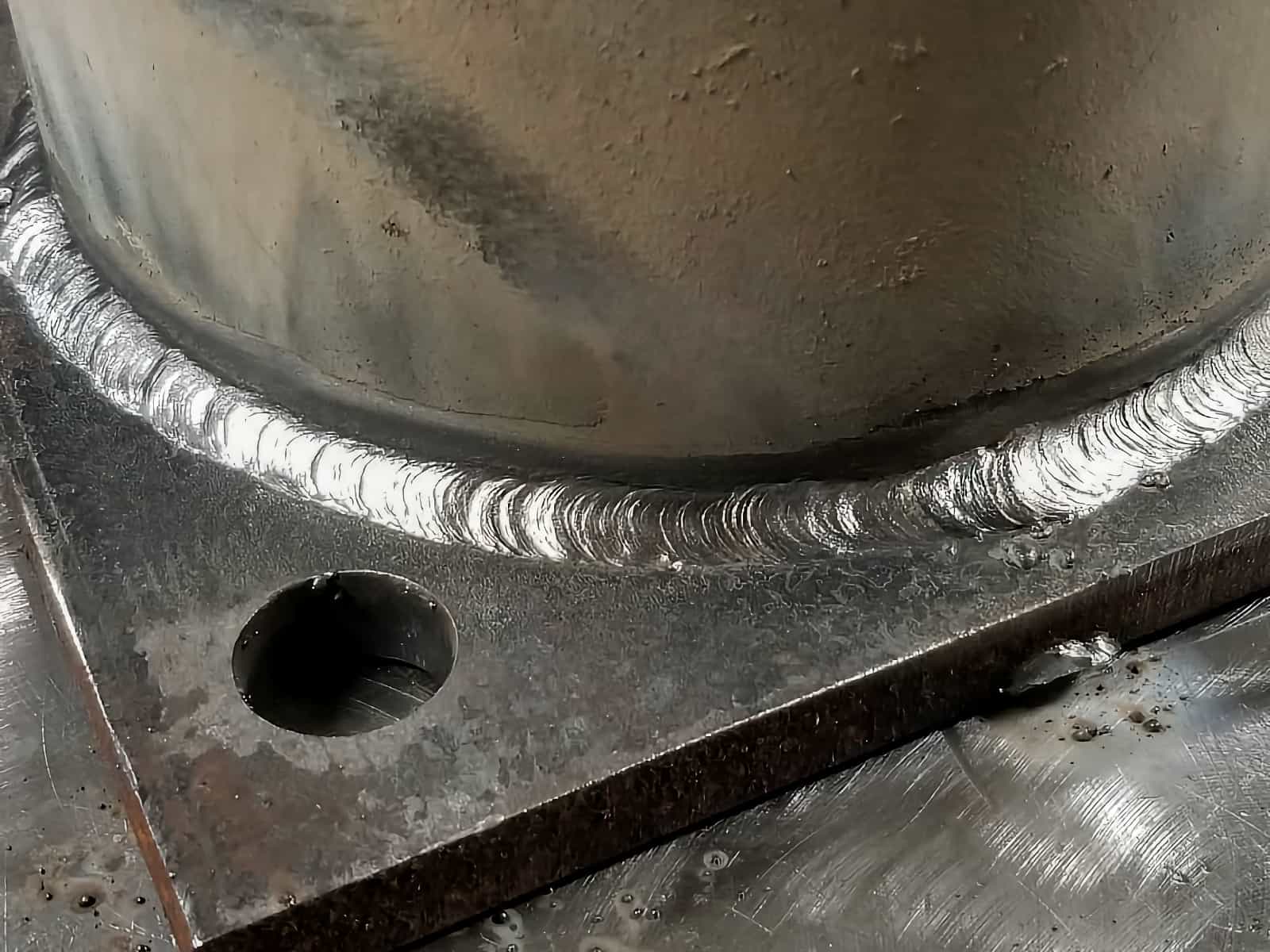
This is the most straightforward and often the most effective method. Before you even think about striking an arc, you need to remove the zinc coating from the area where you'll be welding. How much? A good rule of thumb is to grind off about an inch or so on either side of your intended weld seam. This gives you a clean, bare mild steel surface to work with.
You can use a grinder with a flap disc, a wire wheel, or even a sanding disc. Just make sure you're getting down to the bare metal. You’ll see the silvery zinc disappear, revealing the duller grey of the steel. It’s a bit dusty, and you'll look like a coal miner for a while, but it’s worth it for a strong, clean weld.
Pro tip: Wear your safety glasses and a dust mask during this step! Nobody wants zinc dust in their eyeballs. Trust me on this one.
2. Be Smart About Your Welding Process
Even if you manage to remove most of the zinc, there might be a little bit left. Or, sometimes, for certain applications, you might choose not to remove all of it (though I’d strongly advise against it for critical structural welds). In these cases, your welding technique becomes even more important.
- Gas Metal Arc Welding (GMAW) / MIG Welding: This is generally the preferred method for welding galvanized steel to mild steel. Why? Because the shielding gas helps protect the molten weld pool from atmospheric contamination. You'll want to use a faster travel speed and a slightly higher voltage and amperage than you might for plain mild steel. This helps you "outrun" the zinc melting and bubbling. Think of it as a speedy dance with the molten metal.
- Stick Welding (Shielded Metal Arc Welding - SMAW): This can be trickier. The flux coating on the welding rod can help, but it's still prone to issues with zinc. You'll likely need to remove more of the zinc coating beforehand. If you must stick weld galvanized, consider using a rod specifically designed for galvanized steel, if you can find one, or a good quality E6013 or E7018 rod. Again, higher heat input is generally your friend here, but be careful not to burn through.
- TIG Welding (Gas Tungsten Arc Welding - GTAW): TIG can be used, but it's generally considered the most challenging for galvanized steel due to the precision required and the tendency for the zinc to contaminate the tungsten electrode. If you're a TIG master, you might have more success, but for most people, MIG is the way to go.
3. Consider the Weld Rod/Wire
The filler material you use also plays a role. For MIG welding, a standard ER70S-6 wire is generally fine if you’ve properly prepared the surface. If you're dealing with a lot of residual zinc or a less-than-perfect prep job, some folks have had luck with flux-cored wires, but be aware of the slag they produce. For stick welding, as mentioned, look for rods that might be more forgiving, but surface prep is still key.

When Should You Not Weld Galvanized to Mild Steel?
While we've established it's possible, there are definitely scenarios where it's best to avoid welding galvanized steel altogether, or at least take extra precautions:
- Critical Structural Components: If the weld is on something that's load-bearing or could cause significant damage if it fails (think bridge supports, vehicle frames, etc.), it's usually best to stick with bare mild steel or use specialized welding procedures. The potential for weld defects with galvanized steel can be too risky.
- Food-Grade Applications: The zinc fumes are a no-go for anything that will come into contact with food. Hygiene and safety are paramount here.
- When You Can't Ventilate Properly: If your workspace is tiny, enclosed, and you can't get any airflow, just don't do it. Your health is more important than finishing that project today.
The Takeaway: A Little Effort Goes a Long Way
So, can you weld galvanized steel to mild steel? Yes! But it’s like trying to make a new friend who has some quirky habits. You need to understand those habits (the zinc!) and adapt your approach. The key takeaways are:
- Preparation is King: Grind off that zinc coating! It's the most effective way to ensure a strong, clean weld and reduce fume issues.
- Ventilation is Queen: Never compromise on airflow. Protect your lungs!
- Choose the Right Method: MIG welding is generally the easiest and most forgiving for this task.
When you take the time to prepare properly and weld with a bit of caution, you’ll find that joining galvanized and mild steel is perfectly achievable. You’ll end up with a solid, reliable weld, and you’ll have learned a valuable skill. And honestly, there’s something incredibly satisfying about taking two different materials and making them one, strong, functional piece. It’s like a metal marriage, and with a little effort, it’s a marriage that will last!
So, go forth, be safe, be smart, and happy welding! You’ve got this, and the projects you create will be all the better for it. Now, go impress yourself and maybe even a friend or two with your newfound welding prowess!