
Causes Of Fallopian Tube Blockage
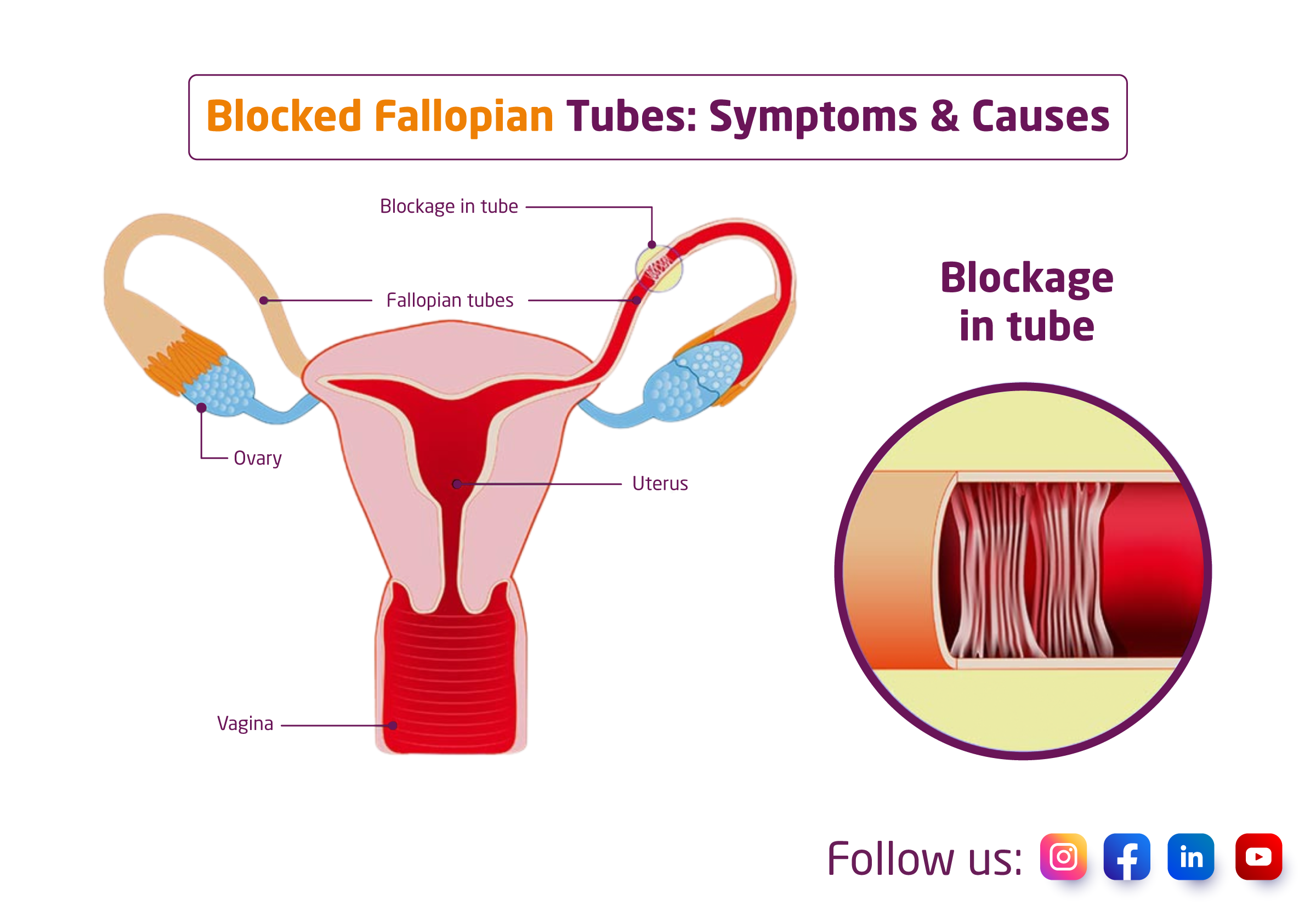
Alright, settle in, grab your latte (or your suspiciously strong chamomile tea), because we're about to dive into something that sounds like it belongs in a horror movie: Fallopian Tube Blockage. Cue the spooky music! But fear not, my lovely friends, because while it sounds dramatic, it's actually a pretty common thing, and understanding it is half the battle. Think of me as your friendly neighborhood fertility whisperer, here to demystify these tiny, yet oh-so-important, tubes.
So, what exactly are these magical tubes we're talking about? Imagine two microscopic highways, one on each side of your uterus, leading from your ovaries to your womb. Their job? To be the VIP shuttle service for your precious egg, escorting it on its grand journey after ovulation. They’re also where the magic of fertilization usually happens, so they’re basically the lovechild of a superhighway and a fancy hotel lobby. Pretty crucial, right?
Now, when these little highways get clogged, it’s like a massive traffic jam. The egg can't get to the uterus, and sperm might have a hard time making its way to the egg. This, my friends, is where things get tricky if you’re trying to conceive. It’s not the end of the world, but it’s definitely a roadblock. So, what causes these pesky blockages? Let’s spill the tea (or coffee, you do you).
The Usual Suspects: Infections, Infections, Everywhere!
Our number one culprit, the villain in our story, is often infection. And not just any infection, but the kind that can leave a lingering presence. Think of pelvic inflammatory disease, or PID. This nasty business is usually caused by untreated sexually transmitted infections (STIs) like chlamydia and gonorrhea.
Now, I’m not here to shame anyone. STIs happen. But here’s the kicker: PID can be a silent assassin. You might not even know you have it! It can smolder away, causing inflammation and scar tissue, which then goes on to lovingly construct a dam right in your fallopian tubes. It’s like an unwelcome guest who overstays their welcome and then redecorates your entire house without asking.
And it's not just STIs. Other pelvic infections, like those following childbirth or miscarriage, can also contribute. Basically, anything that causes inflammation in the pelvic region has the potential to leave behind some scarring, which, as we’ve established, is the arch-nemesis of open fallopian tubes.
The Scar Tissue Shuffle
So, how does this scar tissue actually cause a blockage? Imagine your fallopian tube is like a delicate, fluffy noodle. When it gets inflamed, it swells up, and then, as it heals, it can develop little sticky bits, or adhesions. These adhesions can glue the walls of the tube together, shrinking the passage. Sometimes, the scarring can be so extensive that it completely seals off the tube, like someone slammed the door shut and lost the key.
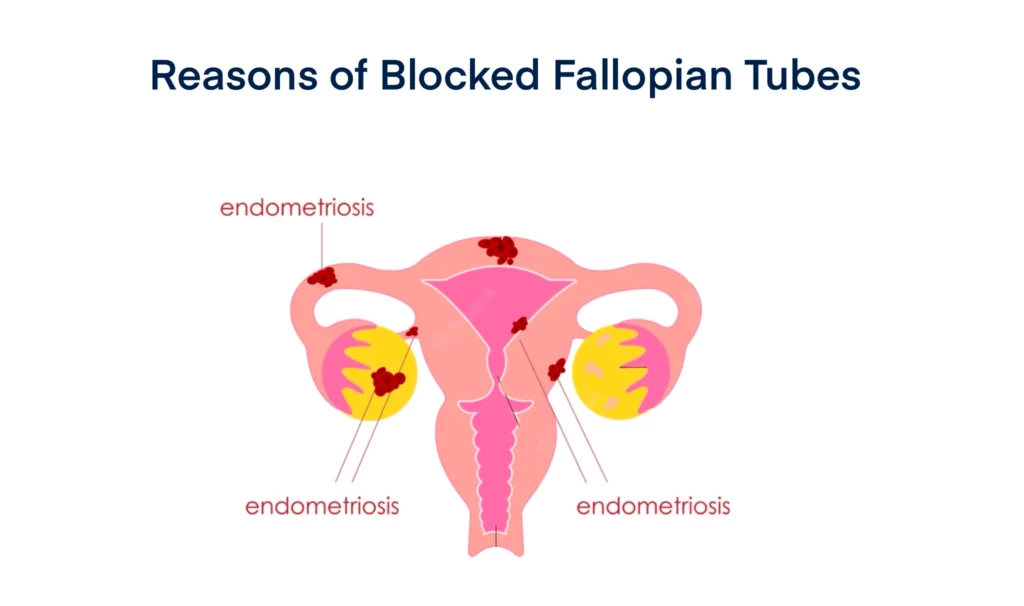
It’s a bit like when you get a really bad paper cut and the skin heals, but it’s never quite as smooth as it was before. Except, you know, in your reproductive organs. And significantly more impactful on your baby-making plans.
Endometriosis: The Rebel Uterus Tissue
Next up on our list of potential tube troublemakers is endometriosis. This is where uterine tissue decides to go on a wild vacation and grow outside of the uterus. Think of it as the tissue staging a protest and setting up camp in places it shouldn’t be, like on your ovaries or your fallopian tubes themselves.
When endometriosis implants appear on or near the fallopian tubes, they can cause inflammation and scarring, similar to infections. This can lead to adhesions that can kink or completely block the tubes. It's like having a tiny, unwelcome roommate in your fallopian tubes, constantly causing drama and messing up the plumbing.
The inflammation associated with endometriosis can also create a hostile environment for the egg and sperm, even if the tubes aren’t completely blocked. It’s like trying to have a romantic picnic in the middle of a riot. Not ideal.

The Surgical Scarring Saga
Sometimes, the very things we do to help our bodies can, ironically, cause issues. We’re talking about pelvic surgeries here. If you've had surgery for things like ovarian cysts, fibroids, or even appendicitis, there's a chance that scar tissue could form around your fallopian tubes during the healing process.
Think of it like this: after any surgery, your body goes into repair mode. Sometimes, this repair work can be a bit overzealous, leading to scar tissue that can bind organs together. If this scar tissue happens to form in a way that squeezes or obstructs your fallopian tubes, you've got a blockage. It's like a well-intentioned renovation that accidentally knocks down a load-bearing wall.
The type of surgery and the skill of the surgeon can influence this risk, but it’s something to be aware of. And thankfully, many surgeons are super skilled at minimizing scar tissue formation these days.
The Ectopic Pregnancy Aftermath
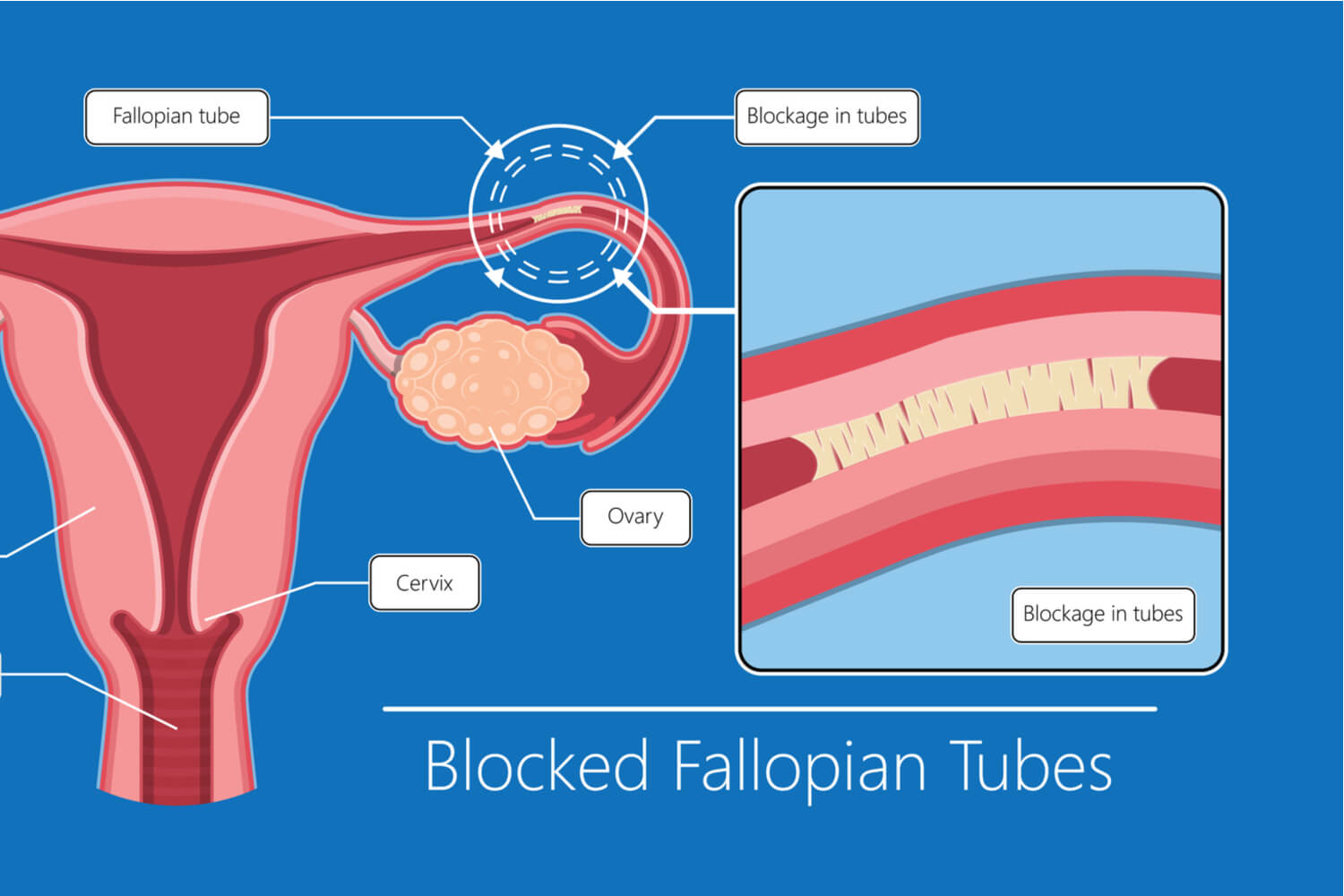
Here's a surprising one: a past ectopic pregnancy can also be a culprit. An ectopic pregnancy occurs when a fertilized egg implants outside the uterus, most commonly in the fallopian tube itself. This is a medical emergency, and the pregnancy has to be terminated.
The process of dealing with an ectopic pregnancy, whether through medication or surgery, can sometimes lead to scarring within the fallopian tube. This scarring can then cause a blockage. It’s like your body trying to fix a mistake, but in doing so, creating a new problem.
It’s a tough situation, and the potential for subsequent fertility issues adds another layer of complexity. But again, knowledge is power!
Congenital Causes: When You're Born With It
Less commonly, some people are born with structural abnormalities in their fallopian tubes. These are called congenital causes. This could mean the tubes are unusually narrow, kinked from birth, or even absent altogether. It’s like getting a faulty blueprint from the start.
These issues are usually identified much earlier in life, often during investigations for infertility. It’s not something that develops over time, but rather a condition present from the get-go.
When Everything Else Fails: Unexplained Blockages
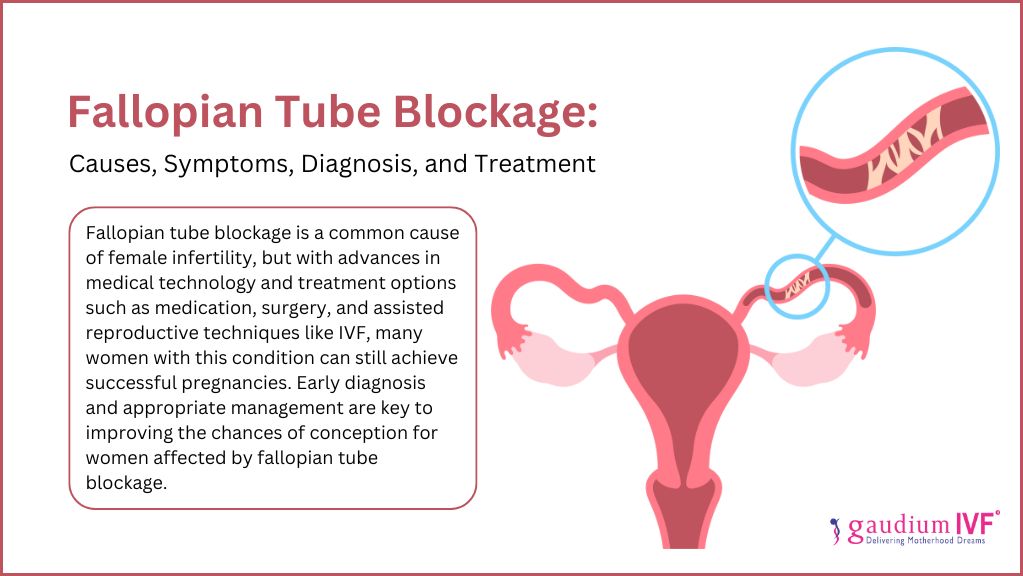
And then, there are the frustrating cases where, despite all the tests and investigations, we’re left scratching our heads. These are known as unexplained blockages. Sometimes, the tubes just decide to be uncooperative, and we don't have a definitive reason why.
It’s like trying to figure out why your favorite pen suddenly stops working – you’ve got ink, you’ve got paper, but for some mysterious reason, nothing comes out. It’s enough to make you want to throw a (gentle, coffee-mug-shaped) tantrum!
But even in these cases, there are treatments and fertility options available. The journey might be a bit more winding, but the destination of parenthood is still achievable for many.
The Takeaway: Don’t Panic, Get Informed!
So, there you have it – a whirlwind tour of the common culprits behind fallopian tube blockages. The key takeaway here is that while it sounds scary, it's a manageable condition with a range of potential causes. If you’re concerned, or if you’re actively trying to conceive and facing challenges, the best thing you can do is have an open and honest conversation with your doctor.
They can perform tests, like a hysterosalpingogram (which sounds super technical, but is basically an X-ray that lets them see inside your tubes – think of it as a plumbing inspection for your lady bits!), to determine if there’s a blockage and where it might be. Armed with that information, you can explore your options, which can range from surgical procedures to remove the blockage to assisted reproductive technologies like IVF.
Remember, your body is a complex and amazing thing, and sometimes it just needs a little help. So, let’s ditch the spooky music, embrace the information, and face this with a cup of something warm and a can-do attitude!