
Ceramic Coated Cookware Vs Stainless Steel
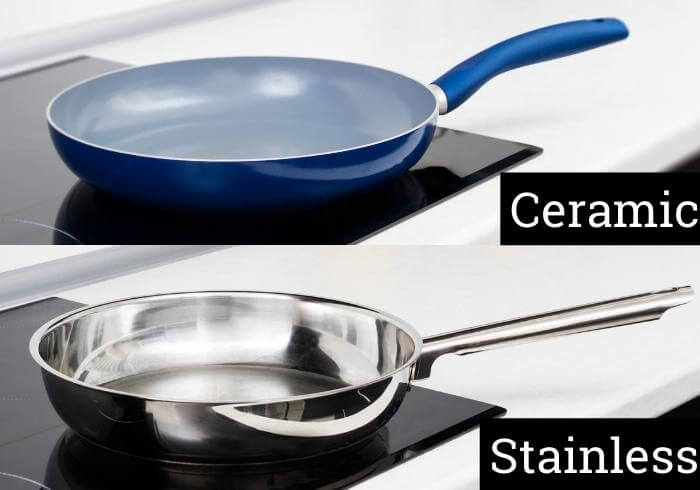
Let's talk about your kitchen's greatest heroes: the pots and pans that help you whip up everything from a quick weeknight stir-fry to a show-stopping holiday roast. Choosing the right cookware can feel like picking a side in a friendly culinary debate. Today, we're diving into the exciting showdown between two popular champions: Ceramic Coated Cookware and Stainless Steel Cookware. Both have their fans, and understanding their strengths will empower you to make the best choice for your cooking adventures. It’s not just about what looks pretty on your stovetop; it’s about how your food cooks, how easy cleanup is, and how long your trusty tools will last. So, grab a cup of your favorite beverage, and let’s explore what makes these two contenders tick!
The Allure of Ceramic Coated Cookware
Imagine a pan that practically lets food slide off, making cooking a breeze and cleanup even easier. That’s the magic of Ceramic Coated Cookware. Its defining feature is a non-stick surface derived from natural minerals, often applied through a sol-gel process. This coating is typically free from PFOA and PTFE, the chemicals found in some older non-stick pans. This has made it a popular choice for health-conscious home cooks.
The primary benefit of ceramic coating is its exceptional non-stick performance. From delicate eggs to sticky caramel, food releases with minimal effort. This means you can often cook with less oil or butter, contributing to healthier meals. Another significant advantage is the ease of cleaning. A quick wipe with a soft sponge or cloth is usually all it takes to remove food residue, saving you precious time and energy after a meal.
Ceramic coated pans also tend to be lighter than their stainless steel counterparts, making them easier to maneuver, especially when full. They are often available in a variety of attractive colors, adding a touch of style to your kitchen. When it comes to performance, they heat up relatively quickly and evenly, making them suitable for everyday cooking tasks.
However, it's important to be aware of their limitations. While modern ceramic coatings are more durable than early versions, they are still susceptible to scratching from metal utensils. Therefore, using wooden, silicone, or plastic utensils is highly recommended. Over time, the non-stick properties can degrade, especially with improper care or exposure to very high heat. They are generally not recommended for searing at extremely high temperatures or for oven use at very high degrees, so always check the manufacturer's guidelines.

The Enduring Strength of Stainless Steel Cookware
Now, let’s turn our attention to the kitchen workhorse: Stainless Steel Cookware. This material has been a staple in kitchens for decades, and for good reason. Its popularity stems from its incredible durability, longevity, and versatility. Stainless steel is a robust alloy that can withstand the rigors of daily cooking without chipping, scratching, or warping.
One of the biggest advantages of stainless steel is its ability to handle high heat. This makes it ideal for searing meats to perfection, achieving that desirable crust, or for cooking at high temperatures for extended periods. It’s also oven-safe to very high temperatures, offering incredible flexibility in your cooking methods. You can start a dish on the stovetop and finish it in the oven without needing to transfer it to another pan.
Stainless steel cookware is also known for its excellent heat distribution, especially when it features an aluminum or copper core sandwiched between layers of steel. This even heating prevents hot spots, ensuring your food cooks uniformly and reduces the risk of burning. It’s also incredibly non-reactive, meaning it won't impart any metallic taste to your food, which is particularly important for acidic ingredients like tomatoes or lemon juice.
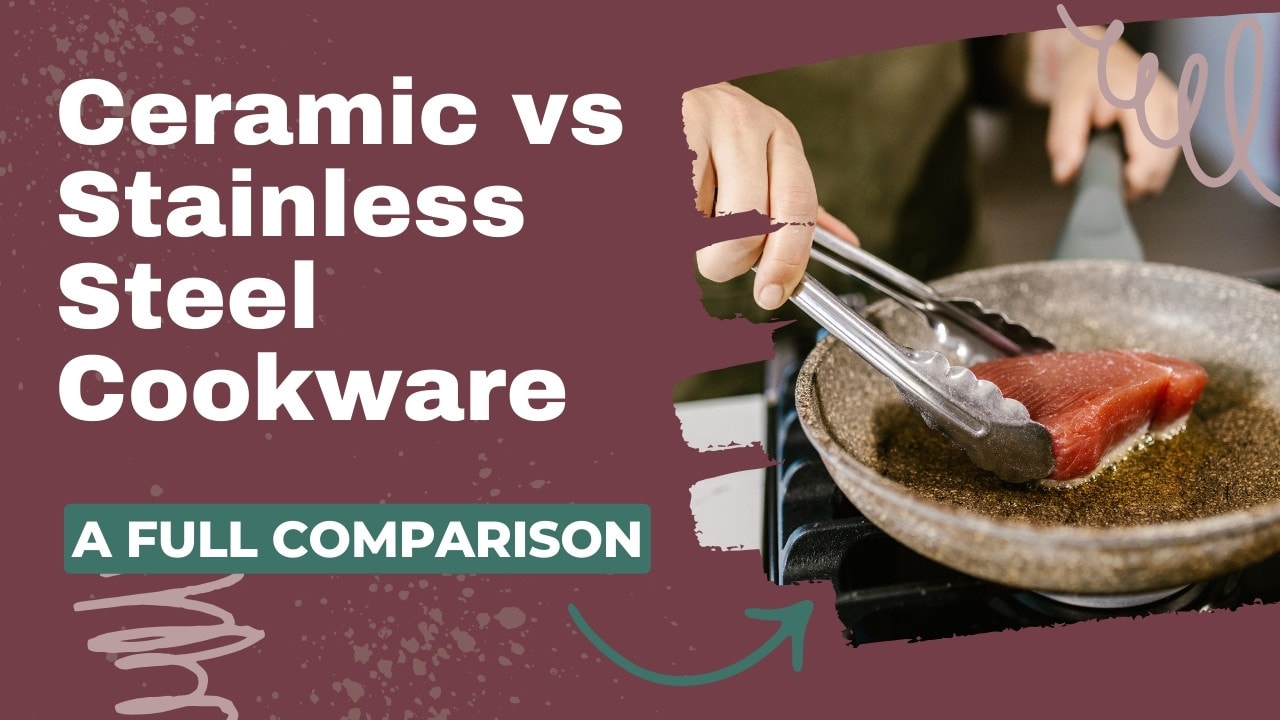
When it comes to cleaning, stainless steel can be a bit more involved than ceramic. While it’s dishwasher-safe, some stubborn food residue might require a bit more elbow grease or a specialized stainless steel cleaner. However, its inherent toughness means it can handle vigorous scrubbing without damage. You can confidently use metal utensils with stainless steel cookware, which can be a plus for those who prefer them.
The upfront cost of high-quality stainless steel can sometimes be higher than ceramic, but its remarkable lifespan often makes it a more economical choice in the long run. It’s an investment that can last for generations.

Making Your Choice
So, which team will you join? If your priority is effortless non-stick cooking and quick, easy cleanup, especially for delicate items like eggs and pancakes, then Ceramic Coated Cookware is likely your winner. It’s a fantastic option for everyday meals and for those who want to minimize their use of cooking fats. Just remember to treat it with a little gentleness by avoiding metal utensils and extreme heat.
On the other hand, if you crave unmatched durability, the ability to handle high-heat searing and oven cooking, and a non-reactive surface that won’t alter the taste of your food, then Stainless Steel Cookware is probably your perfect match. It’s the champion for robust cooking techniques and a lifetime of reliable service. While it might require a little more attention during cleanup, its resilience and versatility are hard to beat.
Ultimately, many home cooks find that a combination of both types of cookware can be ideal. Perhaps a ceramic skillet for your morning omelets and a sturdy stainless steel stockpot for your hearty soups. Consider your cooking style, the types of dishes you prepare most often, and what you value most in your kitchen tools. Whichever you choose, happy cooking!