
Color Code Blood Collection Tubes
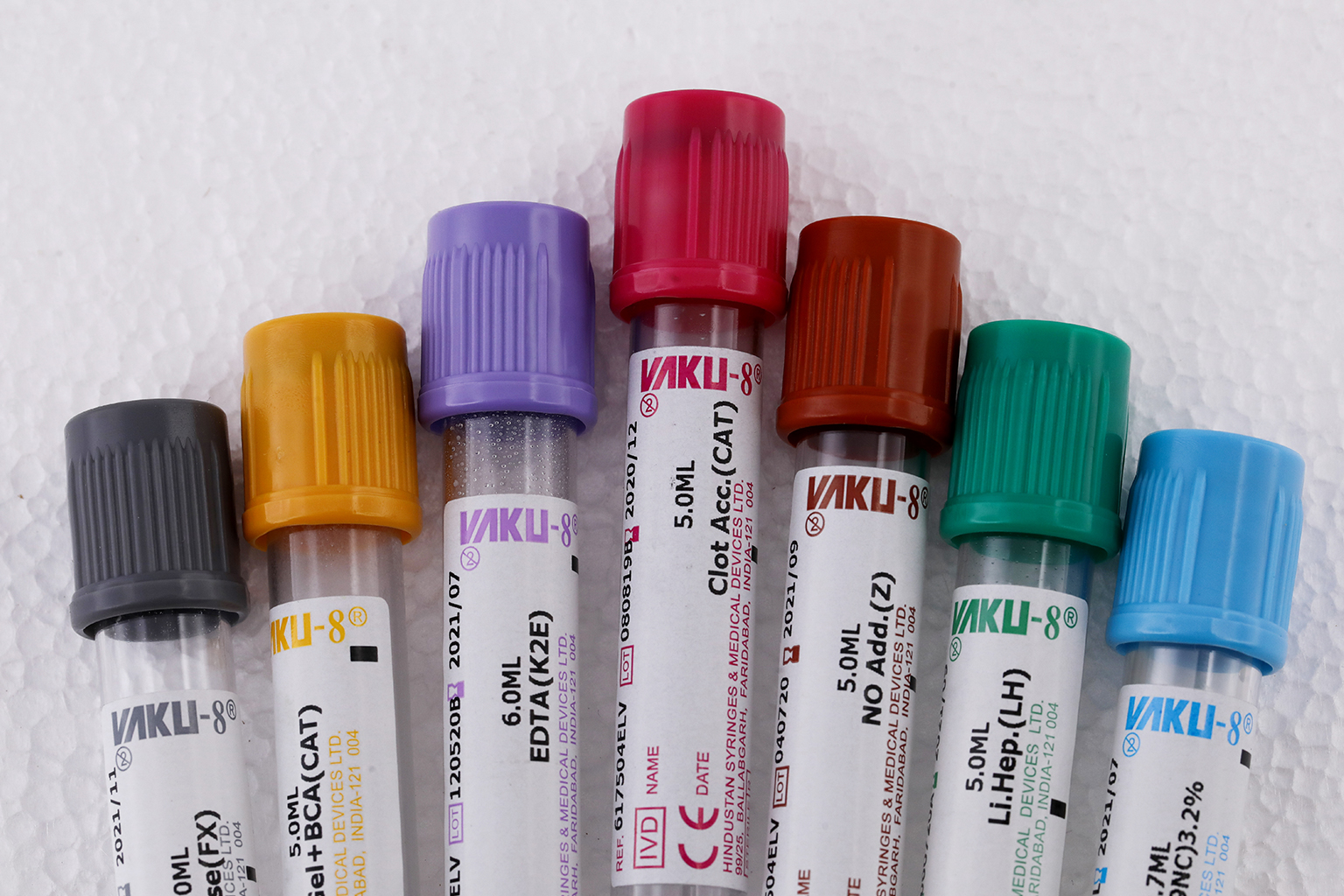
Ever looked at a rack of blood collection tubes and wondered about all those different colored caps? It might seem a little mysterious, but these aren't just for show! These colorful little stoppers are actually the secret heroes of modern medicine, ensuring that every blood sample gets to the right place and is tested accurately. Think of them as the ultimate sorting system, a visual language that healthcare professionals use every single day. It’s a fascinating little corner of the medical world that’s surprisingly important and, dare we say, even a little bit fun to understand!
The Colorful World of Blood Collection Tubes
When you visit your doctor for a blood test, you’ll likely see a phlebotomist (that’s the super-skilled person who draws your blood!) selecting specific tubes for your sample. These tubes, with their distinctively colored caps, aren't chosen randomly. Each color signifies a particular type of additive or anticoagulant inside the tube, and this additive is crucial for preserving the blood in a way that's suitable for specific laboratory tests. Without these additives, many tests would be impossible or produce inaccurate results.
Let’s dive into the vibrant spectrum and understand what each color means. It’s like a secret code that helps doctors get the most information from your blood!
The Usual Suspects: Common Tube Colors and Their Jobs
- Red Tops: These are often the first tubes you might think of. Inside a red-top tube, you'll find no additives. This means the blood is allowed to clot naturally. Once clotted, the liquid portion, called serum, is separated. Serum is perfect for a wide range of tests, including many chemistry tests, blood typing, and detecting antibodies. Think of it as the "let it sit and separate" tube.
- Gold Tops (Tiger Tops): These are a variation of the red top and are often called "tiger tops" because of their speckled appearance. A gold-top tube contains a clot activator and a gel separator. The activator speeds up the clotting process, and the gel creates a barrier between the serum and the blood cells after centrifugation. This makes serum collection faster and cleaner, ideal for most serum chemistry tests.
- Lavender Tops: Ah, the workhorse of hematology! Lavender-top tubes contain an anticoagulant called EDTA (ethylenediaminetetraacetic acid). EDTA prevents the blood from clotting by binding to calcium, which is essential for the clotting cascade. This is vital for tests that examine blood cells, such as complete blood counts (CBCs), differential counts, and blood smears. The blood in a lavender tube remains liquid and ready for cell analysis.
- Blue Tops: You'll often see these for tests related to blood clotting. Blue-top tubes contain an anticoagulant called sodium citrate. Sodium citrate also works by binding calcium, but it's reversible, meaning the clotting process can be restarted if needed in the lab. These tubes are primarily used for coagulation studies, like the PT (prothrombin time) and PTT (partial thromboplastin time) tests, which assess how quickly your blood clots. It's important to fill a blue-top tube correctly to ensure the right ratio of citrate to blood for accurate results.
- Green Tops: These tubes contain a heparin anticoagulant, either sodium heparin or lithium heparin. Heparin works by inhibiting thrombin and other clotting factors, preventing blood from clotting while keeping the cells intact. Green-top tubes are used for various chemistry tests, especially when rapid results are needed or for certain drug level monitoring. The resulting liquid is called plasma, which is different from serum as it still contains clotting factors.
- Gray Tops: These tubes have a special additive: potassium oxalate (a clot activator) and sodium fluoride. The sodium fluoride acts as a preservative, preventing the breakdown of glucose by blood cells. This makes gray-top tubes ideal for measuring blood glucose levels and for lactate level tests. The combination ensures the glucose concentration remains stable between collection and testing.
Why This Colorful System is So Important
The color-coding system might seem like a small detail, but its benefits are huge:
- Accuracy: Using the correct tube ensures the blood sample is preserved appropriately for the specific tests ordered, leading to more accurate diagnoses and treatment plans.
- Efficiency: The colors allow laboratory personnel to quickly identify and sort samples, speeding up the testing process and getting results to your doctor faster.
- Safety: Proper sample handling and preservation, facilitated by the correct tube, are crucial for reliable medical decisions.
- Reduced Errors: The visual cues minimize the risk of using the wrong tube, which could lead to erroneous or uninterpretable test results.
So, the next time you see those colorful tubes, you'll know they're not just pretty containers. They're essential tools, each with a specific purpose, working diligently behind the scenes to keep us healthy. It’s a testament to how even small, seemingly simple innovations can have a profound impact on our well-being. It’s a fascinating glimpse into the meticulous world of diagnostics, and it’s all thanks to a rainbow of carefully designed caps!