
Comic Books From The 60s And 70s

Hey there, fellow pop culture pals! Ever find yourself staring at a dusty old comic book and wondering, "What was that all about?" Well, buckle up, buttercups, because we're about to take a groovy trip back to the 1960s and 70s – the absolute wild and wonderfully weird decades for comic books! Think less existential dread and more, you know, giant robots and guys in spandex punching each other with really, really dramatic sound effects.
Seriously, these were the days. Before the internet, before streaming, before we had a million things vying for our attention, comic books were the thing. They were cheap, they were accessible, and they were pure, unadulterated escapism. Like a tiny, colorful portal to another dimension that you could snag for a dime or two. Pretty neat, huh?
Let's kick things off with the king of the 60s – Marvel Comics. And when I say king, I mean the guy who basically invented the superhero team with more drama than a soap opera: Stan Lee! Oh Stan, you magnificent storyteller. He and his artistic merry band (we're talking legends like Jack Kirby and Steve Ditko here, people!) decided that superheroes didn't have to be perfect gods. Nope. They could be flawed, relatable, and have actual, real-life problems. Mind. Blown.
Take the Fantastic Four, for instance. They got their powers from cosmic rays during a space mission. Sounds cool, right? But then Reed Richards (Mr. Fantastic) spent half his time agonizing over his scientific experiments, Sue Storm (Invisible Woman) was constantly worried about her family, Johnny Storm (Human Torch) was a hot-headed teenager, and Ben Grimm (The Thing) was a grumpy rock monster who just wanted to be left alone. Relatable? Maybe not in the "I can turn my arms into rubber" way, but in the "I'm struggling and my family is annoying but I love them anyway" way? Absolutely!
And then there were the X-Men. Oh, the X-Men. The outcasts, the misunderstood mutants. This was Stan and Jack being way ahead of their time, exploring themes of prejudice and social commentary. Professor X, the kindly old telepath, trying to unite humans and mutants, while Magneto, the brooding anti-hero, believed mutants were superior and should rule. It was a whole philosophical debate happening amidst explosions and laser beams. Who knew your comic book could also be a high school sociology lesson? (Just don't tell your teacher I said that.)
Spider-Man! The wall-crawling, web-slinging teenager with so many problems. Peter Parker wasn't just fighting supervillains; he was worried about his grades, his Aunt May's health, and whether he could afford to take Mary Jane Watson to the prom. Talk about pressure! And that internal monologue! "With great power comes great responsibility." It's practically a life motto, right? Though, I'm pretty sure my biggest responsibility when I was a teen was remembering to feed my goldfish. Different strokes for different folks, I guess.
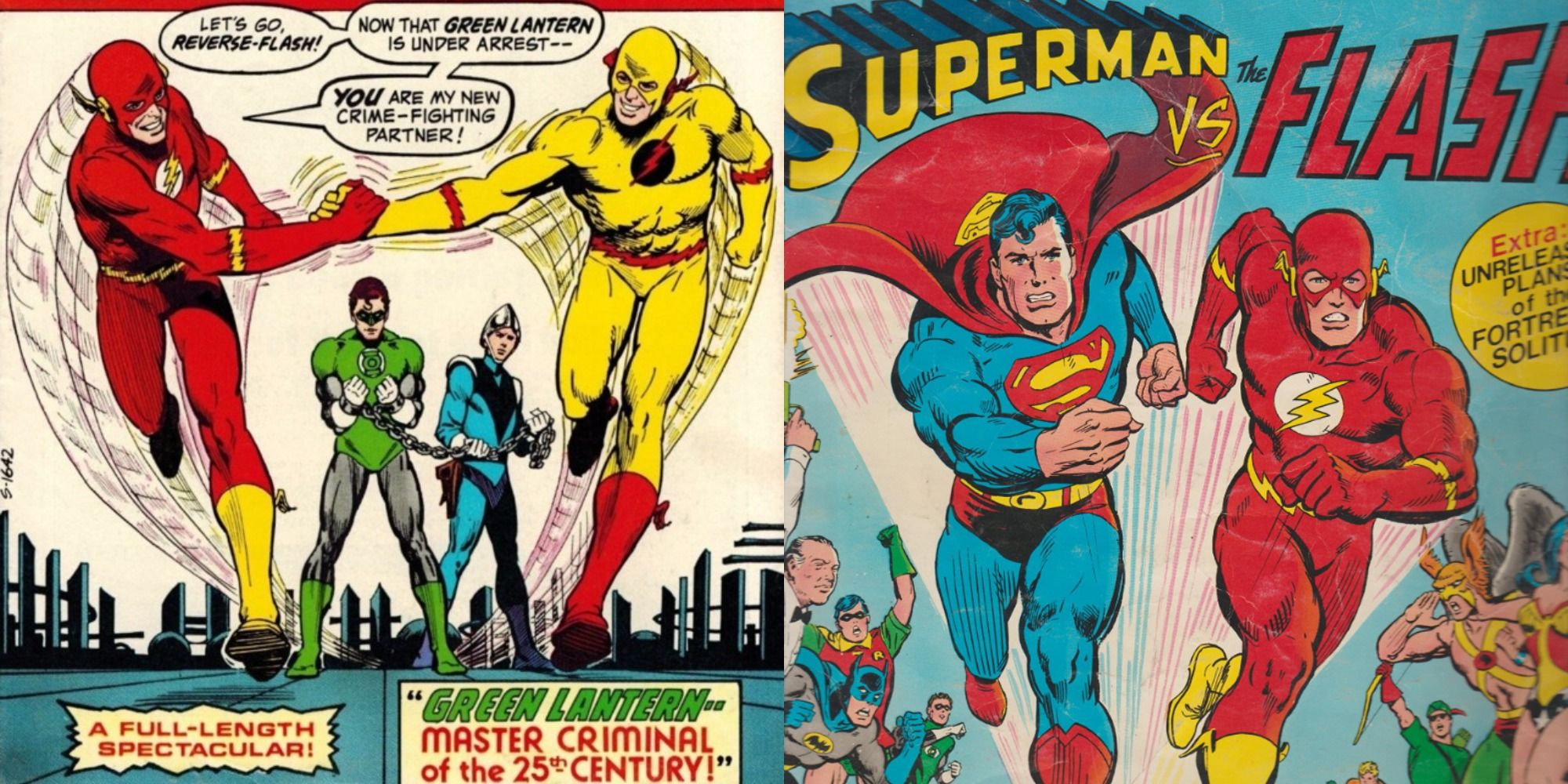
DC Comics, the established titan, wasn't about to let Marvel have all the fun. They had their classic heroes, the Justice League – Superman, Batman, Wonder Woman, the Flash, Green Lantern, Aquaman. These guys were the ultimate dream team, the shining beacons of justice. They were aspirational, powerful, and generally had their lives pretty much together. You wouldn't find Superman stressing about his rent, would you? (Unless Lex Luthor was involved, then maybe.)
But even DC started to experiment. They brought back some of their golden age heroes, giving them fresh new looks and sometimes, dare I say it, a little more personality. The Flash got a sleek new costume, and Green Lantern's adventures became a bit more cosmic and mind-bending. They realized that even these iconic figures could evolve and stay relevant. It was like giving your favorite old sweater a stylish new patch – still comfortable, but a bit more you.
Now, let's talk about the 70s. This is where things got a little… grittier. The optimism of the 60s started to fade a bit, and the comics reflected that. We saw heroes dealing with more mature themes, societal issues becoming more prominent, and sometimes, the art itself took on a darker, more realistic edge. It was like the comic book world collectively decided to put on its "adulting" pants. Still fun, but with a bit more oomph.
![[Guide] What Are the Most Valuable Comics From the 1970's?](https://www.qualitycomix.com/images/articles/Your Comics.jpg)
Conan the Barbarian! Suddenly, muscles, swords, and epic battles against mythical beasts were all the rage. Robert E. Howard's creation was brought to life by legendary artists like Barry Windsor-Smith and John Buscema, and he was a far cry from your average caped crusader. Conan was a force of nature, driven by primal instincts and a thirst for adventure. He wasn't afraid to get his hands dirty, and neither were the artists drawing him. It was raw, it was powerful, and it appealed to a different kind of fantasy craving. Less spandex, more loincloths. You know, for variety.
Then there were the horror comics. Remember those? DC's House of Secrets and House of Mystery, and EC Comics (though they were more prominent in the 50s, their legacy lingered). These were the comics that made you check under your bed before going to sleep. Ghouls, ghosts, monsters, and twisted tales with shocking endings. They pushed boundaries and weren't afraid to give you nightmares. It was like a cinematic scare-fest for your eyeballs. Shivers
The 70s also saw the rise of the anti-hero. Think The Punisher, who, while not strictly a 70s creation, really hit his stride in this era. He was a vigilante, driven by revenge, and he didn't play by the usual rules. This was a fascinating development because it blurred the lines between good and evil. Was he a hero? A villain? Or just a really angry guy with a lot of guns? It made for some seriously compelling storytelling. Plus, his skull emblem is just chef's kiss iconic.
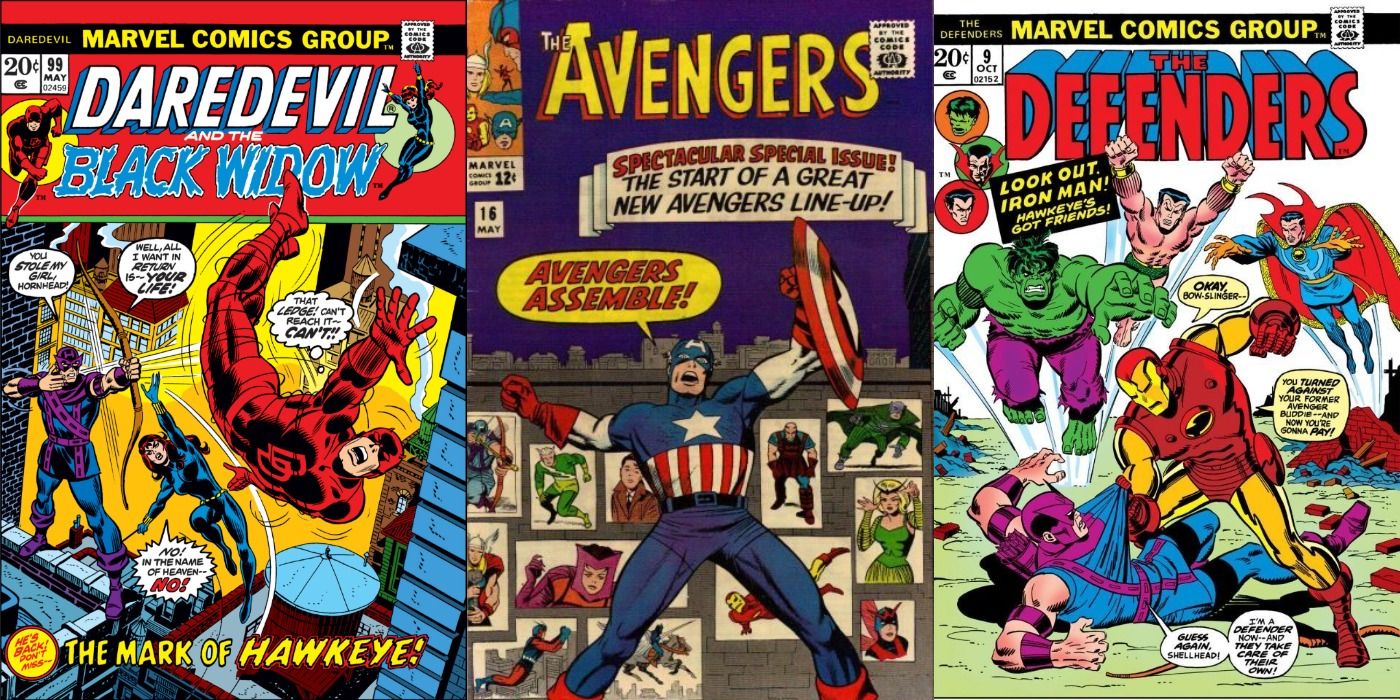
And let's not forget the independent spirit starting to bubble up. While Marvel and DC dominated, there were creators pushing for more personal stories, more diverse themes. It was a hint of the indie revolution to come, where the world of comics would become even richer and more varied. These early independent sparks were like little seeds waiting to grow into something magnificent.
The artwork itself during this period is something to behold. In the 60s, you had Kirby's explosive energy, Ditko's trippy surrealism, and the clean lines of many of DC's heroes. Then the 70s brought in more detailed rendering, dynamic poses, and a grittier aesthetic that perfectly matched the changing tone of the stories. Seriously, some of these panels are like mini-masterpieces. You could frame them and hang them on your wall. (Though maybe avoid the ones with the giant spiders.)
What made these comics so special? It was their sheer imagination and their ability to tap into the zeitgeist. They reflected the changing world, the anxieties, the hopes, and the sheer desire for something extraordinary. They offered a chance to escape the mundane and dive headfirst into a world of heroes and villains, of fantastic feats and impossible odds.
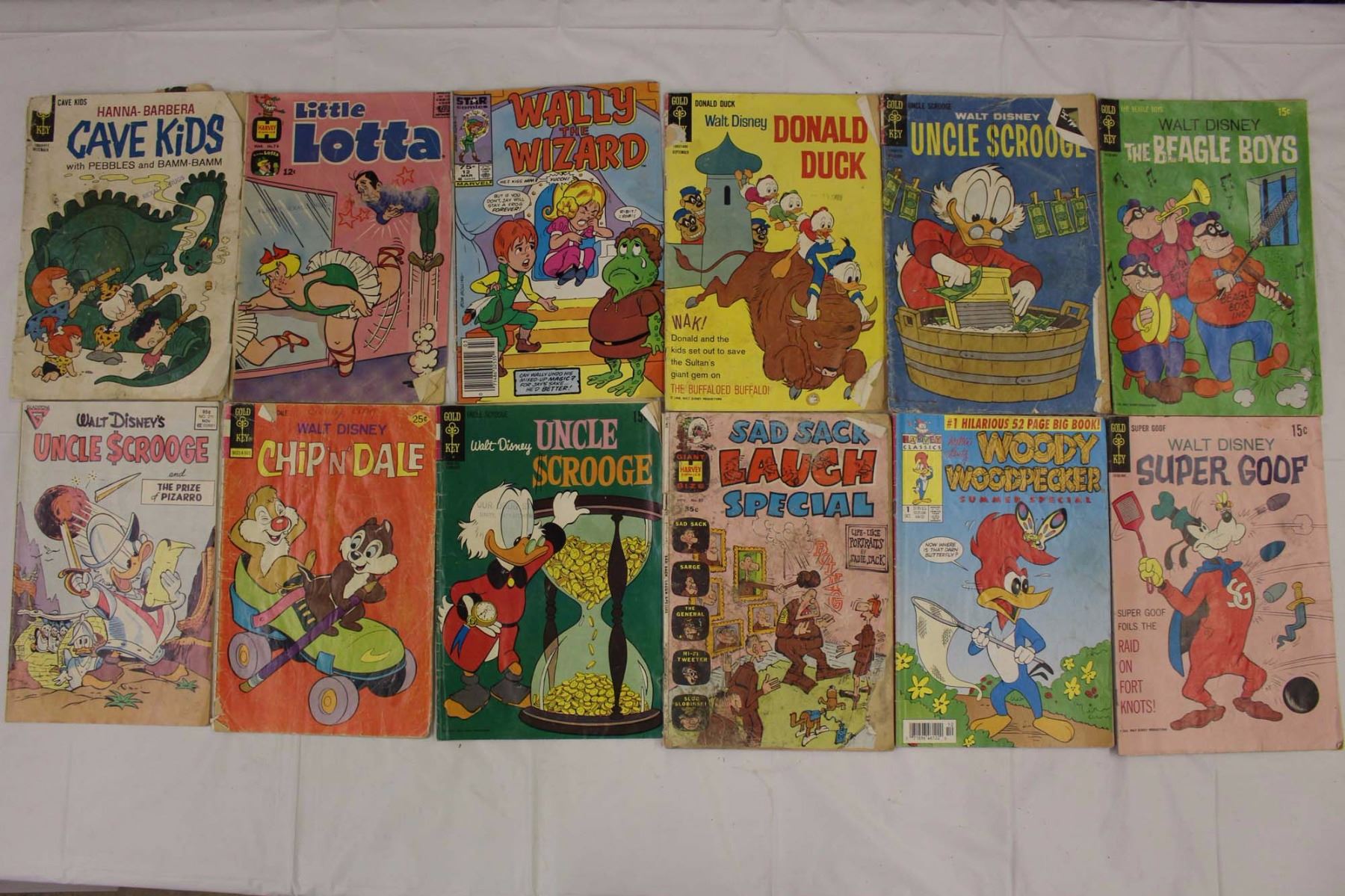
Think about the accessibility. You could walk into a drugstore, a newsstand, and for pocket change, you'd have a brand-new adventure waiting for you. It wasn't about collecting rare editions back then; it was about the thrill of the story. The satisfaction of turning that last page, wondering what would happen next. It was pure, unadulterated joy in paper form.
And the characters! These weren't just flat drawings; they were personalities. We worried about Peter Parker's love life, cheered for the Fantastic Four's victories, and marveled at the sheer power of Superman. They became a part of our cultural landscape, influencing everything from movies to music to how we even talked. "Groovy," anyone? Thank you, 60s comics!
Looking back at these old comics, it's easy to get a little nostalgic. They represent a simpler time in some ways, but also a time of incredible creative explosion. They proved that stories could be entertaining, thought-provoking, and wildly imaginative, all at the same time. They showed us that even in the face of overwhelming odds, heroes – flawed or otherwise – could rise to the occasion.
So, the next time you stumble upon a comic book from the 60s or 70s, don't just flip past it. Pick it up. Give it a read. Let yourself be transported to a world of vibrant colors, bold heroes, and unforgettable villains. You might just find yourself smiling, remembering the sheer, unadulterated fun of it all. And who knows, you might even discover a little bit of your own inner hero shining through. After all, as Stan Lee himself might say, "Excelsior!"