
Connecting Pvc To Metal Drain Pipe
Hey there, DIY enthusiasts and accidental plumbers! Ever found yourself staring at a hodgepodge of pipes in your basement, wondering how on earth you’re going to get that sleek, new PVC drain pipe to play nice with that old, gnarly metal one? You're not alone! It’s like trying to get a cat and a dog to share a chew toy – sometimes it requires a little… persuasion. But fear not, my handy friends, because connecting PVC to metal drain pipe is totally doable, and we’re going to walk through it step-by-step. Think of me as your friendly neighborhood pipe whisperer.
First off, let’s talk about why this connection even happens. Usually, it’s because you’re doing a renovation, replacing a section of old, corroded metal pipe, or maybe adding a new fixture. Whatever the reason, you’ve got two very different personalities of pipe that need to unite for the greater good of your plumbing system. It’s a beautiful metaphor, really. Plumbing uniting worlds!
Gathering Your Gear: The Plumbing Party Pack
Before we dive headfirst into the nitty-gritty, let’s get our ducks in a row. Or, in this case, our fittings in a row. You wouldn’t go to a fancy dinner party without dressing up, right? Same goes for plumbing. You need the right tools and materials to make this connection a success. So, what’s on the shopping list for our pipe-pairing fiesta?
PVC Primer and Cement: This is your dynamic duo. The primer cleans and softens the PVC, and the cement acts like super-glue for pipes. Don’t skimp on this! Get the good stuff. Think of it as the wedding vows for your pipes.
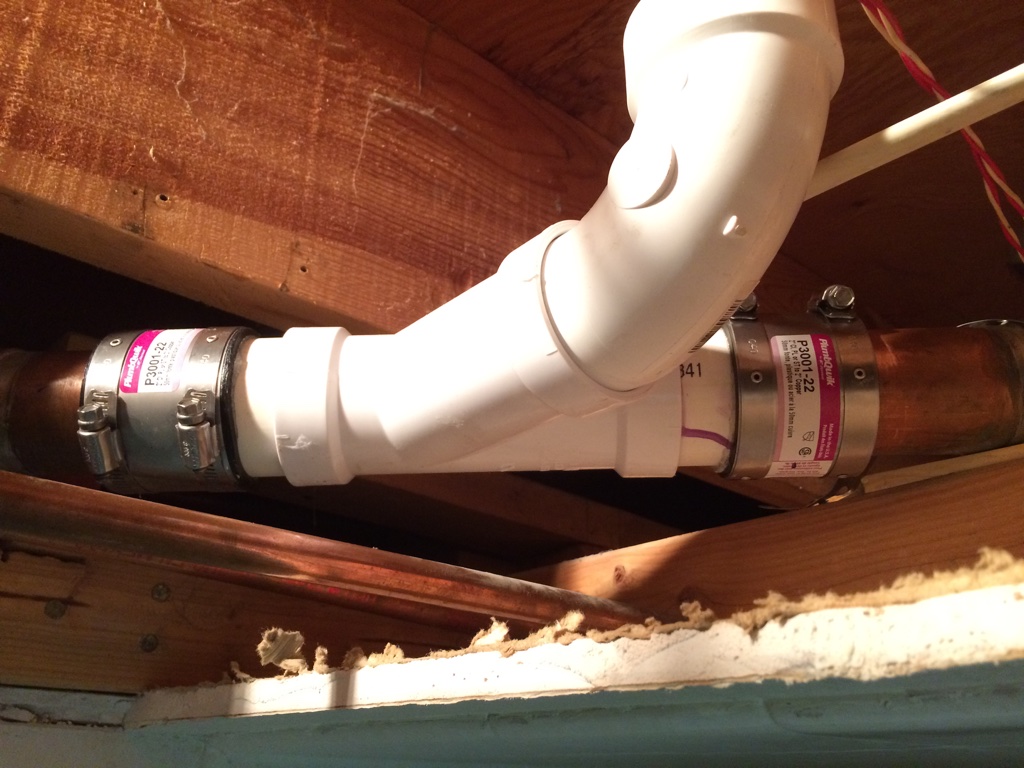
Transition Fittings: Ah, the matchmakers! These are special fittings designed to bridge the gap between different pipe materials. For PVC to metal, you’ll likely be looking for a no-hub coupling (also known as a fernco coupling or rubber coupling with metal sleeves and clamps) or a reducing coupling if you’re going from a larger metal pipe to a smaller PVC. These are like the diplomatic negotiators of the plumbing world.
Pipe Cutter: You’ll need a way to make nice, clean cuts on your PVC pipe. A hacksaw can work in a pinch, but a dedicated PVC cutter makes life SO much easier. It’s like using a scalpel instead of a butter knife for surgery.
Measuring Tape: Because, you know, measure twice, cut once. This old adage is practically the plumbing mantra. Get it wrong, and you’ll be buying more pipe. Get it right, and you’ll be a plumbing superhero.
Deburring Tool or Sandpaper: Once you cut that PVC, you’ll have some rough edges. We need to smooth those out for a good seal. Think of it as giving your pipe a spa day.
Screwdriver or Nut Driver: For tightening those clamps on your no-hub coupling. Get the right size, or you’ll be stripping screws and cursing your ancestors.
Bucket and Rags: For any drips and spills. Plumbing can be a messy business, and it’s always better to be prepared than to be cleaning up a puddle of PVC cement. Yuck.
Safety Glasses: Seriously, protect those peepers! You don’t want PVC cement or metal shavings flying into your eyes. Nobody needs an emergency room visit to become part of their DIY adventure.
The Metal Maestro: Getting the Old Boy Ready
Now, let’s talk about our metal pipe. This is the seasoned veteran, probably seen a thing or two in its day. We need to make sure it's in good shape for its new PVC neighbor.
First, inspect the metal pipe thoroughly. Is it rusty? Is it crumbling? If it's in really bad shape, you might need to replace a longer section of it before you even think about connecting the PVC. This connection is only as strong as the weakest link, and a rusty pipe is a pretty weak link, my friends.
Once you're satisfied with the metal pipe's integrity, you need to clean the end of the metal pipe where the connection will be made. Use a wire brush or some steel wool to get rid of any rust, dirt, or old gunk. You want a nice, clean surface for the coupling to grip. Think of it as giving it a good scrub before a big date.
If you need to cut the metal pipe (which is a whole different beast, often requiring a hacksaw or a reciprocating saw), make sure you get a straight, clean cut. Again, deburr the edge so it’s not sharp. We’re not trying to give our future selves paper cuts, after all.

The PVC Polka: Preparing the New Kid on the Block
Our PVC pipe is the fresh face, eager to make a good impression. We need to prep it properly.
Measure and Mark: Figure out exactly how long a piece of PVC you need. Remember that the fitting itself will take up some space, so don't just measure from end to end of your gap. Consult the instructions for your specific fitting, or do a dry fit (that means connecting it without glue) to get the length right. Dry fitting is your best friend here!
Cut the PVC: Use your PVC cutter or hacksaw to make a clean, square cut. A crooked cut is a recipe for a leaky disaster. Nobody wants a surprise water feature in their kitchen. Or basement. Or wherever.
Deburr and Clean: After cutting, use a deburring tool or sandpaper to smooth the inside and outside edges of the pipe. This ensures a smooth flow and a good seal. Then, give the end of the PVC pipe a good wipe with a clean rag. No dust bunnies allowed!
The Grand Union: Making the Connection
Alright, the moment of truth! It’s time to bring these two pipe personalities together.
Option 1: The No-Hub Coupling (Your Go-To for PVC to Metal)
This is often the easiest and most common way to connect PVC to metal. It's like a universal adapter for pipes!
Slide it on: Take your no-hub coupling and slide it onto the end of the metal pipe. Make sure it’s centered. These couplings have a rubber sleeve and metal shielding with clamps on either side. You want the rubber to overlap both pipes.

Apply Primer and Cement (to PVC only!): Now, grab your PVC primer and cement. Apply the primer to the outside of the PVC pipe end where it will connect to the fitting. Then, apply the PVC cement to the same area of the PVC pipe. Work quickly, as this stuff dries fast!
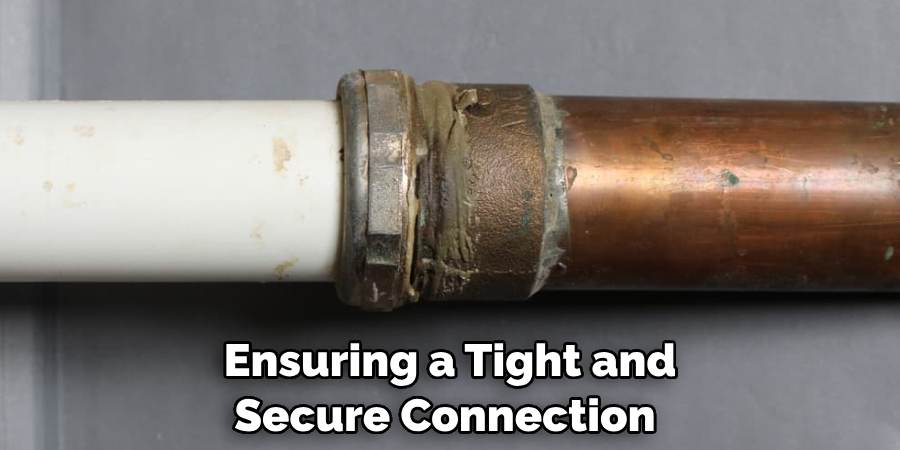
Join the Pipes: Slide the prepared PVC pipe into the no-hub coupling. Push it firmly until it meets the end of the metal pipe. Then, slide the coupling further onto the PVC pipe so that the rubber is roughly centered over the joint between the PVC and metal.
Tighten the Clamps: Now, use your screwdriver or nut driver to tighten the clamps on the no-hub coupling. You want them good and snug, but don't overtighten and strip them. The metal shields should be pressing firmly against the rubber sleeve, creating a watertight seal.
The Final Tug: Give a gentle tug on both pipes to ensure they are secure. You don't want any wiggle room. This coupling is doing some heavy lifting, so make sure it's doing its job!
Option 2: Reducing Couplings (If Applicable)
Sometimes, you might be transitioning from a larger metal pipe to a smaller PVC pipe, or vice-versa. In this case, a reducing coupling might be your ticket.
Understanding Reducers: These couplings have different-sized openings on each end, designed to fit specific pipe sizes and materials. For PVC to metal, you might find a metal-to-PVC reducing coupling, or you might need to use a metal reducer first and then connect PVC to that. It can get a bit complex, so always double-check the fitting’s specifications to ensure it’s compatible with both PVC and your metal pipe size.

Installation Varies: The installation for reducing couplings can vary. Some might use solvent cement on both ends (if it’s a PVC-to-PVC reducer), while others might require pipe dope or Teflon tape on the metal threads and solvent cement on the PVC side. Read the manufacturer’s instructions carefully for the specific fitting you’re using. This is where consulting a plumbing supply store expert can be a lifesaver!
The Seal is Key: Regardless of the specific fitting, the goal is the same: a watertight seal. For threaded connections, ensure you’re using appropriate thread sealant. For solvent-welded connections, the primer and cement process is crucial.
A Word of Caution (and Encouragement!)
Before you get too gung-ho, a few friendly nudges of advice:
Check Local Codes: Some areas have specific plumbing codes that dictate what materials you can and cannot use, especially when connecting different types. A quick call to your local building department can save you a world of headaches later.
Don't Rush the Cure Time: Once you've applied that PVC cement, give it the recommended cure time before running water through the pipe. Rushing this is like trying to drive a freshly painted car – it’s just not a good idea. Patience is a virtue, especially in plumbing.
If in Doubt, Call a Pro: This is a fun DIY project, but if you’re feeling overwhelmed, unsure about the integrity of your existing pipes, or just want that extra peace of mind, there’s absolutely no shame in calling a licensed plumber. They’re the rockstars of the plumbing world, and they’ve seen it all.
The Uplifting Conclusion
And there you have it! You’ve successfully bridged the gap between two very different piping materials. You’ve taken on the challenge, armed yourself with knowledge and the right tools, and emerged victorious. Think of this connection not just as a plumbing feat, but as a testament to your own ingenuity and problem-solving skills. You’ve conquered the pipe paradox! Now, go forth and conquer more DIY dreams. May your pipes flow freely and your plumbing projects always be leak-free and filled with the sweet, sweet sound of success. You’ve earned that satisfied sigh and, dare I say, a little celebratory jig!