
Cooking Eggs Stainless Steel Pan
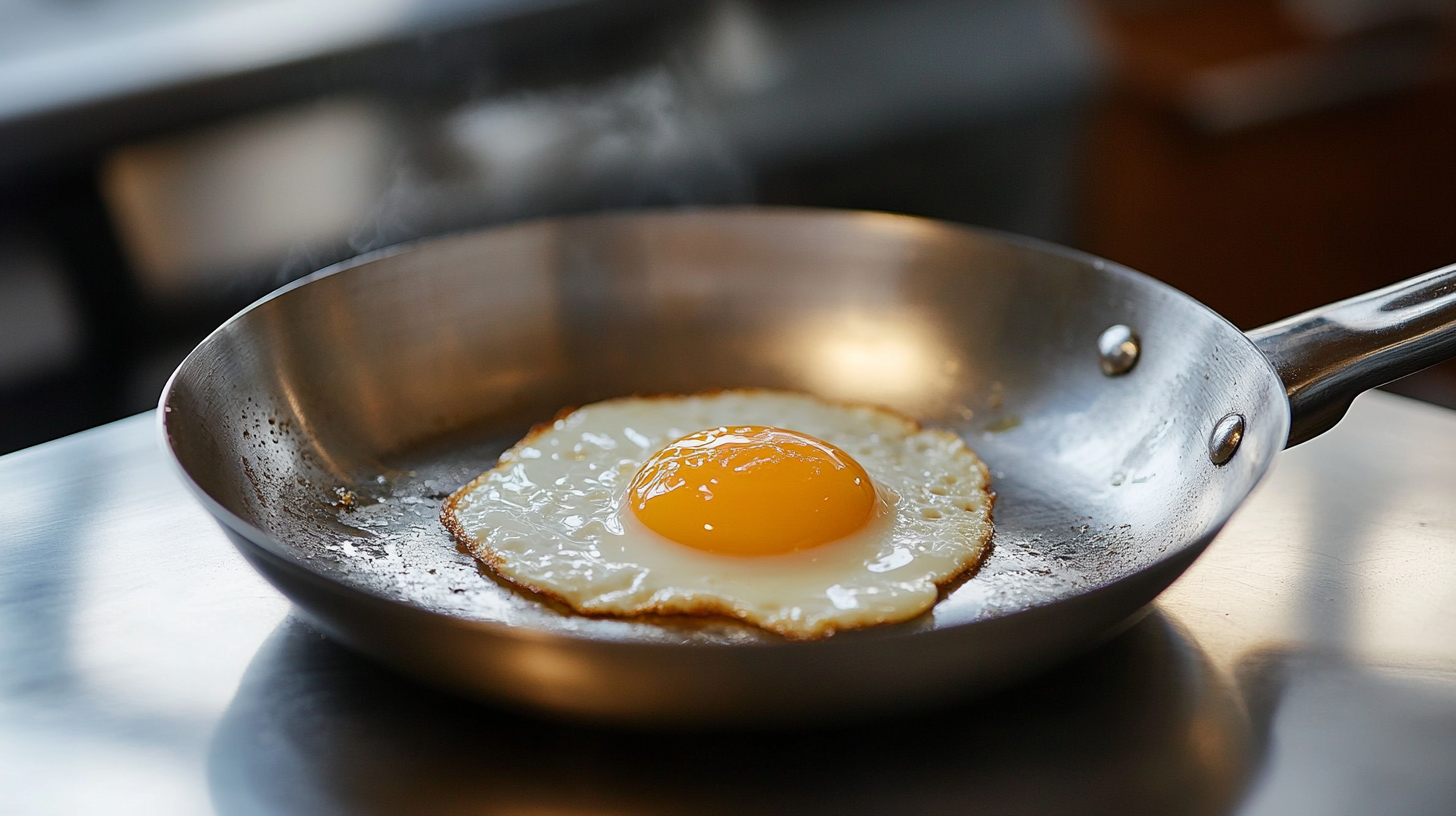
There's a quiet revolution happening in kitchens across the land, a subtle shift away from the fickle and towards the fundamentally reliable. We're talking, of course, about the humble egg, and its new best friend: the stainless steel pan. For too long, this kitchen workhorse has been overshadowed by its non-stick cousins, whispered about in hushed tones as being "tricky" or "difficult." But we're here to tell you, with a warm mug of coffee in hand and the gentle hum of a Sunday morning, that cooking eggs in stainless steel is not just possible, it's wonderfully rewarding.
Forget the fear factor. Think of it as a culinary dance, a gentle negotiation between heat, fat, and protein. It’s less about brute force and more about understanding the rhythm of your pan and the nuances of your ingredients. And once you master it, a world of perfectly cooked eggs opens up, from sunny-side up with a molten gold yolk to a fluffy omelet that dreams are made of.
The Allure of Stainless Steel: Why Ditch the Non-Stick?
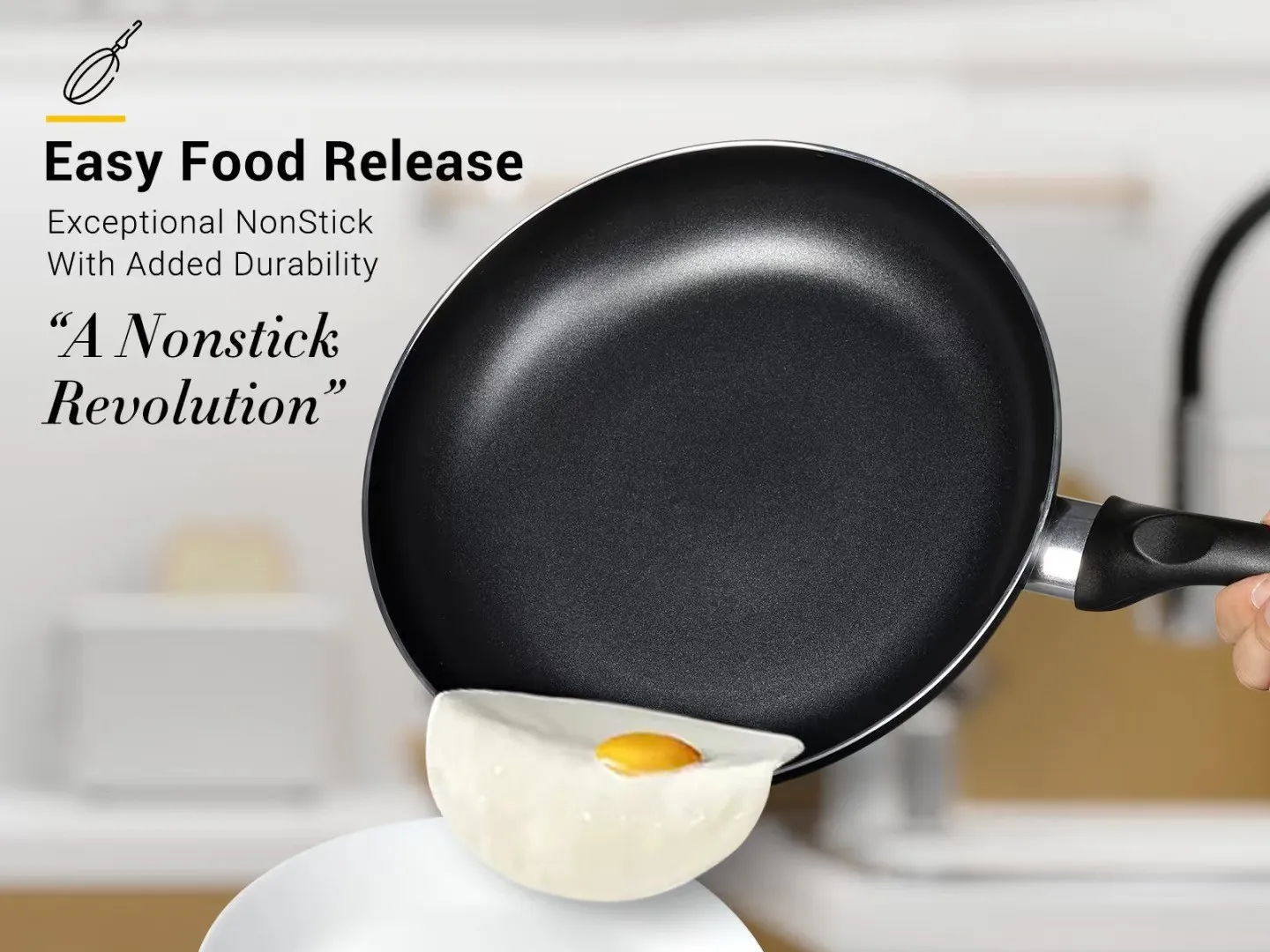
Let's be honest, those slick, non-stick surfaces have their place. They're convenient, sure. But they also have a finite lifespan, often ending their days scratched and shedding microscopic particles into your food. Stainless steel, on the other hand, is built to last. It's the sturdy, dependable friend who’s always there for you, becoming better with age and a little bit of love.
Beyond durability, stainless steel offers a superior sear. That slightly crisp edge on your fried egg? That's the magic of stainless steel at work, caramelizing the proteins and creating textures that non-stick can only dream of. Plus, think of the satisfaction of developing that beautiful fond – those flavorful brown bits stuck to the bottom of the pan – which are the secret weapon for deglazing and creating amazing sauces. It’s a step up, a subtle elevation of your everyday cooking.
Mastering the Stainless Steel Egg: It's All About the Basics
The key to unlocking the secrets of stainless steel eggs lies in a few fundamental principles. It's not rocket science, but rather a series of small, deliberate actions that make a big difference. Let's break it down.
1. The Preheat Power Play
This is arguably the most crucial step. A cold pan is a sticky pan. You need to give your stainless steel pan a good, even preheat. Place it over medium heat for a few minutes. You'll know it's ready when a drop of water skitters across the surface and evaporates almost instantly, like tiny water ballerinas performing a fleeting pirouette.
Avoid the temptation to crank the heat up to high. We're aiming for a gentle, consistent warmth. Too much heat, too soon, and you're asking for trouble, no matter how well you've seasoned or oiled your pan. Patience is a virtue, especially in the kitchen.
2. Fat is Your Friend: The Lubrication Layer
Once your pan is preheated, it's time for fat. This is where the magic of lubrication comes in, creating a barrier between the egg and the metal. You have options here, and the choice can subtly influence the flavor.
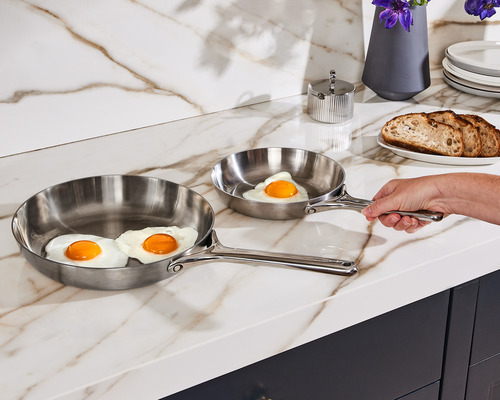
Butter is a classic for a reason. Its nutty aroma and creamy richness are divine. For a sunny-side up egg, a good knob of unsalted butter, allowed to melt and foam gently, is pure bliss. Just watch it carefully, as butter can burn if the heat is too high.
Oil is another excellent choice. A neutral oil like canola or grapeseed is great for a clean flavor, while olive oil (extra virgin for a touch of Mediterranean flair) can add its own character. Swirl the oil around to coat the bottom of the pan evenly.
For an extra layer of non-stick insurance, some chefs advocate for a combination of butter and oil. This offers the flavor of butter with the higher smoke point of oil.
3. The Egg Drop: Gentle Placement is Key
This is it. The moment of truth. Crack your egg directly into the preheated, oiled pan. Do it gently. You don't want to shatter the yolk or splash hot fat. If you're feeling fancy, you can crack the egg into a small bowl first and then carefully slide it into the pan. This gives you more control.
As the egg hits the pan, you'll notice it start to cook almost immediately, the whites firming up. This is a good sign! It means your pan is at the right temperature.
4. The Art of the Flip (or Not!)
This is where different egg preparations come into play, and where the stainless steel pan truly shines.
Sunny-Side Up: The Golden Orb Delight
For a perfect sunny-side up, resist the urge to flip. The beauty of this style is the intact, runny yolk. As the whites cook, the heat will gently cook the top of the egg. If you find the whites are taking too long to set while the yolk is still too liquid, you can baste. This involves tilting the pan and spooning some of the hot fat over the whites. Alternatively, you can cover the pan for the last minute or so to steam the top of the egg.
The goal is fully set whites and a beautifully runny yolk, ready to be pierced and create a delectable sauce for your toast.
Over Easy/Medium/Hard: The Flip Factor
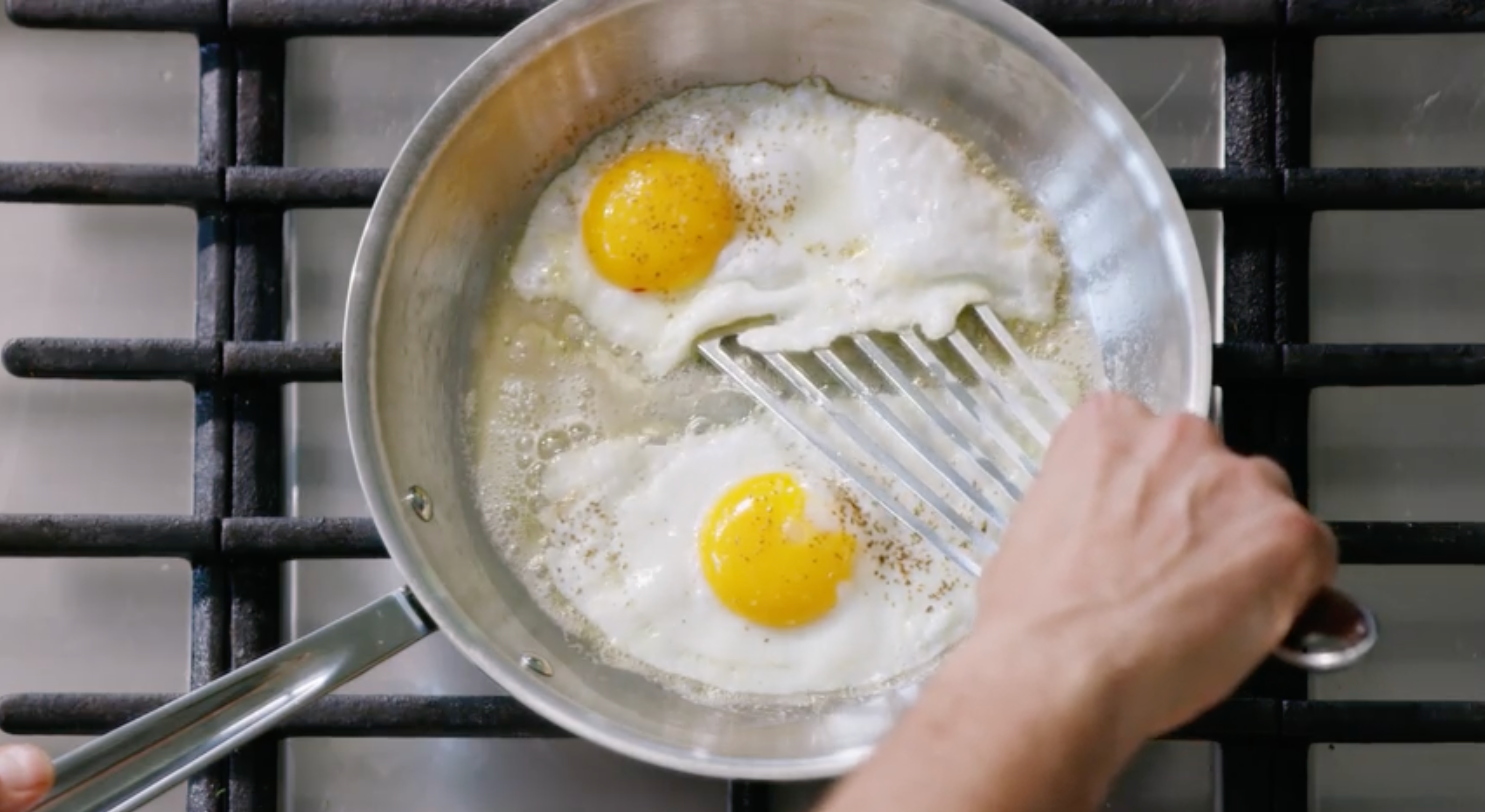
If you prefer your yolks cooked more, it's time to embrace the flip. This is where a good metal spatula is your best friend. Slide it carefully under the egg, ensuring it's fully detached from the pan. A confident, swift flick of the wrist is all it takes. Don't be discouraged if your first few attempts aren't perfectly symmetrical; practice makes perfect!
Over easy means a quick flip for just a few seconds, leaving the yolk beautifully runny. Over medium involves a slightly longer flip, resulting in a yolk that's starting to set around the edges but still liquid in the center. Over hard means cooking until the yolk is completely firm.
Scrambled Eggs: The Gentle Stir
Scrambled eggs in stainless steel can be a revelation. Instead of aggressive whisking and high heat, think gentle movement. Whisk your eggs in a bowl with a splash of milk or cream and a pinch of salt and pepper. Pour them into your preheated, oiled pan over medium-low heat.
As the eggs begin to set, use a silicone spatula to gently push them from the edges towards the center, allowing the uncooked egg to flow to the hot surface. This creates soft, creamy curds rather than rubbery, overcooked bits. The key is to keep the eggs moving gently, like a slow dance, until they reach your desired consistency.
Omelets: The Fold of Fortune
Omelets are a true test of stainless steel finesse. The trick is to let the base cook without burning. Once the bottom is set, you can add your fillings. Then, with your spatula, gently fold one half over the other. The residual heat will continue to cook the inside.
The key here is to avoid overcooking. An omelet should be tender and slightly creamy in the center. The stainless steel pan allows for that beautiful, even browning on the outside that adds both flavor and visual appeal.
Fun Little Facts & Cultural Whispers
Did you know that the word "omelet" comes from the French word "alemette," which itself is thought to derive from the Latin "lamella," meaning "a thin plate"? This evokes the image of that perfectly folded, thin layer of cooked egg. And in Japan, the rolled omelet, or tamagoyaki, is a staple, often made in a special rectangular pan and seasoned with sugar and soy sauce, offering a delightful sweet and savory experience.

The simple egg has been a global culinary cornerstone for centuries. From ancient Roman frittatas to the ubiquitous breakfast egg in American diners, its versatility is undeniable. Cooking it in stainless steel simply connects us to a tradition of straightforward, robust cooking that values durability and flavor.
Troubleshooting: When Things Get a Little... Stuck
So, what if your egg does decide to adhere stubbornly to the pan? Don't despair. It happens to the best of us. Here are a few tips:
- Patience is paramount. Sometimes, a little extra cooking time or a gentle nudge with your spatula is all that's needed.
- Deglazing rescue. If a bit of egg is stuck, add a small splash of water or broth to the pan while it's still warm. Use your spatula to scrape up the browned bits. This not only helps release the egg but also creates a flavorful base for a quick pan sauce.
- The power of steam. For really stubborn bits, a little steam can work wonders. Add a tablespoon of water to the pan, cover it immediately, and let the steam loosen the egg.
- Proper cleaning is key. After cooking, let the pan cool slightly. Then, use warm, soapy water and a non-abrasive sponge or brush. For tougher spots, a paste of baking soda and water can work wonders. Avoid steel wool or harsh scrubbers, as these can damage the pan's surface.
The Clean-Up Symphony
And the best part? Cleaning a stainless steel pan after a successful egg cook is usually a breeze. With a little hot water and some dish soap, most residue will wipe away. If there are any stubborn bits, that baking soda paste mentioned earlier is your superhero. The satisfying gleam of a clean stainless steel pan is a small victory, a testament to your mastering the art.
A Reflection: The Beauty of the Everyday
There's a profound satisfaction that comes from mastering a simple, everyday skill. Cooking eggs in a stainless steel pan isn't about Michelin stars or complex techniques. It's about connecting with your food, understanding your tools, and creating something delicious with your own hands. It's a small act of self-care, a moment of calm in the often-chaotic rhythm of daily life.
The next time you reach for a pan, consider embracing the stainless steel. Let it be your partner in culinary adventures, from the simplest scrambled egg to a weekend brunch masterpiece. You might just find that it’s the most reliable and rewarding member of your kitchen brigade, consistently delivering delicious results and a quiet sense of accomplishment.